Now Reading: Meditation and Exercise in Addiction Recovery: A Path to Lasting Wellness
-
01
Meditation and Exercise in Addiction Recovery: A Path to Lasting Wellness
Meditation and Exercise in Addiction Recovery: A Path to Lasting Wellness
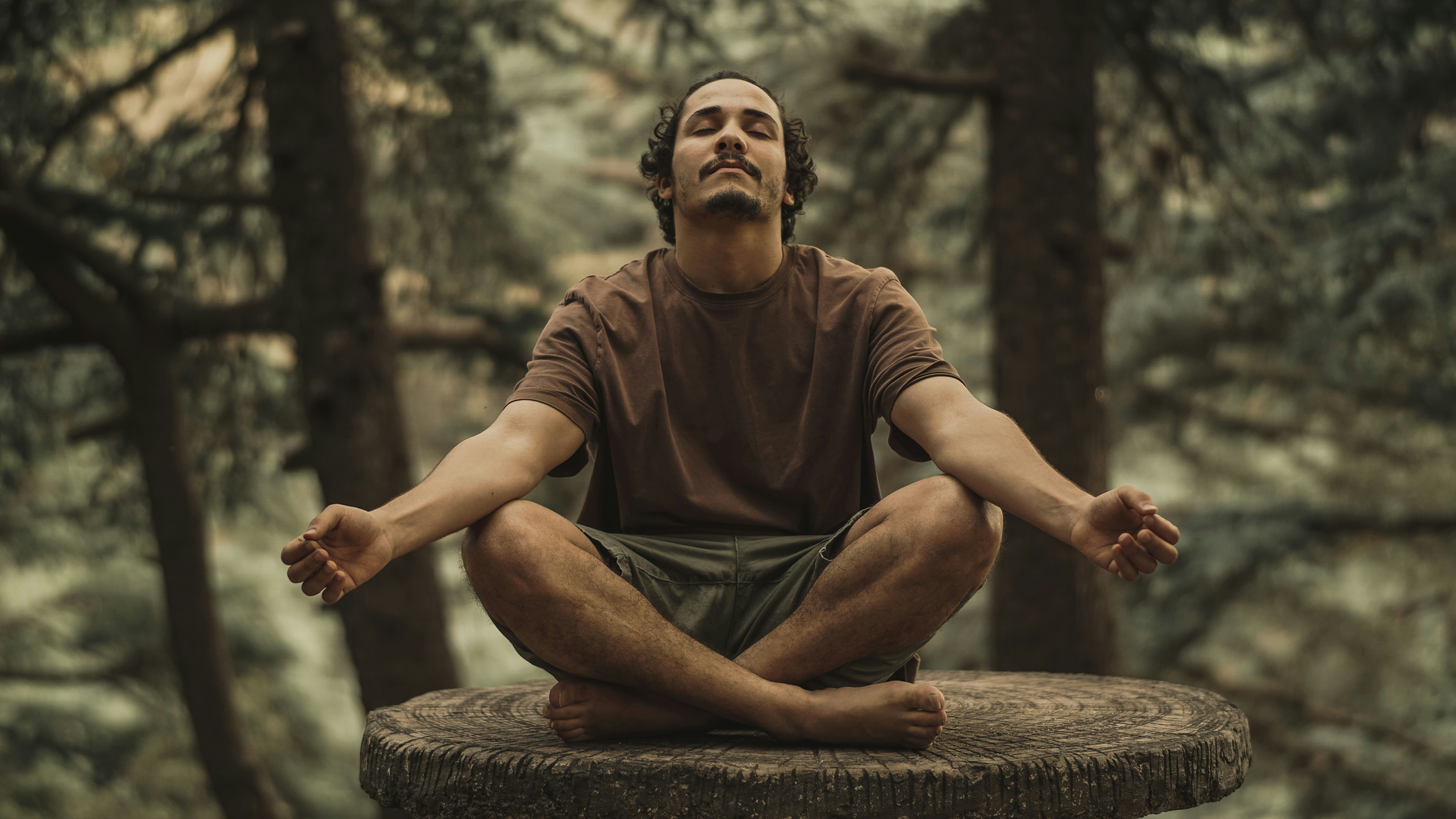
Addiction recovery isn’t just about quitting substances—it’s about healing your whole self. While therapy and support groups play a vital role, combining meditation and exercise in addiction recovery can supercharge your mental, emotional, and physical well-being.
Together, these two practices help reduce stress, improve self-awareness, and build inner and outer strength. In this article, we’ll explore how meditation and exercise work hand in hand to support long-term sobriety and emotional resilience.
Why Recovery Needs More Than Just Abstinence
Addiction affects more than your body—it impacts your thoughts, emotions, and sense of identity. According to the Substance Abuse and Mental Health Services Administration (SAMHSA), nearly 38% of people with substance use disorders also experience co-occurring mental health disorders, such as depression, anxiety, or trauma-related symptoms (SAMHSA, 2023).
Traditional recovery programs focus on therapy and support networks, but integrating body-mind practices like meditation and exercise adds another layer of healing.
The Role of Meditation in Recovery
Meditation is the practice of bringing your awareness to the present moment. You don’t need special skills or tools—just your breath and attention. In recovery, meditation helps calm the mind, reduce impulsivity, and promote emotional balance.
Benefits of Meditation in Addiction Recovery
- Reduces cravings by lowering stress and promoting self-regulation
- Improves focus and clarity, making it easier to manage triggers
- Strengthens self-awareness, allowing you to observe thoughts without acting on them
- Promotes calm and relaxation through deep breathing and mindfulness
A study published in Substance Abuse and Rehabilitation found that individuals who practiced mindfulness meditation regularly had lower relapse rates and reported better emotional control during recovery (Zgierska et al., 2009).
How Exercise Supports Addiction Recovery
Addiction takes a toll on the body. Exercise helps repair physical damage, boosts energy, and improves mental health. It also gives people in recovery something positive to focus on and look forward to.
Benefits of Exercise in Addiction Recovery
- Boosts endorphins and dopamine, improving mood naturally
- Improves sleep quality, which is often disrupted in early recovery
- Builds confidence through physical strength and achievement
- Adds structure and routine, which helps prevent boredom and relapse
- Reduces symptoms of depression and anxiety
According to Harvard Health Publishing, regular exercise can be as effective as medication for treating mild to moderate depression (Harvard Health, 2021)—a major contributor to relapse.
Why Combine Meditation and Exercise in Addiction Recovery?
Separately, both meditation and physical activity offer great benefits. But when combined, they create a powerful synergy. Meditation and exercise in addiction recovery work together to heal the brain, body, and nervous system.
For example, meditation improves mental control, while exercise builds physical resilience. Both practices promote mindfulness—awareness of the present moment—which helps individuals pause, breathe, and choose healthier responses.
How They Complement Each Other
- Exercise energizes the body, while meditation restores the mind
- Meditation teaches calm, while exercise builds strength
- Together, they reduce stress and improve emotional regulation
This combination is especially effective for people dealing with trauma, anxiety, or restlessness in recovery.
Real-Life Impact: Stories from Recovery
Angela, a 29-year-old in recovery from alcohol use, started practicing yoga and meditation alongside cardio workouts. “Meditation helped me stop spiraling,” she says. “Running gave me confidence. Together, they helped me stay grounded.”
David, who battled opioid addiction for 10 years, found peace through early-morning walks followed by 10 minutes of breathing meditation. “I felt present for the first time in years,” he says. “It became my daily anchor.”
These stories highlight the power of combining meditation and exercise in addiction recovery to support long-term change.
How to Get Started
You don’t need a gym membership or fancy gear. Starting with small, consistent steps makes the biggest difference.

Meditation Tips for Beginners
- Start with 5 minutes each morning or evening
- Focus on your breath, counting each inhale and exhale
- Use guided apps like Headspace, Calm, or Insight Timer
- Notice your thoughts but don’t judge them—gently return to your breath
Easy Exercise Ideas for Recovery
- Walk or jog outdoors for 20–30 minutes a day
- Practice yoga or stretching for flexibility and relaxation
- Try bodyweight exercises like squats, lunges, or pushups
- Dance or move to your favorite music to lift your mood
The key is to choose activities you enjoy and stick with them. Consistency matters more than intensity.
Recovery Programs That Include Meditation and Exercise
Many treatment centers and recovery communities now integrate holistic practices into their programs. Look for:
- Mindfulness-Based Relapse Prevention (MBRP) programs
- Yoga therapy for addiction recovery groups
- Recovery-focused fitness classes, like The Phoenix (thephoenix.org)
- 12-step alternatives that include meditation, such as Refuge Recovery
Ask your provider or support group about local classes, online programs, or community resources that support these practices.
Final Thoughts
Recovery is a lifelong journey. It’s not just about avoiding substances—it’s about building a life of peace, purpose, and self-awareness. Meditation and exercise in addiction recovery offer natural, effective ways to support healing from the inside out.
By combining mindful stillness with physical movement, individuals can better manage stress, build emotional strength, and feel more connected to themselves. These practices empower people to face life with clarity, courage, and compassion.
References
- Substance Abuse and Mental Health Services Administration (SAMHSA). 2023. https://www.samhsa.gov
- Zgierska, A. et al. “Mindfulness Meditation for Substance Use Disorders: A Systematic Review.” Substance Abuse and Rehabilitation. 2009.
- Harvard Health Publishing. “Exercise is an all-natural treatment to fight depression.” 2021. https://www.health.harvard.edu
- The Phoenix. “Sober Active Community.” https://thephoenix.org

Jen Sheldon is a seasoned writer with a passion for fitness, health, wellness, and addiction treatment. With years of experience crafting insightful and research-backed content, she helps readers navigate their journey toward better well-being. When she’s not writing, you’ll find her exploring new workout routines or diving into the latest health trends.