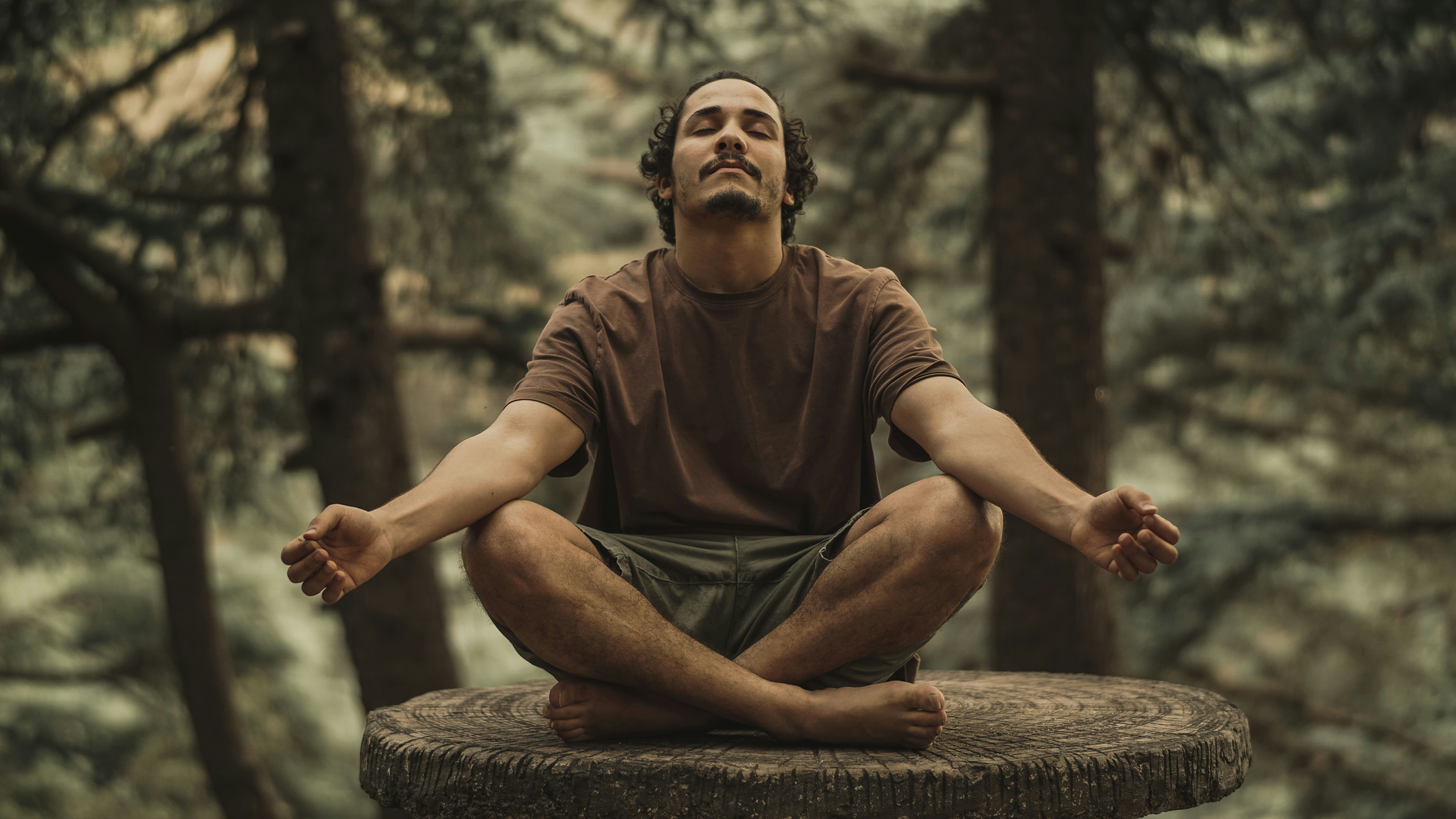
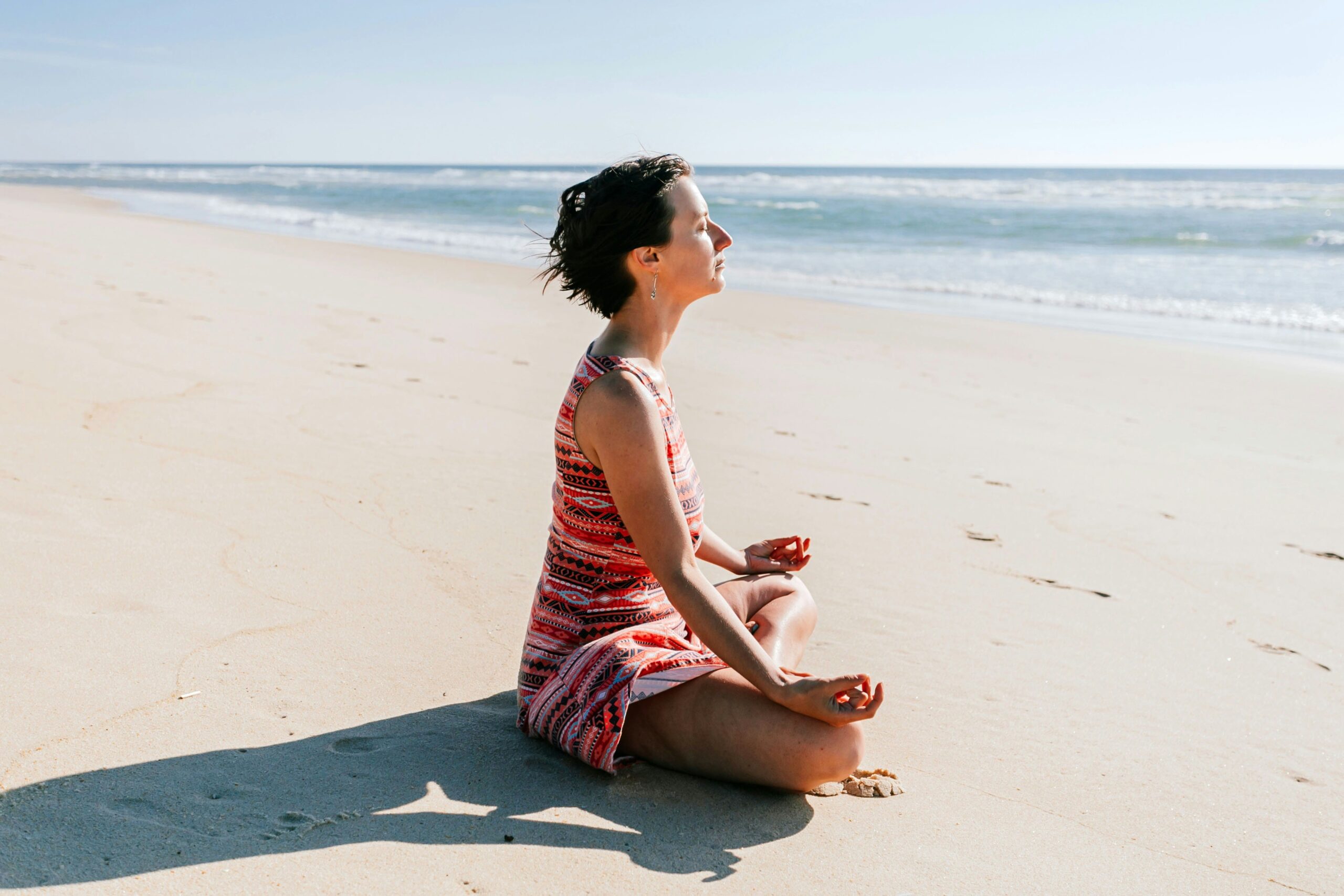
Anxiety can take over your mind and body. It affects your focus, mood, sleep, and overall well-being. While medication and therapy help many, mindfulness has become a powerful, natural way to reduce anxiety symptoms. If you’re ready to take control of your mental health, enrolling in one of the best mindfulness courses for anxiety can be a life-changing step.
In this article, you’ll discover how mindfulness helps reduce anxiety and which courses are best suited to support your emotional healing, reduce stress, and bring balance to your everyday life.
What Is Mindfulness and Why It Works for Anxiety
Mindfulness means paying attention to the present moment without judgment. It helps you notice your thoughts, emotions, and body sensations without trying to change or avoid them. This simple practice teaches you to slow down, breathe, and respond calmly rather than react out of fear or stress.
The American Psychological Association (APA) reports that mindfulness training can significantly reduce anxiety, improve emotional regulation, and lower stress levels (APA, 2021). Studies also show that mindfulness helps reduce rumination, which is a major driver of anxiety.
Benefits of Taking a Mindfulness Course for Anxiety
While you can practice mindfulness on your own, taking a structured course offers deeper support. The best mindfulness courses for anxiety provide expert guidance, step-by-step techniques, and a safe space to learn.
Key Benefits:
Learn from trained instructors
Access guided meditations and exercises
Build a consistent routine
Connect with others who share your journey
Track your progress and improve steadily
Courses also offer accountability and structure, which are especially helpful when anxiety makes it hard to stay motivated.
How to Choose the Right Mindfulness Course
Choosing the best mindfulness courses for anxiety depends on your needs and lifestyle. Consider the following:
Time commitment: Some courses last 8 weeks, while others are self-paced.
Delivery method: Do you prefer live Zoom sessions, pre-recorded videos, or in-person classes?
Instructor experience: Look for certified teachers in mindfulness-based approaches like MBSR or MBCT.
Cost: Many courses offer free versions or sliding scale pricing.
Now let’s explore the top programs that are trusted by both professionals and people seeking relief from anxiety.
Top 5 Best Mindfulness Courses for Anxiety
1. Mindfulness-Based Stress Reduction (MBSR) by Jon Kabat-Zinn – [UMass Memorial Health Center]
Best for: Evidence-based practice and long-term results
Duration: 8 weeks Format: Live online or in-person Price: Varies by location; some offer financial aid
Developed by Dr. Jon Kabat-Zinn, MBSR is one of the most scientifically studied mindfulness programs. It combines meditation, gentle yoga, and stress-reduction techniques. Studies show MBSR reduces anxiety and depression symptoms significantly in both clinical and general populations.
📊 A meta-analysis in the journal “Psychosomatic Medicine” found that MBSR led to a 38% reduction in anxiety symptoms on average. (Khoury et al., 2013)
2. Mindfulness-Based Cognitive Therapy (MBCT) – Oxford Mindfulness Foundation
Best for: People with anxiety and recurring depression
Duration: 8 weeks Format: Online via Zoom Price: Around $350 (scholarships available)
MBCT combines mindfulness practices with cognitive therapy. It helps break the cycle of anxious thoughts by teaching you to observe them rather than react. This course is ideal for people who struggle with persistent worry and negative thinking patterns.
3. The Mindfulness App – 7-Day Anxiety Relief Course
Best for: Beginners or busy schedules
Duration: 7 days (10–15 minutes per day) Format: Mobile app (iOS/Android) Price: Free trial, then $9.99/month
This app-based course offers short, guided meditations specifically designed to reduce anxiety. It’s great if you’re just starting and want something simple and flexible.
🧠 User reviews report decreased stress and improved sleep within the first week of use.
4. 10% Happier: Meditation for Fidgety Skeptics
Best for: People new to mindfulness or skeptical of meditation
Instructor: Dan Harris (ABC news anchor) Duration: Ongoing lessons Format: App and website Price: Free trial, then $99/year
This course takes a light-hearted approach to mindfulness, making it more approachable. It’s packed with interviews, guided sessions, and practical advice from top meditation teachers. Perfect for those who want mental clarity without fluff.
5. Headspace: Managing Anxiety Course
Best for: Visual learners and structured progression
Duration: Self-paced Format: App-based with animations and guided practices Price: Free trial, then $12.99/month or $69.99/year
Headspace offers a specialized course within its app that targets anxiety. It includes daily lessons, calming exercises, and sleep tools.
🧘 A study published in the “Journal of Medical Internet Research” found Headspace users experienced a 31% decrease in anxiety after 30 days. (Howells et al., 2016)
Tips for Getting the Most Out of a Mindfulness Course
To truly experience the benefits of the best mindfulness courses for anxiety, consistency and open-mindedness are key. Here’s how to make the most of your course:
Set aside time daily, even just 10 minutes
Create a quiet space to practice without distractions
Use a journal to track how you feel each day
Don’t aim for perfection—just be present
Reach out to instructors or forums if you need support
Final Thoughts
Anxiety doesn’t have to control your life. Mindfulness is a gentle, science-backed way to ease your mind, reduce stress, and improve emotional balance. Enrolling in one of the best mindfulness courses for anxiety can help you build lifelong tools to manage difficult emotions and find peace in everyday moments.
Whether you’re a busy professional, a student, or someone in recovery, there’s a course that can meet your needs and guide you toward a calmer, more centered life. Start today—your breath, your mind, and your future self will thank you.
References
American Psychological Association (APA). “Mindfulness meditation improves mental health.” 2021. https://www.apa.org
Khoury, B., et al. (2013). “Mindfulness-based therapy: A comprehensive meta-analysis.” Psychosomatic Medicine.
Howells, A., et al. (2016). “Headspace meditation app study.” Journal of Medical Internet Research.
Jen Sheldon is a seasoned writer with a passion for fitness, health, wellness, and addiction treatment. With years of experience crafting insightful and research-backed content, she helps readers navigate their journey toward better well-being. When she’s not writing, you’ll find her exploring new workout routines or diving into the latest health trends.