Now Reading: Adaptogenic Herbs for Depression: Natural Support for Mood and Emotional Balance
-
01
Adaptogenic Herbs for Depression: Natural Support for Mood and Emotional Balance
Adaptogenic Herbs for Depression: Natural Support for Mood and Emotional Balance
Depression affects how we think, feel, and function in everyday life. It can lead to low mood, fatigue, poor sleep, and a loss of interest in things we once enjoyed. While therapy and medication can help, many people are also turning to natural remedies—especially adaptogenic herbs—for extra support.
This article explores how adaptogenic herbs for depression work, their science-backed benefits, and how they can boost mood, reduce stress, and support emotional balance naturally.
What Are Adaptogenic Herbs?
Adaptogens are natural substances found in certain plants and herbs. They help the body adapt to stress and restore balance in the mind and body. Adaptogens work by regulating cortisol (the stress hormone), improving energy levels, and enhancing resilience to emotional and physical challenges.
When it comes to mental health, adaptogenic herbs for depression offer a gentle, natural way to support mood and improve emotional well-being.
How Adaptogenic Herbs Help with Depression
Let’s take a closer look at how adaptogenic herbs for depression support mental health.
1. They Regulate Cortisol Levels
Chronic stress is a common trigger for depression. Adaptogens help balance cortisol, the hormone released during stress. When cortisol levels are stable, the body feels more grounded, and the mind becomes calmer.
2. They Support the Nervous System
Adaptogenic herbs nourish the adrenal glands and support the nervous system, reducing fatigue and mental exhaustion. This helps restore emotional energy and motivation—two things often missing in depression.
3. They Enhance Neurotransmitter Activity
Some adaptogens support the production of serotonin and dopamine, two key neurotransmitters responsible for regulating mood, motivation, and pleasure.
According to a 2017 review published in Current Neuropharmacology, adaptogens can improve attention, cognitive function, and resistance to stress-induced disorders, including depression (Panossian & Wikman, 2017).
Top Adaptogenic Herbs for Depression
Let’s explore the most effective adaptogenic herbs backed by research and traditional use.
1. Ashwagandha (Withania somnifera)
Best for: Stress-related depression, fatigue, and anxiety
Ashwagandha is one of the most well-known adaptogens in Ayurvedic medicine. It helps reduce cortisol levels and promote a sense of calm.
A 2019 study published in Medicine (Baltimore) found that ashwagandha significantly reduced anxiety and depressive symptoms in adults under chronic stress (Lopresti et al., 2019).
How to use: Available as capsules, powders, or tinctures. Start with 300–500 mg daily under medical guidance.
2. Rhodiola Rosea
Best for: Low energy, burnout, and mild to moderate depression
Rhodiola is known for improving mental performance and reducing fatigue. It supports serotonin and dopamine balance, which helps lift mood naturally.
A 2015 study in Phytomedicine showed that Rhodiola was effective in reducing symptoms of mild to moderate depression, with fewer side effects than prescription antidepressants (Darbinyan et al., 2015).
How to use: Typically taken in capsules. Dosages range from 200–600 mg per day.
3. Holy Basil (Tulsi)
Best for: Emotional balance and anxiety-related depression
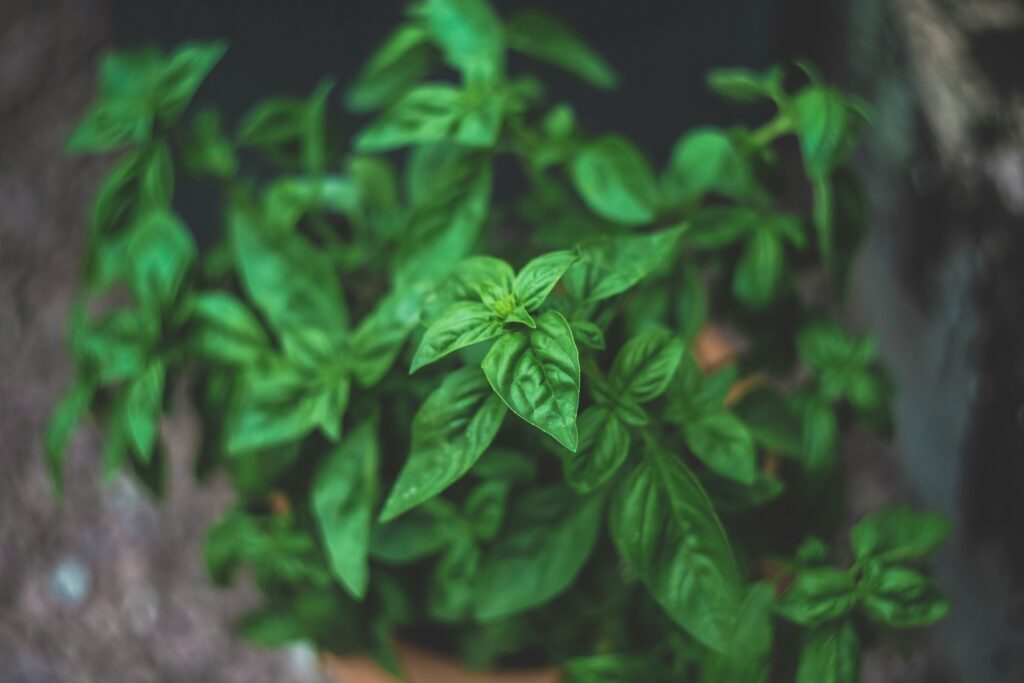
Holy basil has been used in Ayurvedic medicine for centuries. It’s known to reduce anxiety, enhance mood, and protect the brain from oxidative stress.
A study published in the Journal of Ayurveda and Integrative Medicine found that holy basil improved mood and reduced anxiety in participants after just 6 weeks (Bhattacharyya et al., 2014).
How to use: Often consumed as tea, capsules, or tincture.
4. Eleuthero (Siberian Ginseng)
Best for: Mental fatigue and low motivation
Eleuthero helps increase stamina, reduce stress, and improve mood. While not as strong as other adaptogens in calming the mind, it is excellent for increasing resilience and energy during recovery from depressive episodes.
How to use: Available in capsules or liquid extract. Usual dose: 300–400 mg per day.
5. Maca Root
Best for: Hormone-related mood imbalances and low libido
Maca, a Peruvian root, isn’t a traditional adaptogen but has adaptogenic properties. It supports mood by balancing hormones and boosting energy.
A study in Menopause found that maca improved mood and reduced depression in postmenopausal women (Brooks et al., 2008).
How to use: Typically available in powder form and mixed into smoothies or oatmeal.
How to Use Adaptogens Safely
While adaptogenic herbs for depression are natural, they can still interact with medications or cause side effects in some people. Here are some tips:
- Start with one herb at a time.
- Use under the guidance of a healthcare provider, especially if you take antidepressants.
- Be patient. It may take a few weeks to feel noticeable effects.
- Choose high-quality, third-party tested brands.
Combine Adaptogens with Other Healthy Habits
Adaptogens work best when combined with lifestyle changes that support mental health, including:
- Mindfulness and meditation
- Daily movement or exercise
- Nutritious, whole-food diet
- Good sleep hygiene
- Social connection and therapy
These habits help you build a strong foundation for emotional healing.
Real-Life Story: Maria’s Path to Healing with Adaptogens
Maria, a 36-year-old marketing professional, had been feeling emotionally exhausted for months. She dealt with low mood, poor concentration, and trouble sleeping. After speaking with her doctor, she started taking ashwagandha and Rhodiola daily, alongside therapy and regular walks.
Within six weeks, she noticed a shift. “I didn’t feel cured,” she said, “but I felt stronger, calmer, and more like myself.”
Maria’s story highlights how adaptogenic herbs for depression can offer real, meaningful support when part of a holistic recovery plan.
Final Thoughts
Depression is complex, but healing is possible. Whether you’re looking for natural support or trying to enhance an existing treatment plan, adaptogenic herbs for depression offer a gentle yet powerful way to restore balance.
They reduce stress, support mood, and help your body adapt to life’s challenges. From Ashwagandha to Rhodiola, these herbal allies have been used for centuries—and now, modern science is catching up.
Start small, be consistent, and always work with a trusted healthcare provider. Natural healing takes time, but with the right tools, you can move toward brighter days—one step at a time.
References
- Panossian, A., & Wikman, G. (2017). “Effects of Adaptogens on the Central Nervous System.” Current Neuropharmacology.
- Lopresti, A. L., et al. (2019). “Ashwagandha for Stress and Anxiety.” Medicine (Baltimore).
- Darbinyan, V., et al. (2015). “Rhodiola Rosea in Depression.” Phytomedicine.
- Bhattacharyya, D., et al. (2014). “Tulsi in Mental Health.” Journal of Ayurveda and Integrative Medicine.
- Brooks, N. A., et al. (2008). “Maca Improves Mood in Postmenopausal Women.” Menopause.

Jen Sheldon is a seasoned writer with a passion for fitness, health, wellness, and addiction treatment. With years of experience crafting insightful and research-backed content, she helps readers navigate their journey toward better well-being. When she’s not writing, you’ll find her exploring new workout routines or diving into the latest health trends.