Now Reading: Light Therapy for Depression: A Simple Guide to Healing With Light
-
01
Light Therapy for Depression: A Simple Guide to Healing With Light
Depression affects millions of people worldwide and can make daily life feel heavy and exhausting. While therapy and medication help many individuals, some people also look for natural and supportive treatments. Light therapy for depression is one of the most effective and science-backed options available today. This gentle approach uses bright, artificial light to improve mood, increase energy, and reduce depressive symptoms—especially during the darker months.
In this article, you will learn how light therapy for depression works, who benefits from it, how to use it safely, and what the research says about its effectiveness.
What Is Light Therapy for Depression?
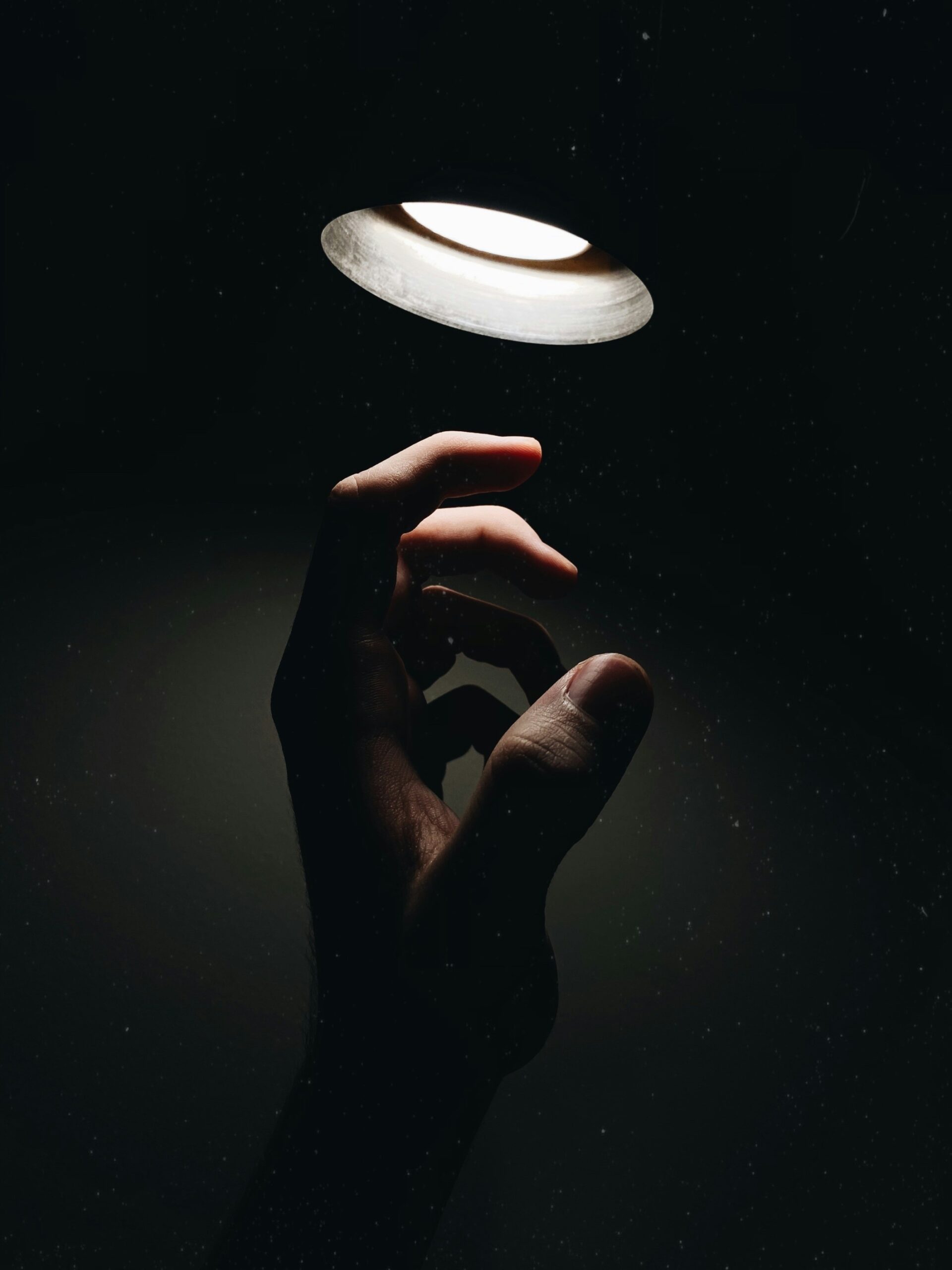
Light therapy for depression uses a special light box that emits bright, white light that mimics natural sunlight. You sit near the light box for a set amount of time each day, usually in the morning. The bright light helps regulate your body’s internal clock, known as the circadian rhythm. When this rhythm is balanced, your mood, sleep, and energy levels improve.
Unlike regular lamps, a therapeutic light box emits 10,000 lux, which is about 20 times brighter than indoor lighting. This intensity is necessary to trigger changes in your brain chemicals, especially serotonin and melatonin, which affect your mood.
Why Light Therapy Helps With Depression
Many people feel more depressed in the fall and winter when sunlight is limited. This condition is known as Seasonal Affective Disorder (SAD). According to the National Institute of Mental Health (NIMH), light therapy improves symptoms for about 70% of people with SAD (NIMH, 2023). Researchers believe that light therapy for depression helps by:
- Increasing serotonin levels
- Improving sleep-wake cycles
- Boosting alertness and daytime energy
- Reducing feelings of sadness and hopelessness
Even people with non-seasonal depression can benefit. A study published in JAMA Psychiatry found that light therapy reduced symptoms in individuals with major depressive disorder, even when used alone or with antidepressants (JAMA Psychiatry, 2020).
Who Can Benefit From Light Therapy?
You may benefit from light therapy for depression if you experience:
- Seasonal Affective Disorder (SAD)
- Major depressive disorder
- Low energy in winter months
- Difficulty waking up in the morning
- Mood dips linked to reduced sunlight
- Irregular sleep patterns
Many people report feeling more awake, focused, and emotionally stable after just a few sessions. Light therapy is also helpful for people who prefer natural treatment options before adjusting medication.
How to Use Light Therapy for Depression
Using light therapy for depression is simple and can easily become part of your morning routine. Here are the recommended steps:
1. Choose the Right Light Box
Look for a light box that offers:
- 10,000 lux brightness
- UV-free light
- Wide surface area
- Adjustable settings
Always choose a product recommended by healthcare professionals to ensure safety.
2. Find the Best Time of Day
Experts suggest using light therapy within the first hour of waking up. Morning exposure helps reset your internal clock and boosts your energy throughout the day.
3. Sit at the Right Distance
Place the light box about 16–24 inches from your face. You don’t need to stare directly at the light—just keep it within your field of vision.
4. Use It Consistently
Most people start with 20–30 minutes daily. Some may need longer sessions based on their doctor’s advice.
5. Track Your Mood Changes
Keep a simple journal to notice improvements in mood, energy, and sleep quality.
Safety Tips When Using Light Therapy
Although light therapy for depression is generally safe, it’s important to follow guidelines.
Speak to a Doctor First
If you have eye conditions, bipolar disorder, or skin sensitivity, consult a doctor before starting.
Watch for Mild Side Effects
Some people experience:
- Eye strain
- Headaches
- Slight irritability
- Trouble sleeping if used too late in the day
These side effects usually fade as your body adjusts.
Avoid UV Exposure
Always use a UV-free light box to protect your skin and eyes.
What Research Says About Light Therapy
The evidence supporting light therapy for depression is strong. Here are some key findings:
- The American Psychiatric Association (APA) recognizes light therapy as an effective first-line treatment for SAD.
- A 2020 study showed that light therapy combined with medication improved symptoms faster than medication alone (JAMA Psychiatry, 2020).
- The NIMH reports that most people notice improvement within one to two weeks (NIMH, 2023).
- Research also shows that light therapy may be just as effective as some antidepressants for seasonal depression (Cleveland Clinic, 2022).
These findings highlight the growing value of light therapy for depression in mental health care.
Benefits of Light Therapy for Depression
People who use light therapy for depression often report:
Improved Mood
Many feel less sadness, irritability, and emotional heaviness.
Better Sleep
A balanced circadian rhythm helps you fall asleep faster and wake up refreshed.
Increased Energy
Light therapy boosts daytime alertness and reduces fatigue.
Natural and Non-Invasive Treatment
No medication is required, and the therapy is easy to use at home.
Helps Create Healthy Routines
The morning ritual of sitting with the light box promotes consistency and mindfulness.
Can Light Therapy Replace Medication?
Light therapy can be powerful, but it may not replace therapy or medication for everyone. Many people use it as part of a combined treatment plan, alongside:
- Cognitive behavioral therapy (CBT)
- Antidepressants
- Exercise
- Mindfulness practices
Always follow your doctor’s guidance to decide the best approach.
Final Thoughts
Light therapy for depression is a proven and practical tool that brings hope, energy, and emotional balance to people struggling with mood changes, especially during darker months. Its simplicity makes it accessible, and its effectiveness is supported by strong clinical research. Whether you face seasonal depression or year-round symptoms, this therapy offers a gentle and natural way to support your emotional well-being.
If you want to feel more awake, stable, and aligned with your daily routine, light therapy for depression may be the bright start your mind needs.

Jen Sheldon is a seasoned writer with a passion for fitness, health, wellness, and addiction treatment. With years of experience crafting insightful and research-backed content, she helps readers navigate their journey toward better well-being. When she’s not writing, you’ll find her exploring new workout routines or diving into the latest health trends.