Now Reading: Coping Strategies for Social Anxiety: Practical Ways to Feel More Confident
-
01
Coping Strategies for Social Anxiety: Practical Ways to Feel More Confident

Social anxiety affects millions of people around the world. According to the Anxiety and Depression Association of America (ADAA), around 15 million adults in the United States live with social anxiety disorder, making it one of the most common anxiety conditions (ADAA, 2024). If you experience intense fear during conversations, meetings, or social gatherings, you are not alone. The good news is that there are many coping strategies for social anxiety that can help you feel calmer, more grounded, and more confident in everyday interactions.

This article explains practical, easy-to-use techniques you can apply right away. These coping strategies for social anxiety are simple, realistic, and designed to support your mental well-being.
Understanding Social Anxiety
Social anxiety goes beyond normal nervousness. It involves a strong fear of judgment, embarrassment, or rejection. People with social anxiety often avoid social situations, worry for days before an event, or feel physical symptoms like sweating, shaking, or a racing heart.
Studies show that social anxiety usually begins in the teenage years and can continue into adulthood if untreated (National Institute of Mental Health, 2023). Learning coping strategies for social anxiety early helps reduce symptoms and improves quality of life.
1. Practice Deep Breathing to Calm Your Body
Deep breathing is one of the most effective coping strategies for social anxiety because it directly reduces your body’s stress response. When you feel anxious, your breathing becomes shallow. Slow, deep breaths help your brain feel safe again.
How to try it:
- Inhale slowly for four seconds
- Hold for two seconds
- Exhale for six seconds
- Repeat for 1–2 minutes
This simple exercise signals your nervous system to relax. You can practice it before a meeting, social gathering, or even a phone call.
2. Challenge Negative Thoughts Gently
People with social anxiety often experience negative thoughts such as:
- “Everyone will judge me.”
- “I will embarrass myself.”
- “I sound awkward.”
One of the most helpful coping strategies for social anxiety is learning to challenge these thoughts. You do not have to force positive thinking. Instead, try replacing harsh thoughts with balanced ones.
Try this approach:
- Identify the fear: What exactly are you worried about?
- Question it: Is this fear based on evidence or just emotion?
- Create a balanced thought: “I may feel nervous, but I can still handle the situation.”
Over time, these balanced thoughts reduce the intensity of your anxiety.
3. Use Gradual Exposure to Build Confidence
Avoiding social situations may feel safe, but it strengthens anxiety in the long run. Gradual exposure is one of the most researched and effective coping strategies for social anxiety. It helps you slowly face situations that make you nervous, starting with the easiest ones.
Example exposure steps:
- Make eye contact with a cashier
- Say “hello” to a coworker
- Ask someone a simple question
- Attend a small group event
- Join a larger gathering
Each step builds confidence and reduces fear. A study published in Behaviour Research and Therapy found that exposure therapy leads to long-term improvement for most people with social anxiety (Hofmann & Smits, 2021).
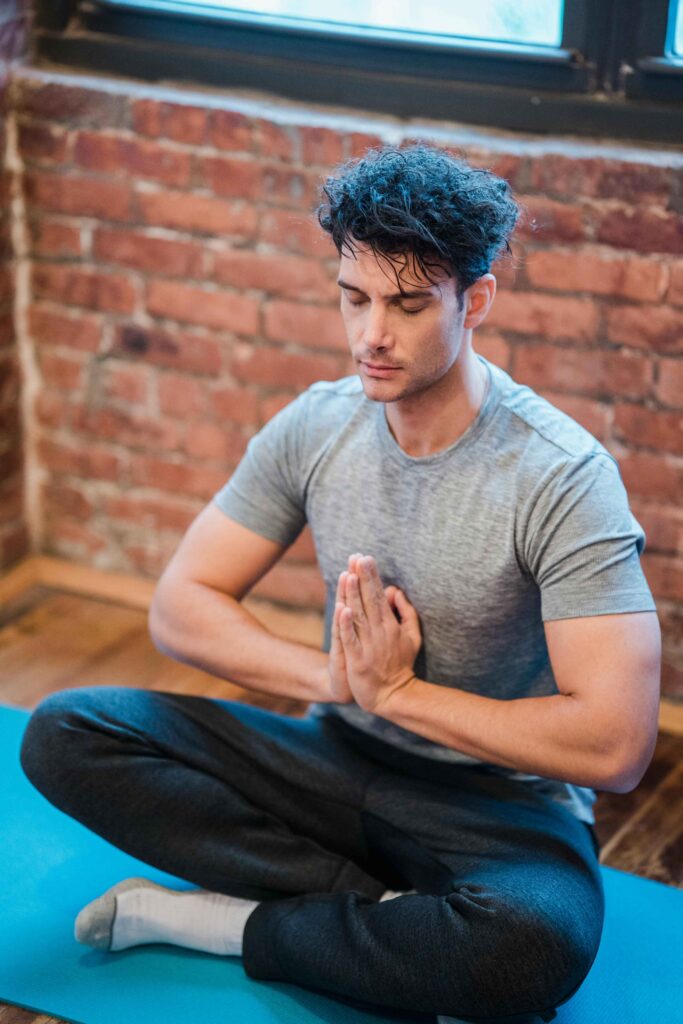
4. Practice Mindfulness to Stay Present
Social anxiety pulls your mind into the future—worrying about what might go wrong. Mindfulness brings you back to the present moment. This makes mindfulness an excellent addition to your coping strategies for social anxiety.
Simple mindfulness techniques:
- Focus on your breath
- Notice sounds around you
- Feel the sensation of your feet on the ground
- Observe thoughts without judging them
A 2022 study in the Journal of Anxiety Disorders showed that mindfulness meditation reduces social anxiety symptoms by improving emotion regulation.
5. Prepare for Social Situations Ahead of Time
Preparation lowers anxiety and boosts confidence. Many people find it helpful to practice what to say or plan a few conversation starters. Being prepared creates a sense of control, which makes social interactions easier.
Here’s what preparation can look like:
- Practice introducing yourself
- Plan safe topics (hobbies, family, travel)
- Prepare a polite exit line if you feel overwhelmed
- Visualize the event going well
These steps are simple yet powerful coping strategies for social anxiety, especially in work or networking situations.
6. Build a Support System
Social anxiety often improves when you feel supported. Talking to trusted friends or family members can help you feel understood and less alone. Sometimes sharing your fears with someone you trust reduces anxiety instantly.
How support helps:
- You gain encouragement
- You feel less isolated
- You learn new perspectives
- You build confidence in social interactions
Support does not have to be big or complicated. Even a quick message to a friend before a stressful event can help.
7. Consider Professional Help When Needed
If your symptoms interfere with your daily life, seeking help from a therapist is one of the strongest coping strategies for social anxiety. Cognitive Behavioral Therapy (CBT) is considered the gold-standard treatment. It teaches skills to change unhelpful thoughts and behaviors.
According to the American Psychological Association, CBT helps 75% of people reduce their social anxiety symptoms significantly.
Therapists may also recommend group therapy or medication depending on your needs. Reaching out for help is a sign of strength, not weakness.
8. Take Care of Your Body
Your physical health influences your mental health. Studies show that lifestyle changes can reduce anxiety symptoms by improving sleep, energy levels, and brain function.
Try these habits:
- Regular exercise
- Balanced meals
- Adequate sleep
- Limited caffeine and alcohol
Exercise alone can reduce anxiety symptoms by 30%, according to a 2021 study in the Frontiers in Psychology journal.
Final Thoughts: You Are Not Alone
Living with social anxiety can feel overwhelming, but you have many tools to help you. These coping strategies for social anxiety—deep breathing, mindful thinking, gradual exposure, support systems, and healthy habits—can make everyday interactions less stressful and more enjoyable. You deserve to feel confident, calm, and connected.
Start with one small step today. With practice, patience, and support, you can build a life where fear no longer controls your social experiences.

Jen Sheldon is a seasoned writer with a passion for fitness, health, wellness, and addiction treatment. With years of experience crafting insightful and research-backed content, she helps readers navigate their journey toward better well-being. When she’s not writing, you’ll find her exploring new workout routines or diving into the latest health trends.