Now Reading: Social Anxiety Coping Techniques: Practical Ways to Feel Confident Again
-
01
Social Anxiety Coping Techniques: Practical Ways to Feel Confident Again
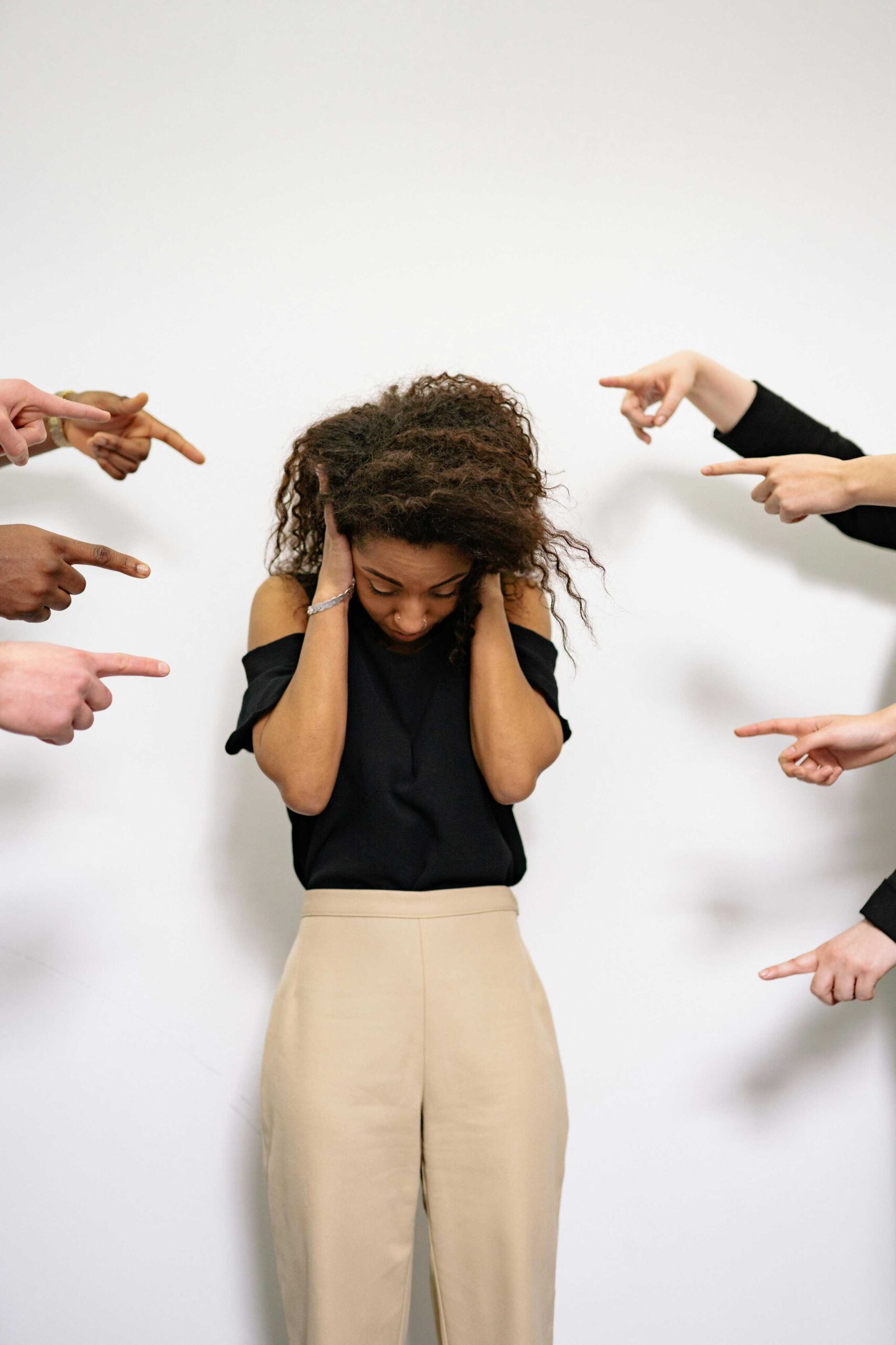
Social anxiety affects millions of people around the world. In fact, researchers estimate that around 7% of adults in the United States live with social anxiety disorder (National Institute of Mental Health, 2023). While the symptoms can feel overwhelming, the good news is that many effective social anxiety coping techniques can help you regain confidence and improve your daily life.

In this article, you will learn simple, science-backed methods to manage social anxiety, reduce stress, and navigate social situations with more comfort and clarity.
Understanding Social Anxiety
Social anxiety is more than shyness. It is a mental health condition that causes intense fear during social interactions. People often worry about being judged, embarrassed, or rejected. This fear can make everyday tasks—like talking to coworkers, making phone calls, or meeting new people—feel exhausting.
Common symptoms include:
- Rapid heartbeat
- Sweating or trembling
- Racing thoughts
- Fear of being watched
- Avoiding social situations
Learning and practicing the right social anxiety coping techniques can help you break these patterns and improve your emotional well-being.
Why Coping Techniques Matter
When you use consistent coping techniques, you retrain your brain to feel safer in social situations. Research shows that skills-based approaches, like cognitive-behavioral techniques, can reduce social anxiety symptoms by up to 60% (American Psychological Association, 2022). Practicing these tools regularly helps you build resilience and reduce long-term stress.
Effective Social Anxiety Coping Techniques
Below are the most effective social anxiety coping techniques you can practice daily. These methods support emotional balance, improve confidence, and help you handle social situations more easily.
1. Practice Deep Breathing to Calm Your Mind
Deep breathing is one of the easiest and fastest ways to manage anxiety. It signals your nervous system to relax. When you feel overwhelmed, try this simple technique:
Box Breathing
- Inhale for 4 seconds
- Hold for 4 seconds
- Exhale for 4 seconds
- Hold again for 4 seconds
Repeat for a minute or two. This technique makes your body feel calm, which helps reduce anxiety in social situations.
2. Challenge Negative Thoughts
Many people with social anxiety experience negative thoughts like “They will judge me” or “I will embarrass myself.” These thoughts are often assumptions, not facts.
How to Challenge Them
- Write down the negative thought.
- Ask yourself: “Is this 100% true?”
- Replace it with a balanced thought.
For example, change “Everyone will laugh at me” to “Most people are focused on themselves.”
This method is a core part of social anxiety coping techniques and is widely used in therapy.
3. Start Small With Exposure
Exposure means slowly facing situations that make you anxious. You don’t have to do everything at once.
A Simple Exposure Ladder
- Make eye contact with a cashier
- Say “hello” to a coworker
- Join a small group meeting
- Attend a social event for 30 minutes
Exposure helps your brain learn that social situations are not dangerous. Studies show gradual exposure can significantly reduce anxiety over time.
4. Build Social Skills Through Practice
Sometimes social anxiety grows when you lack confidence in communication skills. Practicing small social interactions can help you improve.
Try These:
- Ask a family member how their day was
- Compliment a friend
- Practice small talk at work
- Join a hobby group
These small steps strengthen your ability to communicate and make social interactions feel more natural.
5. Use Grounding Techniques During High Anxiety
Grounding techniques help you stay connected to the present moment instead of getting lost in fear or overthinking.
The 5-4-3-2-1 Method
- Name 5 things you can see
- Name 4 things you can touch
- Name 3 things you can hear
- Name 2 things you can smell
- Name 1 thing you can taste
This method interrupts anxious thoughts and brings your attention back to reality.
6. Improve Your Lifestyle Habits
Lifestyle changes are powerful social anxiety coping techniques that support long-term mental health.
Key Habits to Build
- Exercise regularly: Even a 20-minute walk can reduce anxiety levels.
- Sleep well: Aim for 7–9 hours each night.
- Eat balanced meals: Foods rich in omega-3, magnesium, and vitamins support brain health.
- Limit caffeine: High caffeine can worsen anxiety symptoms.
Research shows that regular physical activity can reduce anxiety symptoms by 20–30% (Anxiety & Depression Association of America, 2023).
7. Try Journaling to Track Your Anxiety Patterns
Journaling helps you understand your triggers and emotions. Write down:
- What happened
- How you felt
- What thoughts came up
- What coping technique you used
Over time, you will see patterns and understand which social anxiety coping techniques work best for you.
8. Seek Professional Support When Needed
If your anxiety deeply affects your daily life, working with a therapist can make a big difference. Therapies like CBT, exposure therapy, and mindfulness-based therapy are highly effective.
Support groups also help you meet others who understand your struggles and provide a safe space to practice social interactions.
Final Thoughts
Social anxiety can feel overwhelming, but you are not alone. Many people face similar challenges, and there are effective social anxiety coping techniques that can help you manage discomfort and build confidence. By practicing deep breathing, challenging negative thoughts, improving social skills, and making lifestyle changes, you can move toward a calmer, more connected life.
Remember: progress takes time, but every small step counts. Start with one or two techniques and build from there. With consistent effort, you can learn to navigate social situations with more ease and self-trust.

Jen Sheldon is a seasoned writer with a passion for fitness, health, wellness, and addiction treatment. With years of experience crafting insightful and research-backed content, she helps readers navigate their journey toward better well-being. When she’s not writing, you’ll find her exploring new workout routines or diving into the latest health trends.