Now Reading: Effects of Poor Sleep on Mental Health
-
01
Effects of Poor Sleep on Mental Health
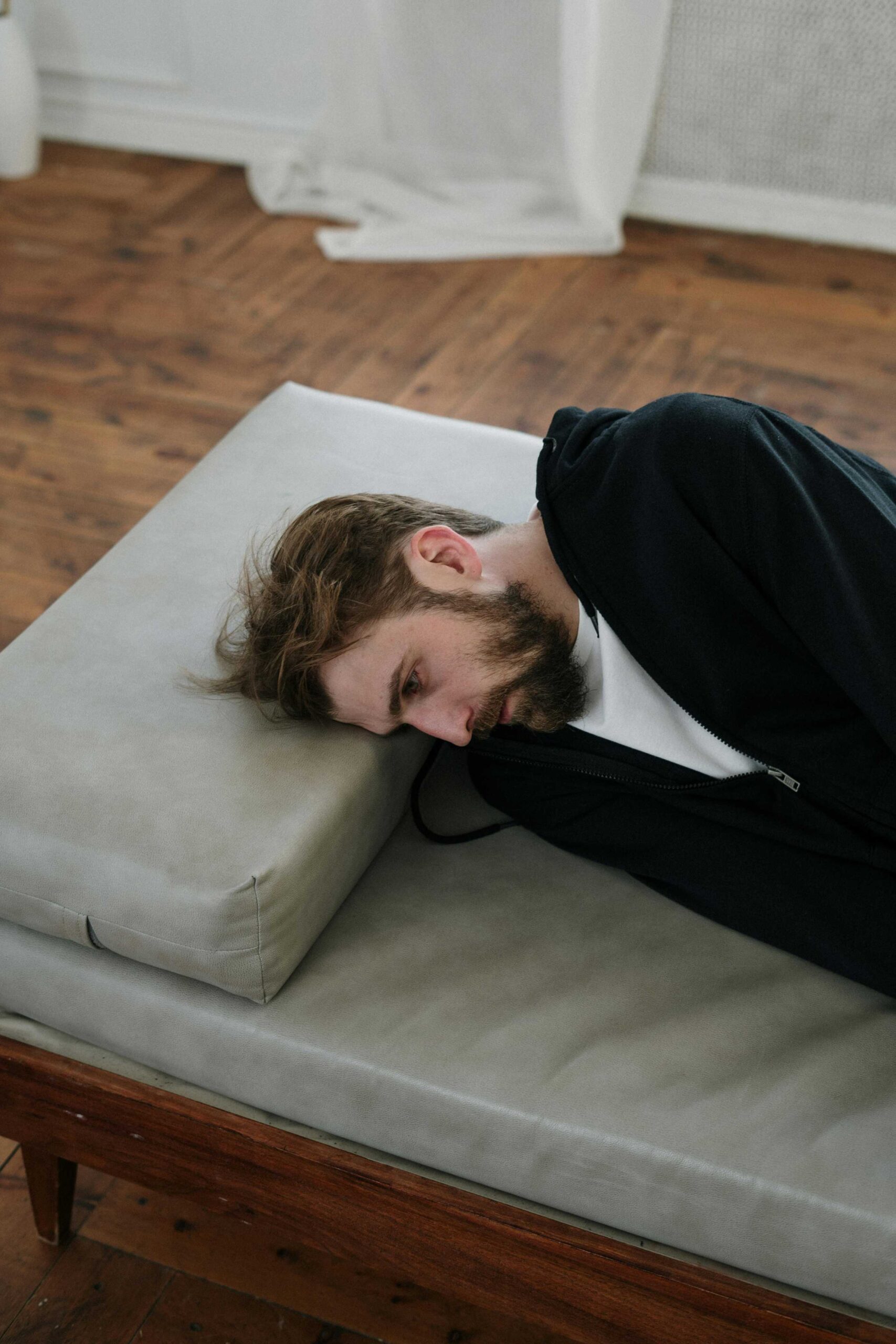
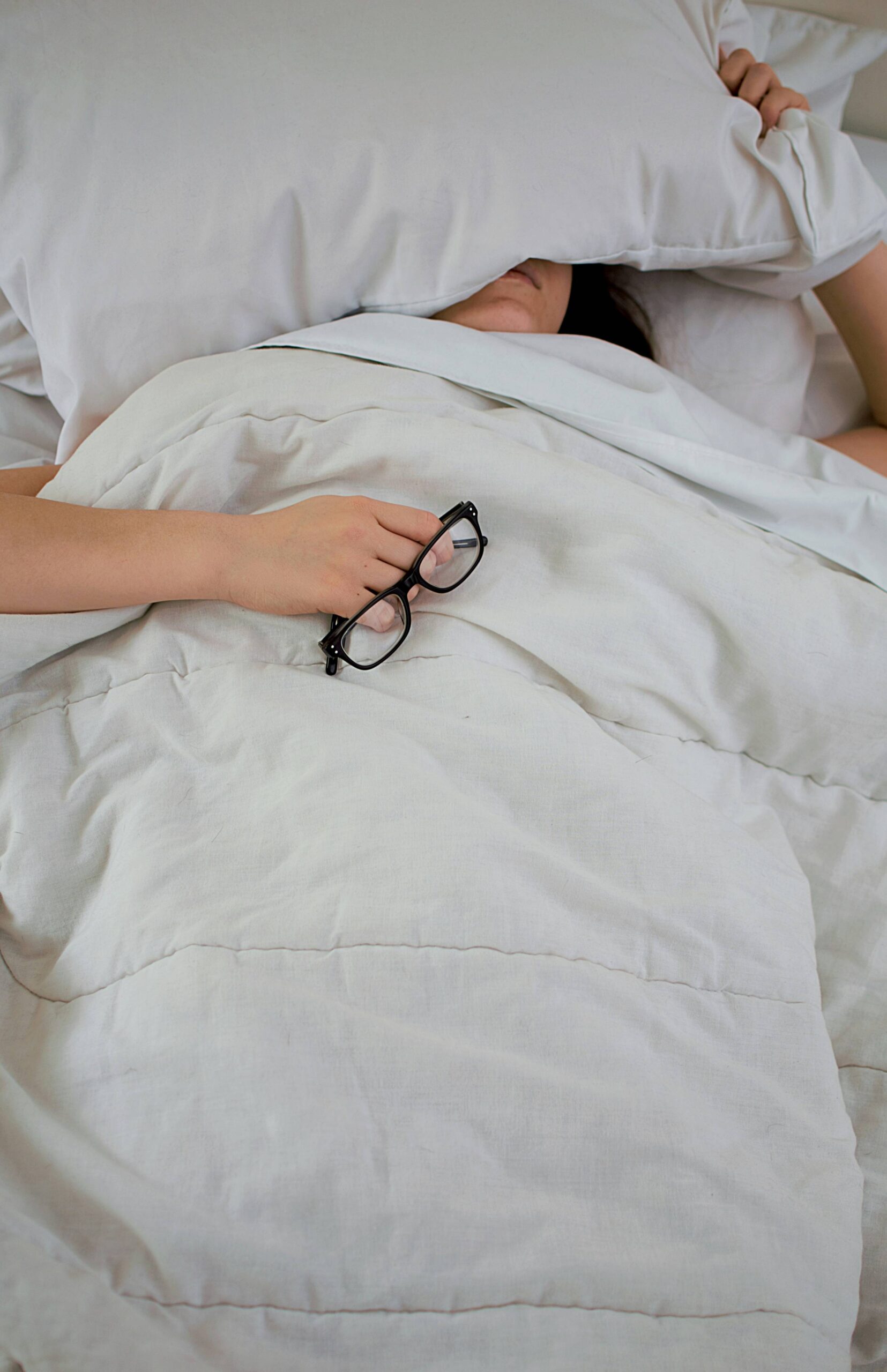
Sleep is one of the most important pillars of overall well-being, yet millions of people do not get enough of it. Research shows that around 35% of adults worldwide struggle with poor sleep quality, and nearly one in three people do not achieve the recommended 7–9 hours of sleep per night (CDC, 2023). The effects of poor sleep on mental health are significant, and they can impact emotional balance, cognitive functioning, and long-term mental wellness.

In this article, you will learn how lack of sleep affects your mind, mood, and overall psychological health. You will also discover simple habits that can improve your sleep and protect your mental well-being.
Why Sleep Matters for Brain and Emotional Health
Sleep is not just a period of rest. Your brain uses this time to repair itself, regulate hormones, and process emotions. When sleep is disrupted, the effects of poor sleep on mental health become visible within days.
Studies published by the National Institutes of Health (NIH) show that people who sleep less than six hours per night are 50% more likely to develop mental health concerns, including anxiety and depression. This happens because sleep plays a major role in balancing neurotransmitters like serotonin, dopamine, and cortisol.
1. Poor Sleep Increases the Risk of Anxiety
One of the strongest effects of poor sleep on mental health is heightened anxiety. When you lack sleep:
- Your brain’s fear center, the amygdala, becomes 60% more reactive (University of California, Berkeley Research).
- Small problems feel bigger.
- Stress levels rise.
- Worry becomes harder to control.
A single night of sleep deprivation can make the brain behave as if it is under threat. Over time, this constant state of hyperarousal increases the risk of chronic anxiety disorders.
2. Poor Sleep and Depression Are Strongly Connected
The effects of poor sleep on mental health are especially powerful when it comes to depression. According to the World Health Organization (WHO), over 280 million people worldwide live with depression, and sleep problems are one of the strongest predictors.
Research reveals:
- 75% of people with depression struggle with insomnia.
- People with chronic insomnia are 10 times more likely to develop major depressive disorder.
Sleep disruptions interfere with mood regulation, emotional stability, and energy levels, all of which fuel depressive symptoms.
3. Poor Sleep Weakens Emotional Control
Another common effect of poor sleep on mental health is emotional instability. When you do not sleep enough, the prefrontal cortex—the part of the brain responsible for decision-making—cannot communicate effectively with the emotional center.
As a result, people may:
- Feel easily irritated
- Experience mood swings
- React emotionally instead of logically
- Struggle with patience
A study in the journal Sleep found that sleep-deprived individuals have 30–40% less emotional control compared to those who sleep well.
4. Poor Sleep Reduces Cognitive Performance
The effects of poor sleep on mental health also influence the way we think and process information. After a night of poor sleep, cognitive functions such as:
- Memory
- Attention
- Learning
- Problem-solving
all decline significantly. The American Psychological Association reports that sleep deprivation can reduce cognitive performance by up to 40%. For students and working professionals, this means slower thinking, reduced creativity, and more mistakes.
5. Poor Sleep Increases the Risk of Long-Term Mental Health Disorders
Chronic sleep problems do not just affect your daily mood—they can shape long-term mental health outcomes. Over months or years, the effects of poor sleep on mental health can lead to:
- Chronic anxiety disorders
- Persistent depressive episodes
- Burnout
- Post-traumatic stress disorder (PTSD) symptoms
- Increased risk of substance use
Sleep is the body’s natural recovery system. When it is consistently interrupted, the brain struggles to heal, cope, and maintain balance.
6. Poor Sleep Affects Children and Teen Mental Health
Young people are especially vulnerable to the effects of poor sleep on mental health. Studies show that 70% of teenagers do not get enough sleep, often due to school pressure, screen time, or irregular routines.
Common consequences include:
- Irritability
- Difficulty concentrating in school
- Increased risk of depression
- Social withdrawal
- Impulsive behavior
For children, inadequate sleep can also affect emotional development and learning abilities.
7. The Cycle: How Poor Sleep and Mental Health Affect Each Other
The relationship between sleep and mental health is not one-directional. Poor sleep can worsen mental health, and mental health issues can make sleep even harder—creating a damaging cycle.
For example:
- Anxiety makes it difficult to fall asleep.
- Lack of sleep increases anxiety the next day.
- Depression causes early waking or oversleeping.
- Irregular sleep worsens depressive symptoms.
Understanding this cycle is the first step to breaking it.
How to Improve Sleep and Protect Mental Health
Since the effects of poor sleep on mental health are powerful, improving your sleep can significantly enhance emotional and psychological well-being. Here are simple habits that help:
1. Create a Sleep Schedule
Go to bed and wake up at the same time daily—even on weekends.
2. Limit Screen Time Before Bed
Blue light reduces melatonin by up to 50%, making sleep harder.
3. Build a Relaxing Night Routine
Try reading, deep breathing, or light stretching.
4. Keep Your Bedroom Cool and Dark
Ideal sleep temperature: 18–20°C.
5. Avoid Caffeine Late in the Day
Caffeine can stay in your system for 6–8 hours.
6. Seek Professional Help When Needed
If poor sleep continues for more than three months, a sleep specialist or mental health professional can help diagnose underlying issues.
Final Thoughts
The effects of poor sleep on mental health are real, powerful, and often underestimated. From anxiety and depression to emotional instability and cognitive decline, lack of sleep can impact every part of life. The good news is that improving sleep habits can significantly strengthen mental well-being.
By prioritizing rest, maintaining healthy routines, and recognizing when to seek help, you can protect your mental health and create a healthier, more balanced life.

Jen Sheldon is a seasoned writer with a passion for fitness, health, wellness, and addiction treatment. With years of experience crafting insightful and research-backed content, she helps readers navigate their journey toward better well-being. When she’s not writing, you’ll find her exploring new workout routines or diving into the latest health trends.