Now Reading: Breathing Exercises for Stress Relief: Simple Techniques That Calm Your Mind and Body
-
01
Breathing Exercises for Stress Relief: Simple Techniques That Calm Your Mind and Body
Breathing Exercises for Stress Relief: Simple Techniques That Calm Your Mind and Body
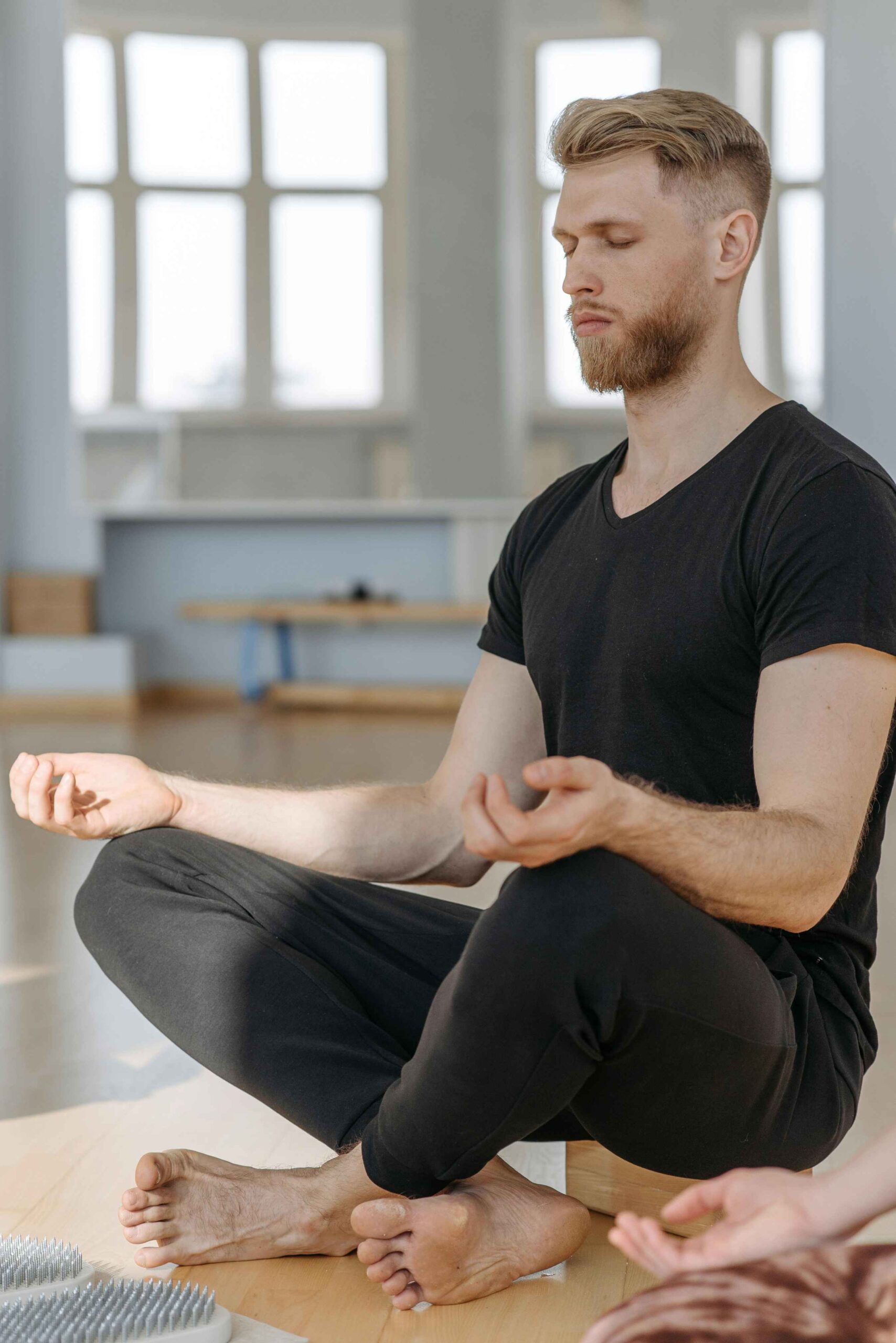
Stress is part of modern life. Deadlines, family responsibilities, financial pressure, and constant notifications keep our nervous system on high alert. Over time, this ongoing stress can affect your mental health, sleep, focus, and even physical well-being. One of the most effective and accessible tools to manage stress is breathing exercises for stress relief.
Breathing is something you do every moment of your life, yet most people never learn how to use it intentionally. When practiced correctly, breathing exercises for stress relief can calm your mind, relax your body, and help you regain emotional balance—often within minutes.
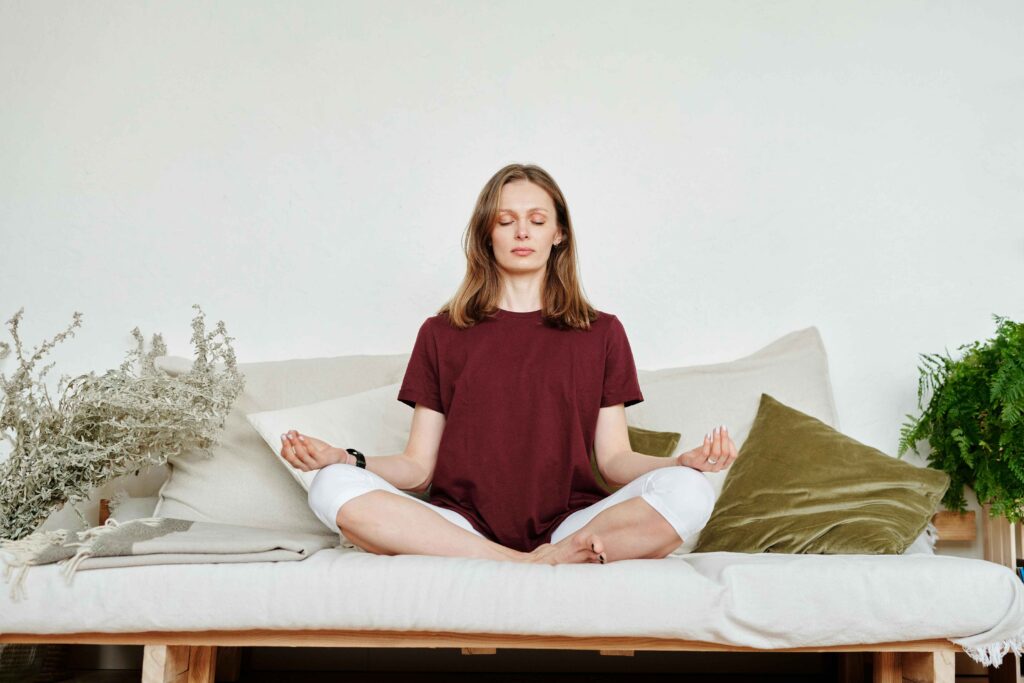
In this article, you will learn how breathing affects stress, why it works, and how to practice proven breathing exercises for stress relief in a simple, practical way.
How Stress Affects Your Body and Mind
When you feel stressed, your body activates the fight-or-flight response. Your heart rate increases, muscles tighten, and breathing becomes shallow and fast. This response is useful during real danger, but harmful when triggered constantly.
According to the American Psychological Association (APA), chronic stress is linked to anxiety disorders, depression, heart disease, and weakened immune function (APA, 2023). Another report from the World Health Organization (WHO) shows that stress-related conditions are a leading contributor to mental health issues worldwide (WHO, 2022).
Breathing exercises for stress relief work by switching your body from fight-or-flight mode to rest-and-digest mode, also known as the parasympathetic nervous system.
Why Breathing Exercises for Stress Relief Work
Breathing exercises for stress relief work because they directly influence your nervous system. Slow, deep breathing sends a signal to your brain that you are safe. This lowers cortisol levels, reduces heart rate, and relaxes tense muscles.
A study published in Frontiers in Psychology found that slow breathing techniques significantly reduced stress and anxiety levels while improving emotional regulation (Zaccaro et al., 2018).
The best part is that breathing exercises for stress relief are:
- Free
- Easy to learn
- Safe for most people
- Effective within minutes
Benefits of Breathing Exercises for Stress Relief
Regular practice of breathing exercises for stress relief offers both short-term and long-term benefits.
Key benefits include:
- Reduced anxiety and tension
- Improved focus and clarity
- Better sleep quality
- Lower blood pressure
- Enhanced emotional control
Research from Harvard Medical School reports that mindful breathing can reduce stress-related symptoms by up to 40% when practiced consistently (Harvard Health Publishing, 2021).
Best Breathing Exercises for Stress Relief
Below are some of the most effective breathing exercises for stress relief. Each one is simple and suitable for beginners.
1. Deep Belly Breathing
Deep belly breathing is one of the most basic and powerful breathing exercises for stress relief.
How to practice:
- Sit or lie down comfortably
- Place one hand on your chest and the other on your belly
- Inhale slowly through your nose for 4 seconds
- Feel your belly rise
- Exhale through your mouth for 6 seconds
- Repeat for 5–10 minutes
This technique helps slow your breathing and reduces physical tension.
2. Box Breathing
Box breathing is widely used by athletes, therapists, and even military professionals. It is one of the most structured breathing exercises for stress relief.
How to practice:
- Inhale through your nose for 4 seconds
- Hold your breath for 4 seconds
- Exhale through your mouth for 4 seconds
- Hold again for 4 seconds
- Repeat for 4–6 cycles
Box breathing improves focus while calming your nervous system.
3. 4-7-8 Breathing Technique
The 4-7-8 method is a popular breathing exercise for stress relief and sleep support.
How to practice:
- Inhale through your nose for 4 seconds
- Hold your breath for 7 seconds
- Exhale slowly through your mouth for 8 seconds
- Repeat 4 times
According to sleep researchers, this technique helps reduce anxiety and promotes relaxation before bedtime.
4. Alternate Nostril Breathing
This traditional breathing technique comes from yoga and is highly effective for emotional balance.
How to practice:
- Sit upright and relax your shoulders
- Close your right nostril with your thumb
- Inhale through your left nostril
- Close your left nostril and exhale through the right
- Switch sides and repeat
Alternate nostril breathing is one of the most calming breathing exercises for stress relief, especially during emotional overwhelm.
5. Resonant Breathing
Resonant breathing focuses on breathing at a steady rhythm, usually about 5–6 breaths per minute.
How to practice:
- Inhale for 5 seconds
- Exhale for 5 seconds
- Continue for 10 minutes
Studies show this type of breathing exercises for stress relief improves heart rate variability, a key marker of emotional resilience (Lehrer et al., 2020).
How Often Should You Practice Breathing Exercises for Stress Relief?
Consistency matters more than duration. Even 5 minutes a day can make a difference.
Best times to practice:
- In the morning to start your day calmly
- During work breaks
- Before stressful conversations
- Before bedtime
Experts recommend practicing breathing exercises for stress relief daily for best results.
Common Mistakes to Avoid
While breathing exercises for stress relief are simple, people often make small mistakes.
Avoid these:
- Breathing too fast
- Forcing your breath
- Tensing your shoulders
- Expecting instant perfection
Focus on slow, gentle breathing and progress naturally.
Who Can Benefit from Breathing Exercises for Stress Relief?
Almost everyone can benefit from breathing exercises for stress relief, including:
- People with anxiety or chronic stress
- Individuals in recovery
- Busy parents and professionals
- Students and caregivers
However, if you have a respiratory or cardiac condition, consult a healthcare professional before starting any new breathing practice.
Final Thoughts
Stress does not have to control your life. With regular practice, breathing exercises for stress relief can help you feel calmer, more focused, and emotionally balanced. These techniques are simple, science-backed, and accessible anytime you need them.
By making breathing exercises for stress relief part of your daily routine, you give your nervous system a chance to reset. Over time, this small habit can lead to lasting improvements in your mental health and overall well-being.
If you are looking for a natural, effective way to manage stress, start with your breath—it is always with you.

Jen Sheldon is a seasoned writer with a passion for fitness, health, wellness, and addiction treatment. With years of experience crafting insightful and research-backed content, she helps readers navigate their journey toward better well-being. When she’s not writing, you’ll find her exploring new workout routines or diving into the latest health trends.