Now Reading: Benefits of Hiking in the Rain: A Refreshing Path to Wellness
-
01
Benefits of Hiking in the Rain: A Refreshing Path to Wellness
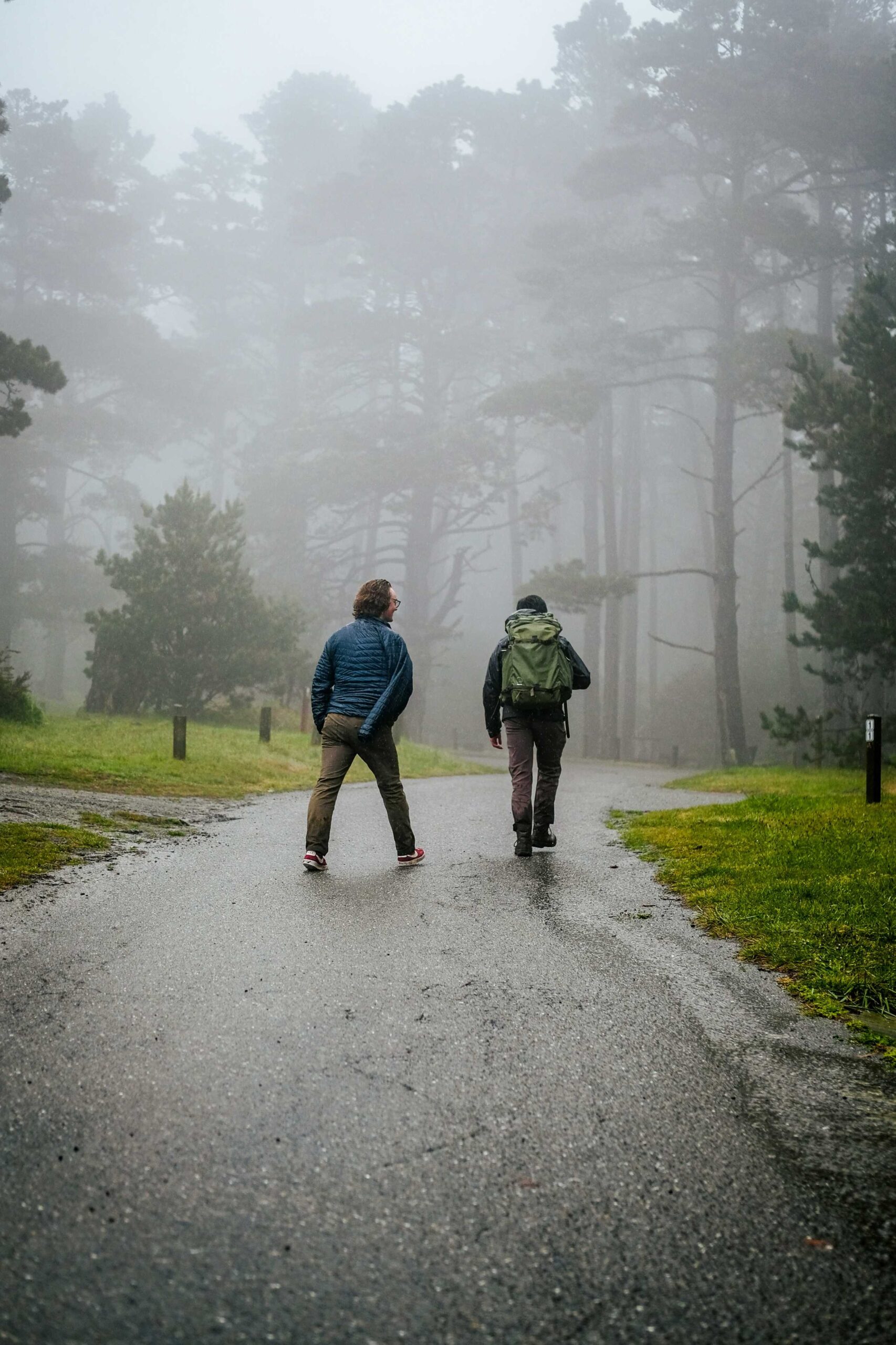
Instead of postponing outdoor plans for rain, consider that hiking in wet weather specifically restores wellness. The unique atmosphere helps you feel more present and grounded, inviting a different path to well-being.
Beyond being just physical activity, hiking in the rain offers meaningful benefits for well-being. In addition to offering exercise, it can lower stress, lift your mood, and help you build mental strength. For those dealing with anxiety, burnout, or persistent fatigue, stepping onto a rainy trail may be exactly what is needed to feel better.
Why Hiking in the Rain Feels Different
Rain transforms a hike. With fewer people on the trails, sounds soften, and your attention turns inward. You slow down, become more mindful, and notice each step and breath, making it easy to stay present.
Nature encourages mindful movement, which lowers stress hormones and improves emotional regulation. Rainy hikes naturally create these conditions for your well-being.
Top Benefits of Hiking in the Rain
Rain brings extra benefits for your physical health, emotional well-being, and senses, such as better mood, lower stress, and heightened awareness, which you might not get on sunny hikes.
Boosts Mood and Reduces Stress
Spending time in nature lowers cortisol, the body’s main stress hormone. A study published in Frontiers in Psychology found that exposure to nature significantly reduces stress and improves mood within minutes (https://www.frontiersin.org).
Rain makes this effect even stronger by adding calming sights and sounds. The steady sound of rain helps your body relax, so feeling better is one of the biggest benefits of hiking in the rain.
Encourages Mindfulness and Presence
Rain grabs your attention. The wet ground, changing light, and gentle sounds draw you into the present. This kind of focus is similar to mindfulness techniques used in therapy.
Mindfulness-based approaches are proven to reduce anxiety and depression symptoms, according to the American Psychological Association (https://www.apa.org). Hiking in the rain offers a natural way to practice presence without formal meditation.
Improves Mental Resilience
When you choose to hike in the rain, you become more flexible in how you handle challenges. You deal with a little discomfort and realize you can handle it. This skill helps you stay strong emotionally in everyday life.
Studies show that moderate exposure to controlled challenges strengthens coping ability and stress tolerance (https://www.ncbi.nlm.nih.gov). One of the overlooked benefits of hiking in the rain is learning to stay calm in imperfect conditions.
You Breathe Cleaner, Fresher Air
Rain cleans the air by washing away dust, pollen, and pollutants. Research from the Environmental Protection Agency confirms that air quality often improves after rainfall (https://www.epa.gov).
If you’re sensitive to pollution or seasonal allergies, you might find it easier to breathe after rain. Cleaner air is a real physical benefit of hiking in the rain, helping your lungs feel more comfortable and relaxed.
Relaxes the Mind Through Soothing Sounds
The sound of rain acts like white noise. It reduces mental chatter and lowers heart rate. A study in Scientific Reports found that natural sounds, including rain, decrease stress responses in the brain (https://www.nature.com).
This calming sound is one reason why so many people feel deeply relaxed after hiking in the rain.
Strengthens the Immune System
Regular exposure to outdoor environments supports immune balance. Research in Environmental Health and Preventive Medicine links time in nature with improved immune markers (https://www.ncbi.nlm.nih.gov).
You still get these benefits from rainy hikes, especially when you’re moving at a steady pace. Over time, this can help you become more resilient and feel healthier overall.
Heightens Sensory Awareness
Rain sharpens the senses. Colors deepen, forest scents intensify, and textures feel richer. This sensory engagement supports emotional grounding and reduces rumination.
The phenomenon known as petrichor, the earthy smell after rain, is linked to mood-lifting effects (https://www.sciencedirect.com). Sensory richness is one of the most enjoyable benefits of hiking in the rain.
Fewer Crowds and More Solitude
Rain often means fewer people are outside, so trails are quieter and more open. If you struggle with anxiety or feel overwhelmed by crowds, this peaceful setting can feel much safer and calmer.
Solitude in nature supports reflection and emotional processing, especially during stressful life periods.
The Forest Comes Alive in the Rain
Rain changes the way the landscape looks and feels. Moss looks brighter, leaves shine, and the ground smells richer. Forests seem more alive, helping you feel more connected to nature.
Nature connectedness is associated with better mental health outcomes, according to research in the Journal of Environmental Psychology (https://www.sciencedirect.com).
Wildlife Is More Active During Rain
Light rain often encourages wildlife movement. Birds forage, amphibians emerge, and insects become active. Mindfully observing wildlife supports curiosity and presence.
Always maintain a respectful distance and avoid disturbing animals during rainy hikes.
Physical Health Benefits of Hiking in Wet Weather
Hiking in the rain is still good for your heart. Walking on wet, uneven ground works your stabilizing muscles and helps you improve your balance.
Cooler temperatures during rain also help prevent overheating. This makes hiking more comfortable, especially if you’re sensitive to heat—another plus of hiking in the rain.
Tips for Hiking in the Rain Safely
Getting ready ahead of time helps you stay comfortable and safe.
Check Weather Conditions
Stay away from storms with lightning or the risk of flash floods. It’s safest to hike in light to moderate rain.
Use Trekking Poles
Trekking poles help you keep your balance on slippery ground and take some pressure off your joints.
Crossing Streams and Creeks
Water levels rise quickly during rain. Turn back if crossings feel unsafe.
Staying Warm and Dry
Wear moisture-wicking layers and change out of wet clothes quickly after your hike.
Gear for Hiking in the Rain
Being comfortable makes your hike more enjoyable and keeps you safer.
Choosing the Right Rain Jacket
Choose a rain jacket made from waterproof and breathable material. Good ventilation will help you avoid getting too hot.
Waterproof Hiking Boots and Footwear
Shoes with good grip and dry feet help prevent slipping. Wool socks are great for keeping your feet at a comfortable temperature.
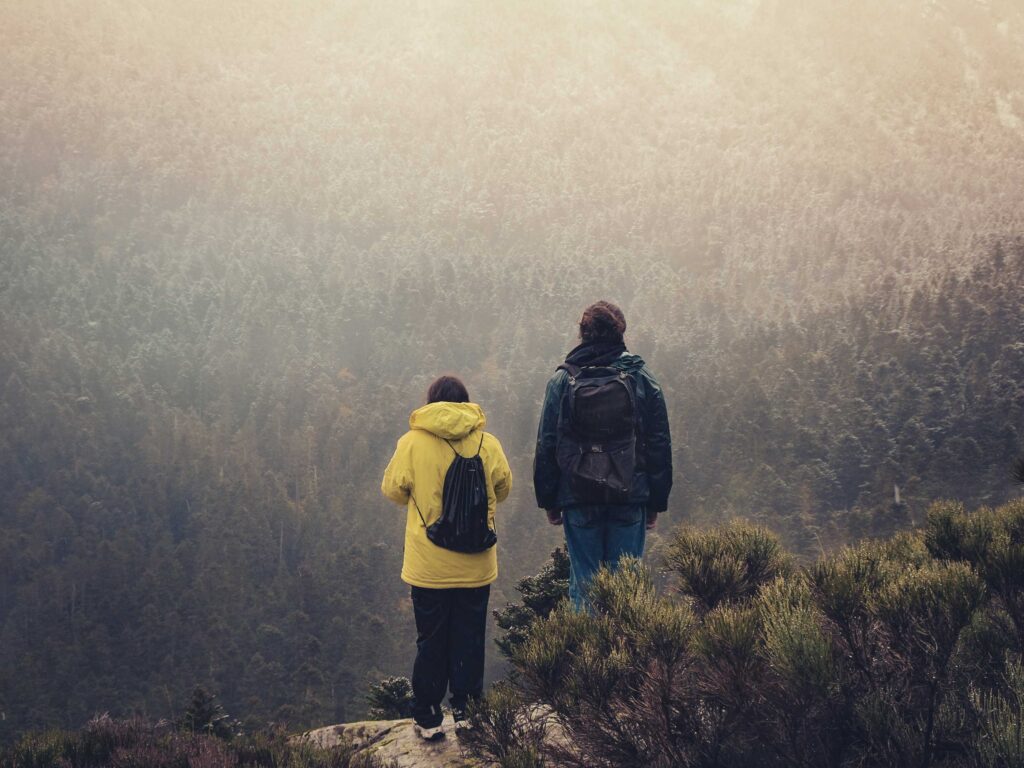
Additional Rain Gear Essentials
Bringing a pack cover, a hat, and quick-drying clothes can make hiking in the rain much more enjoyable.
Mindset: Embracing the Rainy Hike
Shift expectations. Rain does not ruin the hike; it reshapes it. Let go of perfection and focus on experience.
A flexible mindset enhances many benefits of hiking in the rain, especially emotional growth.
Post-Hike Care
Change into dry clothes promptly. Warm up with gentle stretching or a warm drink. Reflect on how the experience felt emotionally and physically.
Trusted Video Resource
The National Park Service (NPS) shares outdoor safety and hiking tips, including wet-weather guidance:
Conclusion
Hiking in the rain offers unique wellness benefits beyond physical exercise. With intention and planning, it is a powerful way to relieve stress, grow resilience, and stay mindful. Approaching rainy days as opportunities turns the outdoors into a path to greater mental and physical health.
Sometimes, the most healing journeys happen when you step outside, even if the weather isn’t perfect.
References
- Frontiers in Psychology – Nature exposure and stress
https://www.frontiersin.org - American Psychological Association – Mindfulness and mental health
https://www.apa.org - Environmental Protection Agency – Air quality and rainfall
https://www.epa.gov - Scientific Reports – Natural sounds and stress reduction
https://www.nature.com - National Center for Biotechnology Information – Nature and immune health
https://www.ncbi.nlm.nih.gov - Journal of Environmental Psychology – Nature connectedness
https://www.sciencedirect.com

Jen Sheldon is a seasoned writer with a passion for fitness, health, wellness, and addiction treatment. With years of experience crafting insightful and research-backed content, she helps readers navigate their journey toward better well-being. When she’s not writing, you’ll find her exploring new workout routines or diving into the latest health trends.