Now Reading: Benefits of Pet Therapy for Seniors: Improving Health and Happiness
-
01
Benefits of Pet Therapy for Seniors: Improving Health and Happiness

As people age, they often face changes that impact their physical and emotional health. Many seniors feel lonely, have less mobility, or struggle with isolation. Spending time with animals is a simple and effective way to help. Studies show that pet therapy can boost mood, lower stress, and even improve physical health for seniors.

Pet therapy is now common in senior care communities and rehab programs. Friendly animals bring companionship, comfort, and happiness. The National Institute on Aging says that social isolation raises the risk of depression and cognitive decline in older adults. Activities that help seniors connect and feel supported can keep them healthier and happier (https://www.nia.nih.gov).
Learning about pet therapy can help families and caregivers find meaningful ways to improve life for older adults.
What Is Pet Therapy?
Pet therapy, or animal-assisted therapy, uses trained animals to visit or work with people and improve their well-being. These animals are calm, friendly, and trained to interact safely with people in healthcare or residential settings.
Seniors benefit from pet therapy through simple activities like petting a dog, holding a cat, or watching animals play. These moments can lower stress and boost positive feelings.
Organizations like the American Kennel Club explain that therapy animals provide comfort and support in hospitals, nursing homes, and senior centers (https://www.akc.org). Unlike service animals, therapy animals primarily provide emotional support and companionship.
Types of Pet Therapy for Seniors
Knowing about different types of pet therapy helps caregivers pick the best option for seniors. The benefits can change depending on how the animals interact with them.
Animal-Assisted Therapy (AAT)
Animal-assisted therapy involves structured sessions guided by healthcare professionals. Therapists may include animals in rehabilitation programs to help seniors improve movement, emotional well-being, or cognitive skills.
This type of therapy often helps seniors who are recovering from strokes, injuries, or mental health issues.
Animal-Assisted Activities (AAA)
Animal-assisted activities are more casual interactions. Therapy animals visit senior living communities, allowing residents to pet, play with, or simply spend time with them.
These visits create joyful moments and highlight the benefits of pet therapy for seniors, especially for those who miss having pets.
Pet Ownership Therapy
Some seniors benefit from having their own pet. Taking care of a pet gives them routine, purpose, and companionship. Even small pets like cats or birds can help them feel less lonely.
Owning a pet can increase the long-term benefits of pet therapy, especially for seniors who like daily companionship.
Emotional Benefits of Pet Therapy for Seniors
One of the most powerful benefits of pet therapy for seniors is the emotional support it provides. Many older adults experience loneliness, particularly if they live alone or far from family.
Animals offer companionship without conditions. A dog wagging its tail or a cat sitting nearby can make someone feel comforted and less alone.
Scientific studies support these emotional improvements. Research published in Frontiers in Psychology shows that interacting with animals can significantly reduce stress and increase feelings of happiness (https://www.frontiersin.org/articles/10.3389/fpsyg.2019.00969).
Pet therapy lowers cortisol, the stress hormone, and raises oxytocin, which is linked to bonding and trust. These changes help explain why pet therapy often improves mood and reduces anxiety for seniors.
Physical Health Benefits of Pet Therapy
The benefits of pet therapy for seniors are not limited to emotional well-being. Animals can also support physical health.
Simple activities like walking a dog or brushing a pet encourage movement. Even small physical activities help seniors maintain mobility and flexibility.
According to the American Heart Association, pet owners often have lower blood pressure and better cardiovascular health than those without pets (https://www.heart.org).
Being with animals can slow the heart rate and lower stress. These physical benefits show how pet therapy can help seniors, especially those with ongoing health issues.
Pets can motivate seniors to stay active, which supports healthy aging.
Cognitive Benefits of Pet Therapy for Seniors
Keeping the mind active is important for healthy aging. Pet therapy often helps seniors stay mentally engaged.
Animals naturally get people to interact. Seniors might talk to their pets, remember feeding times, or join in activities that involve caring for animals. These actions help boost memory and attention.
Pet therapy also helps seniors with dementia or Alzheimer’s disease. Studies show that therapy animals can improve focus and help reduce agitation in people with dementia.
Programs using therapy dogs in memory care units demonstrate how the benefits of pet therapy for seniors extend beyond emotional support into cognitive health.
Social Benefits of Pet Therapy
Another big benefit of pet therapy for seniors is better social interaction. Animals often help start conversations naturally.
When therapy animals visit senior communities, residents often come together to watch, talk, and share stories about their own pets. These moments help create real social connections.
Research shows that therapy animals can increase communication and engagement among older adults. A study in Frontiers in Psychology found that therapy animals significantly improved social behavior in elderly care settings.
Through these interactions, the benefits of pet therapy for seniors help reduce isolation and encourage stronger community connections.
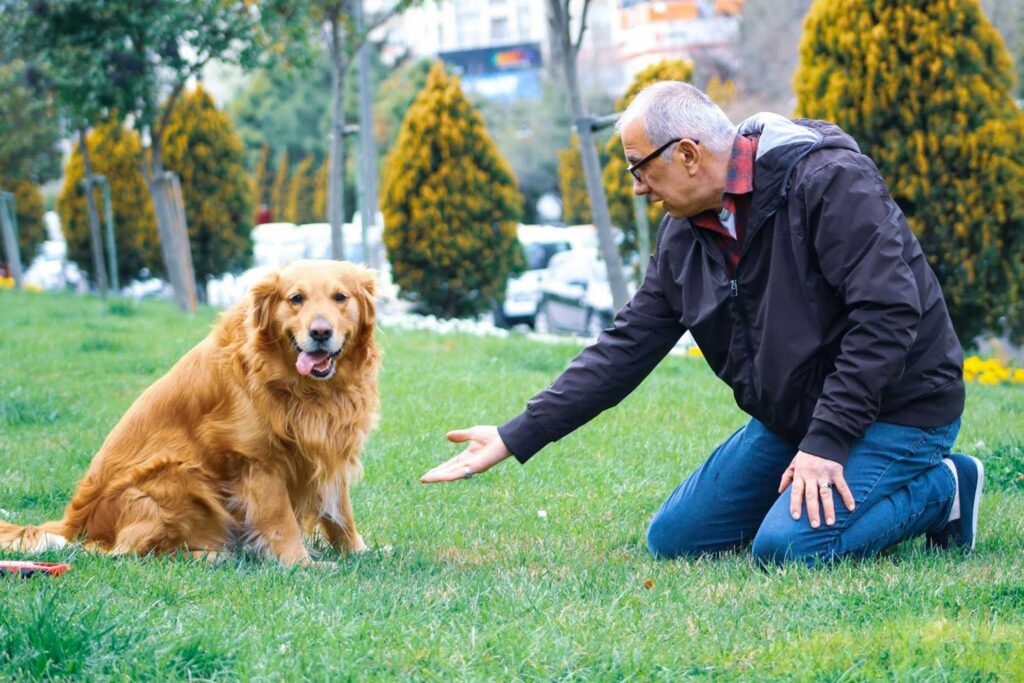
How Seniors Can Benefit from Pet Therapy
Seniors can enjoy pet therapy in many different ways. Senior living communities often arrange visits from therapy animal programs. Hospitals and rehab centers also include therapy animals in their care.
Families can look for local groups that offer therapy animal visits. Sometimes, adopting a calm and friendly pet is also a good choice.
Even brief visits from therapy animals can give meaningful emotional support.
Tips for Choosing the Right Therapy Animal
Picking the right animal helps seniors get the most out of pet therapy.
First, think about the senior’s mobility and comfort. Smaller animals might be better for people who have trouble moving around.
Next, check for allergies or health issues. Safety is always the top priority.
Finally, make sure the animal is well-trained and calm. A well-trained therapy animal helps create safe and positive experiences for seniors.
Video: How Therapy Animals Help Seniors
A good example of therapy animals in action is from CNN:
This video shows how therapy dogs interact with seniors and highlights the real-life benefits of pet therapy.
Conclusion
Getting older does not have to mean feeling lonely or struggling emotionally. Animals offer a simple and powerful way to boost wellbeing.
Pet therapy gives seniors emotional comfort, physical activity, mental stimulation, and better social connections. Whether through therapy dog visits or owning a pet, animals can make a big difference in seniors’ daily lives.
Families and caregivers can use pet therapy programs to support healthy aging. Even short moments with animals can bring happiness, companionship, and new purpose to seniors’ lives.
References
National Institute on Aging
https://www.nia.nih.gov
American Heart Association
https://www.heart.org
American Kennel Club – Therapy Dog Program
https://www.akc.org
Frontiers in Psychology – Human Animal Interaction Study
https://www.frontiersin.org/articles/10.3389/fpsyg.2019.00969
Centers for Disease Control and Prevention – Pets and Health
https://www.cdc.gov/healthypets

Jen Sheldon is a seasoned writer with a passion for fitness, health, wellness, and addiction treatment. With years of experience crafting insightful and research-backed content, she helps readers navigate their journey toward better well-being. When she’s not writing, you’ll find her exploring new workout routines or diving into the latest health trends.