Now Reading: Does Stretching Release Endorphins? The Science Explained
-
01
Does Stretching Release Endorphins? The Science Explained

Have you ever felt better after a deep stretch? The relief, steady breathing, and relaxed muscles can lift your mood a little. It’s common to wonder if stretching releases endorphins or if that good feeling is just your imagination.
The short answer is yes—stretching can release endorphins, but usually only in small amounts compared to intense exercise. Even moderate movement can still boost your mood. According to the Centers for Disease Control and Prevention (CDC), regular physical activity improves brain health and reduces symptoms of anxiety and depression.

Knowing if stretching releases endorphins helps explain why simple daily movement can improve both your body and your mood.
What Are Endorphins?
Before we go further, let’s explain what endorphins are. They are chemicals your brain makes naturally. Endorphins help relieve pain and improve your mood. Your body releases them during stress, exercise, laughter, and even stretching.
The National Institutes of Health (NIH) explains that physical activity stimulates the release of endorphins, which can reduce pain perception and promote feelings of pleasure. This effect often contributes to the well-known “runner’s high.”
When people ask if stretching releases endorphins, they want to know if gentle movement can cause the same brain response. The answer depends on how intense and how long the movement is, and on each person’s sensitivity.
Does Stretching Release Endorphins? What Research Suggests
Research shows that moderate physical activity raises endorphin levels. Stretching is a low-to-moderate intensity movement. While it doesn’t create the same surge as high-intensity cardio, stretching can still cause a mild endorphin release.
When you stretch, sensors in your muscles and joints send signals to your brain. In response, your body may release small amounts of endorphins. This is one reason stretching feels good.
Does stretching release as many endorphins as running? No. But stretching still helps your mood by releasing some endorphins and calming your nervous system.
Why Does Stretching Feel So Good?
Even if stretching only releases a small amount of endorphins, it still has many benefits that explain why it feels good.
Improved Circulation
Stretching boosts blood flow to your muscles. Better circulation brings more oxygen and nutrients and helps remove waste. This improved flow can help you feel better and may support a mild endorphin release.
Improved circulation is one reason stretching feels good, which is important to remember when asking if stretching releases endorphins.
Parasympathetic Nervous System Activation
Stretching activates the parasympathetic nervous system, also known as the “rest and digest” system. According to Harvard Health Publishing, this system helps reduce stress and lowers your heart rate.
This calming response works together with any mild endorphin release. So while it’s fair to ask if stretching releases endorphins, the relaxation effect is also very important.
Muscle Tension Relief
Tight muscles can make you feel uncomfortable and stressed. Stretching helps release this tension. When your muscles relax, your brain senses this relief as pleasure. Endorphins may play a small part in this feeling.
Mental Health Benefits of Stretching
Stretching does more than improve flexibility. It also supports your emotional health.
A 2014 meta-analysis published in JAMA Internal Medicine found that mindfulness-based movement practices significantly reduce anxiety and depression symptoms (Goyal et al., 2014). Many stretching routines, especially yoga-based stretching, include mindful breathing.
When you ask, “Does stretching release endorphins?” it helps to look at the bigger picture. Stretching lowers cortisol, the stress hormone. Lower cortisol levels help keep your emotions balanced.
Even if stretching doesn’t release many endorphins, it can still boost your mood in several ways.
Stretching vs Intense Exercise: Endorphin Differences
High-intensity activities like running, cycling, or HIIT cause bigger endorphin spikes. These workouts use more energy and put more stress on your body, which leads to stronger chemical responses.
Does stretching release endorphins like intense workouts? Not quite. Stretching has a gentler effect. It helps you feel calm instead of giving you a strong rush.
For people with anxiety or chronic stress, this gentle effect from stretching can be easier to manage.
Types of Stretching and Their Effects
Different types of stretching can change how much you feel the benefits.
Static Stretching
Static stretching means holding a stretch for 15 to 30 seconds. This method helps you relax and breathe steadily. When people ask if stretching releases endorphins, static stretching probably supports a mild release, along with calming your nervous system.
Dynamic Stretching
Dynamic stretching includes controlled movement, such as arm circles or leg swings. It slightly increases heart rate, which may enhance the mild endorphin response.
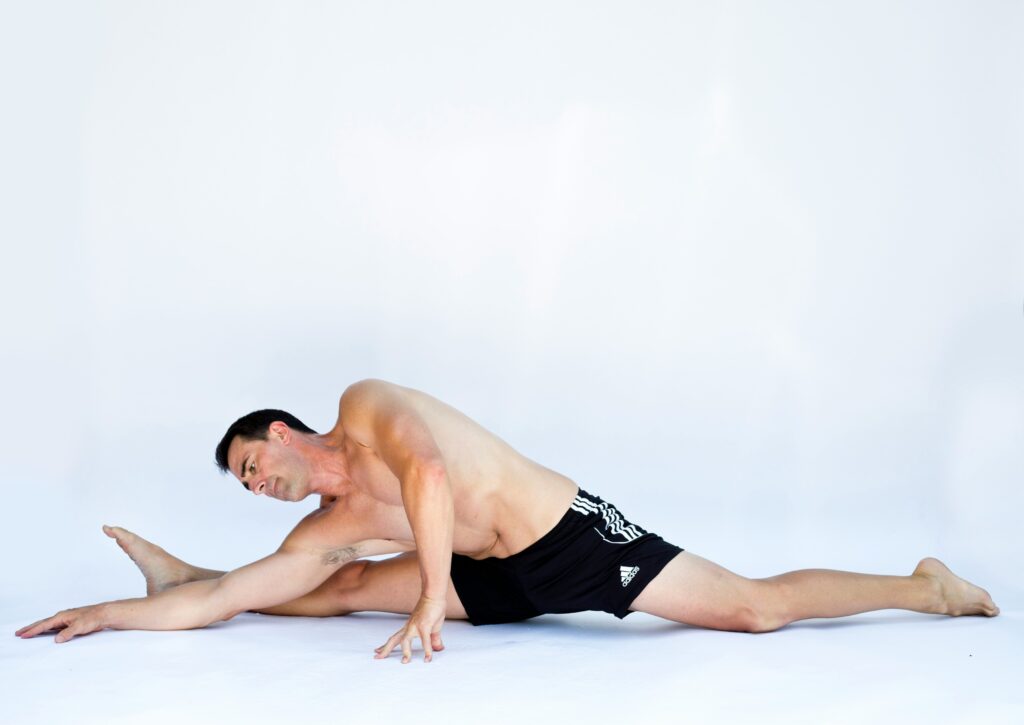
Yoga-Based Stretching
Yoga combines stretching with breathing exercises and mindfulness. Research from the National Center for Complementary and Integrative Health shows that yoga lowers stress and improves mental well-being.
Yoga may provide a clearer answer to whether stretching releases endorphins because it combines physical movement with mental focus.
Simple Daily Stretch Routine
If you want to experience the benefits yourself, try this short routine:
- Neck rolls for tension relief
- Forward fold to stretch hamstrings.
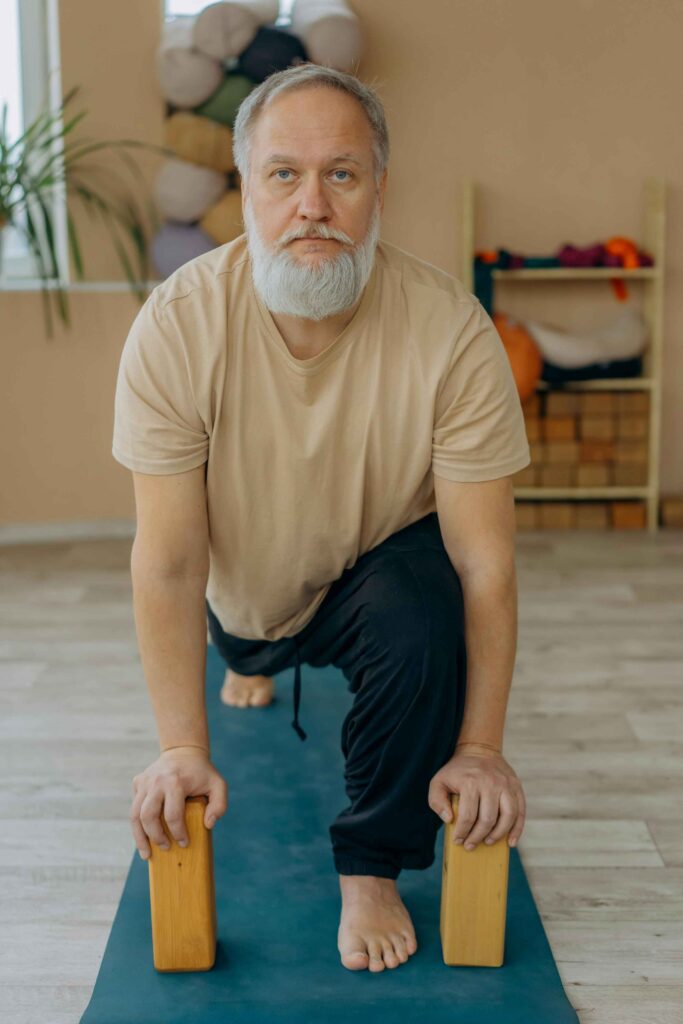
- Low lunge for hip flexibility
- Seated spinal twist for back mobility
- Cobra pose for chest opening
Do each stretch slowly and focus on deep breathing. If you practice regularly, you may notice your mood improve. This can help you see how stretching and endorphins affect you personally.
For expert guidance, watch this educational video from DrRowe:
How to Stretch Safely
To get the most benefit, warm up first. Don’t bounce during stretches. Hold each stretch steadily, and stop if you feel sharp pain.
When people ask if stretching releases endorphins, they sometimes forget that using safe technique matters. Proper stretching lowers your risk of injury and helps you relax.
The Bottom Line: Does Stretching Release Endorphins?
So, does stretching release endorphins? Yes, but only in moderate amounts compared to intense exercise. Stretching helps with mild endorphin release, better circulation, and relaxation of your nervous system.
These combined effects explain why stretching feels good and helps lower stress. Even without big chemical changes, regular stretching can boost your mood and flexibility.
Adding stretching to your daily routine can help you feel clearer and calmer. You don’t need intense workouts to feel better. Sometimes, a simple stretch is enough.
References
- Centers for Disease Control and Prevention (CDC). Physical Activity Benefits. https://www.cdc.gov/physicalactivity/basics/pa-health/index.htm
- National Institutes of Health (NIH). Exercise and brain health. https://www.nih.gov/news-events/nih-research-matters/exercise-affects-brain
- Harvard Health Publishing. The Relaxation Response. https://www.health.harvard.edu/staying-healthy/the-relaxation-response
- Goyal et al. (2014). Meditation programs for psychological stress. JAMA Internal Medicine. https://jamanetwork.com
- National Center for Complementary and Integrative Health (NCCIH). Yoga overview. https://www.nccih.nih.gov/health/yoga-what-you-need-to-know

Jen Sheldon is a seasoned writer with a passion for fitness, health, wellness, and addiction treatment. With years of experience crafting insightful and research-backed content, she helps readers navigate their journey toward better well-being. When she’s not writing, you’ll find her exploring new workout routines or diving into the latest health trends.