Now Reading: Group Exercise Programs for Recovery: Boost Sobriety Through Fitness and Connection
-
01
Group Exercise Programs for Recovery: Boost Sobriety Through Fitness and Connection
Group Exercise Programs for Recovery: Boost Sobriety Through Fitness and Connection
Recovery from addiction is more than just stopping substance use—it’s about rebuilding a healthy and fulfilling life. One powerful and often overlooked tool in this journey is group exercise programs for recovery. These programs offer a safe space for individuals to reconnect with their bodies, form meaningful relationships, and support long-term sobriety.
The Healing Power of Movement
Movement is medicine. Regular physical activity has been proven to improve mental health, reduce stress, and enhance overall well-being. According to the Mayo Clinic, exercise increases the production of endorphins—chemicals in the brain that act as natural mood lifters.
For individuals in recovery, this natural boost can be essential. After prolonged substance use, the brain’s reward system often needs time to recalibrate. Group workouts can help fill this gap by providing consistent sources of pleasure and motivation.
Why Choose Group Exercise?
You may wonder, why focus on group exercise programs for recovery specifically, instead of solo workouts?
Here are key benefits of choosing the group route:
1. Social Connection
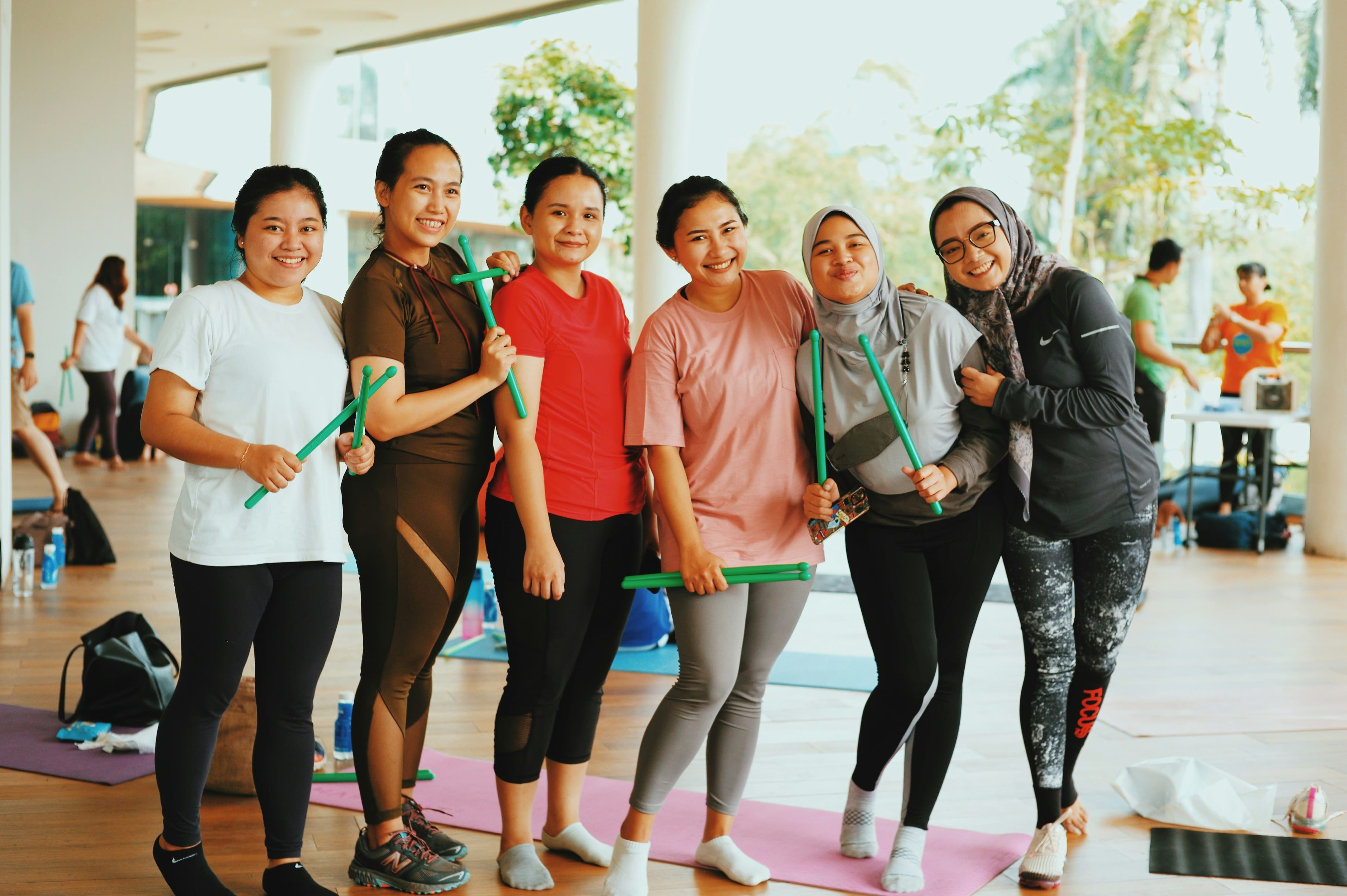
Addiction often isolates people. Group exercise programs reintroduce healthy social interaction. Exercising alongside others fosters a sense of belonging, which can combat feelings of loneliness—a common relapse trigger.
A study published in the Journal of Substance Abuse Treatment found that peer-based group activities help maintain abstinence by building accountability and a shared sense of purpose.
2. Structure and Routine
Many people in early recovery benefit from having a consistent schedule. Group exercise programs provide a regular, structured routine, which can be grounding during emotionally turbulent times. Scheduled sessions—whether it’s yoga every Monday or boot camp every Saturday—offer predictable anchors in a recovering person’s week.
3. Motivation and Encouragement
In a group setting, members encourage each other. Watching others push through challenges builds inspiration and makes it easier to stay committed. This built-in support system reduces the chances of dropping out.
4. Accountability
Just as support groups help people stay on track with sobriety, group exercise programs for recovery offer similar accountability for physical health. You’re more likely to show up when others are expecting you.
Types of Group Exercise Programs for Recovery
Different types of group fitness can cater to various preferences and recovery goals. Here are some common and effective options:
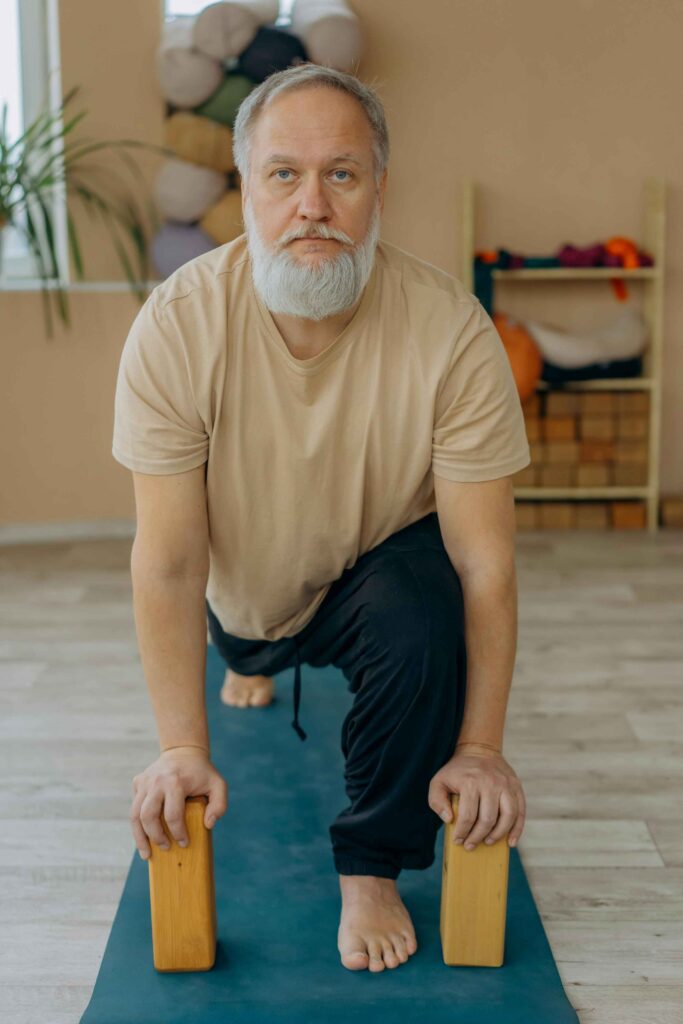
1. Yoga and Mindful Movement
Yoga focuses on breath, movement, and mindfulness—all critical tools in recovery. Research shows yoga helps reduce anxiety, lower cortisol (stress hormone) levels, and improve emotional regulation.
Programs like Y12SR (Yoga of 12-Step Recovery) blend traditional yoga with addiction recovery principles, creating a holistic path to healing.
2. Dance Therapy
Dance offers emotional expression and physical release. In a group setting, it can help individuals reconnect with their bodies and rediscover joy in movement.
3. Outdoor Bootcamps and HIIT
High-Intensity Interval Training (HIIT) and outdoor bootcamps provide intense physical exertion, which can burn off stress and negative energy. These programs are especially helpful for those who thrive in a high-energy environment.
4. Walking or Running Clubs
These clubs offer a low-barrier entry into fitness. Walking or running with others builds stamina and creates opportunities for organic conversations and connections.
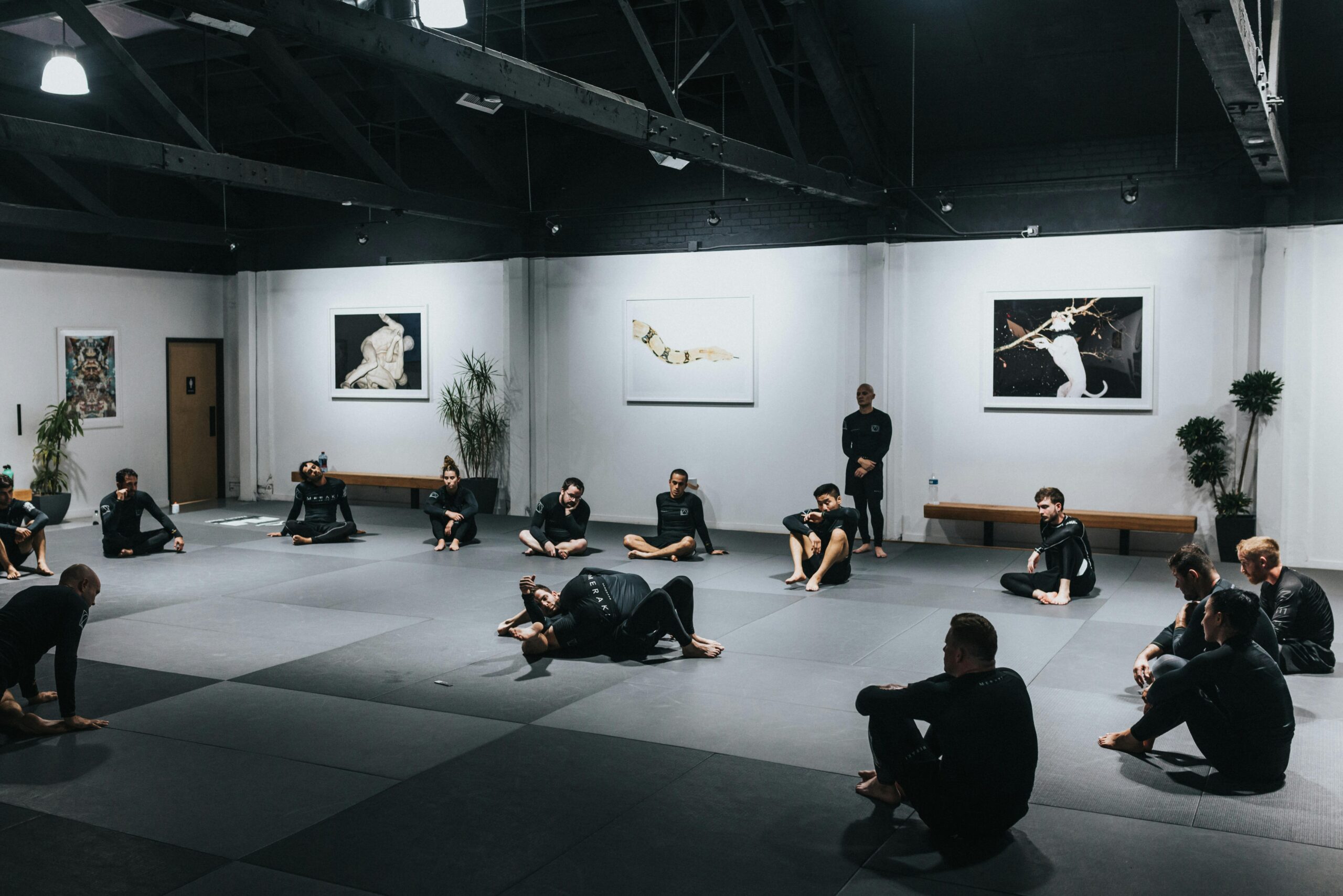
5. Martial Arts and Boxing Programs
These provide discipline, strength-building, and emotional release. Many recovery centers integrate boxing or martial arts to help channel aggression into controlled, constructive activity.
How Group Exercise Supports Long-Term Recovery
Reduces Relapse Risk
Engaging in group exercise programs for recovery has been shown to reduce relapse rates. According to a 2021 study in Frontiers in Psychology, participants in structured fitness groups had a significantly lower risk of returning to substance use compared to those without such programs.
Enhances Self-Esteem
Many people in recovery struggle with guilt, shame, and low self-worth. Exercise promotes body confidence and a sense of achievement. Completing a workout, hitting a goal, or just showing up regularly can greatly improve self-esteem.
Builds Coping Skills
Instead of turning to substances in moments of stress or sadness, group workouts offer a healthy outlet. Physical activity teaches resilience, self-discipline, and emotional regulation—all crucial for recovery.
Starting a Group Exercise Program
If you’re considering adding group fitness to your recovery path, here are some practical tips:
1. Check Local Recovery Centers
Many treatment centers now offer or partner with fitness programs specifically designed for people in recovery.
2. Start Small
Don’t worry about intensity in the beginning. Even gentle movement can create change. The key is consistency, not perfection.
3. Join Peer-Led Fitness Groups
Some communities have peer-led walking or fitness groups formed by people in recovery. These groups often feel more supportive and understanding of unique challenges.
4. Use Online Platforms
If in-person access is limited, there are virtual group fitness programs designed for people in recovery. Platforms like Recovery Fit or online yoga collectives offer inclusive, guided classes.
Final Thoughts
Recovery is not just about removing something harmful—it’s also about adding practices that bring health, joy, and stability. Group exercise programs for recovery do just that. They promote healing, build community, and create routines that support long-term sobriety.
If you or a loved one is on the path to recovery, consider joining a group workout class. Whether it’s yoga, boxing, or a simple walking group, the benefits go beyond physical fitness. You’re rebuilding your life—and every step, stretch, or squat is a part of that transformation.
Sources:
- Mayo Clinic. (2022). Exercise and stress: Get moving to manage stress.
- Frontiers in Psychology. (2021). Group-based physical activity and relapse prevention.
- Journal of Substance Abuse Treatment. (2020). Social support in addiction recovery groups.

Jen Sheldon is a seasoned writer with a passion for fitness, health, wellness, and addiction treatment. With years of experience crafting insightful and research-backed content, she helps readers navigate their journey toward better well-being. When she’s not writing, you’ll find her exploring new workout routines or diving into the latest health trends.