Now Reading: How to Manage Social Anxiety
-
01
How to Manage Social Anxiety

Social anxiety can make simple moments—like speaking up in a meeting or attending a social event—feel overwhelming. Many people experience these uncomfortable feelings, but when fear starts to affect daily life, it becomes important to learn how to manage social anxiety in a healthy way. The good news is that social anxiety is manageable, and you can take small steps every day to build confidence and feel more in control.

In this guide, you will learn how to manage social anxiety using practical strategies, backed by research and easy enough to follow in daily life. Whether you struggle with nervousness at work, discomfort in public places, or fear of judgment, these methods can help you breathe easier and face social situations more comfortably.
Understanding Social Anxiety
Social anxiety is more than feeling shy. It is a persistent fear of being judged, embarrassed, or rejected. According to the Anxiety and Depression Association of America, about 15 million adults in the United States live with social anxiety disorder, making it one of the most common anxiety conditions (ADAA, 2023).
Symptoms often include:
- Rapid heartbeat
- Sweating or shaking
- Trouble making eye contact
- Fear of speaking
- Overthinking interactions
- Avoiding social events
If these signs sound familiar, learning how to manage social anxiety can make a big difference in your emotional well-being.
Why Learning How to Manage Social Anxiety Matters
Social anxiety can affect relationships, work performance, and overall happiness. Many people avoid opportunities because they fear making mistakes or being judged. A study published in Psychiatry Research reported that people with social anxiety are more likely to struggle with friendships and career growth due to avoidance behaviors (Lowe et al., 2020).
By learning how to manage social anxiety, you can increase self-esteem, improve communication, and feel more connected to others. Small changes can lead to big improvements.
Practical Strategies on How to Manage Social Anxiety
Below are evidence-based and realistic strategies that show you how to manage social anxiety effectively.
1. Practice Deep Breathing and Grounding
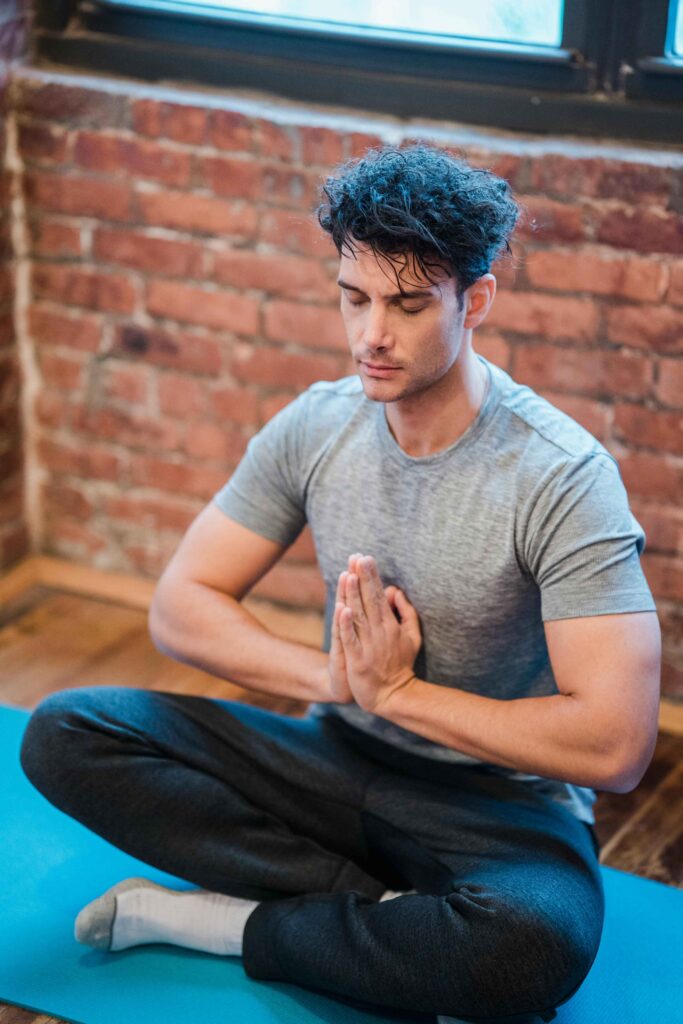
Your body reacts to anxiety before your mind does. When you feel nervous, deep breathing helps slow your heart rate and calm your nervous system.
Try this:
- Inhale slowly for 4 seconds
- Hold for 2 seconds
- Exhale for 6 seconds
- Repeat for 1–2 minutes
Grounding techniques—like naming five things you can see or feel—can also bring you back to the present moment. This simple practice makes social situations feel more manageable.
2. Challenge Negative Thoughts
Negative thinking often fuels social anxiety. You might assume others are judging you, even when they aren’t.
To learn how to manage social anxiety, identify these thoughts and replace them with realistic ones.
For example:
- Negative thought: “Everyone will think I sound stupid.”
- Realistic thought: “People are focused on themselves, not on me.”
Cognitive Behavioral Therapy (CBT) research shows that challenging negative thoughts can reduce social anxiety symptoms by up to 60% (Hofmann & Smits, 2020).
3. Start Small and Gradually Face Social Situations
Avoidance keeps anxiety alive. Gradual exposure—taking small steps—helps retrain your brain.
Examples of small steps:
- Say “hello” to a coworker
- Ask a simple question at a store
- Attend a short event
- Make brief eye contact during conversations
When you slowly face situations you fear, your confidence grows. Over time, you learn how to manage social anxiety in larger or more challenging situations.
4. Improve Social Skills Through Practice
Nobody is born with perfect social skills. Like any skill, they strengthen with practice.
Try practicing with:
- A trusted friend
- A family member
- A therapist
- A support group
Simple exercises—like practicing small talk, asking open-ended questions, or keeping conversations going—can help you feel more relaxed in real interactions.
5. Focus on the Present Instead of Your Performance
A common struggle for people with social anxiety is worrying about “How am I doing?” instead of enjoying the moment. Shift your attention from yourself to the conversation or environment.
Instead of checking how you sound or look, actively listen to others. This reduces pressure and helps you connect more naturally.
6. Limit Caffeine and Sugar
While caffeine helps many people feel energized, it can increase symptoms of anxiety—like racing thoughts or rapid heartbeat. A study in Journal of Anxiety Disorders found that caffeine can heighten anxiety responses in people prone to anxious feelings (Smith, 2021).
Try reducing:
- Coffee
- Energy drinks
- Soda
- Sugary snacks
Switch to options like herbal tea or water to keep your body calm.
7. Move Your Body Regularly
Physical activity releases endorphins that naturally reduce anxiety. The American Psychological Association notes that even 30 minutes of walking can significantly decrease stress levels (APA, 2022).
You don’t need intense workouts. Activities like:
- Walking
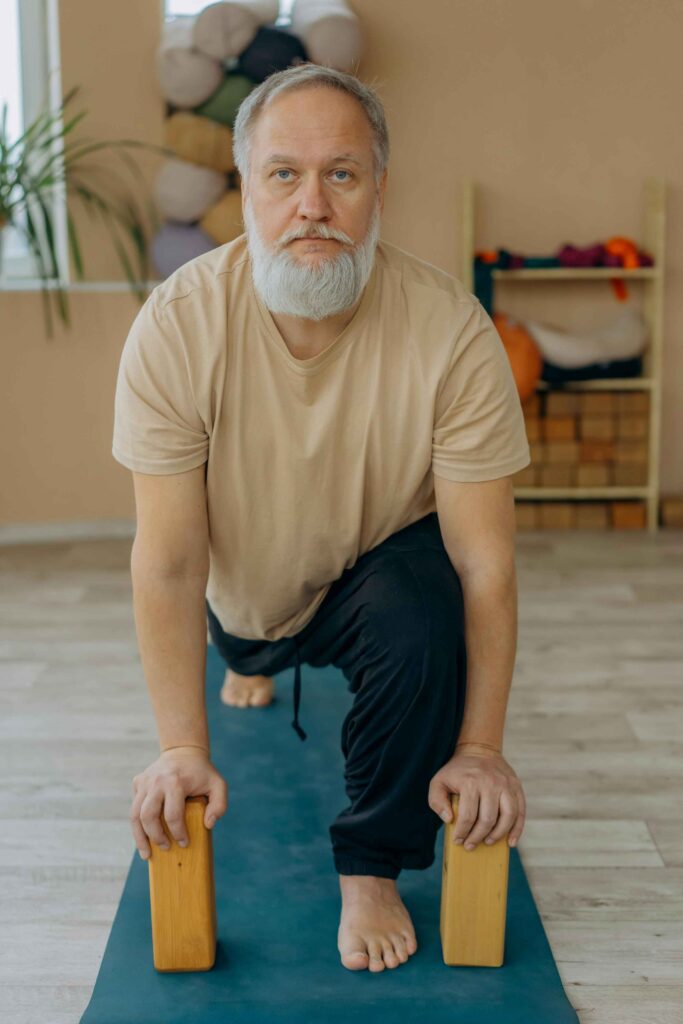
- Yoga
- Stretching
- Cycling
…can help regulate your mood and improve your emotional resilience.
8. Journaling Your Feelings
Writing helps you explore your thoughts, fears, and progress. Journaling lets you track triggers and understand which strategies help you most.
Try writing daily about:
- What made you anxious
- What you did well
- What you want to improve
- How you felt afterward
This reflection helps you learn how to manage social anxiety with more clarity.
9. Seek Professional Support When Needed
If social anxiety affects your routine or relationships, professional help can guide you. Therapists trained in CBT, exposure therapy, or mindfulness can teach structured tools to reduce anxiety.
Medication may also help in some cases, especially when combined with therapy. Always consult a healthcare provider to explore options safely.
Reaching out for help is a strong step toward healing—not a sign of weakness.
Final Thoughts
Learning how to manage social anxiety takes time, patience, and consistent practice. Every small step matters. By using grounding exercises, challenging negative thoughts, practicing social skills, and taking care of your body and mind, you can grow more confident and feel more at ease in social situations.
Remember, you are not alone. Millions of people face similar challenges and find relief through the simple, practical strategies above. Start small, be kind to yourself, and celebrate every moment of progress. Over time, you will feel more connected, more confident, and more in control of your social experiences.

Jen Sheldon is a seasoned writer with a passion for fitness, health, wellness, and addiction treatment. With years of experience crafting insightful and research-backed content, she helps readers navigate their journey toward better well-being. When she’s not writing, you’ll find her exploring new workout routines or diving into the latest health trends.