Now Reading: 10 Powerful Mind and Body Exercises for Better Mental Health
-
01
10 Powerful Mind and Body Exercises for Better Mental Health
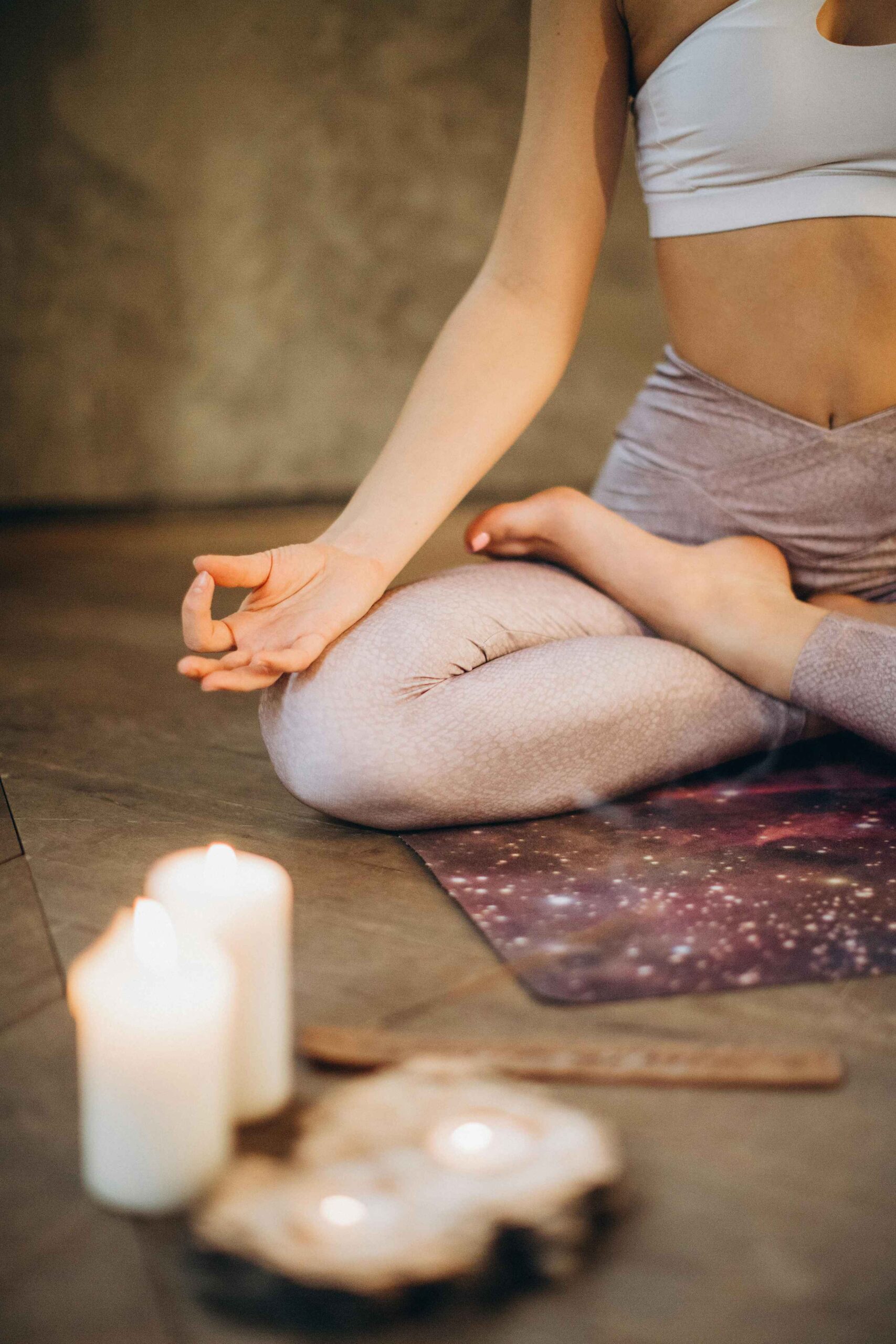
These days, it’s easy to lose touch with our bodies. We spend hours sitting, scrolling on our phones, and managing daily tasks. This disconnect can lead to more stress and anxiety. That’s why many people use mind and body exercises to feel more balanced.
The American Psychological Association’s Stress in America report says that 76% of adults have stress-related symptoms like headaches and fatigue (APA, 2023). Ongoing stress impacts both your mind and body. Doing mind and body exercises regularly can calm your nervous system and help you handle emotions better.
In this guide, you will learn practical, science-backed mind-body exercises that support mental clarity, emotional balance, and overall well-being.
What Are Mind and Body Exercises?
Mind and body exercises mix movement with focused attention. Unlike regular workouts that just work your muscles, these exercises also use breathing, awareness, and intention.
The goal of mind-body exercises is to strengthen the connection between your brain and your body. When you move with awareness, you regulate stress hormones and improve emotional control.
Research published in JAMA Internal Medicine found that mindfulness-based practices significantly reduce anxiety, depression, and pain (Goyal et al., 2014). Many mind-body exercises include mindfulness as a core component.
Why Mind and Body Exercises Matter for Mental Health
Stress turns on the sympathetic nervous system, which is also called the “fight or flight” response. If stress lasts too long, it can disturb your sleep, mood, and focus.
Doing mind and body exercises regularly helps activate the parasympathetic nervous system, which helps you relax and recover. According to Harvard Health, mindfulness practices can lower cortisol and help you manage your emotions (Harvard Health Publishing).
People who practice mind and body exercises consistently report improved mood, better focus, and reduced anxiety symptoms. These exercises work because they address both mental and physical tension simultaneously.
10 Best Mind and Body Exercises to Try
Here are some mind and body exercises, backed by research, that you can try at home or with others.
1. Yoga
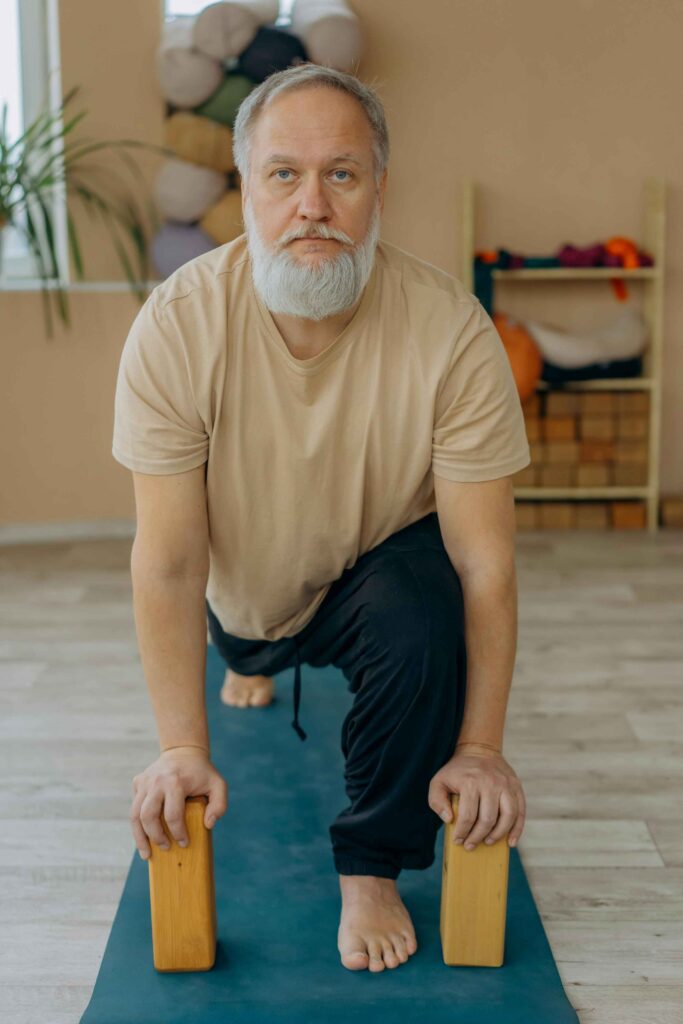
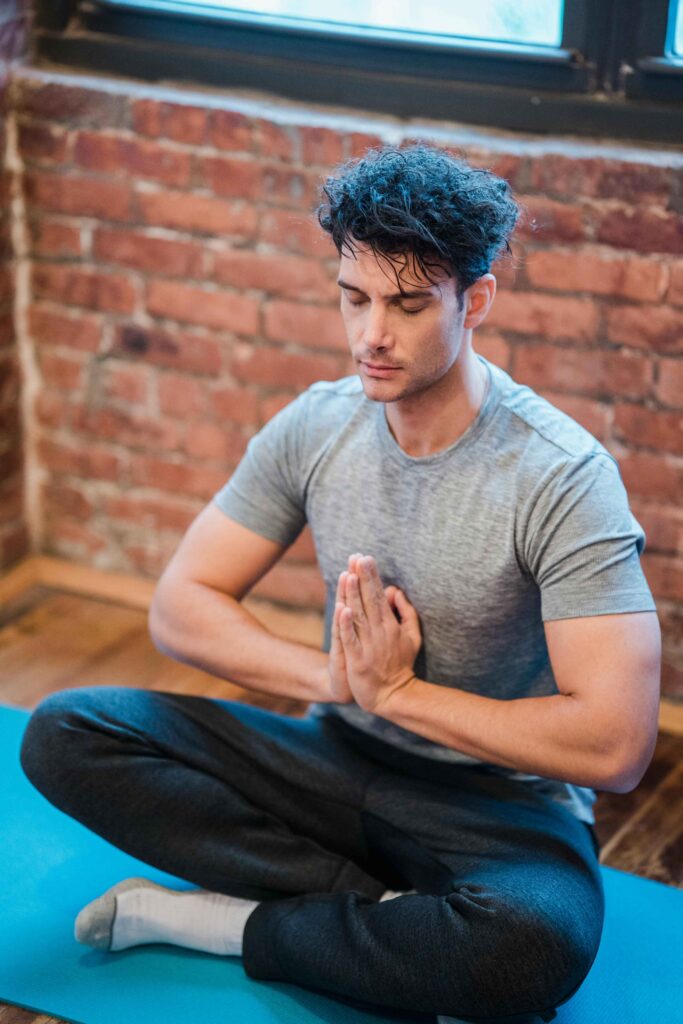
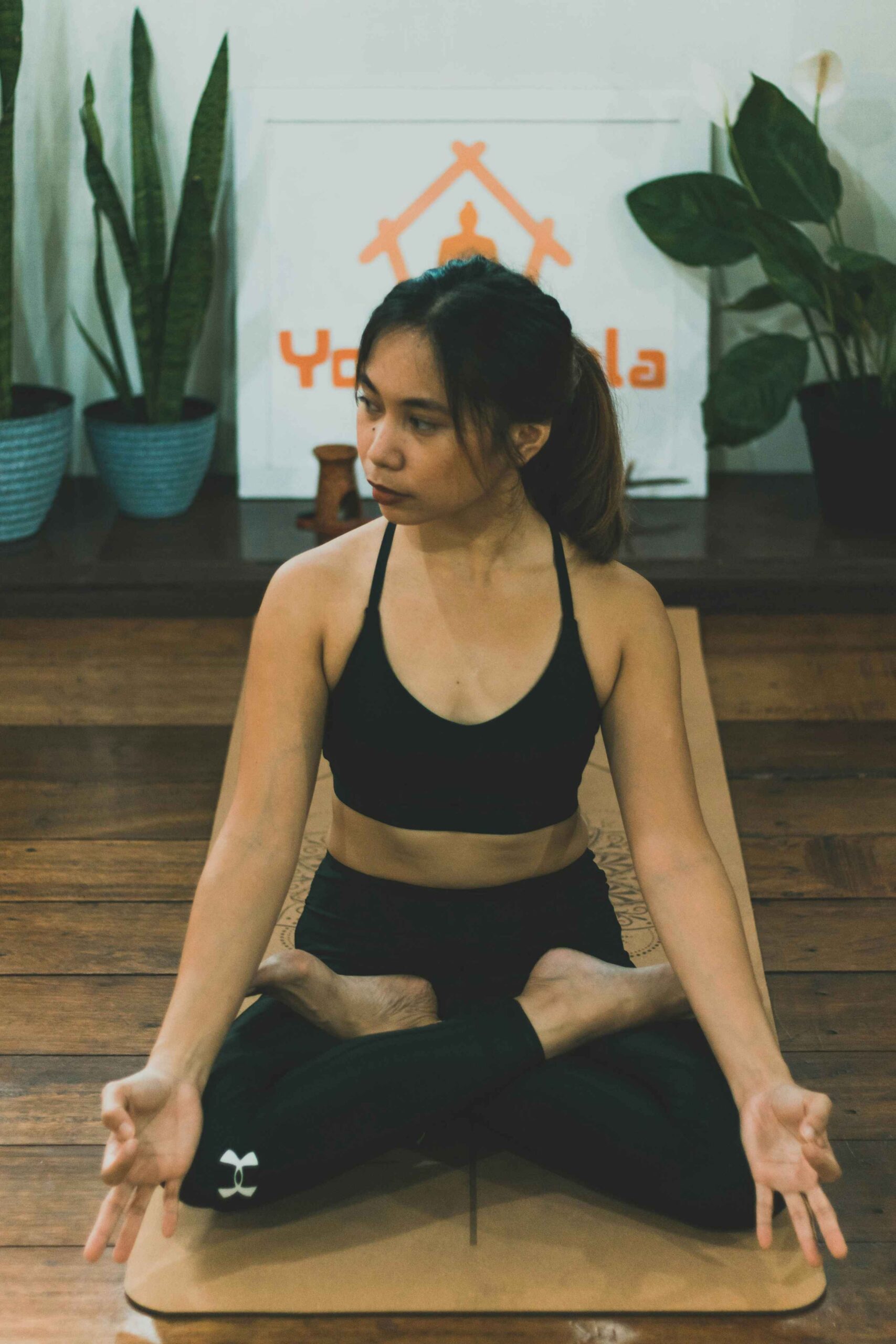
Yoga brings together breathing, stretching, and meditation. It helps you become more flexible and calms your mind. Studies show that yoga can lower stress and anxiety (National Center for Complementary and Integrative Health).
Yoga is one of the easiest mind and body exercises to start with, making it great for beginners.
2. Tai Chi
Tai Chi involves slow, gentle movements and deep breathing. It helps with balance and lowers stress. Research shows Tai Chi can help manage arthritis and boost overall well-being (Arthritis Foundation).
Tai Chi is especially gentle, making it a good choice for older adults.
3. Qigong
Qigong focuses on coordinated breathing and intentional movement. It supports energy flow and relaxation. Many practitioners consider it one of the most restorative mind-and-body exercises available.
4. Walking Meditation
Instead of rushing through a walk, pay attention to each step and breath. Walking meditation transforms a simple activity into one of the easiest mind-and-body exercises for beginners.
5. Breathwork
Controlled breathing techniques reduce heart rate and anxiety. Deep breathing is one of the fastest mind-and-body exercises for calming acute stress.
6. Progressive Muscle Relaxation
This technique involves tightening and releasing muscle groups. It reduces physical tension and improves body awareness. Many therapists recommend this as a foundational mind-body exercise.
7. Guided Imagery
Guided imagery uses mental visualization to promote relaxation. This mental practice is among the most accessible mind-body exercises, especially for people with limited mobility.
8. Body Scan Meditation
A body scan helps you notice sensations without judgment. It strengthens awareness and reduces stress. Many mindfulness programs include this in their mind-body exercises.
9. Pilates
Pilates improves posture and core strength while emphasizing breath control. This makes it a structured and effective form of mind-body exercise.
10. Slow Strength Training with Focus
When you lift weights slowly and intentionally, you create a powerful mind-muscle connection. This approach turns traditional exercise into intentional mind-and-body practice.
How Mind and Body Exercises Support the Nervous System
The nervous system has two main branches: the sympathetic (stress response) and the parasympathetic (relaxation response). Chronic stress keeps the body in a state of survival.
Doing mind and body exercises can stimulate your vagus nerve, which helps you feel calm and supports digestion. Over time, this can help you manage emotions and reduce inflammation.
Research from the National Institutes of Health (NIH) confirms that mindfulness and movement-based practices improve stress resilience (NIH). This explains why mind-body exercises benefit both mental and physical health.
Mind and Body Exercises for Specific Needs
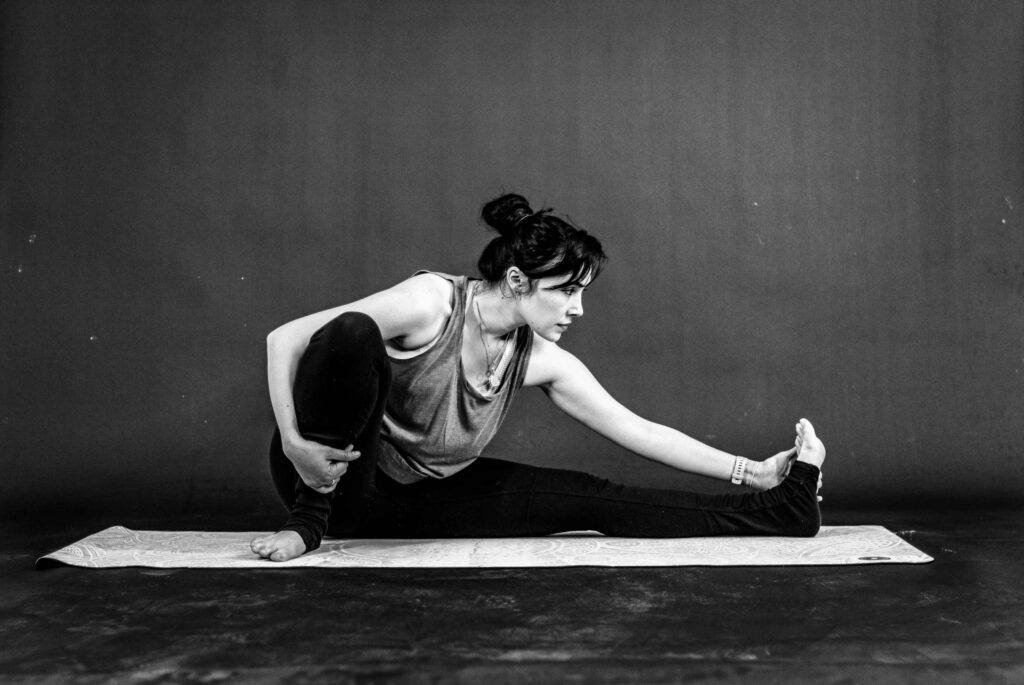
Different mind-body exercises serve different goals.
For anxiety, breath work and body scan meditation provide quick calming effects. For chronic pain, Tai Chi and yoga offer gentle movement without strain. For trauma recovery, guided imagery and grounding exercises help rebuild a sense of safety.
If work is stressful, taking short walking meditation breaks can be a simple and practical way to use mind and body exercises during your day.
How to Start Practicing Mind and Body Exercises Safely
Start slow. Pick one or two mind-and-body exercises and try them three times a week. Being consistent is more important than working hard right away.
Change the movements if you have any physical limits. If you have a long-term health condition, check with your doctor before starting.
You can also watch this educational video from TED :
Learning in a structured way can help you do mind and body exercises safely and correctly.
The Bottom Line on Mind and Body Exercises
You do not need expensive equipment or advanced training to begin. Simple mind-body exercises like breathwork, yoga, or walking meditation can transform your stress response.
By practicing mind and body exercises regularly, you’ll get better at handling life’s challenges calmly and clearly. Over time, your body will feel safer and your mind will feel steadier.
Start small. Stay consistent. Let these mind-body exercises guide you toward better mental and physical health.
References
- American Psychological Association. Stress in America Report. https://www.apa.org
- Goyal et al. (2014). Meditation programs for psychological stress. JAMA Internal Medicine. https://jamanetwork.com
- Harvard Health Publishing. Mindfulness and stress reduction. https://www.health.harvard.edu
- National Center for Complementary and Integrative Health. Yoga and health. https://www.nccih.nih.gov
- National Institutes of Health. Mind-body research overview. https://www.nih.gov

Jen Sheldon is a seasoned writer with a passion for fitness, health, wellness, and addiction treatment. With years of experience crafting insightful and research-backed content, she helps readers navigate their journey toward better well-being. When she’s not writing, you’ll find her exploring new workout routines or diving into the latest health trends.