Now Reading: Mindful Listening Techniques for Anxiety
-
01
Mindful Listening Techniques for Anxiety
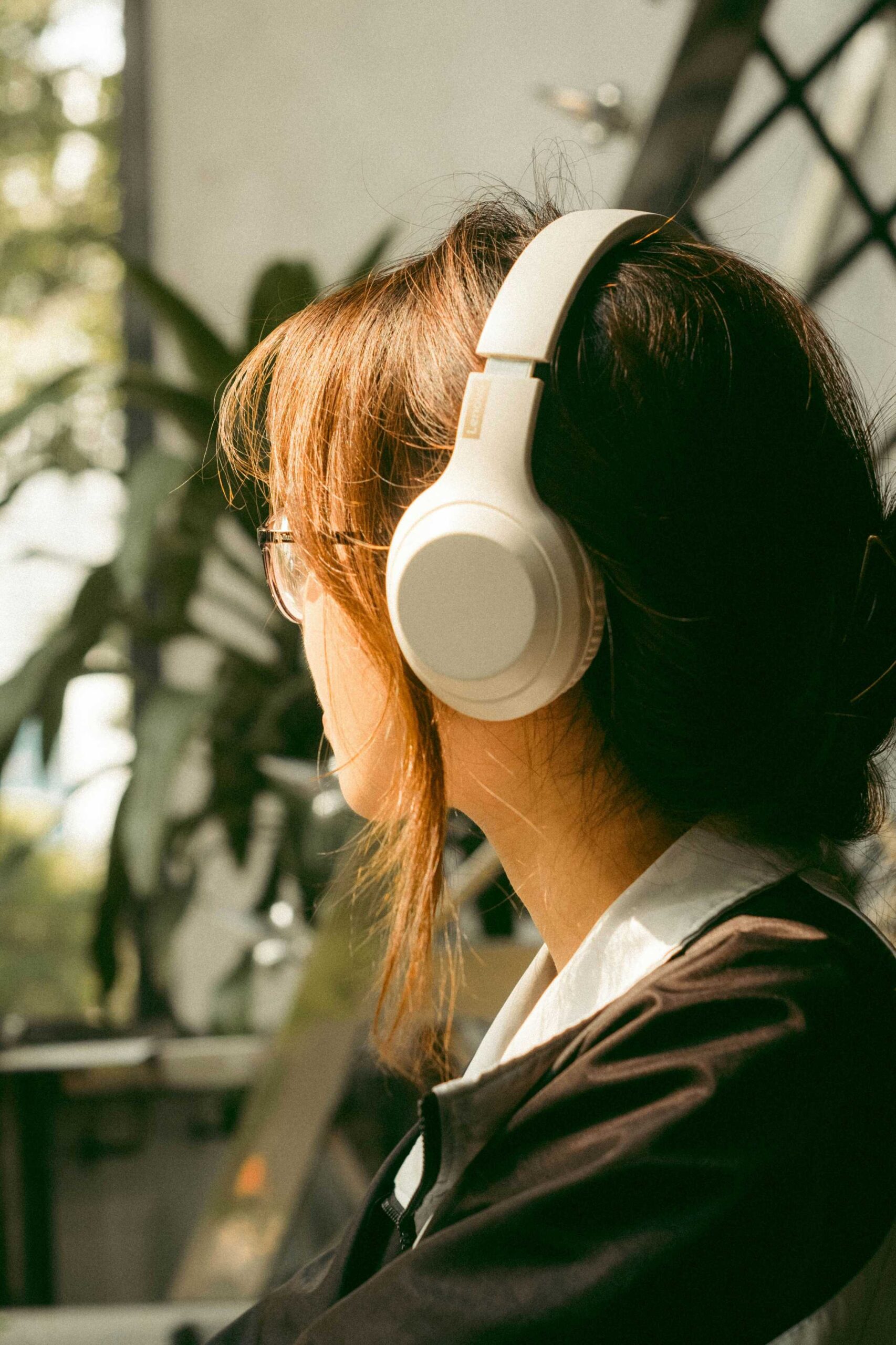
Anxiety affects millions of people worldwide, and it often shows up as racing thoughts, tension, and emotional overwhelm. According to the World Health Organization, 301 million people live with an anxiety disorder globally (WHO, 2023). Many people look for simple, practical tools they can use every day to feel calmer. One powerful but overlooked tool is mindful listening.

Mindful listening is more than just hearing sounds. It means paying attention to what you hear in the present moment without judgment. When you practice mindful listening techniques for anxiety, you create space between your thoughts and emotions. This space helps calm your nervous system, increase focus, and reduce stress.
In this article, you’ll learn what mindful listening is, why it works, and how you can use mindful listening techniques for anxiety in your daily life.
What Is Mindful Listening?
Mindful listening is a mindfulness practice where you fully focus on sound—whether it’s your breath, music, nature, or another person speaking. The goal is not to analyze the sound but to observe it.
Many people deal with anxious thoughts that pull them into the future or past. Mindful listening brings you back to the present moment. When you use mindful listening techniques for anxiety, you allow your mind to slow down and settle.
Why Mindful Listening Helps Reduce Anxiety
Research shows that mindfulness practices can significantly reduce anxiety. A 2018 study in JAMA Internal Medicine reported that mindfulness-based interventions reduced anxiety symptoms by an average of 58%. Sound-based mindfulness practices, such as mindful listening, activate the relaxation response in the brain.
Here’s why mindful listening techniques for anxiety work:
1. They interrupt racing thoughts
When anxious thoughts spiral, mindful listening helps shift your attention to something neutral and soothing.
2. They engage your senses
Anxiety pulls you inward. Mindful listening brings you outward, grounding you in the environment.
3. They calm the nervous system
Sounds like soft music, nature noises, or gentle chimes can slow the heart rate and support relaxation.
4. They improve emotional regulation
You learn to observe your emotions instead of reacting to them immediately.
How to Use Mindful Listening Techniques for Anxiety
Below are practical, simple strategies you can start using today.
1. Breath-Listening Practice
This is one of the easiest mindful listening techniques for anxiety. You simply listen to the sound of your breath.
How to do it:
- Sit comfortably and close your eyes.
- Breathe in through your nose and listen to the sound of the inhale.
- Breathe out slowly through your mouth and notice the sound of the exhale.
- If your mind wanders, gently return to the breath’s sound.
Spend 3–5 minutes with this exercise. Many people find that breath-listening helps reduce physical tension.
2. Nature Sound Awareness
Nature sounds have a proven calming effect. Studies show that nature audio can reduce stress hormones by up to 28% (University of Michigan, 2020).
How to do it:
- Step outside or sit near a window.
- Notice the sounds around you—birds, wind, leaves, or water.
- Focus on one sound at a time without labeling or judging it.
Using nature-based mindful listening techniques for anxiety is especially helpful during stressful mornings or after a long day.
3. Mindful Music Listening
Music affects emotions deeply. Listening mindfully helps you slow down and reconnect with your body.
How to do it:
- Choose calming music—ambient, soft instrumental, or slow beats.
- Close your eyes and focus on one element in the music, such as a rhythm or tone.
- Notice how the sound moves and changes.
- If thoughts appear, bring your attention back to the music.
Mindful music listening is one of the most accessible mindful listening techniques for anxiety, especially for beginners.
4. Listening to Your Surroundings
This practice helps you stay present, wherever you are.
How to do it:
- Sit still and take a slow breath.
- Identify the closest sound you can hear.
- Then identify a distant sound.
- Move your focus between different layers of sound.
This exercise teaches your brain to shift attention consciously—a useful skill when anxious thoughts become overwhelming.
5. Mindful Listening in Conversations
Anxiety can make conversations challenging. You may struggle to focus, worry about what to say, or replay past interactions. Using mindful listening techniques for anxiety during conversations can improve communication and calm your mind.
How to do it:
- When someone speaks, focus fully on their words.
- Notice the tone, pace, and emotion in their voice.
- Avoid planning your response while they talk.
- Pause for one breath before replying.
This approach builds deeper connections and reduces social anxiety.
6. Sound Bowl or Chime Meditation
Sound bowls, bells, or chimes create vibrations that help soothe anxiety.
How to do it:
- Play a gentle bell, chime, or sound bowl recording.
- Focus on the vibration as it rises and fades.
- Follow the sound until it disappears.
- Repeat 5–10 times.
This is one of the most grounding mindful listening techniques for anxiety because it helps train focus.
Tips to Get the Most Out of Mindful Listening
- Practice daily, even for just 5 minutes.
- Use headphones for better sound clarity.
- Be patient—your mind may wander, and that’s normal.
- Stay consistent—anxiety reduces more effectively with routine practice.
Using mindful listening techniques for anxiety becomes easier over time and can turn into a comforting ritual.
When Should You Use Mindful Listening?
You can use these techniques anytime, but they work especially well when:
- You feel overwhelmed
- Your thoughts start racing
- You’re preparing for a stressful task
- You’re trying to calm your mind before sleep
- You’re feeling disconnected or distracted
Mindful listening techniques for anxiety are flexible. They fit into work breaks, morning routines, evening wind-downs, or even while commuting.
Final Thoughts
Mindful listening is a gentle, powerful method to ease anxiety and reconnect with the present moment. With simple practices like breath-listening, nature sound awareness, mindful music listening, and sound meditations, you can create calm even during stressful days. As you continue using mindful listening techniques for anxiety, you’ll likely notice better focus, less tension, and improved emotional balance.
Anxiety may not disappear overnight, but small daily practices can make a meaningful difference. Mindful listening is one of those practices—easy to learn, soothing to the mind, and available to you anytime you need it.

Jen Sheldon is a seasoned writer with a passion for fitness, health, wellness, and addiction treatment. With years of experience crafting insightful and research-backed content, she helps readers navigate their journey toward better well-being. When she’s not writing, you’ll find her exploring new workout routines or diving into the latest health trends.