Now Reading: Positive Affirmations and Mindfulness for Anxiety
-
01
Positive Affirmations and Mindfulness for Anxiety

Anxiety affects millions of people worldwide, and many are searching for gentle, effective ways to feel calm again. A growing number of people now turn toward positive affirmations and mindfulness for anxiety because these tools are simple, accessible, and supportive in everyday life. They help calm racing thoughts, reduce fear, and bring the mind back to the present moment.

According to the World Health Organization (WHO), over 301 million people were living with anxiety disorders in 2019 (WHO, 2022). With numbers rising, it’s no surprise that people are exploring natural practices like positive affirmations and mindfulness for anxiety to rebuild emotional balance.
This article explores how these practices work, why they are helpful, and how you can integrate them into your daily routine.
Why Anxiety Feels Overwhelming
Anxiety often appears as a mix of constant worry, fear, and physical tension. Your mind may jump from one worry to another, leaving you exhausted. When this happens, your thoughts take control, and it becomes difficult to relax or think clearly.
This is where positive affirmations and mindfulness for anxiety offer real support. These practices gently shift your focus, give your mind a new direction, and help the body feel safe again.
How Positive Affirmations Help Reduce Anxiety
Positive affirmations are short, uplifting statements that challenge negative thoughts. These statements help you replace self-doubt with confidence and calm. When repeated often, they slowly reshape your inner dialogue.
A study published in Social Cognitive and Affective Neuroscience found that self-affirmation activates the brain’s reward centers and reduces stress responses (Falk et al., 2015). This means encouraging words can truly change how your brain reacts during difficult moments.
People use positive affirmations and mindfulness for anxiety because affirmations help them:
- Reduce self-criticism
- Replace fearful thoughts with logical ones
- Build inner strength
- Feel more in control
- Shift their mindset toward hope and calm
Examples of Positive Affirmations for Anxiety
- “I am safe in this moment.”
- “I can handle one thing at a time.”
- “My thoughts do not control me.”
- “I choose to focus on calm and clarity.”
- “I am stronger than my anxiety.”
When combined with mindfulness, these statements become even more powerful. That is why so many people practice positive affirmations and mindfulness for anxiety as part of their mental health journey.
How Mindfulness Supports Calm and Clarity
Mindfulness is the practice of paying attention to the present moment with acceptance. It teaches you to observe your thoughts and feelings without reacting instantly. This skill helps break the cycle of worry.
A report from Harvard Medical School showed that mindfulness can reduce the brain’s “fear center,” known as the amygdala, and improve emotional regulation (HMS, 2018). This is especially helpful for anyone living with chronic anxiety.
People who practice positive affirmations and mindfulness for anxiety often say they feel:
- More grounded
- Less overwhelmed
- More aware of their triggers
- Better able to slow down stressful thoughts
- Physically calmer
Mindfulness creates space between you and your thoughts, which is crucial when anxiety tries to take over.
Combining Positive Affirmations and Mindfulness for Anxiety
While affirmations build confidence, mindfulness teaches awareness. When used together, they become a powerful system for emotional healing. Many therapists now encourage positive affirmations and mindfulness for anxiety because the combination supports both mind and body.
Here is how the two work together:
- Mindfulness first helps you notice your anxious thoughts.
You recognize the moment when fear or worry appears. - Then affirmations help you respond with calm and kindness.
You replace anxious thoughts with supportive messages. - Together, they retrain your brain over time.
This creates new mental habits rooted in peace rather than fear.
When practiced daily, positive affirmations and mindfulness for anxiety slowly build emotional resilience and reduce the intensity of anxious episodes.
Daily Routine to Practice Positive Affirmations and Mindfulness
Here is a simple routine you can try. It takes only a few minutes and fits easily into busy schedules.
1. Morning Mindfulness (3 minutes)
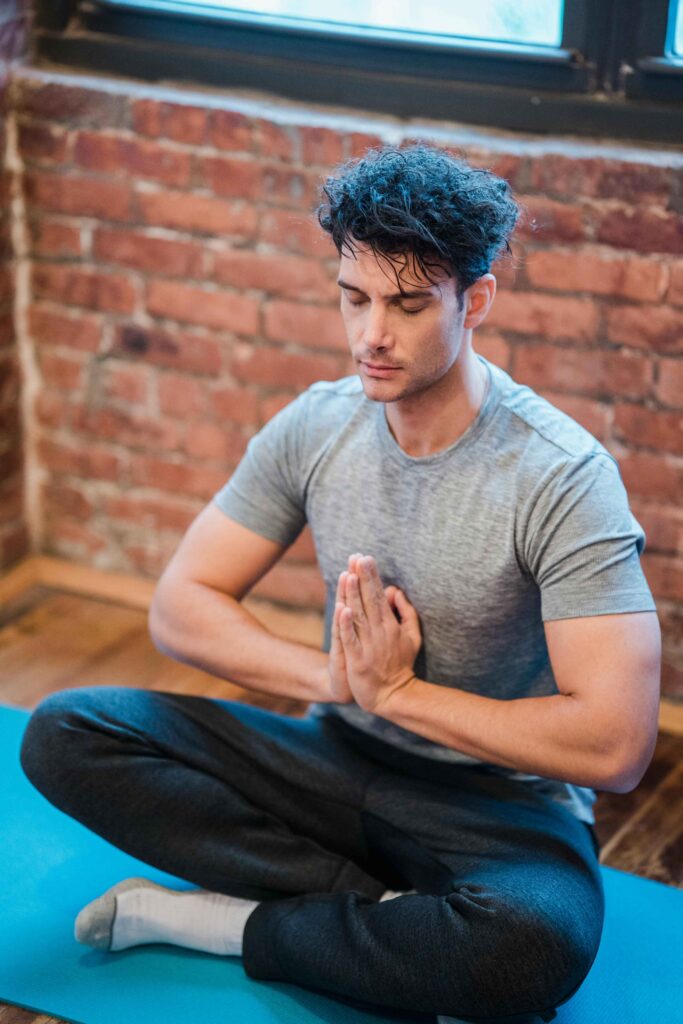
Sit comfortably and breathe in slowly. Pay attention to how your body feels. Notice your thoughts but don’t judge them. This morning moment sets a calm tone for your day.
2. Affirmation Repetition (2 minutes)
After grounding yourself, repeat your chosen affirmations. Use statements that feel honest and supportive. Many people choose affirmations like “I am calm and steady” or “I can handle today with confidence.”
Doing this every morning strengthens the effects of positive affirmations and mindfulness for anxiety.
3. Midday Reset (1–2 minutes)
When stress builds up, stop for a moment. Take a deep breath and gently bring your mind back to the present. Repeat one affirmation you love.
4. Evening Reflection (3–5 minutes)
Before bed, take time to observe your thoughts. Notice how your day felt, what triggered stress, and what helped you stay calm. Reflecting like this deepens your mindfulness practice.
With consistent effort, many people find that positive affirmations and mindfulness for anxiety create long-lasting emotional stability.
Why These Practices Feel “Human”
Positive affirmations and mindfulness are not about perfection. They are about compassion, patience, and understanding what you truly need. They help you treat yourself with the same kindness you offer others.
As you continue using positive affirmations and mindfulness for anxiety, you learn to listen to your emotions and respond with care instead of fear. You begin to see progress in small, meaningful ways, like thinking more clearly or calming your body faster during stressful moments.
Final Thoughts
Anxiety is real, and it affects many people every day. But practices like positive affirmations and mindfulness for anxiety can make life feel lighter, calmer, and more manageable. They help build emotional strength, encourage self-compassion, and create a peaceful space inside your mind.
By choosing supportive thoughts and staying present, you give yourself the chance to grow, heal, and thrive—one breath and one affirmation at a time.

Jen Sheldon is a seasoned writer with a passion for fitness, health, wellness, and addiction treatment. With years of experience crafting insightful and research-backed content, she helps readers navigate their journey toward better well-being. When she’s not writing, you’ll find her exploring new workout routines or diving into the latest health trends.