Now Reading: Saffron Benefits for Depression: A Natural Way to Support Your Mental Health
-
01
Saffron Benefits for Depression: A Natural Way to Support Your Mental Health

Depression affects millions of people around the world, and many are looking for natural, safe, and effective ways to feel better. One option that has gained attention in recent years is saffron. Known as the “golden spice,” saffron has been used for centuries in traditional medicine. Today, researchers are exploring saffron benefits for depression, and the results are promising. In this article, we will look at how saffron may improve mood, why it works, and how you can use it safely.
What Makes Saffron Special?
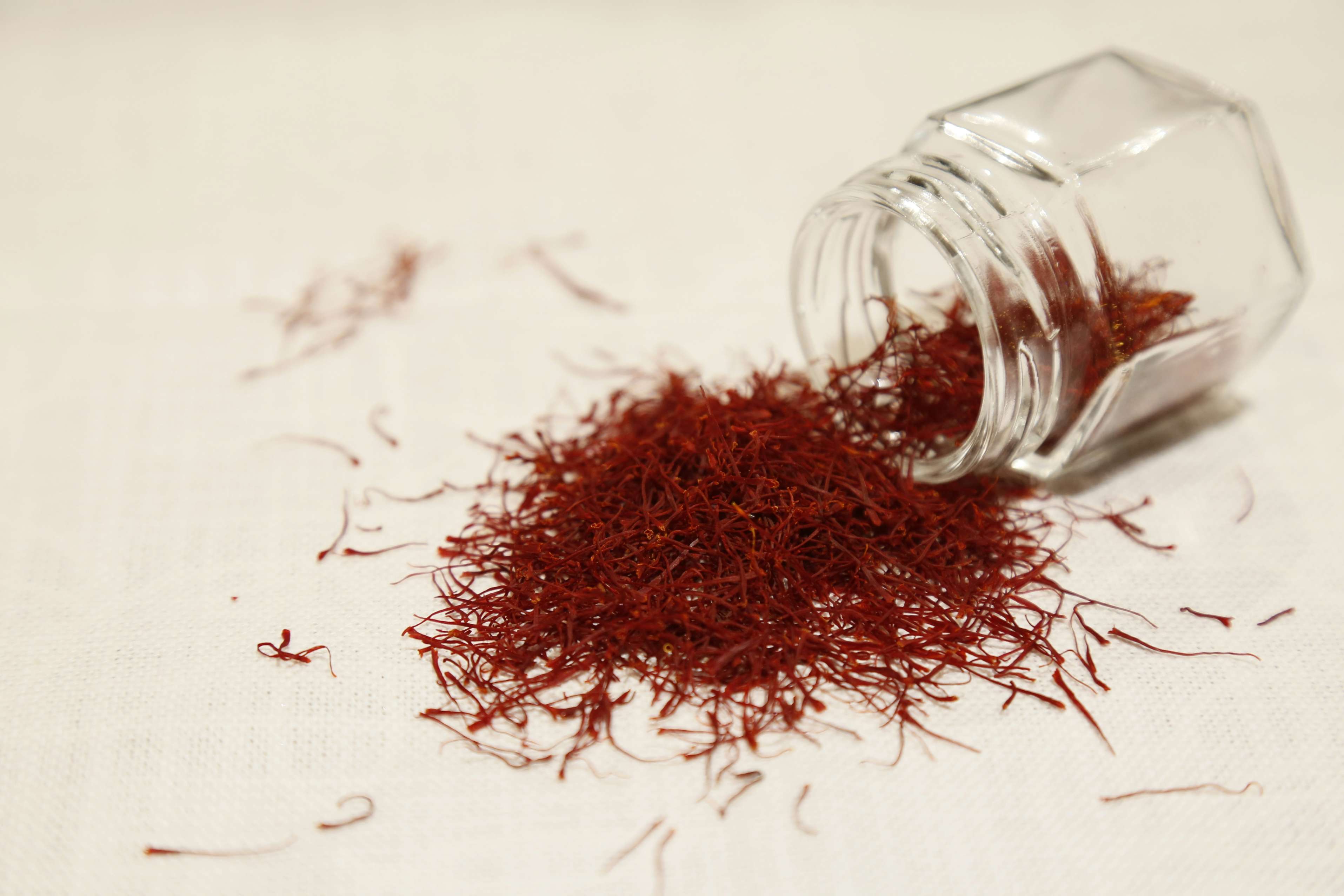
Saffron comes from the flower Crocus sativus. Each flower contains only three tiny red threads, also called stigmas. Farmers must handpick these threads, making saffron one of the most expensive spices in the world. But its value is not just in its price. Saffron contains powerful natural compounds like crocin, crocetin, and safranal. These compounds play a big role in delivering saffron benefits for depression by improving mood and reducing stress.
Research Supporting Saffron Benefits for Depression
Over the last decade, several studies have explored how saffron affects depression. A meta-analysis published in the Journal of Integrative Medicine found that saffron supplements significantly reduced symptoms of mild to moderate depression. In some cases, saffron worked as well as common antidepressants like fluoxetine (Prozac) and imipramine, but with fewer side effects (Hausenblas et al., 2015).
Another study in the Journal of Affective Disorders showed that adults taking 30 mg of saffron daily experienced a noticeable improvement in mood after just six weeks (Lopresti & Drummond, 2017). These findings highlight real, measurable saffron benefits for depression, making it a promising natural option for mood support.
How Saffron Helps Improve Mood
1. Boosts Serotonin Levels
Serotonin is a chemical that helps regulate mood, sleep, and emotions. Low serotonin is strongly linked to depression. Saffron appears to affect serotonin levels in the brain by slowing down how fast the body breaks it down. This means more serotonin stays active, which may boost mood naturally.
2. Reduces Inflammation
Chronic inflammation can play a role in depression. Saffron contains antioxidants that help fight inflammation and protect brain cells from damage. This anti-inflammatory action is another reason experts believe in the saffron benefits for depression.
3. Supports Better Sleep
Quality sleep is essential for mental health, but many people with depression struggle to rest well. Some research shows that saffron may improve sleep quality by calming the nervous system. Better sleep leads to better emotional balance.
4. Enhances Dopamine and GABA Activity
Dopamine helps with motivation and pleasure, while GABA promotes relaxation. Saffron may support both neurotransmitters, which could reduce anxiety and help improve overall mood.
Saffron Benefits for Depression: Why People Prefer Natural Options
Many people prefer natural remedies because they want fewer side effects, more holistic healing, and a gentler approach to mental health. Here are some reasons why saffron stands out:
Fewer Side Effects
Common antidepressants can cause nausea, weight gain, fatigue, or sleep problems. Most studies report that saffron is well tolerated and causes mild, if any, side effects.
A Holistic Approach
Saffron supports emotional well-being, sleep, stress levels, and inflammation all at once. This makes its effects broader than a single-action medication.
Safe for Long-Term Use
Research suggests saffron is safe when taken in recommended doses. This makes long-term mood support possible without strong chemical interactions.
How to Use Saffron for Depression
1. Saffron Supplements
Most studies on saffron benefits for depression use supplements. The typical dosage is 30 mg per day, either in capsules or tablets. This amount is enough to support mood without causing side effects.
2. Saffron Tea
Some people enjoy saffron tea for relaxation. Simply steep a few saffron threads in warm water for 10–15 minutes. While tea may not offer the same strength as supplements, it still provides mild mood benefits.
3. Adding Saffron to Food
You can add saffron to rice, soups, and desserts. However, culinary use typically involves very small amounts, so you may not get the full therapeutic dose for depression.
Safety Tips When Using Saffron
Saffron is generally safe, but you should keep a few things in mind:
- Avoid high doses. Taking more than 50 mg per day is unnecessary and may cause dizziness or stomach issues.
- Check for quality. Some cheap products contain fillers or artificial dyes. Always buy from reputable brands.
- Consult a doctor. If you take medication or have a medical condition, talk to your doctor before using saffron.
Pregnant women should avoid saffron supplements because high doses could cause complications.
Who Can Benefit the Most from Saffron?
Saffron may be especially helpful for people who:
- Have mild to moderate depression
- Prefer natural remedies
- Experience mood changes linked to stress
- Want to support emotional well-being without strong medications
While saffron is not a replacement for medical treatment, it can be a supportive option for many people looking to improve their mental health.
Final Thoughts
Exploring saffron benefits for depression can be a valuable step toward better emotional balance. Research shows that saffron may improve mood, reduce inflammation, boost serotonin, and support overall mental well-being. With its gentle effect and natural support, saffron offers a promising alternative for people seeking relief from depressive symptoms.
As always, mental health is personal. What works for one person may not work for another. But saffron’s long history, scientific backing, and natural healing properties make it worth considering as part of a healthy lifestyle.
If you are looking for a natural, evidence-based way to support your mood, saffron may be the golden spice your mental health needs.

Jen Sheldon is a seasoned writer with a passion for fitness, health, wellness, and addiction treatment. With years of experience crafting insightful and research-backed content, she helps readers navigate their journey toward better well-being. When she’s not writing, you’ll find her exploring new workout routines or diving into the latest health trends.