Now Reading: Stress Reduction Yoga: A Gentle Way to Calm the Mind and Body
-
01
Stress Reduction Yoga: A Gentle Way to Calm the Mind and Body
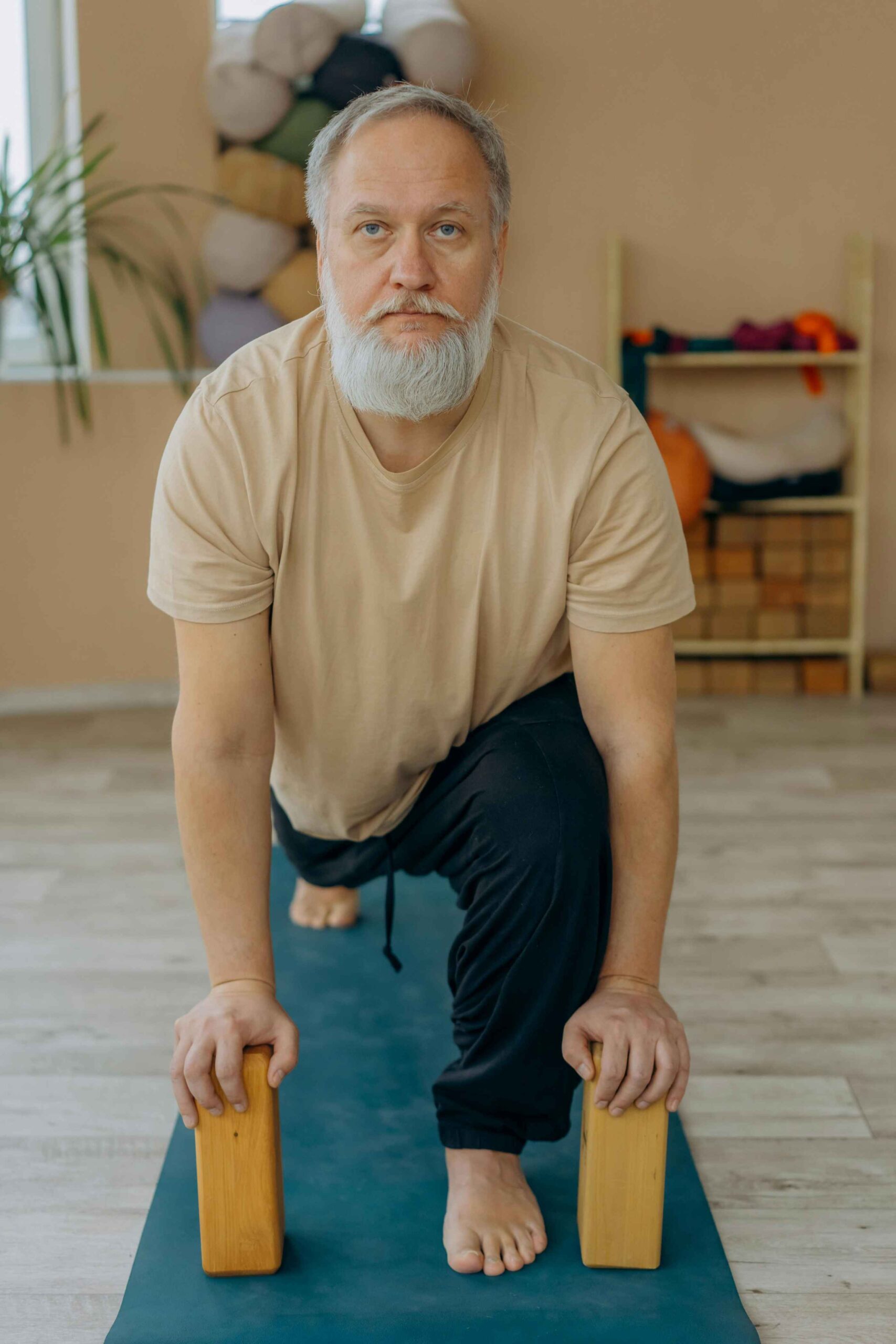
Modern life can feel like a lot to handle. Juggling work, family, and constant online connections often leaves us tense and worn out. The American Institute of Stress says about 77% of people feel stress that affects their physical health (American Institute of Stress). Because of this, many are turning to natural ways to care for their mental well-being.
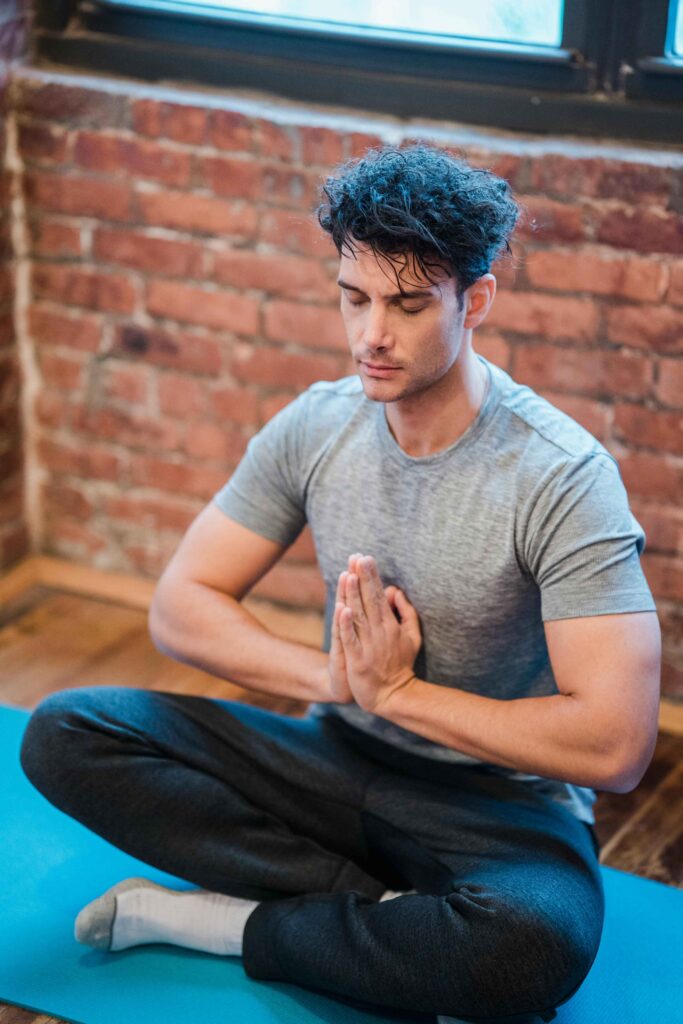
Stress reduction yoga is a great way to manage stress. It uses slow movements, focused breathing, and mindfulness. Rather than pushing your body, this yoga helps you relax and stay present. In this article, you’ll find out how stress reduction yoga works, what research says about it, and some simple poses you can try to ease tension.
What Is Stress Reduction Yoga?
Stress reduction yoga is designed to calm your nervous system and help you let go of emotional tension. It uses gentle movements, slow breathing, and relaxing poses.
There are many styles of traditional yoga, and some can be pretty challenging. Stress reduction yoga stands out because it focuses on mindfulness and relaxation, not intensity. The goal is to release tension and find balance, rather than push your body.
Many people think of stress reduction yoga as a moving meditation. Its slow, careful movements help you stay focused on the present moment.
How Stress Reduction Yoga Works
Stress reduction yoga works by calming your body’s stress response. When you feel overwhelmed, your body enters ‘fight-or-flight’ mode. Your heart beats faster, your breathing becomes shallow, and your muscles get tense.
Practicing stress reduction yoga can help switch off this stress response. Slow breathing and gentle stretches activate your parasympathetic nervous system, which helps you relax.
Research from Harvard Health Publishing shows that yoga can lower stress, anxiety, and depression, and improve overall well-being (Harvard Health). These effects help explain why stress reduction yoga is often recommended for mental health.
Benefits of Stress Reduction Yoga
Practicing stress reduction yoga regularly offers many mental and physical health benefits.
Reduces Anxiety and Emotional Tension
One of the main benefits of stress reduction yoga is its calming effect on your nervous system. Slow breathing and mindful movement help reduce anxiety and emotional tension.
Improves Sleep Quality
When stress increases, many people struggle to sleep. Stress reduction yoga helps relax your body and prepares your mind for better rest.
Lowers Blood Pressure and Heart Rate
Studies show that yoga can help lower blood pressure and support heart health.
Improves Focus and Mental Clarity
As your mind slows down during stress reduction yoga, your focus improves. This mental clarity can help you handle everyday challenges more easily.
With regular practice, stress reduction yoga helps you manage stress with greater calm and resilience.
9 Best Stress Reduction Yoga Poses
Calming poses are a key part of stress reduction yoga. The poses below can help you release tension and relax.
1. Cat-Cow Pose (Marjaryasana–Bitilasana)
Cat-Cow Pose gently stretches your spine and encourages deep breathing. Moving between these two positions helps release tension in your back and neck.
This pose also helps improve your breathing, making it a valuable part of any stress reduction yoga routine.
2. Child’s Pose (Balasana)
Child’s Pose is one of the most calming positions in stress reduction yoga. It gently stretches your lower back and lets your body rest.
The forward fold in this pose helps you relax and feel more grounded.
3. Legs-Up-the-Wall Pose (Viparita Karani)
For this restorative pose, lie on the floor and stretch your legs up the wall. It helps your circulation and can reduce tiredness.
Many yoga teachers recommend this pose as an important part of stress reduction yoga.
4. Corpse Pose (Savasana)
Corpse Pose allows your whole body to relax. You lie on your back and focus on slow, steady breathing.
Even though it looks simple, this pose is one of the most powerful ways to reduce stress with yoga.
5. Reclining Bound Angle Pose
This gentle pose opens your hips and chest and encourages deep breathing. It can help release emotional tension stored in your body.
Practicing this pose regularly can increase the benefits you get from stress reduction yoga.
6. Downward Dog
Downward Dog stretches your whole body and supports circulation. It’s a gentle challenge that also helps you release tension.
Many people include this pose in their stress reduction yoga routines.
7. Happy Baby Pose
Happy Baby Pose stretches your hips and lower back and helps you relax. Its playful feel can also help lift emotional tension.
This pose is a natural fit for calming, stress-reducing yoga sessions.
8. Seated Forward Bend
Forward bends are known to calm the nervous system. This pose helps you turn inward and breathe deeply.
For many people, this pose becomes an important part of their stress reduction yoga practice.
9. Rag Doll Pose
Rag Doll Pose means bending forward and letting your upper body hang loose. This pose helps release tension in your neck, shoulders, and back.
It can also help you let go of emotional stress, making it a great addition to stress reduction yoga routines.
Breathing Techniques in Stress Reduction Yoga
Breathing is a key part of stress reduction yoga. Focusing on your breath helps calm your nervous system and lower stress hormones.
Diaphragmatic Breathing
With this technique, you breathe deeply into your belly instead of your chest. This slows your heart rate and helps you relax.
Box Breathing
Box breathing means you inhale, hold your breath, exhale, and hold again, each for the same amount of time. This pattern can help calm anxiety.
Alternate Nostril Breathing
This traditional yoga breathing technique helps balance your nervous system and makes you more mindful.
Yoga Meditation for Stress Relief
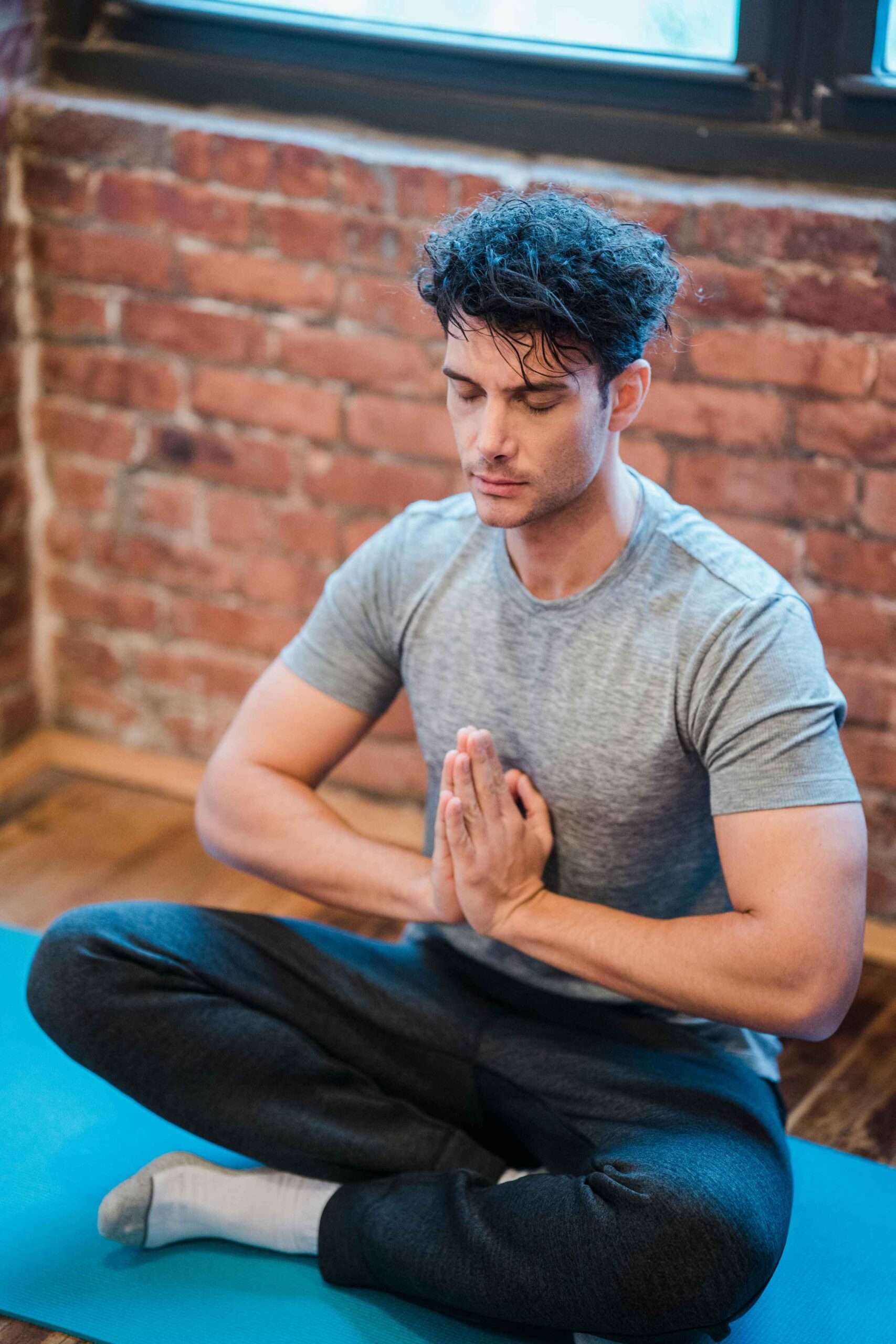
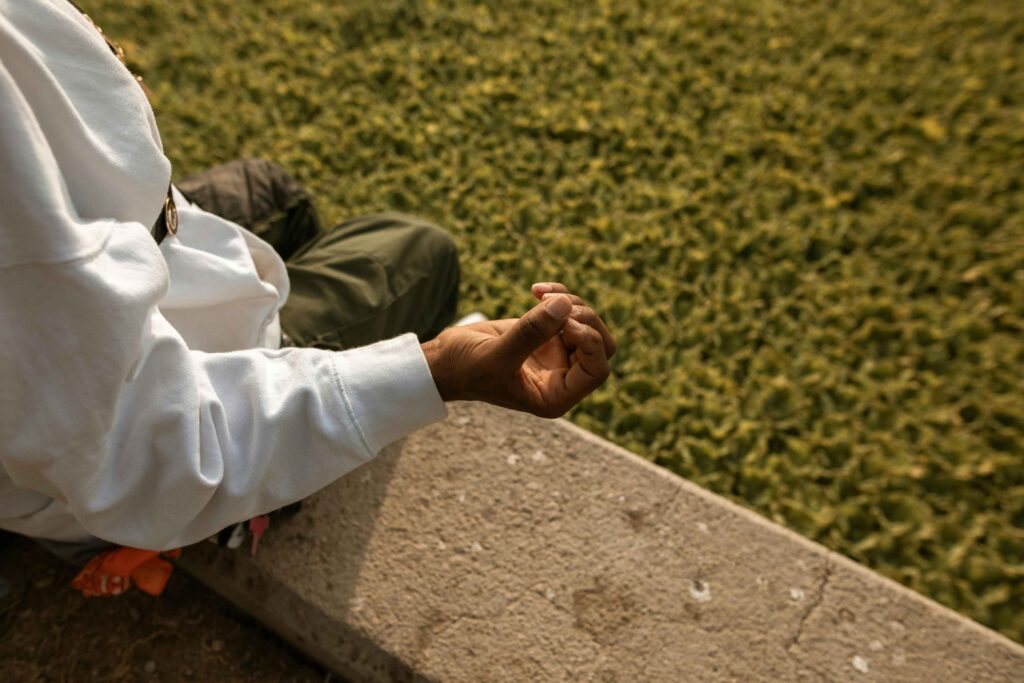
Meditation often goes hand in hand with stress reduction yoga. During meditation, you focus on your breath or on how your body feels.
Mindfulness meditation helps you stop overthinking and respond to stress in a calmer way.
Many yoga teachers include short meditation sessions at the end of stress reduction yoga classes.
How to Build a Stress Reduction Yoga Routine
Creating a simple routine can help you fit stress reduction yoga into your daily life.
Morning: Do gentle stretches and breathing exercises.
Afternoon: Try poses that help you reset your posture and release tension from sitting.
Evening: End your day with restorative poses and meditation.
Doing stress reduction yoga for 15 to 20 minutes a few times a week can make a big difference in how you feel.
Final Thoughts on Stress Reduction Yoga
Stress is a normal part of life, but excessive stress can harm your body and mind. Stress-reduction yoga is a safe and effective way to restore balance.
Through mindful movement, breathing, and relaxation, stress reduction yoga helps calm your nervous system and supports your emotional well-being.
With patience and regular practice, this gentle approach can become a powerful tool for your long-term mental health.
Watch: Yoga for Stress Relief (Harvard Health)
Take a look at this helpful video to learn simple yoga techniques for relaxation:
References
American Institute of Stress – Stress Effects
https://www.stress.org/stress-effects
Harvard Health Publishing – Yoga for Better Health
https://www.health.harvard.edu/staying-healthy/yoga-for-better-health
National Institutes of Health – Yoga for Health Research
https://www.nccih.nih.gov/health/yoga-what-you-need-to-know
World Health Organization – Mental Health and Stress
https://www.who.int/news-room/fact-sheets/detail/mental-disorders

Jen Sheldon is a seasoned writer with a passion for fitness, health, wellness, and addiction treatment. With years of experience crafting insightful and research-backed content, she helps readers navigate their journey toward better well-being. When she’s not writing, you’ll find her exploring new workout routines or diving into the latest health trends.