Now Reading: Yoga for Depression Relief: A Gentle Path Toward Emotional Healing
-
01
Yoga for Depression Relief: A Gentle Path Toward Emotional Healing

Depression affects millions of people worldwide. It can drain energy, lower motivation, and make daily life feel overwhelming. While therapy and medication are common treatments, many people now turn to yoga for depression relief as a supportive, natural approach. Yoga is not a cure, but it can play a powerful role in improving mood, reducing stress, and restoring emotional balance.

This article explains how yoga works for mental health, what science says about it, and how you can start using yoga for depression relief safely and effectively.
Understanding Depression and Its Impact
Depression is more than feeling sad for a few days. It is a serious mental health condition that affects thoughts, emotions, behavior, and physical health.
According to the World Health Organization (WHO), more than 280 million people worldwide live with depression, making it one of the leading causes of disability globally (WHO, 2023). Symptoms may include:
- Persistent sadness or emptiness
- Loss of interest in activities
- Fatigue and low energy
- Sleep disturbances
- Difficulty concentrating
Because depression affects both the mind and body, treatments that address both—like yoga—can be especially helpful.
What Is Yoga and Why It Helps Mental Health
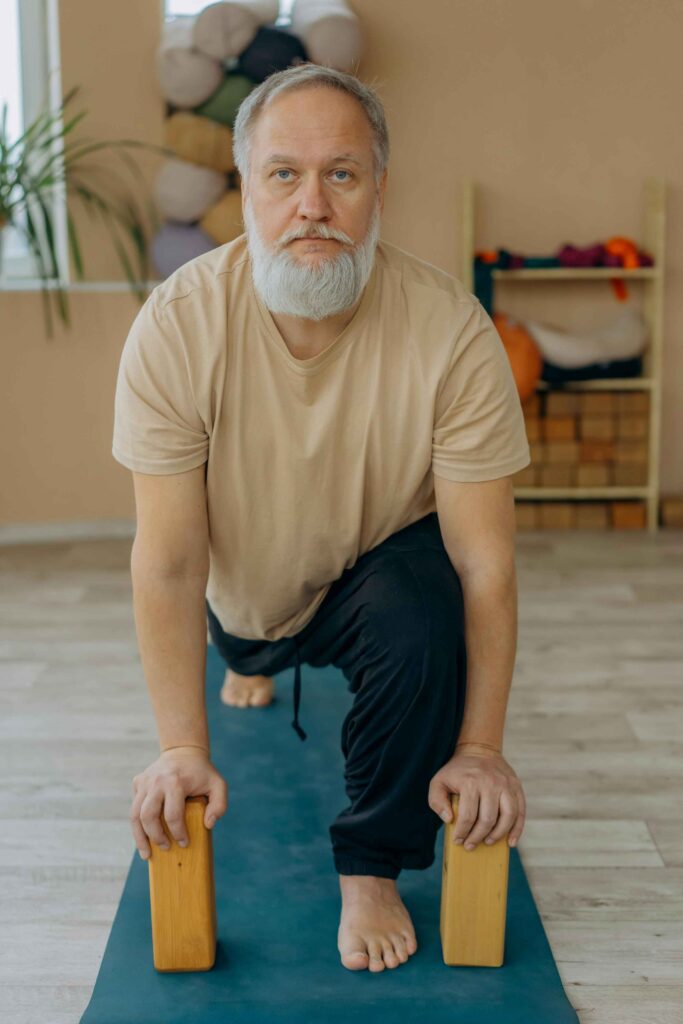
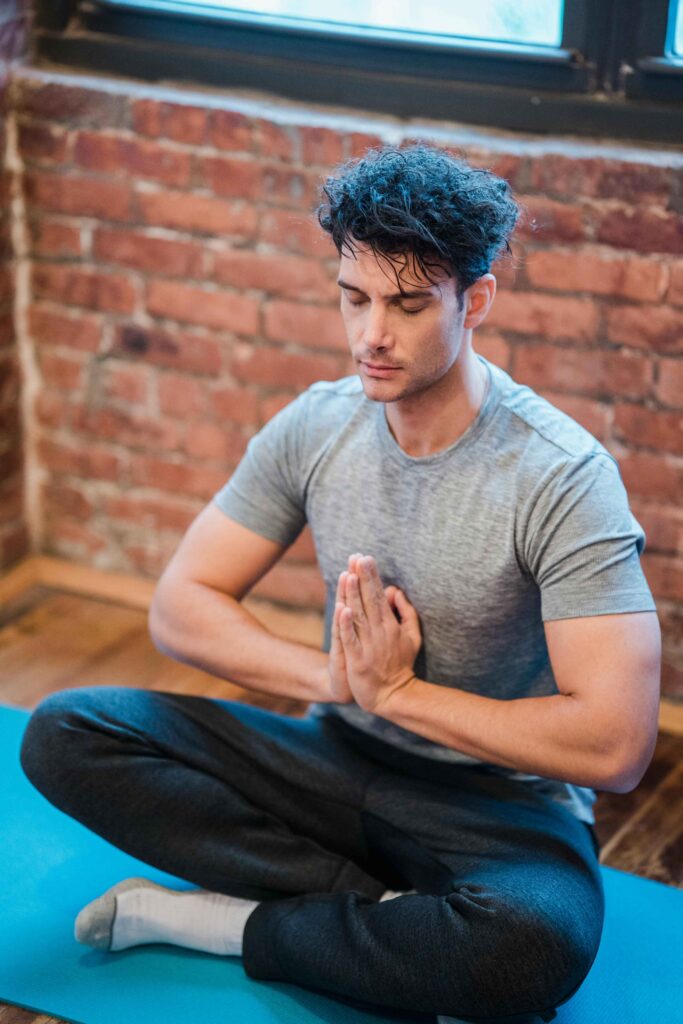
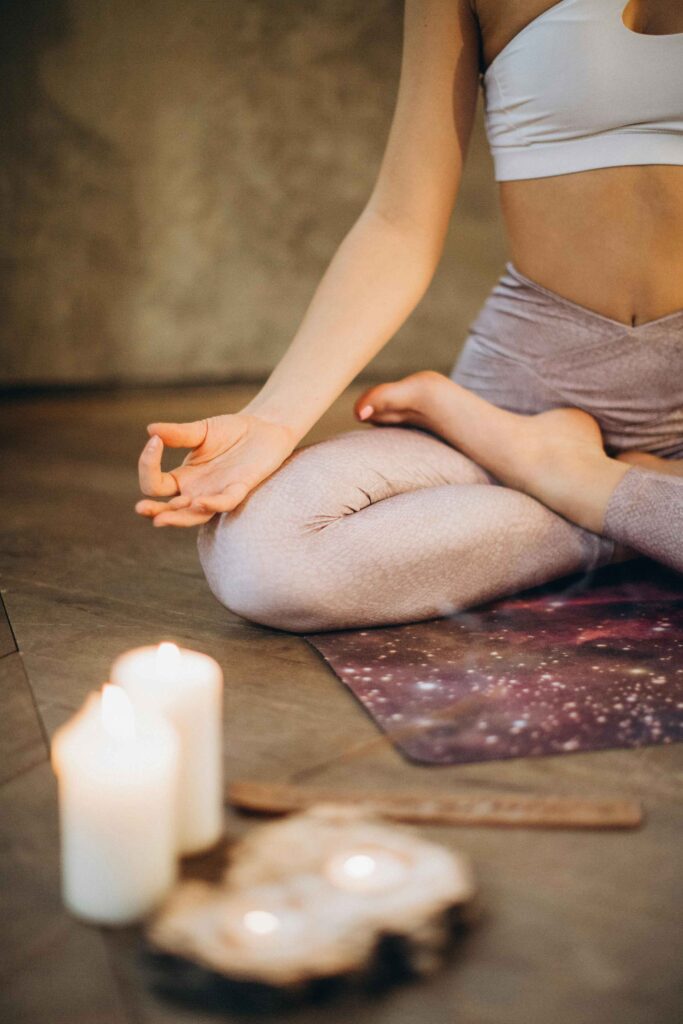
Yoga is an ancient mind-body practice that combines physical postures, controlled breathing, and mindfulness. Unlike intense workouts, yoga focuses on gentle movement and awareness.
When people practice yoga for depression relief, they engage the nervous system in a calming way. Yoga helps slow racing thoughts, relax tense muscles, and create a sense of inner stability.
Yoga supports mental health by:
- Reducing stress hormones like cortisol
- Increasing relaxation responses in the brain
- Encouraging mindfulness and self-compassion
- Improving sleep quality
These effects directly support emotional well-being.
The Science Behind Yoga for Depression Relief
Research strongly supports the mental health benefits of yoga.
A 2017 meta-analysis published in the journal Depression and Anxiety found that yoga significantly reduced depressive symptoms, especially in people with mild to moderate depression (Cramer et al., 2017). The researchers noted that yoga worked well as a complementary treatment alongside traditional care.
Another study in the Journal of Psychiatric Practice reported that yoga improves levels of gamma-aminobutyric acid (GABA), a neurotransmitter linked to mood regulation. Low GABA levels are often associated with depression and anxiety (Streeter et al., 2012).
These findings explain why many therapists now recommend yoga for depression relief as part of a holistic treatment plan.
How Yoga Supports Emotional Healing
1. Regulates the Nervous System
Depression often keeps the body stuck in a stress response. Yoga activates the parasympathetic nervous system, which promotes relaxation and emotional safety. This helps calm the mind and reduce feelings of overwhelm.
2. Improves Mindfulness and Awareness
Yoga teaches you to stay present. Instead of replaying negative thoughts, you learn to focus on breath and movement. This shift can reduce rumination, a common symptom of depression.
3. Encourages Gentle Physical Activity
Exercise releases endorphins, which improve mood. Yoga offers gentle movement without pressure, making it ideal when energy levels are low. This makes yoga for depression relief accessible even on difficult days.
4. Builds Self-Compassion
Depression often comes with harsh self-judgment. Yoga encourages acceptance and patience. Over time, this can improve self-esteem and emotional resilience.
Best Types of Yoga for Depression Relief
Not all yoga styles feel the same. Some are more suitable for emotional healing than others.
Hatha Yoga
Hatha yoga uses slow movements and basic postures. It is beginner-friendly and calming, making it effective for yoga for depression relief.
Restorative Yoga
Restorative yoga uses props to support the body in restful poses. It deeply relaxes the nervous system and helps reduce emotional exhaustion.
Yin Yoga
Yin yoga involves long-held poses that target deep tissues. It promotes stillness and emotional release, which can be helpful for people processing heavy emotions.
Gentle Vinyasa
Gentle vinyasa links breath with slow movement. It improves circulation and mood without being overwhelming.
Yoga Poses That Support Depression Relief
Certain poses are known to support emotional balance and mental clarity.
Child’s Pose (Balasana)
This pose promotes safety and grounding. It helps release tension in the back and shoulders.
Cat-Cow Pose (Marjaryasana-Bitilasana)
This gentle movement improves spinal flexibility and encourages mindful breathing.
Legs Up the Wall (Viparita Karani)
This restorative pose calms the nervous system and reduces fatigue.
Seated Forward Fold (Paschimottanasana)
This pose encourages introspection and relaxation.
Practicing these poses regularly strengthens the benefits of yoga for depression relief.
Breathing Techniques That Improve Mood
Breathwork, or pranayama, plays a key role in yoga.
Deep Belly Breathing
Slow, deep breathing signals the brain to relax. It helps reduce anxiety and emotional tension.
Alternate Nostril Breathing (Nadi Shodhana)
This technique balances the nervous system and improves focus.
Extended Exhale Breathing
Longer exhales activate relaxation responses, which support emotional stability.
Breathing practices enhance the effectiveness of yoga for depression relief by calming the mind.
How Often Should You Practice Yoga?
Consistency matters more than intensity. Research suggests that practicing yoga 2–3 times per week can lead to noticeable improvements in mood and stress levels (Cramer et al., 2017).
Even 10–20 minutes daily can make a difference. Gentle, regular sessions are more effective than occasional intense workouts.
Yoga as a Complement, Not a Replacement
Yoga works best as a supportive tool. It should not replace professional treatment for depression.
The National Institute of Mental Health (NIMH) emphasizes that psychotherapy and medication remain essential treatments for moderate to severe depression (NIMH, 2024). Yoga complements these approaches by improving emotional regulation and stress management.
If symptoms worsen, always seek help from a qualified mental health professional.
Getting Started with Yoga for Depression Relief
You can start yoga in simple ways:
- Join a beginner-friendly class
- Follow guided online videos focused on mental health
- Practice at home in a quiet space
- Choose gentle styles and avoid pressure
Listen to your body and move at your own pace. The goal of yoga for depression relief is not perfection, but presence.
Final Thoughts
Depression can feel isolating, but healing is possible. Yoga offers a compassionate, body-based approach that supports emotional recovery. By calming the nervous system, improving mood, and encouraging self-awareness, yoga for depression relief helps many people reconnect with hope and inner strength.
While yoga is not a cure, it can be a meaningful part of a balanced mental health routine. With patience and consistency, yoga may help you feel more grounded, supported, and emotionally resilient—one breath at a time.

Jen Sheldon is a seasoned writer with a passion for fitness, health, wellness, and addiction treatment. With years of experience crafting insightful and research-backed content, she helps readers navigate their journey toward better well-being. When she’s not writing, you’ll find her exploring new workout routines or diving into the latest health trends.