Now Reading: 11 Yoga Poses for Stress and Anxiety That Actually Work
-
01
11 Yoga Poses for Stress and Anxiety That Actually Work
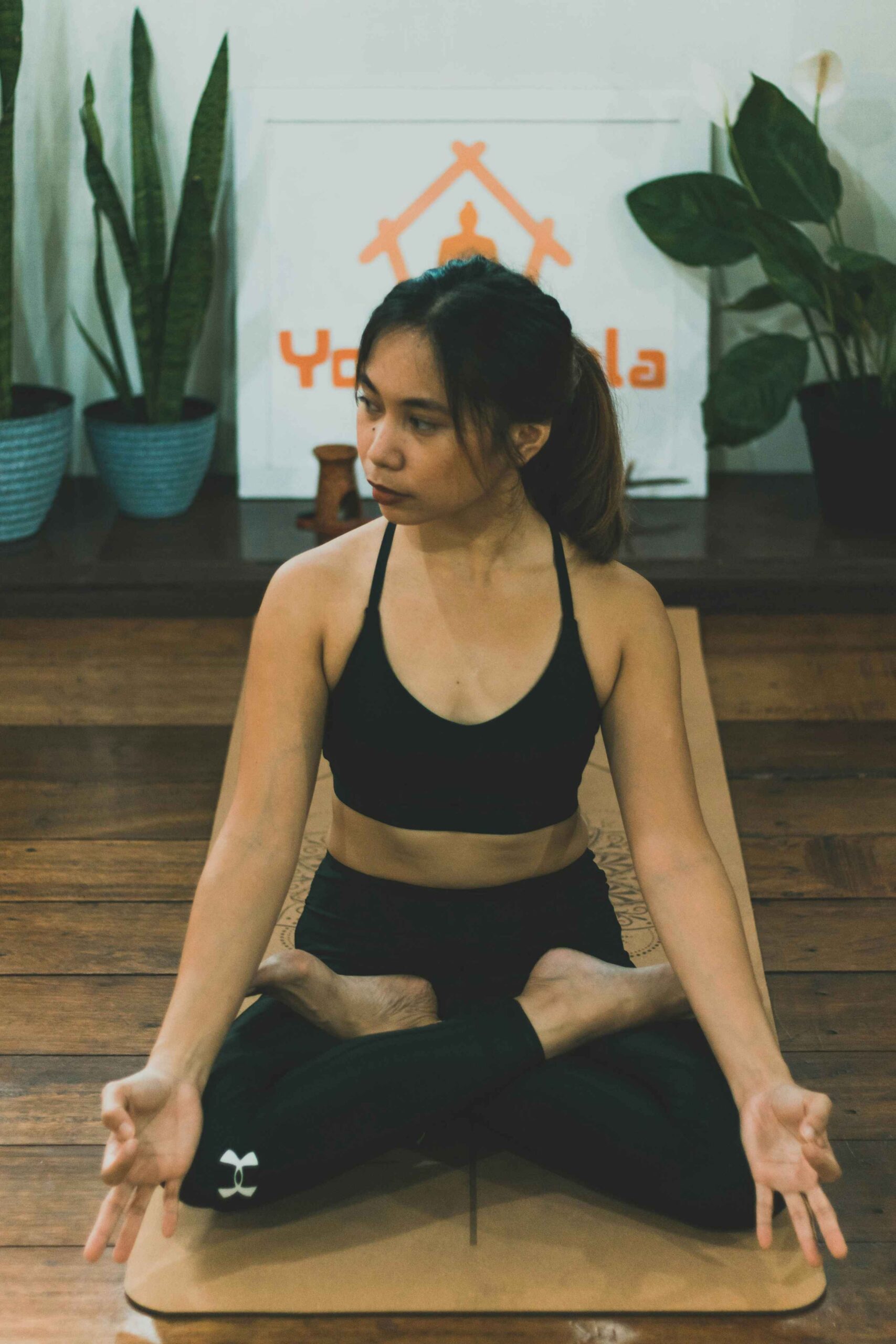
Stress has become part of daily life. Work pressure, family demands, and constant screen time can leave your body in a constant state of alert. According to the National Institute of Mental Health (NIMH), anxiety disorders affect over 19% of U.S. adults each year (https://www.nimh.nih.gov/health/statistics/any-anxiety-disorder).
Many people now use yoga poses for stress and anxiety as a natural way to calm both mind and body. Research shows yoga can lower cortisol levels and activate the parasympathetic nervous system, which is responsible for relaxation.
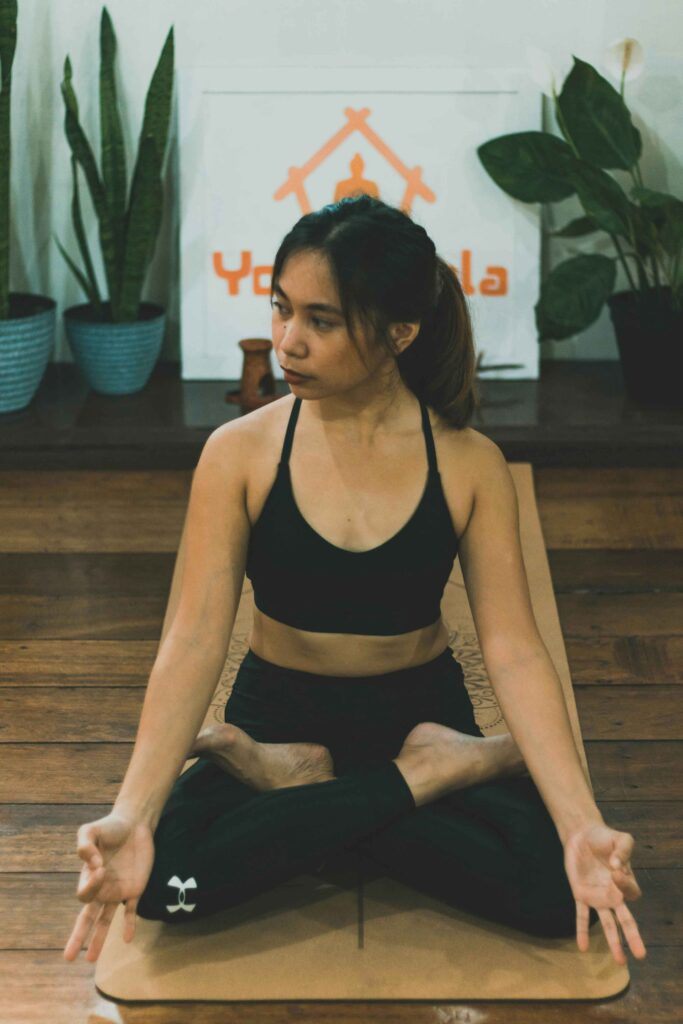
If you want simple, beginner-friendly yoga poses for stress and anxiety, this guide will show you 11 calming options you can try today.
Does Yoga Really Help with Stress and Anxiety?
Yes, yoga can help regulate stress.
Practicing yoga helps you slow your breathing and focus your attention. This activates the vagus nerve and lowers stress hormones. A review in JAMA Internal Medicine found that mindfulness practices can significantly reduce anxiety symptoms (https://jamanetwork.com/journals/jamainternalmedicine/fullarticle/1809754).
Harvard Health also explains how yoga supports stress relief by calming the nervous system (https://www.health.harvard.edu/mind-and-mood/yoga-for-anxiety-and-depression).
Practicing yoga poses for stress and anxiety regularly may help you sleep better, ease muscle tension, and improve your emotional balance.
11 Best Yoga Poses for Stress and Anxiety
Here are some practical yoga poses for stress and anxiety, along with easy-to-follow instructions.
1. Child’s Pose (Balasana)
Child’s Pose gently stretches your back and helps your nervous system feel safe.
How to do it:
- Kneel on the floor and sit back on your heels.
- Lower your chest forward and rest your forehead on the mat.
- Extend arms forward or place them by your sides.
- Breathe slowly for 1–3 minutes.
Child’s Pose remains one of the most restorative yoga poses for stress and anxiety.
2. Legs-Up-the-Wall Pose (Viparita Karani)
This pose helps your circulation and encourages deep relaxation.
How to do it:
- Sit next to a wall.
- Swing your legs up as you lie back.
- Rest arms at your sides.
- Close your eyes and breathe deeply.
Many therapists consider this one of the most effective yoga poses for stress and anxiety.
3. Cat-Cow Pose
This gentle flow connects your breath with your movements.
How to do it:
- Start on hands and knees.
- Inhale and arch your back (Cow).
- Exhale and round your spine (Cat).
- Repeat for 1–2 minutes.
Cat-Cow releases tension and supports yoga poses for stress and anxiety routines.
4. Standing Forward Bend
Forward folds help calm your mind.
How to do it:
- Stand tall.
- Hinge at the hips and fold forward.
- Bend knees slightly.
- Hold for several breaths.
This simple pose adds to the calming effects of yoga for stress and anxiety.
5. Tree Pose
Tree Pose helps you build balance and focus.
How to do it:
- Stand on one leg.
- Place the other foot on your inner thigh or calf.
- Bring your hands to the prayer position.
- Focus on one steady point.
Balance poses like this one can help you build resilience during your yoga practice for stress and anxiety.
6. Hero Pose
Hero Pose encourages you to breathe mindfully.
How to do it:
- Kneel with knees together.
- Sit between your heels.
- Place hands on thighs.
- Practice slow breathing.
Controlled breathing deepens the benefits of yoga poses for stress and anxiety.
7. Extended Puppy Pose
This heart-opening stretch relieves tension in the upper back.
How to do it:
- Start on hands and knees.
- Walk hands forward.
- Lower chest toward the mat.
- Hold and breathe.
This pose works well with other yoga poses for stress and anxiety.
8. Reclining Bound Angle Pose
This pose helps you relax deeply.
How to do it:
- Lie on your back.
- Bring the soles of the feet together.
- Let knees fall open.
- Place pillows under knees if needed.
Restorative poses like this one are important in yoga routines for stress and anxiety.
9. Seated Forward Bend
This pose helps soothe your nervous system.
How to do it:
- Sit with legs extended.
- Reach toward your feet.
- Keep your spine long.
- Breathe slowly.
Gentle stretching like this can make yoga for stress and anxiety even more calming.
10. Triangle Pose
Triangle Pose stretches the sides of your body and helps you feel more stable.
How to do it:
- Stand with legs wide.
- Extend arms out.
- Reach forward and lower one hand to the shin.
- Look upward or forward.
Active standing poses like this one balance out the calming effects of other yoga poses for stress and anxiety.
11. Head-to-Knee Forward Bend
This seated stretch gives you a chance to look inward.
How to do it:
- Sit with one leg extended.
- Bend the opposite knee.
- Reach toward the extended leg.
- Hold and breathe.
This completes a balanced series of yoga poses for stress and anxiety.
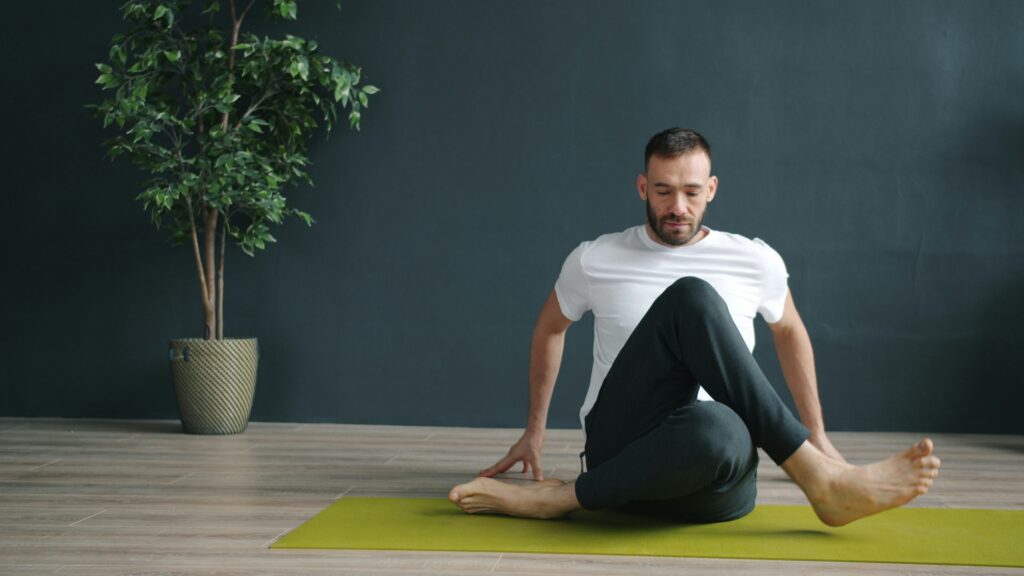
9 Tips to Get the Most from Yoga for Stress Relief
To get the most out of yoga for stress and anxiety, try these tips:
- Start small and stay consistent.
- Create a calming space.
- Focus on how it feels, not how it looks.
- Let your breath guide each movement.
- Try restorative or gentle yoga styles.
- Use props for comfort.
- Avoid comparison.
- Pair yoga with journaling.
- Practice self-compassion.
Being consistent is more important than pushing yourself hard when practicing yoga for stress and anxiety.
For guided sessions, visit this resource from Yoga With Adriene :
Safety Tips
Yoga poses for stress and anxiety are usually safe, but you should avoid pain and change poses if you have injuries. Talk to your healthcare provider if you have any chronic conditions.
Final Thoughts
Life can feel overwhelming, but small daily habits can make a real difference. Practicing yoga for stress and anxiety helps regulate your nervous system and build emotional resilience.
You don’t need to be flexible or have any experience. Just start with one or two poses and focus on your breath. With regular practice, yoga for stress and anxiety can help you feel calmer, sleep better, and handle stress with more balance.
References
- National Institute of Mental Health. Anxiety Statistics.
https://www.nimh.nih.gov/health/statistics/any-anxiety-disorder - Goyal M et al. Meditation Programs for Psychological Stress. JAMA Internal Medicine.
https://jamanetwork.com/journals/jamainternalmedicine/fullarticle/1809754 - Harvard Health Publishing. Yoga for Anxiety and Depression.
https://www.health.harvard.edu/mind-and-mood/yoga-for-anxiety-and-depression

Jen Sheldon is a seasoned writer with a passion for fitness, health, wellness, and addiction treatment. With years of experience crafting insightful and research-backed content, she helps readers navigate their journey toward better well-being. When she’s not writing, you’ll find her exploring new workout routines or diving into the latest health trends.