Now Reading: 7 Benefits of Avocado Oil on Hair and How to Use It
-
01
7 Benefits of Avocado Oil on Hair and How to Use It
Dry, frizzy, or tangled hair can be tough to manage, especially if you use heat tools, color your hair, or wash it often. Using a basic hair oil can help make your hair feel softer and easier to style.
Avocado oil helps hair mostly by coating and conditioning each strand. It is rich in monounsaturated fats like oleic acid and also contains vitamin E. According to Cleveland Clinic, avocado oil is high in these healthy fats and antioxidants, including vitamin E.
However, avocado oil is not a miracle cure for hair growth. Its main benefit is working as a conditioning oil to improve the look and feel of dry or damaged hair.
What Is Avocado Oil?
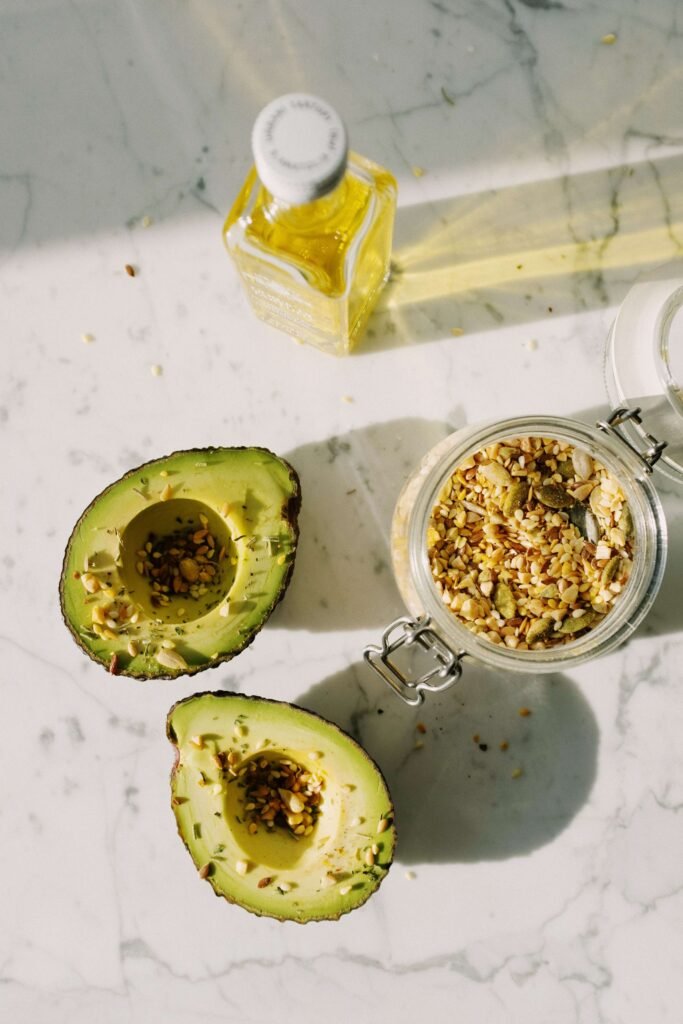
Avocado oil is extracted from the flesh of avocados. Unlike many seed oils, it contains a high proportion of monounsaturated fat.
Cleveland Clinic reports that around 70% of the fat in avocado oil is monounsaturated, with oleic acid making up an important part of that fat profile.
Avocado oil is found in many hair products, such as conditioners, masks, serums, scalp oils, and leave-ins. Its main benefit comes from coating and lubricating hair strands, not from vitamins reaching the hair follicle.
7 Benefits of Avocado Oil on Hair
1. Helps Reduce Dryness
One of the most useful benefits of avocado oil on hair is its conditioning effect.
Hair oils can coat the strand and reduce the rough feeling that comes with dryness. Cleveland Clinic explains that hair oiling can help add moisture and shine, especially for hair affected by heat or styling damage.
Avocado oil may be especially useful on dry lengths and ends. A small amount can make hair feel softer without requiring a full mask or deep-conditioning treatment.
2. Improves Softness and Manageability
Dry hair often feels rough because the outer surface of the strand becomes more uneven.
Applying a small amount of oil can reduce friction between strands and make them easier to separate and style. The American Academy of Dermatology notes that conditioning products can moisturize, detangle, and make hair easier to manage.
This is also why avocado oil works well as a finishing oil.
3. May Help Reduce Frizz
Frizz often becomes more noticeable when hair is dry, rough, or damaged.
Avocado oil can smooth the surface of the hair and help strands lie more neatly together. That can make hair look shinier and less puffy.
People with curly or textured hair may notice this benefit of avocado oil most quickly.
But oil does not permanently change your hair’s structure. The effect only lasts while your hair stays conditioned.
4. Helps With Detangling
Tangles form when strands catch against one another.
A small amount of avocado oil can add slip, making it easier for strands to move apart during combing. This may reduce the need for aggressive pulling.
That matters because wet hair is especially vulnerable to breakage. The American Academy of Dermatology recommends treating wet hair gently and using a wide-tooth comb when appropriate for your hair type.
Less pulling during detangling can mean less mechanical breakage.
5. May Reduce Mechanical Damage
Brushing, washing, sleeping, styling, and tying hair back all create friction.
Avocado oil can leave a thin coating on the hair shaft. This may help strands slide against one another rather than rubbing as strongly.
The American Academy of Dermatology also warns that excessive brushing and rough styling can cause split ends and breakage over time.
So, reducing friction is a practical benefit of avocado oil, especially if your hair ends break easily.
6. Works Well for Curly and Textured Hair
Curly, coily, and thick hair often becomes dry more easily because natural scalp oils do not travel down the strand as evenly as they do on straight hair.
The American Academy of Dermatology recommends applying conditioner through the full length of dry or curly hair because these hair types often need more moisture.
Avocado oil can also help by sealing in softness and making curls easier to manage.
Start with only a few drops. Too much oil can make curls look flat or greasy.
7. May Help Protect Against Environmental Dryness
Sun exposure can make hair feel dry and rough over time.
Cleveland Clinic notes that natural oils, including avocado oil, may help form a protective barrier that locks in moisture and reduces drying from UV exposure.
This does not mean avocado oil works like sunscreen for your scalp. If your scalp is exposed, Cleveland Clinic recommends regular sunscreen with SPF 30 or higher for skin protection.
The real benefit is that avocado oil helps keep hair moisturized, not that it fully protects against UV rays.
Does Avocado Oil Help Hair Growth?
This is one of the most common questions about the benefits of avocado oil on hair.
At present, there is no strong clinical evidence showing that topical avocado oil directly stimulates follicles and causes new hair growth.
Avocado oil may help reduce breakage and improve your hair’s condition. If your hair breaks less, you might keep more length over time. This can make your hair look fuller or longer, even if it does not speed up new growth.
Persistent hair loss can have many causes, including genetics, stress, thyroid problems, iron deficiency, alopecia, medications, and scalp conditions.
If you notice sudden shedding, bald patches, scalp inflammation, or ongoing thinning, see a dermatologist rather than relying only on hair oils.
Avocado Oil for Curly Hair
Curly hair can benefit from oils because dryness and friction often make curls feel rough and look frizzy.
Use avocado oil after applying your usual conditioner or leave-in product. Rub two or three drops between your palms and smooth them over the mid-lengths and ends.
The American Academy of Dermatology recommends using only a small amount of leave-in product and focusing it on dry, frizzy, brittle, or tangled areas rather than coating the scalp unnecessarily.
The same approach works well with avocado oil.
How to Use Avocado Oil for Hair
As a Leave-In Oil
Start with two to four drops.
Rub the oil between your palms and gently smooth it over damp or dry ends. Fine hair may need only one or two drops.
This method works best for frizz, dry ends, and shine.
As a Pre-Shampoo Treatment
Apply a small amount of avocado oil to your lengths before shampooing.
Leave it on for around 20 to 30 minutes, then shampoo normally.
This can be useful if your hair tends to feel stripped or rough after washing.
In a Hair Mask
Mix a small amount of avocado oil into your normal conditioner or hair mask.
Apply mainly from the mid-lengths to the ends, leave it on according to the product directions, and rinse thoroughly.
You do not have to use a lot of oil to see the benefits of avocado oil for your hair.
As a Warm Oil Treatment
Warm a small amount of avocado oil until it is only slightly warm, never hot.
Apply it to the hair lengths and leave it on briefly before washing.
Always test the temperature first to avoid burning the skin or scalp.
Avocado Oil vs. Coconut Oil vs. Olive Oil
Different oils suit different hair types.
Avocado oil has a medium texture and works well for softness, frizz, and dry ends.
Coconut oil has been studied more extensively for its effects on hair protein loss and may work well as a pre-shampoo treatment.
Olive oil is heavier and may suit very dry or thick hair but can easily weigh down fine strands.
There is no single best oil for everyone. The right choice depends on your hair’s thickness, curl pattern, porosity, and how you style it.
Can Avocado Oil Protect Hair From Heat?
Be careful with this claim.
Avocado oil has a relatively high smoke point when used for cooking, but that does not automatically make it a proven thermal protectant for hair.
If you regularly use flat irons, curling irons, or high-heat blow dryers, use a product specifically formulated and tested for heat protection.
Avocado oil can help with dryness and softness, but it should not take the place of a real heat protectant.
Risks and Side Effects
Most people can use small amounts of avocado oil without problems, but it will not suit everyone.
Possible issues include greasy buildup, weighed-down fine hair, scalp irritation, or breakouts around the hairline. The American Academy of Dermatology notes that oils in hair products can sometimes clog pores and trigger acne along the hairline or forehead.
Applying oil directly to the scalp can also be a problem for some people. Cleveland Clinic dermatologist Shilpi Khetarpal, MD, cautions that scalp oiling may worsen seborrheic dermatitis in some individuals.
People with a known avocado allergy should avoid topical avocado oil unless a clinician advises otherwise.
How Often Should You Use Avocado Oil?
There is no fixed schedule.
Dry, curly, or thick hair may tolerate avocado oil one to three times per week. Fine hair may only need it once weekly or occasionally.
If your hair looks greasy, limp, or coated, try using less oil.
When trying avocado oil, keep in mind that a few drops usually work better than using too much.

Frequently Asked Questions
Is avocado oil good for hair?
Yes. The most realistic benefits of avocado oil on hair include increased softness, reduced dryness, easier detangling, improved shine, and less friction.
Can avocado oil make hair grow faster?
There is no strong evidence that topical avocado oil speeds up follicle growth. It may help reduce breakage, which can improve length retention.
Can I leave avocado oil in my hair overnight?
You can, but it is usually unnecessary. A shorter pre-shampoo treatment may provide enough conditioning without creating excessive buildup.
Is avocado oil good for dry hair?
Yes. Oils can coat dry strands and improve softness and manageability. Cleveland Clinic includes avocado oil among natural oils that may help lock moisture into dry hair.
Is avocado oil good for curly hair?
It can be. Curly and textured hair often benefits from additional conditioning. Start with a small amount and concentrate on the lengths and ends.
Can avocado oil repair damaged hair?
Avocado oil can improve how damaged hair looks and feels, but it cannot permanently rebuild a broken hair shaft or fuse split ends back together.
Final Thoughts
The main benefits of avocado oil for hair are straightforward: it can make dry hair feel softer, help with detangling, reduce friction, add shine, and tame frizz.
It can work particularly well for curly, textured, or dry hair when used in small amounts.
Avocado oil cannot magically fix badly damaged hair or guarantee new hair growth. It is best to see it as a helpful conditioner, not a cure for hair loss.
When you use avocado oil along with gentle washing, regular conditioning, careful detangling, and less damaging styling, it can be a simple way to support healthy hair.
Helpful YouTube Resource
Here’s a helpful video:
References
- Cleveland Clinic — Hair Oiling: Should You Try It?
Discusses hair oiling, moisture, shine, split ends, and important scalp precautions.
Read Cleveland Clinic’s Hair Oiling Guide - American Academy of Dermatology — Tips for Healthy Hair
Provides dermatologist-backed advice on conditioning, detangling, washing, and caring for different hair types.
Read AAD Healthy Hair Tips - American Academy of Dermatology — Hair Styling Without Damage
Explains how excessive brushing, heat, and styling can contribute to hair breakage and damage.
Read AAD Hair Styling Guidance - Cleveland Clinic — How to Protect Your Hair From Sun Damage
Discusses environmental dryness and notes that oils including avocado oil may help lock in moisture and provide a protective barrier for hair.
Read Cleveland Clinic’s Sun-Damage Hair Guide - American Academy of Dermatology — Dermatologists’ Tips for Using Leave-In Conditioner
Covers managing dry, brittle, tangled, and frizzy hair and avoiding excessive product buildup.
Read AAD Leave-In Conditioner Tips - Cleveland Clinic — Is Avocado Oil Good for You?
Reviews avocado oil’s fat profile, including its high monounsaturated-fat content and vitamin E.
Read Cleveland Clinic’s Avocado Oil Guide - American Academy of Dermatology — Hair Products and Breakouts
Explains how oil-containing hair products can sometimes contribute to acne around the hairline and forehead.
Read AAD Hair Product and Acne Guidance

Jen Sheldon is a seasoned writer with a passion for fitness, health, wellness, and addiction treatment. With years of experience crafting insightful and research-backed content, she helps readers navigate their journey toward better well-being. When she’s not writing, you’ll find her exploring new workout routines or diving into the latest health trends.