Now Reading: How to Improve Gum Health Quickly: 10 Effective Tips
-
01
How to Improve Gum Health Quickly: 10 Effective Tips

If your gums are bleeding, swollen, or sore, you probably want to know how to make them healthier as soon as possible. While there is no instant cure for gum disease, improving your oral hygiene right now can help control plaque and support healthier gums.
The best approach is usually straightforward: brush your teeth well, clean between them, quit tobacco, eat a balanced diet, and see a dentist when needed. Home remedies might give short-term relief, but they should not replace good oral care.
Can gum health be improved quickly?
How quickly your gums get better depends on the cause. Gingivitis, the early stage of gum disease, can often be reversed with good oral hygiene and professional care.
Periodontitis is not the same; as the National Institute of Dental and Craniofacial Research (NIDCR) states, it can lead to the loss of the tissues and bone that support the teeth. While professional treatment can control the disease, it cannot be simply reversed by brushing or home remedies.
Remember this difference when thinking about how to quickly improve gum health.

Why Healthy Gums Matter
Plaque is a sticky layer of bacteria that always forms on your teeth. If it stays near your gums, it can cause inflammation and eventually lead to gum disease.
Gum disease is also quite common. According to data from the CDC, around four out of ten U.S. adults who were 30 years of age or older had some kind of periodontitis between 2009 and 2014. The figure rose to about 60 percent among adults who were 65 years of age or older.
Fortunately, there are practical steps you can take to protect your gums.
How to Improve Gum Health Quickly: 10 Practical Steps
1. Brush your teeth twice a day.
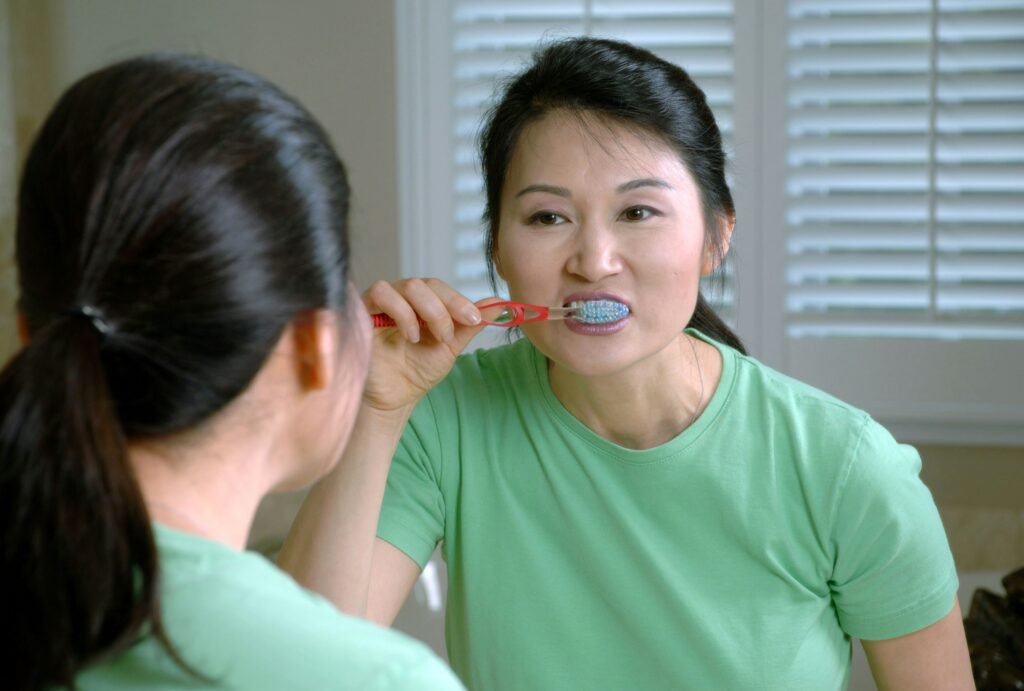
To quickly improve your gum health, start with the basics: brush your teeth twice a day with fluoride toothpaste to remove plaque.
The American Dental Association (ADA) suggests that you brush for two minutes twice each day with a toothbrush that has soft bristles. When brushing, gently clean around the gumline rather than aggressively scrubbing the gums.
2. Clean Your Teeth Daily
A toothbrush can’t reach every surface between your teeth. Cleaning between your teeth every day helps remove plaque and food from those spots.
The ADA suggests that you clean between your teeth once each day by using floss or some other interdental cleaner. In some cases, interdental brushes or water flossers may also be used.
If you want to quickly improve your gum health, making interdental cleaning a daily habit is one of the best things you can do.
3. Enhance your brushing technique
Brushing harder does not mean you are cleaning better. In fact, brushing too hard can irritate your gums and wear them down.
Hold your toothbrush gently and clean all tooth surfaces, especially near the gumline. Replace your toothbrush or brush head when the bristles look worn.
4. A therapeutic mouthwash should be considered
Some therapeutic mouthwashes have ingredients that help reduce plaque or gingivitis.
If you have ongoing gum problems, ask your dentist which kind is suitable.
5. Clean Your Tongue
Bacteria and food can collect on your tongue and cause bad breath.
You can use a toothbrush or tongue cleaner to clean your tongue as part of your daily routine. However, tongue scraping alone does not treat periodontitis.
If you want to quickly improve your gum health, start by removing plaque from your teeth and along the gumline.
6. Give up smoking and stay away from tobacco.
One of the most important changes to your lifestyle should be quitting smoking.
The CDC lists smoking as a major risk factor for periodontal disease, and its data indicate that periodontitis affects about 62% of current smokers who are at least 30 years old.
Smoking also makes it harder to treat gum disease. If you smoke, quitting will help both your oral and overall health.
7. Choose foods that promote oral health.
Like the rest of your body, your gums need good nutrition to stay healthy.
Make meals with vegetables, fruits, whole grains, protein-rich foods, and other healthy choices. Foods high in vitamin C, such as oranges, strawberries, peppers, broccoli, and kiwi, can help you get enough vitamin C.
Not getting enough vitamin C can affect your gum health, but taking large amounts will not cure gum disease.
8. Limit the intake of sweet foods and drinks.
When you eat or drink sugary foods, bacteria in your mouth produce acids that cause tooth decay.
It’s better to choose water, sugar-free drinks, and balanced meals instead of having sugary drinks often during the day.
You don’t need a special ‘gum detox’ diet to improve your gum health quickly. It’s more important to keep up good oral hygiene and eat a balanced diet.
9. Drink Enough Water
Water helps keep your mouth from getting dry and can wash away some loose food particles.
Saliva also has an important protective function in the mouth, as the NIDCR states it keeps the mouth moist and helps to protect the teeth from decay.
Water can’t remove hardened tartar, so use it to support, not replace, brushing and professional dental care.
10. Arrange for a professional dental cleaning.
Once plaque hardens into tartar, regular brushing can’t remove it.
A dentist or a dental hygienist is able to look at your gums, spot the signs of periodontal disease, and give you a professional cleaning.
If you have ongoing bleeding, swelling, gum recession, or bad breath, seeing a dentist may help more than trying many home remedies.
Does using home remedies have a positive effect on gum health?
When you look online for quick ways to improve gum health, you’ll find many home remedies, but the evidence for them varies.
Salt Water
A mild saltwater rinse may give temporary relief for irritated gums, but it does not remove tartar or replace treatment for gum disease.
Oil Pulling
Oil pulling with coconut or other oils is popular, but there is little evidence to support it. The ADA does not recommend oil pulling because there is not enough proof that it helps oral health.
Hydrogen Peroxide
Some oral-care products contain hydrogen peroxide, but you should not use concentrated household peroxide on your gums. Using it the wrong way can irritate your mouth.
Aloe Vera, Turmeric and Essential Oils
Researchers have studied some plant-based products, but these should not replace brushing, cleaning between teeth, dental check-ups, or proven gum treatments.
How long does it take for the gums to improve?
There is no single answer for everyone. Mild gingivitis can improve if you remove plaque regularly, but advanced gum disease needs professional care.
How fast your gums improve also depends on whether you smoke, have tartar, your oral hygiene habits, any medical conditions, and how much inflammation you have.
Be cautious of claims that promise healthy gums in just a few days. Instead, start building good habits now rather than expecting instant results.
Signs Your Gums May Be Unhealthy
Common signs include red or swollen gums, bleeding, tenderness, a lasting bad taste, gum recession, and loose teeth.
The NIDCR includes sensitive or loose teeth, pain when chewing, and gums that have pulled away from the teeth as possible symptoms of gum disease.
Keep in mind that gum disease is not always painful. Regular dental check-ups can find problems you might not notice yourself.
When is the right time to visit a dentist?
If your gums keep bleeding, stay swollen or sore, pull back from your teeth, or you still have bad breath despite good oral care, see a dentist.
Get professional help if your adult teeth are loose, you see pus around your gums, have a lot of swelling, or notice changes in how your teeth fit together.
Although home care is still important, advanced periodontal disease needs to be assessed and treated by a professional.
How to Keep Your Gums Healthy Long Term
Once you learn how to quickly improve your gum health, turn those changes into daily habits.
Brush your teeth for two minutes twice a day, clean between your teeth daily, eat a balanced diet, avoid tobacco, and drink water throughout the day. Keep up with dental check-ups and get professional cleanings as your dentist recommends.
Simple habits done regularly are usually more effective than complicated home remedies.
Frequently Asked Questions
How can gum health be improved most quickly?
Start by brushing gently twice a day, cleaning between your teeth daily, and see a dentist if you have ongoing symptoms or tartar buildup.
Can unhealthy gums become healthy again?
You can usually get rid of gingivitis with good oral hygiene and professional care. But once periodontitis develops, the damage to your gums and bone cannot be reversed at home.
Does salt water aid the gums?
Salt water can give temporary relief for irritated gums, but it does not remove plaque or tartar, so it should not replace regular dental care.
Can gums be healed within a week?
Mild inflammation may get better with better plaque control, but there is no guarantee it will happen in just one week.
Should I floss if my gums are bleeding?
Gums may bleed when they are inflamed. Still, keep cleaning gently between your teeth every day. If bleeding continues, is unexplained, or is heavy, see a dental professional.
Final Thoughts
If you want to quickly improve your gum health, focus on the basics instead of searching for an overnight cure. Brush your teeth well, clean between them, quit tobacco, eat a healthy diet, and see a dentist when needed.
The best way to quickly improve your gum health is to start early and stick with it. Healthy gums come from daily plaque control and good dental care, not from trendy home remedies.
Helpful YouTube Resource
Here’s a helpful video by Dr. Joseph:
References
1. National Institute of Dental and Craniofacial Research — Gum Disease
https://www.nidcr.nih.gov/health-info/gum-disease
2. Centers for Disease Control and Prevention — About Periodontal (Gum) Disease
https://www.cdc.gov/oral-health/about/gum-periodontal-disease.html
3. American Dental Association — Toothbrushes
https://www.ada.org/resources/ada-library/oral-health-topics/toothbrushes
4. American Dental Association — Mouthrinse (Mouthwash)
https://www.ada.org/resources/ada-library/oral-health-topics/mouthrinse-mouthwash
5. American Dental Association — Oil Pulling
https://www.ada.org/resources/ada-library/oral-health-topics/oil-pulling
6. National Institute of Dental and Craniofacial Research — Dry Mouth
https://www.nidcr.nih.gov/health-info/dry-mouth

Jen Sheldon is a seasoned writer with a passion for fitness, health, wellness, and addiction treatment. With years of experience crafting insightful and research-backed content, she helps readers navigate their journey toward better well-being. When she’s not writing, you’ll find her exploring new workout routines or diving into the latest health trends.