Now Reading: Fruit Smoothie Recipes: How to Make a Fruit Smoothie + 12 Combos
-
01
Fruit Smoothie Recipes: How to Make a Fruit Smoothie + 12 Combos
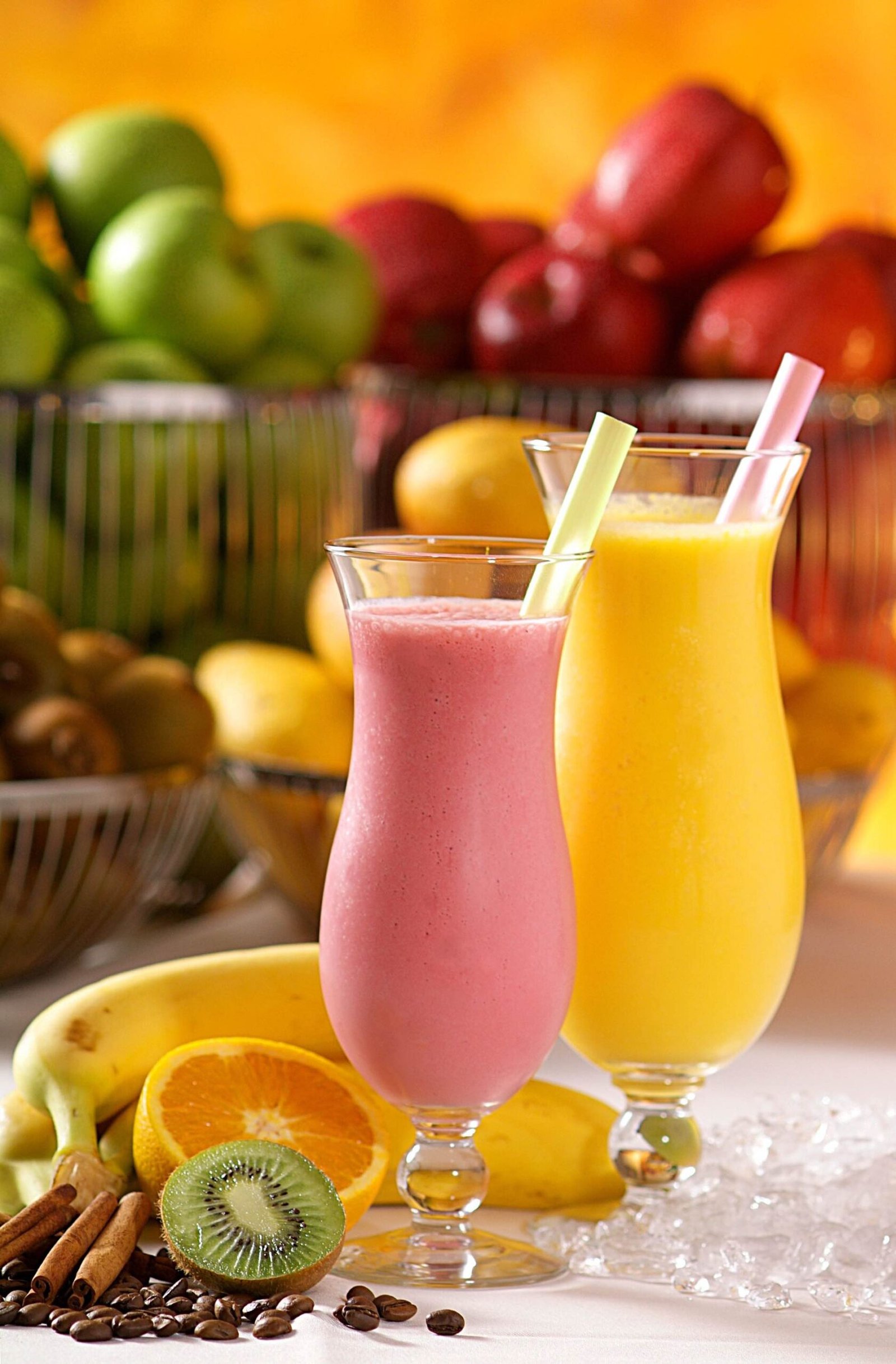
To make a fruit smoothie, blend about 1 cup of prepared fruit with ½ cup of cold liquid. If you want a creamier texture, add ¼ cup of plain yoghurt. Using some frozen fruit makes the smoothie colder and thicker. Add the liquid a tablespoon at a time until everything blends smoothly.
Starting with these amounts helps you avoid ending up with a thin smoothie, like when you pour a full glass of milk over just a few berries. The type of fruit matters too. For example, a ripe banana and some watermelon will give you very different textures in the blender.
The 12 combinations below use simple ingredients and precise starting amounts. Each recipe makes one serving, usually a medium glass, but the final amount can change depending on the fruit, how much yogurt or liquid you use, and how much air gets blended in. Use US measuring cups (1 cup is about 240ml for liquids).
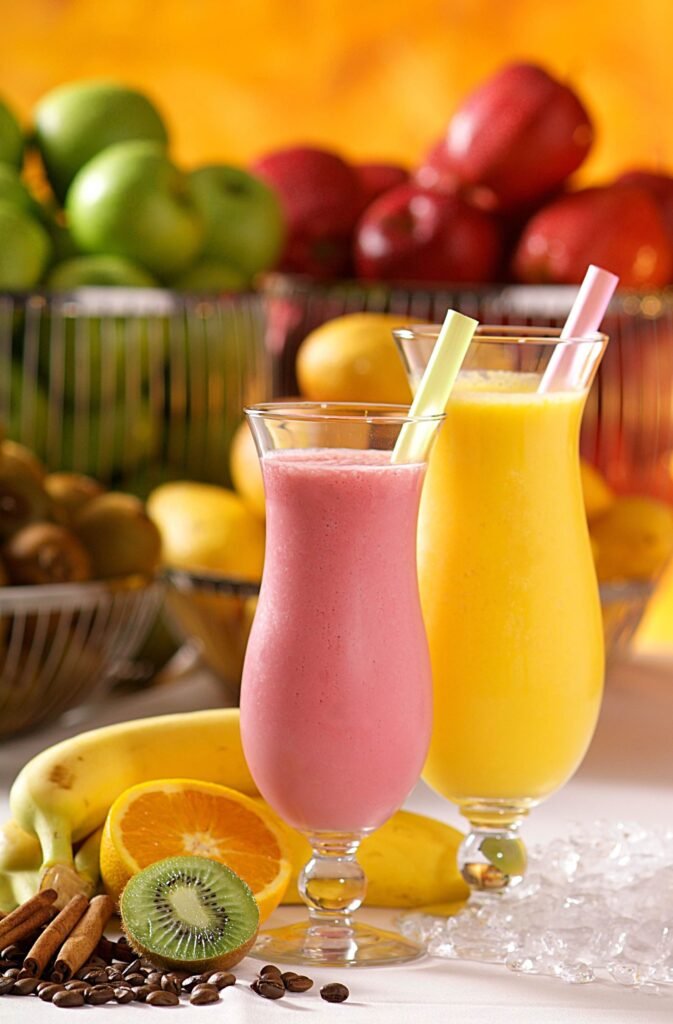
A simple fruit-to-liquid ratio chart
Measure the fruit after peeling, removing stones or cores, and cutting it into pieces. Fill the cup loosely instead of packing the fruit in. Since different fruits weigh different amounts, this is just a guide for texture, not for nutrition.
| What you are blending | Prepared fruit | Cold liquid to start | Optional creamy ingredient | First adjustment |
| Fresh and frozen fruit together | 1 cup total, roughly half frozen | ½ cup / 120 ml | ¼ cup plain yogurt | Add 1 tbsp / 15 ml liquid if needed |
| Mostly frozen fruit | 1 cup | ½–¾ cup / 120–180 ml | Up to ¼ cup plain yogurt | Follow the blender’s loading and minimum-volume guidance |
| Juicy melon with frozen fruit | 1 cup total | ¼ cup / 60 ml | Up to ¼ cup plain yogurt | Blend before deciding whether it needs more liquid |
| All fresh fruit | 1 cup | ¼–½ cup / 60–120 ml | ¼ cup plain yogurt | Use chilled ingredients; expect a thinner drink |
These are suggested starting ratios, not strict rules for every blender. A large pitcher might need a bigger batch to blend well. Personal blending cups can have different loading orders and maximum fill lines. Always follow your blender’s manual first.
If you want a stronger drink, start with less liquid. You can always add more as you blend, but it’s hard to remove extra once it’s in.
How to make a fruit smoothie step by step
- Prepare the fruit. Wash fresh produce under running water before cutting. Peel bananas and citrus, remove cherry stones and other pits, and discard apple cores. Use frozen fruit suitable for the intended use and follow its package instructions.
- Measure the liquid. Start with the amount called for in the recipe. Water will give a lighter fruit flavour; milk or an unsweetened plant based drink will alter both the flavour and the texture.
- Load according to your blender. For a conventional full-size pitcher, liquids and soft ingredients generally go in before frozen fruit. Vitamix’s guidance for full-size containers uses that approach; follow your own machine’s instructions, especially with inverted personal cups.
- Blend with the lid secured. Use your machine’s smoothie setting or recommended sequence. Stop when the ingredients are circulating and the texture looks even, rather than repeatedly running an already smooth drink.
- Adjust a little at a time. If it is too thick, stop the blender and add 1 tablespoon of liquid. If too thin, add a small amount of frozen fruit. Secure the lid before restarting.
- Taste and serve. Try the fruit blend first before you add any sweetener. Ripe fruit will probably provide all the sweetness you need.
If the ingredients stop moving, turn off the blender instead of letting it struggle. Add more liquid, reduce the amount in the blender, or use only the tamper that came with your machine, following the instructions. Never put a spoon into a running blender.
12 fruit smoothie recipes to start with
Use cold, pasteurised dairy when the recipe calls for it. Choose plain yoghurt, milk, or an unsweetened plant drink you enjoy. Substituting ingredients will change the thickness, sweetness, and nutrition. These recipes do not include calorie or protein counts.
Use the blending method above for each recipe. The liquid amounts are just starting points, so keep a little extra nearby in case you need it.
1. Strawberry banana smoothie
Ingredients: ½ cup frozen strawberries, ½ cup sliced ripe banana, ½ cup milk, and ¼ cup plain yogurt.
Blend until smooth. The banana softens the berry flavor and makes the smoothie thicker without needing ice. If your strawberries are very tart, taste the smoothie first. Adding more ripe banana can adjust both the flavor and the thickness.
This is a good first recipe because you can easily adjust it next time. Add more berries for a stronger flavor or more banana for a thicker smoothie.
2. Blueberry banana smoothie
Ingredients: ½ cup frozen blueberries, ½ cup sliced ripe banana, ½ cup milk and ¼ cup plain yoghurt.
Blend well, then check a spoonful for any bits of blueberry skin. If needed, blend a little longer to improve the texture. Small flecks are normal.
Start with just fruit and liquid for your first try, before adding oats or nut butter. This makes it easier to see if the fruit-to-liquid ratio works for you.
3. Mango pineapple smoothie
Ingredients: ½ cup frozen mango chunks, ½ cup fresh pineapple chunks, ½ cup cold water and ¼ cup plain yoghurt.
Blend the water, yoghurt, and fruit following your blender’s instructions. Mango makes the smoothie creamy, while pineapple adds a sharp flavor.
If you use frozen pineapple, you might need to add a little more water. Add it gradually instead of doubling the liquid all at once.
4. Peach banana smoothie
Ingredients: ½ cup frozen peach slices, ½ cup sliced ripe banana, ½ cup milk, and ¼ cup plain yogurt.
Blend until the peach pieces are fully broken down. Always remove the stones from fresh or frozen peaches before blending.
Use ripe peaches for a milder flavor. You can add a little cinnamon for extra taste, but it’s optional.
5. Cherry cocoa smoothie
Ingredients: 3/4 cup frozen pitted cherries, 1/4 cup sliced ripe banana, 1/2 cup milk, 1/4 cup plain yoghurt and 1 tsp unsweetened cocoa powder.
Blend in the order your blender recommends for powders. Use the measured amount of cocoa, not a big spoonful, because it’s quite bitter and can overpower the fruit.
This smoothie tastes of cherry and cocoa, not like a sweet chocolate milkshake. Make sure the cherries have no stones before blending.
6. Raspberry pear smoothie
Ingredients: ½ cup frozen raspberries, ½ cup diced ripe pear (with the core removed), ½ cup cold water and ¼ cup plain yoghurt.
Blend until the pear is smooth. Raspberry seeds will likely still be visible. If you want a smoother result, try a different berry.
A ripe pear works best for this smoothie. Hard pears make the drink grainy and less sweet than soft, fragrant ones.
7. Pineapple kiwi smoothie
Ingredients: ½ cup frozen pineapple, ½ cup peeled, sliced ripe kiwi and ½ cup cold water.
Blend and serve right away. This smoothie is light and sharp, with no yoghurt or milk, and the kiwi seeds will still show.
If both fruits are very tart, try replacing some pineapple with ripe banana next time. This changes both the texture and the flavor.
8. Orange mango smoothie
Ingredients: 1/2 cup peeled orange segments (seeds removed), 1/2 cup frozen mango and 1/2 cup cold water.
Take off the thick white pith and remove any seeds before blending. Using orange segments gives the smoothie more texture than using orange juice.
Mango helps thicken the citrus base. If you want a smoothie you can eat with a spoon, use less water at first, as long as your blender can handle it.
9. Watermelon strawberry smoothie
Ingredients: 1/2 cup chilled watermelon cubes (with rind and hard seeds removed), 1/2 cup frozen strawberries and 1/4 cup cold water.
Blend with the smaller amount of liquid. Watermelon releases a lot of juice, so this smoothie will be lighter than the banana-based ones.
Enjoy this as a fruit drink rather than a thick yoghurt smoothie. Adding extra ice will only dilute the flavor as it melts.
10. Cantaloupe peach smoothie
Ingredients: 1/2 cup chilled cantaloupe cubes, 1/2 cup frozen peach slices, 1/4 cup milk and 1/4 cup plain yoghurt.
Blend and check the consistency before adding more milk. Wash the whole melon before cutting, then remove the rind and seeds.
This recipe uses less milk because the melon adds liquid as it blends. If your blender needs a larger batch, increase all the ingredients instead of just adding more milk.
11. Apple banana smoothie
Ingredients: 1/2 cup small apple pieces (with the core and seeds removed), 1/2 cup frozen banana slices, 1/2 cup milk and 1/4 cup plain yoghurt.
Cut the apple into small pieces before blending. You can leave the washed peel on for more texture, or peel it for a smoother result.
Frozen banana makes the smoothie thicker. If it’s too thick to pour, add milk one tablespoon at a time and keep track of how much you use for next time.
12. Papaya banana smoothie
Ingredients: 1/2 cup ripe papaya (cubes with skin and seeds removed), 1/2 cup frozen banana slices, 1/2 cup milk and 1/4 cup plain yoghurt.
Blend until smooth and pour right away. Choose ripe papaya with soft flesh, not the firm green kind used for savory dishes.
This smoothie is mild and creamy. Try it plain first, and if you want a stronger flavor, add a small squeeze of lime as an experiment.
Choose fruit for flavor and texture
Banana and mango help make your smoothie thicker. Berries give a stronger fruit flavor, but their seeds and skins can be noticeable. Melon and citrus make lighter smoothies and may mean you need less added liquid.
Our guide to fruit for everyday eating has more ideas on how to use fruit beyond the blender. You don’t need an expensive mixed fruit bag to make a good smoothie; one frozen fruit and one ripe fresh fruit is quite sufficient to get you started.
Cut your fruit into pieces that are about the same size. It’s easier to blend separate frozen pieces than one big frozen block. If your batch is too large for the blender, adding more liquid might not help.
Fix common smoothie problems
| Problem | First thing to try | What to avoid |
| Too thick or not circulating | Stop and add 1 tbsp liquid; check the batch size and loading order | Leaving a stalled blender running |
| Too thin | Add a little frozen banana, mango, or other recipe fruit | Repeatedly adding ice until the fruit tastes diluted |
| Too tart | Try riper fruit or a little ripe banana | Assuming every berry batch needs the same amount of sweetener |
| Grainy or chunky | Cut firm fruit smaller and blend again within the appliance’s instructions | Overfilling the pitcher |
| Too much foam | Let it settle briefly and stir before serving | Continuing to blend after the texture is already smooth |
Change only one thing at a time. If you get a smoothie you really like with a certain fruit and blender, write down how much liquid you used.
Make prep easier without storing a week’s worth of drinks
Divide the fruit into freezer-safe containers or bags and label them. Freeze the fruit in small pieces so you can pour them into the blender easily, instead of getting a big frozen block. Add the liquid and yogurt when you blend.
Follow the instructions on the frozen fruit package. Freezing does not replace any cooking steps listed on the label. Use clean containers, and keep dairy and prepared fruit cold.
FoodSafety.gov’s handling guidance is to rinse fresh produce under running water prior to cutting, refrigerate perishables within two hours and keep the refrigerator at 40°F/4°C or below. The unrefrigerated time limit is one hour if the ambient temperature is above 90°F/32°C.
Freshly blended smoothies taste best right away. If you want to save some for later, put it in a covered container in the fridge right away. Follow the storage times for each ingredient and stir before drinking. It’s normal for smoothies to separate in the fridge, and this does not mean they are unsafe.
Questions about making fruit smoothies
Do I need yogurt to make a fruit smoothie?
No. Pineapple kiwi, orange mango, and watermelon strawberry smoothies use water instead of yogurt. You can also leave out yogurt from other recipes and slowly add more liquid. The smoothie will have a different texture and taste.
Can I make these dairy-free?
Try an unsweetened plant drink and a plain plant-based yogurt you like, or pick a recipe that uses water. Always check the ingredients to fit your diet. Plant-based products can taste, feel, and nourish differently than dairy, so don’t assume they are the same.
Should I use milk, water, or juice?
Use water if you want a lighter smoothie, or milk for a creamier texture and different taste. Juice is also an option, but it changes the flavor balance. Start with a little and taste before adding sweetener. These recipes use water or milk to keep things simple.
Is a fruit smoothie enough for breakfast?
That depends on the portion, ingredients, your appetite, and the rest of your meal. These recipes are not designed or calculated as complete meal replacements. If you want food alongside your drink, our measured protein snack ideasoffer options such as eggs, yogurt bowls, and other simple combinations.
Can I double the recipes?
Yes, as long as the batch fits your blender’s size limits. Double each ingredient, then adjust the texture after blending. Don’t go past the fill line, or you’ll need to make a second batch.
How do I make a smoothie without banana?
Try mango pineapple, raspberry pear, pineapple kiwi, orange mango, watermelon strawberry, or cantaloupe peach. Banana helps thicken smoothies, but you don’t have to use it.
Pick one fruit combination, measure your first batch, and write down any small changes that make it fit your glass and blender. This is more helpful than starting with a long list of add-ins you don’t usually have.
Sources
- Vitamix: Owner’s Resources and Frequently Asked Questions — loading order and container-specific guidance. Other blenders may require different procedures.
- FoodSafety.gov: 4 Steps to Food Safety — produce washing, refrigeration timing, and temperatures.

Jen Sheldon is a seasoned writer with a passion for fitness, health, wellness, and addiction treatment. With years of experience crafting insightful and research-backed content, she helps readers navigate their journey toward better well-being. When she’s not writing, you’ll find her exploring new workout routines or diving into the latest health trends.