Now Reading: High Protein Low Calorie Snacks: 30 Ideas Under 200 Calories
-
01
High Protein Low Calorie Snacks: 30 Ideas Under 200 Calories
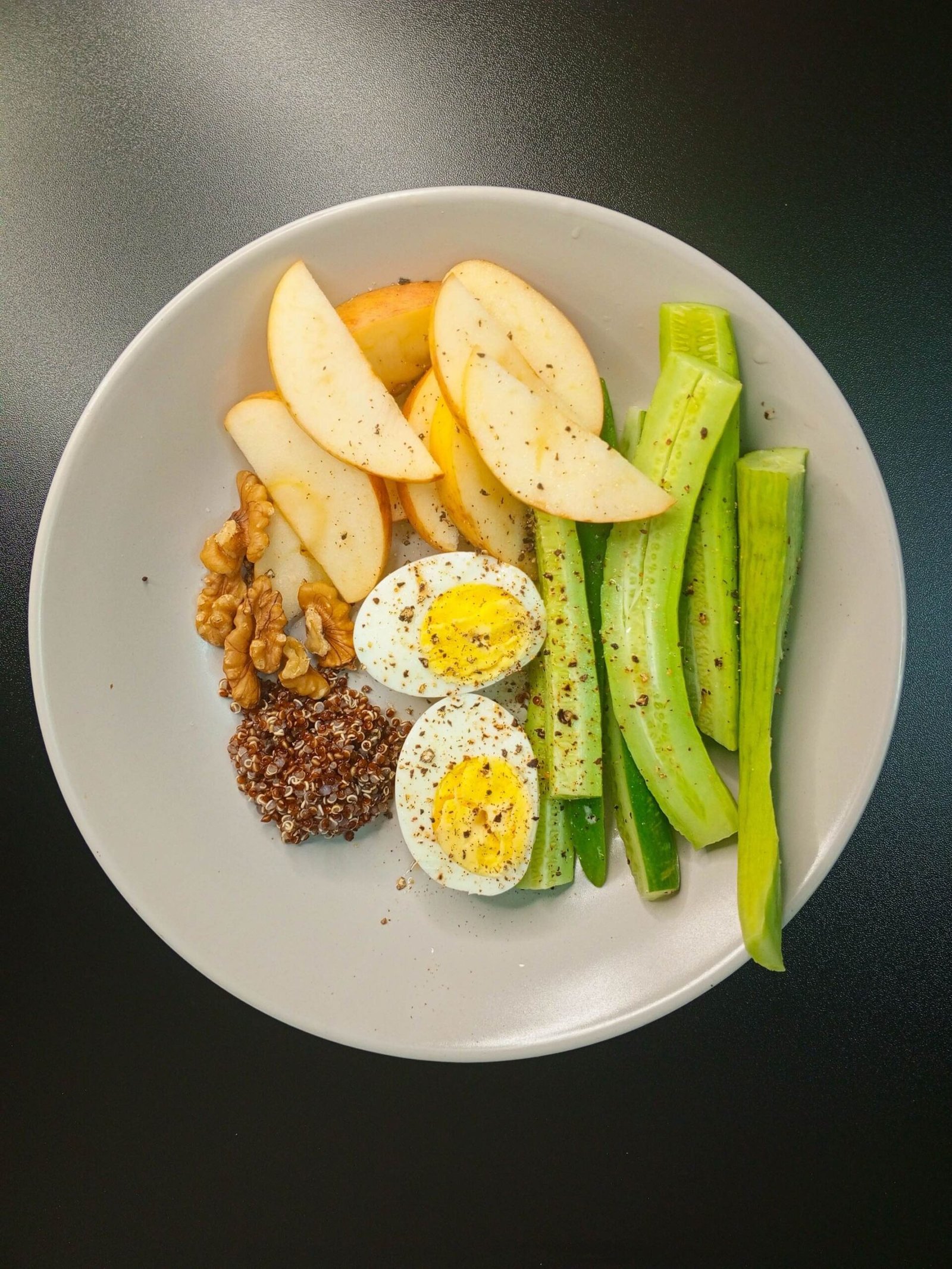
High protein, low calorie snacks can be as simple as Greek yoghurt with strawberries, a small chicken and cucumber box or edamame with tofu. The 30 measured portions listed below each contain at least 10g of protein and fewer than 200 calories (calculated using USDA food records).
A helpful tip is to choose your protein first, then add fruit, vegetables, or your chosen topping. Adding a spoonful of peanut butter to your yogurt can be great, but if you add it without measuring, the calories add up fast. You don’t need protein powder or a cart full of specialty products to make these snacks.
Use these numbers to compare portion sizes, not to decide how much you should eat. Some days, a snack under 200 calories is enough; other days, you might need a bigger snack or even a meal.
How the snack nutrition was calculated
Calories and protein amounts come from USDA FoodData Central. Ingredient weights are for the edible part, like shelled edamame, peeled hard-boiled eggs, drained tuna, and cooked chicken or lentils. Weigh your portion as listed, not the raw weight.
For these tables ‘yogurt’ is plain low fat Greek yoghurt and ‘cottage’ is 2% cottage cheese. Chicken is roasted breast meat (no skin), tuna is light tuna in water (no added salt, drained), tofu is the USDA firm calcium sulphate set reference. Apples are Golden Delicious (skin on), cocoa is unsweetened and the peanut butter is smooth (no added salt).
The table values only include the listed ingredients. If you add oil, mayonnaise, honey, crackers, bread, sweeteners, or anything else, you’ll need to calculate those separately. Branded products can vary, especially yogurt and tofu, so check your labels if you want to stay under a certain number.
Calories are rounded to the nearest whole number. Protein and protein per 100 calories are rounded to one decimal place. The calculations use the unrounded ingredient values. The 10g cutoff is just an editorial choice for this list, not an official definition of “high protein” in packaged foods.
What does protein per 100 calories tell you?
It shows how much protein a snack supplies relative to its energy content:
Protein per 100 calories = protein in the portion ÷ portion calories x 100.
This lets you compare two different portion sizes. It doesn’t capture everything that makes a food valuable. Nuts, fruit, and lentils all have unique flavors and textures, even if they lower the protein-to-calorie ratio in a mix.
The column lists the full combination with toppings, not just the protein.
Greek yogurt snacks
| Snack | Measured portion | Calories | Protein | Protein per 100 calories |
| 1. Strawberry yogurt bowl | 150 g yogurt + 50 g strawberries | 126 | 15.3 g | 12.2 g |
| 2. Chocolate yogurt | 150 g yogurt + 5 g cocoa | 121 | 15.9 g | 13.2 g |
| 3. Peanut butter yogurt dip | 150 g yogurt + 8 g peanut butter | 157 | 16.7 g | 10.6 g |
| 4. Apple yogurt cup | 150 g yogurt + 60 g apple | 144 | 15.1 g | 10.5 g |
| 5. Almond yogurt crunch | 150 g yogurt + 10 g almonds | 167 | 17.0 g | 10.2 g |
Cottage cheese snacks
| Snack | Measured portion | Calories | Protein | Protein per 100 calories |
| 6. Cucumber cottage cheese bowl | 150 g cottage + 100 g cucumber | 136 | 16.2 g | 11.9 g |
| 7. Strawberry cottage cheese | 150 g cottage + 60 g strawberries | 141 | 16.0 g | 11.4 g |
| 8. Apple cottage cheese cup | 150 g cottage + 60 g apple | 156 | 15.8 g | 10.1 g |
| 9. Chocolate cottage cheese cream | 150 g cottage + 5 g cocoa | 133 | 16.6 g | 12.5 g |
| 10. Almond cottage cheese bowl | 150 g cottage + 10 g almonds | 179 | 17.7 g | 9.9 g |
Egg snacks
| Snack | Measured portion | Calories | Protein | Protein per 100 calories |
| 11. Egg and cucumber box | 100 g egg + 100 g cucumber | 170 | 13.2 g | 7.8 g |
| 12. Yogurt-filled eggs | 100 g egg + 30 g yogurt | 177 | 15.6 g | 8.8 g |
| 13. Chopped egg cucumber salad | 100 g egg + 50 g cucumber + 20 g yogurt | 177 | 14.9 g | 8.4 g |
| 14. Egg and cottage cheese plate | 100 g egg + 30 g cottage | 179 | 15.7 g | 8.8 g |
Chicken snacks
| Snack | Measured portion | Calories | Protein | Protein per 100 calories |
| 15. Chicken cucumber bites | 60 g chicken + 100 g cucumber | 114 | 19.2 g | 16.9 g |
| 16. Creamy chicken cup | 60 g chicken + 30 g yogurt | 121 | 21.6 g | 17.9 g |
| 17. Chicken apple box | 60 g chicken + 60 g apple | 133 | 18.8 g | 14.1 g |
| 18. Chicken cottage cheese bowl | 60 g chicken + 50 g cottage | 140 | 23.8 g | 17.1 g |
Tuna snacks
| Snack | Measured portion | Calories | Protein | Protein per 100 calories |
| 19. Tuna cucumber rounds | 70 g tuna + 100 g cucumber | 96 | 18.5 g | 19.2 g |
| 20. Yogurt tuna salad | 70 g tuna + 40 g yogurt | 110 | 21.8 g | 19.8 g |
| 21. Tuna cottage cheese dip | 70 g tuna + 50 g cottage | 122 | 23.1 g | 18.9 g |
| 22. Apple tuna salad | 70 g tuna + 50 g apple + 20 g yogurt | 124 | 20.0 g | 16.1 g |
Plant-based snacks and a lentil yogurt option
| Snack | Measured portion | Calories | Protein | Protein per 100 calories |
| 23. Edamame cucumber cup | 100 g edamame + 100 g cucumber | 136 | 12.6 g | 9.2 g |
| 24. Edamame almond mix | 100 g edamame + 10 g almonds | 179 | 14.0 g | 7.8 g |
| 25. Edamame tofu bowl | 100 g edamame + 40 g tofu | 179 | 18.8 g | 10.5 g |
| 26. Tofu cucumber bites | 80 g tofu + 100 g cucumber | 130 | 14.5 g | 11.1 g |
| 27. Peanut tofu cucumber cup | 80 g tofu + 8 g peanut butter + 50 g cucumber | 171 | 15.9 g | 9.3 g |
| 28. Chocolate strawberry tofu cream | 80 g tofu + 5 g cocoa + 50 g strawberries | 143 | 15.2 g | 10.6 g |
| 29. Lentil cucumber salad | 130 g lentils + 100 g cucumber | 166 | 12.4 g | 7.5 g |
| 30. Creamy lentil cup | 130 g lentils + 40 g yogurt | 180 | 15.7 g | 8.7 g |
How to assemble the 30 snack ideas
Yogurt bowls and dips: ideas 1–5
If you like firmer fruit, stir sliced strawberries or diced apple into the yogurt just before eating. For more fruit options, check our guide to fruit for everyday snacks. If you swap in a different fruit, recalculate the portion
For chocolate yogurt, stir the cocoa into a small spoonful of yogurt first, then add the rest. The result will be tangy and unsweetened, not like store-bought chocolate pudding. If you add sweetener, remember to count it in your nutrition.
The peanut butter version makes a thick, spoonable dip. You can add apple slices or crackers if you want, but those are extra. For the almond bowl, chop the measured nuts so the crunch is spread throughout.
Cottage cheese bowls: ideas 6–10
Use sliced cucumber for the savory bowl, and keep it separate until you’re ready to serve if you’re packing ahead. For the apple and strawberry versions, dice the fruit into small pieces so you get some in every bite.
Blend cottage cheese and cocoa together for a smoother chocolate cream. If your blender has trouble, add a little water. You can also just stir the ingredients together if you don’t mind the curds. For the almond version, just roughly chop the nuts and add them before eating—no blending needed.
These are all variations on the same protein base. You can buy one tub and try two different versions to see which you like before buying more.
Egg snacks: ideas 11–14
Use 100g of peeled, hard boiled egg (roughly two large eggs) as the basis for the calculation. Pack whole or halved eggs with cucumber for the simplest of boxes.
For the yogurt-filled eggs, halve the eggs, remove the yolks, mash those yolks with the specified amount of yoghurt and spoon the mixture back into the egg whites. All the egg is used in the calculation (both yolks and whites).
For the chopped salad, dice the eggs and the cucumber and fold through the smaller amount of yoghurt. The egg and cottage cheese plate can remain separate which makes it much easier to pack without any change to the texture.
Chicken snacks: ideas 15–18
Use fully cooked chicken breast (weighed after cooking). You can slice the chicken breast for the cucumber bites or finely chop it and stir it into the yogurt for a more creamy cup. There’s no mayonnaise in these figures.
The Apple Box is a separate sweet and savoury combo (chicken pieces on one side, apple slices on the other). The cottage cheese bowl can be either mixed or served as two small bowls. If you’re using rotisserie chicken with the skin on or a prepared chicken salad, work from that product rather than the base chicken.
Tuna snacks: ideas 19–22
Drain the tuna before you weigh it. You can spoon it onto the cucumber rounds, mix it into the yoghurt or fold it through the cottage cheese to make a thicker dip. The cucumber rounds are the base in option 19. Crackers and toast are not part of that.
For the apple & tuna salad, finely dice the apple and mix it with the tuna and the yoghurt. Make a small portion first to see if you like that combination. Don’t just rotate through the tuna options as a way of having a daily menu – rotate the tuna with other protein sources.
Plant-based options and the lentil cup: ideas 23–30
Prepare the frozen edamame according to the packet, remove the pods and weigh the beans. Mix with the cucumber, chopped almonds or tofu. Count the almonds before they’re all gone into the bowl (10g is a topping, not a large handful).
For tofu cucumber bites, go for a product that is intended to be eaten as prepared, adhere to the package handling instructions and cut it into small pieces. If you’re going to cook it then do so; use the package nutrition and portion information if that’s different from the raw reference used here. Frying in oil will alter the calculation.
For the peanut tofu cup you loosen the measured peanut butter with a little water and just toss it with the tofu and cucumber. For the chocolate strawberry tofu cream you blend the tofu, cocoa and berries (a little water may be required to get the right consistency). Firm tofu will give you a thicker, potentially grainier product than silken tofu and will of course have a different nutritional profile if you swap types.
The lentil & cucumber salad uses the cooked, drained lentils. The final ‘creamy lentil cup’ has Greek yoghurt in it so it’s vegetarian rather than vegan. Ideas 23-29 use only the plant ingredients as listed.
Which of the options are high in protein and low in fat as snacks?
High protein, low calorie doesn’t necessarily equate to low fat. The egg portions contain yolks and a number of the plant based options contain nuts, peanut butter or tofu.
If you’re after combinations based on fairly lean protein then start with the chicken, the water packed tuna, the plain low fat Greek yoghurt or the 2% cottage cheese. Check the actual product labels as the lower fat version of one brand may still be different from the USDA reference used here.
Peanut butter and almonds work as measured toppings on this list. They don’t substitute for the protein base on a gram for gram basis. A large spoonful of nut butter by itself will have a very different protein to calorie ratio to yoghurt with a small amount of it stirred in.
Pack snacks that still taste good later
Keep the wet and crunchy bits separate wherever possible. Chopped almonds in a small container, cucumber with a dip, fruit in with the yoghurt when you’re ready to eat.
Perishable dairy, eggs, cooked meat, opened tuna and prepared snacks all require appropriate cold storage. FoodSafety.gov advises that perishable food should be refrigerated within two hours (or within one hour if the ambient temperature is above 90°F/32°C). The refrigerator should be maintained at 40°F/4°C or below. When taking perishable food away from the refrigerator you should use an appropriate insulated bag with cold packs.
For a very short prep time just go with two protein bases and two toppings. There’s no point in preparing every option at once as you’ll end up with massive amounts of waste. Always check the use by dates and the storage instructions on the products that you actually end up buying.
Questions about low-calorie, high-protein snacks
Can I get 20g of protein for under 200 calories?
Several of the calculated portions do (the creamy chicken cup, the chicken cottage cheese bowl, the yogurt tuna salad and the tuna cottage cheese dip). Check the weights listed and check your product labels as of course if you add in some bread or change the protein ingredient the result will be different.
Do I need protein powder?
No, all 30 of the ideas use normal food ingredients. If you’re into powder based treats then our protein powder dessert ideas are another route, but the portions and calorie counts for those are a separate thing to this list.
Which options are sweet?
Try the strawberry or apple dairy bowls, the chocolate yoghurt or the chocolate strawberry tofu cream. The cocoa combinations are unsweetened. You can certainly alter the flavour, just be aware of any honey, syrup, chocolate chips etc that you add if you’re going to be counting towards a new total.
Are these snacks dairy-free?
The plain egg and cucumber box, the chicken and cucumber bites, the chicken and apple box, the tuna and cucumber rounds and the plant only ideas 23-29 all have no dairy as per the list. Check the packaged ingredients to see what you need. You can of course substitute the Greek yoghurt for a plant yoghurt, though the protein and calories may be quite different.
What should I buy first?
Choose a protein that you already like and two combinations that you can see yourself actually eating. A tub of yoghurt with some strawberries and a small handful of almonds ticks two boxes with minimal effort. For the savoury route you could go for cooked chicken with cucumber and a separate apple portion.
Keep the bit you like, record the ingredients that work and then put together a short rotation. A good snack is one you can put together when you’re hungry without turning the kitchen into a second meal prep project.
Sources
- USDA FoodData Central: Yogurt, Greek, plain, lowfat — SR Legacy; nutrient values per 100 g edible portion.
- USDA FoodData Central: Cheese, cottage, lowfat, 2% milkfat — SR Legacy; nutrient values per 100 g edible portion.
- USDA FoodData Central: Egg, whole, cooked, hard-boiled — SR Legacy; nutrient values per 100 g edible portion.
- USDA FoodData Central: Chicken, broilers or fryers, breast, meat only, cooked, roasted — SR Legacy; nutrient values per 100 g edible portion.
- USDA FoodData Central: Fish, tuna, light, canned in water, without salt, drained solids — SR Legacy; nutrient values per 100 g edible portion.
- USDA FoodData Central: Edamame, frozen, prepared — SR Legacy; nutrient values per 100 g edible portion.
- USDA FoodData Central: Tofu, raw, firm, prepared with calcium sulfate — SR Legacy; nutrient values per 100 g edible portion.
- USDA FoodData Central: Lentils, mature seeds, cooked, boiled, without salt — SR Legacy; nutrient values per 100 g edible portion.
- USDA FoodData Central: Strawberries, raw — SR Legacy; nutrient values per 100 g edible portion.
- USDA FoodData Central: Cucumber, with peel, raw — SR Legacy; nutrient values per 100 g edible portion.
- USDA FoodData Central: Apples, raw, golden delicious, with skin — SR Legacy; nutrient values per 100 g edible portion.
- USDA FoodData Central: Cocoa, dry powder, unsweetened — SR Legacy; nutrient values per 100 g edible portion.
- USDA FoodData Central: Peanut butter, smooth style, without salt — SR Legacy; nutrient values per 100 g edible portion.
- USDA FoodData Central: Nuts, almonds — SR Legacy; nutrient values per 100 g edible portion.
- FoodSafety.gov: 4 Steps to Food Safety — refrigeration timing and temperatures.

Jen Sheldon is a seasoned writer with a passion for fitness, health, wellness, and addiction treatment. With years of experience crafting insightful and research-backed content, she helps readers navigate their journey toward better well-being. When she’s not writing, you’ll find her exploring new workout routines or diving into the latest health trends.