Now Reading: Best Herbal Tea: 12 Caffeine-Free Teas to Try and How to Brew Them
-
01
Best Herbal Tea: 12 Caffeine-Free Teas to Try and How to Brew Them
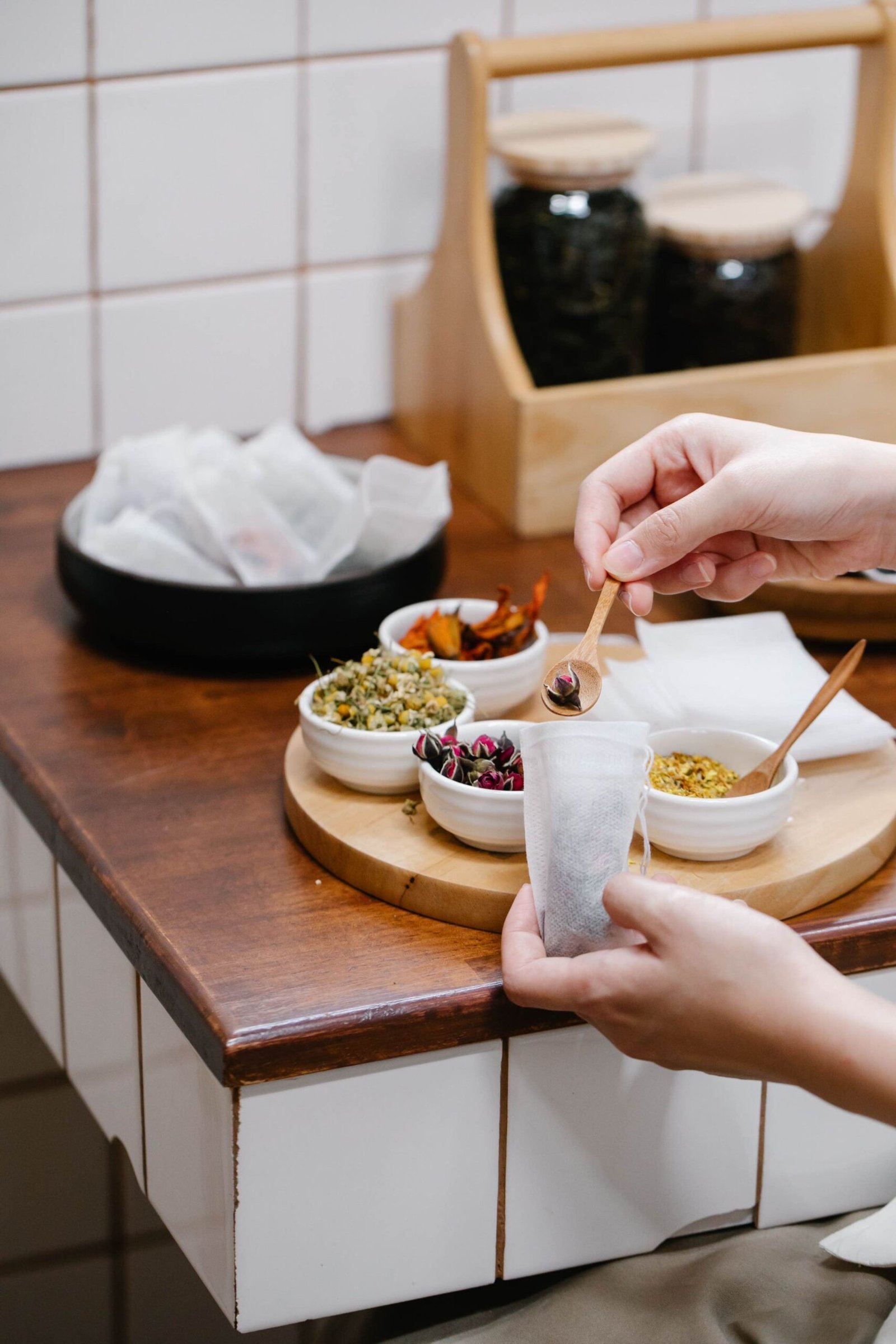
The best herbal tea is simply the one you enjoy most. Rooibos gives a more rounded cup that works with milk, peppermint offers a cool finish, and hibiscus is great if you want something sharply fruity. Begin with a plain caffeine-free tea, follow the brewing instructions, and try it without sweetener before deciding if it deserves a spot in your cupboard.
A sampler box might help, but buying too many blends can leave you with lots of half-used boxes. Try starting with two very different teas. A mild rooibos and a tangy hibiscus will teach you more about your preferences than several similar berry blends.
These 12 teas are chosen for their taste and everyday use. The comparison explains the expected flavor profiles and gives suggested brewing starting points. This is not a report of actual product testing.
Does herbal tea have caffeine?
Many herbal infusions are naturally caffeine-free because they use ingredients like mint leaves, chamomile flowers, and ginger instead of tea leaves. However, just seeing “herbal” on the packet doesn’t guarantee it’s caffeine-free. Always check the full ingredients and look for a caffeine-free label.
According to USDA FoodData Central, the generic ‘brewed herbal tea’ record (described as ‘Beverages, tea, herb, other than chamomile, brewed’) contains 0mg caffeine per 100g. This is a reference value, not a lab result for each tea or brand listed below.
Blends with black tea, green tea, or other caffeine-containing ingredients need a different assessment. For example, jasmine tea may be based on green tea, so just because it’s called ‘jasmine’ doesn’t mean it’s an herbal tea.
Decaffeinated tea is different. It starts with caffeine, and then some is removed. The FDA points out that decaf products still have some caffeine. Our guide to decaf tea explains this distinction in more detail.
Compare 12 herbal teas by flavor and brewing method
Use one tea bag in about 240ml of water unless the packet says otherwise. For loose herbs, follow the supplier’s recommended amount. Remember, one teaspoon of fluffy flowers is not the same as one teaspoon of dense root pieces.
The times listed below are suggested starting points for packaged infusions, not exact results or universal instructions. Use freshly boiled water (about 100°C/212°F at sea level) unless the packet says otherwise. For example, Twinings recommends steeping herbal tea for 3-4 minutes, but some products may need longer.
| Herbal tea | Typical flavor | Suggested first steep | Water | Caffeine check |
| Rooibos | Rounded, woody, gently sweet-tasting | 5 minutes | Freshly boiled | Choose a plain, caffeine-free product* |
| Chamomile | Floral, hay-like, sometimes apple-like | 4 minutes | Freshly boiled | Choose a plain, caffeine-free product* |
| Peppermint | Strong mint with a cooling finish | 4 minutes | Freshly boiled | Choose a plain, caffeine-free product* |
| Spearmint | Milder mint, sweet-tasting aroma | 4 minutes | Freshly boiled | Choose a plain, caffeine-free product* |
| Hibiscus | Tart, cranberry-like | 4 minutes | Freshly boiled | Choose a plain, caffeine-free product* |
| Ginger | Peppery warmth | 5 minutes | Freshly boiled | Choose a plain, caffeine-free product* |
| Lemon balm | Soft citrus and leafy notes | 4 minutes | Freshly boiled | Choose a plain, caffeine-free product* |
| Lemongrass | Bright lemon aroma, grassy finish | 5 minutes | Freshly boiled | Choose a plain, caffeine-free product* |
| Rosehip | Fruity, tangy, sometimes earthy | 5 minutes | Freshly boiled | Choose a plain, caffeine-free product* |
| Honeybush | Rounded, woody, honey-like aroma | 5 minutes | Freshly boiled | Choose a plain, caffeine-free product* |
| Roasted chicory | Roasty, earthy, bitter | 4 minutes | Freshly boiled | Avoid blends containing coffee* |
| Cinnamon | Woody spice, sweet-tasting aroma | 5 minutes | Freshly boiled | Avoid blends containing black tea* |
The caffeine column helps you know what to look for when buying. It does not apply the USDA generic value to each product. The amount of tea leaves, coffee, or other ingredients in the blend will affect the final result. Flavor strength also depends on the product, quantity, water volume, and steeping time.
Which herbal tea should you try first?
1. Rooibos for a fuller cup
Rooibos is a good choice if delicate floral teas seem too light for you. It has a distinct woody flavor and works well with a splash of milk. It also pairs nicely with orange peel or vanilla.
Try the plain version first before trying a flavored one. If you enjoy the plain tea, you can add a strip of orange peel at home instead of buying a whole box of orange tea. Our Christmas drinks and tea recipes include seasonal combinations like orange cinnamon rooibos and vanilla rooibos latte.
2. Chamomile for a gentle floral flavor
Chamomile has a distinct flower and hay aroma, and sometimes an apple-like scent. It’s a good choice if you prefer light, floral flavors instead of the strong roasted taste of coffee.
Begin with the shorter brew time suggested on the packet. If the tea tastes too weak, use a bit more tea next time while keeping the water amount the same. The goal is to find a flavor you enjoy, not just to make the strongest brew.
3. Peppermint for a clear mint flavor
Peppermint has a distinct cooling finish and is one of the easiest herbal teas to recognize by taste. This makes it helpful when comparing plain teas with blends.
Buy peppermint leaf tea for brewing. Leaf infusions and essential oils are different, and the recipes here are for leaves or tea bags. Try your first cup plain to see if you like the strong mint flavor.
4. Spearmint for a softer mint cup
Choose spearmint if peppermint feels too strong. Spearmint usually has a sweeter aroma and a gentler cooling effect, though the exact flavor depends on the product.
If you already have peppermint, buy a small pack of spearmint and brew both using the same amount of water. Tasting them side by side makes it much easier to notice the differences than trying them days apart.
5. Hibiscus for tartness
Hibiscus creates a vivid red infusion with a tart, fruity flavor. It’s perfect if you enjoy the sharpness of cranberry or sour cherry. Hibiscus also works well as an iced tea.
Start with a short steep and taste the tea before adding sugar. If it’s too tart, dilute a small amount with water first. Adding sweetener to the whole pot right away makes it hard to know if you’d prefer a lighter brew.
6. Ginger for a peppery cup
Ginger tea is a good option if you’re after warmth and spice rather than flowers or fruit. Do be careful with the ginger blends though as some will contain lemon flavouring, sweeteners and/or other herbs which will alter the profile.
Packaged dried ginger and fresh ginger slices are quite different in terms of preparation. For the packet you simply follow the instructions on the packet for a tea bag. For a very simple fresh version, just gently simmer 4 thin slices of ginger in 240ml of water for about 8 minutes and then strain. Adjust the amount of ginger in the next batch to taste.
7. Lemon balm for subtle citrus
Lemon balm gives a more delicate, leafy citrus character than lemon juice. Use it if you’re after a light cup without the sharpness of hibiscus.
Use a covered mug when you’re steeping. Taste it first before you add the lemon as a drop or two of juice can easily become the dominant flavour and completely mask the herb you’re trying to get to the fore.
8. Lemongrass for a brighter lemon aroma
Lemongrass is worth a go if lemon balm seems a bit too delicate. It’s got a much stronger lemon scent with a grassy aftertaste.
Look for cut, food grade lemongrass (the stuff sold for tea) or a packaged infusion. Give the loose pieces plenty of room in the strainer and remove them prior to drinking. It can be blended with ginger if you like, but it’s worth trying each ingredient separately first so that you know which one you prefer.
9. Rosehip for a fruity infusion
Rosehip tea can be tangy, fruity and a touch earthy. Many of the rosehip blends will also contain hibiscus so be sure to check the ingredients to see which of the two is actually providing the flavour.
Use pre-made tea bags or food grade rosehip (i.e. the pieces you’d buy in the supermarket) rather than going to the garden and just picking some random fruit. If you’re doing a comparison between rosehip and hibiscus then you need to pick separately labelled products as two mixed berry teas could well have the same ingredients.
10. Honeybush for a rounded, sweet-smelling tea
Honeybush is another option for the person who likes a woody flavour. The name refers to the plant and to the familiar aroma, it doesn’t mean the tea contains any honey at all.
Try it without milk first, then add a small splash of milk to a separate portion. The simple split cup comparison will tell you whether you prefer the plain infusion or the creamier version, without the necessity of brewing a second pot.
11. Roasted chicory for a coffee-like direction
Roasted chicory is a root infusion rather than a leaf tea. Its roasted bitterness may be to your taste if the fruit and flowers seem a bit too far removed from your normal coffee.
Check the preparation method prior to purchase as the instant chicory will just dissolve whereas the loose roasted root will need to be brewed and strained. Some chicory products will contain coffee so if that’s what you’re after you need to select a product that is clearly labelled as caffeine free. A little milk will help to mellow the taste but it won’t make it taste like coffee at all.
12. Cinnamon for a spice-led drink
Cinnamon infusions give you that lovely woody, sweet smell without the need for a fruit base. If you’re after a simple way of making them then go for a packaged cinnamon infusion.
“Cinnamon tea” can of course also mean cinnamon flavoured black tea. Look beyond the name. Another method is to add half a small cinnamon stick to a pot of rooibos and then remove it before you serve. Keep the first go simple so you can vary the amount of spice separately from the tea.
How to brew herbal tea without guessing
Use a measuring cup once to work out your mug’s capacity. A large mug can hold a lot more than the amount of tea indicated on a tea packet so one bag will taste very weak indeed even if you brew it properly.
Follow these steps for your first cup:
- Read the product’s quantity, water temperature and steeping instructions.
- Measure the water and use a timer. Cover the cup if you can.
- Remove the bag or strain the herbs when the time is up.
- Let a small sip cool down sufficiently to be able to taste it before adding anything.
- Change one variable next time (tea quantity, water volume or steeping time).
If it’s too strong then try less tea or more water. If it’s too weak then check the volume of water you’re using prior to steeping for longer. Keep your dried tea sealed, dry and away from strong kitchen smells.
Our overview of the various types of wellness tea will no doubt give you a few more ideas on how to combine the herbs and tea bases you’re already familiar with.
A simple tasting comparison you can repeat
Choose three contrasting teas rather than brewing all 12 at once. Rooibos, peppermint and hibiscus give you a woody, minty and tart base from which to work.
Use the identical cups, the same measured volume of water and each product as per the stated preparation. Note the brand and the ingredients (a “hibiscus blend” is not precise enough to be able to repeat the comparison later). Taste the plain first and then note what difference a measured splash of milk or a little sweetener makes.
| Tea and brand | Ingredients | Water volume and temperature | Tea amount | Steep time | Flavor when warm | Flavor after cooling | Would buy again? |
| First tea | |||||||
| Second tea | |||||||
| Third tea |
Write specific notes like ‘too tart without dilution’ or ‘good with milk’. Those notes are far more useful to you when you’re about to make your next purchase than a score out of ten without any explanation.
Questions about choosing herbal tea
Are herbal tea and green tea the same?
No. Green tea uses the actual tea leaf and contains caffeine (unless it’s decaffeinated, in which case it’s not actually caffeine free). An herbal infusion uses other botanicals. Blends can be a combination of the two so you’ll need to check the label.
Which herbal tea is good to drink without sugar?
Start with rooibos, honeybush or spearmint if you like sweet-smelling drinks. If you’re after something sharper then go for plain hibiscus. ‘Sweet-tasting’ doesn’t mean it’s sweetened, the ingredients list will tell you if any sweeteners have been added.
Are loose herbs better than tea bags?
Neither format will necessarily give you a better cup. Tea bags are of course convenient in terms of portion size. Loose herbs allow you to vary the amount and you can actually see what you’re putting in. You just need to pick a format that you will measure consistently and brew sufficiently often to be able to use it whilst it’s still fresh.
What you should know before making an herbal tea a daily habit?
Choose tea for the taste rather than treating the ‘wellness’ language on a packet as if it’s medical advice. If you’re taking any medication then do ask your pharmacist or clinician about the specific ingredients. NCCIH’s guidance on chamomile includes a note that it may interact with other medications and that people who are allergic to plants such as ragweed or daisies may be more likely to have an allergic reaction.
A ‘caffeine free’ label answers one question about the product. It doesn’t in any way establish that every ingredient is suitable for every individual.
Buy the smallest pack of the flavour that you’re interested in, measure out the first cup and make a short note. The best herbal tea is the one you’d be inclined to brew again once the initial excitement of having a new box has worn off.
This is general food information only and is not a substitute for medical advice.
Sources
- USDA FoodData Central: brewed herbal tea other than chamomile, record 173232 — generic caffeine reference; not individual blend testing.
- FDA: Spilling the Beans—How Much Caffeine Is Too Much? — caffeine sources and residual caffeine in decaf products.
- Twinings: How to Brew the Perfect Cup of Tea — manufacturer brewing guidance; specific packet instructions take priority.
- NCCIH: Chamomile — ingredient-specific allergy and interaction guidance.

Jen Sheldon is a seasoned writer with a passion for fitness, health, wellness, and addiction treatment. With years of experience crafting insightful and research-backed content, she helps readers navigate their journey toward better well-being. When she’s not writing, you’ll find her exploring new workout routines or diving into the latest health trends.