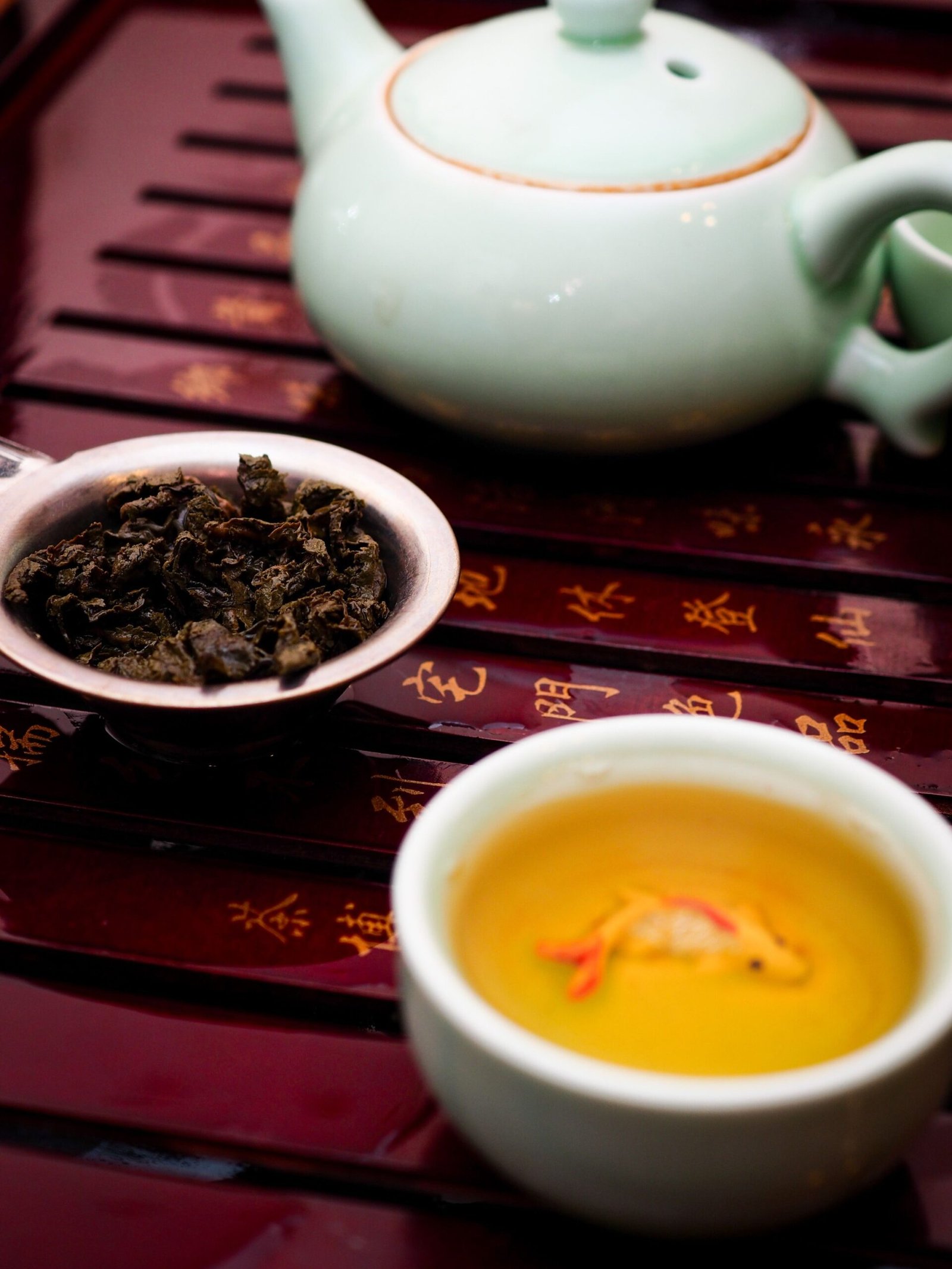
Now Reading: Wellness Tea: Benefits, Types & Healthy Brewing Tips
-
01
Wellness Tea: Benefits, Types & Healthy Brewing Tips

A warm cup of wellness tea offers more than comfort. People have enjoyed tea for centuries to relax, aid digestion, and support well-being. Today, wellness tea is popular for its natural ingredients that may help with physical and mental health when part of a balanced lifestyle.
If you want a calming drink before bed, a gentle energy boost, or something soothing after a big meal, there is a wellness tea for you. While tea cannot cure diseases, many herbal and traditional teas have plant compounds that support overall health.
The Harvard T.H. Chan School of Public Health notes that unsweetened tea has helpful plant compounds called polyphenols and can be part of healthy hydration. Choosing wellness tea over sugary drinks is an easy way to build better daily habits.

What Is Wellness Tea?
Wellness tea refers to teas made with herbs, spices, flowers, or traditional tea leaves that support daily wellness. People often choose wellness tea for its possible health benefits, not just for taste.
Some wellness teas use true tea leaves like green, black, white, or oolong. Others are herbal infusions without tea leaves and are naturally free of caffeine.
Popular ingredients found in wellness tea include:
- Chamomile
- Ginger
- Peppermint
- Turmeric
- Lemon balm
- Rooibos
- Green tea
- Lavender
- Hibiscus
Each ingredient has its own benefits, so you can pick a wellness tea that fits your health goals.
Why People Drink Wellness Tea
Supports Relaxation
Many people drink wellness tea to relax after a busy day. Herbs like chamomile, lavender, and lemon balm are often found in calming blends that help you unwind before bed.
Promotes Healthy Digestion
Ginger and peppermint are popular in wellness teas for digestive comfort. People have long used these herbs to help with bloating, indigestion, and mild stomach issues.
Encourages Hydration
Switching from sugary drinks to wellness tea helps you drink more fluids and cut down on added sugar. Staying hydrated is good for your energy, digestion, and overall health.
Provides Natural Antioxidants
Green and white teas have antioxidants called polyphenols that help protect your cells. Drinking teas rich in antioxidants, along with a balanced diet, supports your long-term health.
Supports Daily Wellness Habits
Having a cup of wellness tea each day can help you be more mindful. Taking time to make and enjoy your tea can lower stress and support a healthy self-care routine.
Types of Wellness Tea and Their Benefits
Chamomile Tea
Chamomile is a favorite ingredient in wellness teas for relaxation. Its mild floral taste makes it a great drink for unwinding in the evening after a long day.
Peppermint Tea
Peppermint wellness tea is loved for its fresh taste and digestive benefits. Many people drink it after meals to feel less full and reduce bloating.
Ginger Tea
People have used ginger wellness tea for generations to help with digestion and nausea. Its warm, spicy taste also makes it a cozy drink in cold weather.
Green Tea
Green wellness tea gives you antioxidants and a moderate amount of caffeine. It offers a gentle energy boost without the strong effects of coffee.
Turmeric Tea
Turmeric wellness tea has curcumin, a natural compound known for its anti-inflammatory effects. Many blends add black pepper to help your body absorb curcumin better.
Rooibos Tea
Rooibos wellness tea is naturally free of caffeine, has a smooth and slightly sweet taste, and contains antioxidants. It’s a great choice for staying hydrated in the evening.
Lemon Balm Tea
Lemon balm wellness tea has a nice citrus scent and is often used to help with relaxation and emotional balance.
Matcha Tea
Matcha is a powdered green tea that gives you a lot of antioxidants and steady energy. It’s a popular choice for people who want better focus and alertness.
How to Choose the Right Wellness Tea
Choose Based on Your Wellness Goals
Each wellness tea blend has its own purpose. Chamomile helps you relax, peppermint supports digestion, green tea gives gentle energy, and turmeric blends are good for overall wellness.
Read the Ingredient List
Choose wellness teas made with whole herbs and natural ingredients. Try to avoid teas with too much sugar, artificial flavors, or extra additives.
Consider the Caffeine Content
Not all wellness teas are caffeine-free. Herbal teas usually have no caffeine, but green, black, white, and oolong teas have different amounts of caffeine.
Buy from Trusted Brands
Buy from trusted brands that clearly list their ingredients and focus on quality. Choosing organic options can also help you avoid unwanted pesticides.
Easy Homemade Wellness Tea Recipes
Calming Chamomile Lavender Tea
Ingredients
- 1 teaspoon dried chamomile flowers
- ½ teaspoon dried lavender
- 1 cup hot water
Let the tea steep for five minutes before serving. This calming wellness tea is great to drink before bed.
Ginger Mint Digestive Tea
Ingredients
- Fresh ginger slices
- Fresh mint leaves
- Hot water
Let the mixture steep for ten minutes. This refreshing wellness tea is perfect to enjoy after meals.
Turmeric Lemon Wellness Tea
Ingredients
- ½ teaspoon turmeric
- Fresh lemon juice
- Pinch of black pepper
- Hot water
This tasty wellness tea blends warming spices with a fresh citrus flavor.
Immune Support Herbal Tea
Mix rosehips, echinacea, and hibiscus to make a colorful wellness tea with a fruity taste that supports your daily wellness.
Tips for Making Wellness Tea Part of Your Daily Routine
It’s easy to make wellness tea part of your daily routine. Try starting your morning with green tea instead of sugary drinks, have peppermint tea after lunch, or relax with chamomile before bed.
Try not to add too much sugar, since it can lessen the health benefits of your wellness tea. If you like it sweeter, use a little honey or enjoy the tea as it is.
Keep your wellness tea in airtight containers, away from sunlight and moisture, to keep its flavor and benefits.
Frequently Asked Questions
What is wellness tea?
Wellness tea is a tea or herbal drink made with ingredients picked to support your well-being, like relaxation, digestion, hydration, or daily health.
Can wellness tea improve overall health?
Wellness tea can be part of a healthy lifestyle by helping you stay hydrated and giving you helpful plant compounds. But it should not take the place of medical treatment, prescribed medicine, or a balanced diet.
Is wellness tea safe to drink every day?
Most wellness teas are safe to drink every day if you enjoy them in moderation. Some herbs can interact with medicines or may not be safe during pregnancy. If you have a health condition, check with your doctor before drinking herbal teas regularly.
Which wellness tea is best for relaxation?
Chamomile, lavender, lemon balm, and rooibos are some of the most popular wellness teas for relaxation and stress relief.
Which wellness tea is best for digestion?
Peppermint and ginger are well-known wellness teas that help with digestion after meals.
Final Thoughts
Drinking wellness tea every day is an easy and enjoyable way to support your well-being. Whether you like calming chamomile, refreshing peppermint, green tea full of antioxidants, or warming turmeric blends, there’s a wellness tea for everyone.
Wellness tea is most helpful when it’s part of a healthy routine with good food, regular exercise, enough sleep, and stress management. Small, steady habits can make a big difference over time. So brew your favorite wellness tea, take a mindful moment, and enjoy each sip on your wellness journey.
Recommended YouTube Resource
Here’s a helpful video:
References
- Harvard T.H. Chan School of Public Health. The Nutrition Source: What Should You Drink? https://www.hsph.harvard.edu/nutritionsource/what-should-you-drink/
- National Center for Complementary and Integrative Health (NCCIH). Herbs at a Glance. https://www.nccih.nih.gov/health/herbsataglance
- World Health Organization (WHO). Healthy Diet. https://www.who.int/news-room/fact-sheets/detail/healthy-diet
- Mayo Clinic. Healthy Lifestyle. https://www.mayoclinic.org/healthy-lifestyle

Jen Sheldon is a seasoned writer with a passion for fitness, health, wellness, and addiction treatment. With years of experience crafting insightful and research-backed content, she helps readers navigate their journey toward better well-being. When she’s not writing, you’ll find her exploring new workout routines or diving into the latest health trends.