Now Reading: Sustainable Wellness: Build Healthy Habits That Last
-
01
Sustainable Wellness: Build Healthy Habits That Last

These days, it’s common for people to try quick fixes, strict diets, or tough workout routines that are hard to stick with. These methods might work for a little while, but they rarely lead to lasting change. Sustainable wellness offers a different approach. Instead of aiming for perfection, it’s about building healthy habits that fit into your daily life and last over time.
Sustainable wellness is about taking care of your physical, mental, emotional, and environmental health in a balanced way. Real health takes time and steady effort. By making small, realistic changes, anyone can start building better health for life.
The World Health Organization (WHO) reports that about 74% of deaths worldwide are caused by noncommunicable diseases, many of which are linked to things like poor diet, lack of exercise, smoking, and too much alcohol. This shows why focusing on sustainable wellness is so important today.

What Is Sustainable Wellness?
Sustainable wellness means building healthy habits you can keep up for the long run. Rather than following short-term diets or routines that are hard to maintain, it’s about making small changes that become part of your everyday life.
For example, swapping sugary drinks for water each day is a simple and realistic habit that’s easy to stick with. Taking a 20-minute walk after dinner or spending five minutes on mindfulness each morning are also small steps that can make a big difference over time.
Sustainable wellness is different from short-term trends because it looks at how your mind, body, relationships, and environment all connect. When these parts of your life support each other, your overall well-being improves naturally.
Why Sustainable Wellness Matters
Modern life can leave you feeling stressed, tired, and out of touch with healthy habits. Long work hours, eating processed foods, not getting enough sleep, and too much screen time can all take a toll on your body and mind.
Sustainable wellness can help you break this cycle. Rather than making big changes all at once, you focus on small habits that slowly become part of your routine. This way, you’re less likely to burn out and more likely to stick with it for the long term.
The National Institute of Mental Health (NIMH) points out that habits like regular exercise, enough sleep, managing stress, and staying connected with others are important for mental health. Sustainable wellness helps you bring all these habits into your daily life.
The Pillars of Sustainable Wellness
Physical Wellness
Physical health is the base of sustainable wellness. You don’t need to join a pricey gym or follow a complex fitness plan to stay healthy. Activities like walking, cycling, stretching, swimming, or gardening are all great ways to keep moving.
Eating well is just as important. Whole grains, fruits, vegetables, lean proteins, and healthy fats give your body what it needs. Drinking enough water and getting seven to nine hours of good sleep each night also help support your wellness.
Mental and Emotional Wellness
Your mental health matters just as much as your physical health. Doing things like mindfulness, journaling, meditation, or deep breathing can lower stress and help you handle challenges better.
Sustainable wellness means being kind to yourself. If you have a setback, try to learn from it and keep going instead of being hard on yourself. If things feel too tough emotionally, reaching out to a mental health professional is a positive step.
Social Wellness
Good relationships are a big part of sustainable wellness. Spending time with family, keeping up with friends, volunteering, or joining community groups can help you feel connected and supported.
Having strong social connections is linked to better mental health, less stress, and more satisfaction in life.
Environmental Wellness
Your environment affects your health more than you might think. Spending time outdoors, clearing clutter, improving air quality at home, and choosing eco-friendly products all help support sustainable wellness.
Simple habits like carrying a reusable water bottle, cutting down on plastic, or walking instead of driving short distances are good for both your health and the planet.
Benefits of Sustainable Wellness
Better Physical Health
A major benefit of sustainable wellness is better overall health. Regular exercise, eating well, and getting enough sleep can boost your energy, strengthen your immune system, and lower your risk of chronic illness.
Improved Mental Well-Being
Doing mindfulness, keeping healthy routines, and staying active each day can lower stress and lift your mood and focus. Over time, these habits help you handle challenges and support your mental health.
Long-Term Healthy Habits
Sustainable wellness is different from strict programs because it builds habits that fit into your daily life. These routines are easier to keep up since they focus on what’s realistic, not on being perfect.
Positive Environmental Impact
Picking local foods, cutting down on waste, and using reusable items are ways to practice sustainable wellness and help the environment. These small steps also make communities healthier and lower your impact on the planet.
Practical Ways to Build Sustainable Wellness Every Day
Start Small
You don’t have to change everything right away. Start your wellness journey with just one small habit. Try drinking an extra glass of water, walking for 15 minutes, or adding more vegetables to your meals.
Build Habits Instead of Relying on Motivation
Motivation isn’t always there, but habits stick. Try linking new habits to things you already do. For example, meditate for five minutes after brushing your teeth or stretch while your coffee brews.
Choose Sustainable Nutrition
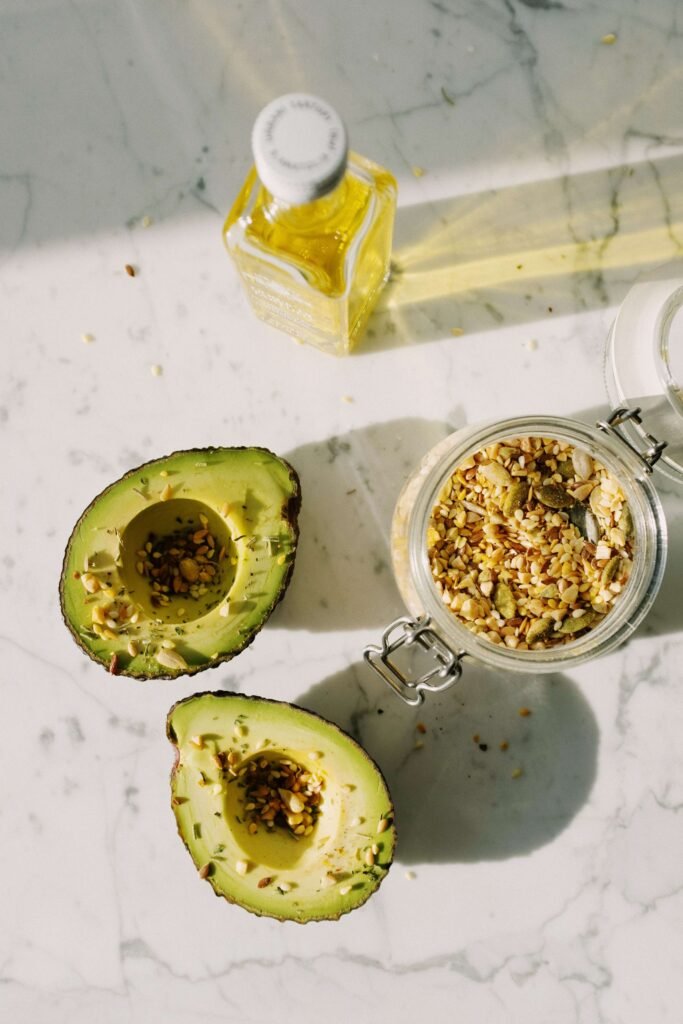
Focus on eating foods that truly nourish you, instead of following strict diets. Whole foods, seasonal fruits and veggies, home-cooked meals, and eating mindfully all help support sustainable wellness.
Make Movement Enjoyable
Exercise shouldn’t feel like a chore. Walking with friends, doing yoga, dancing, hiking, or gardening are all fun ways to stay active and support your wellness.
Protect Your Mental Health
Limit your screen time, get outside, practice gratitude, and take regular breaks during the day. These easy habits can lower stress and help you feel more balanced.
Common Challenges to Sustainable Wellness
Life gets busy, and sometimes healthy habits fall by the wayside. Work, family, money worries, or surprises can all get in the way.
The secret to sustainable wellness is being flexible, not perfect. If you skip a workout or eat something unhealthy, just get back to your routine the next day. What matters most is sticking with it over time, not doing everything perfectly.
Sustainable Wellness Myths
Healthy Living Is Too Expensive
Some people think you need expensive supplements or fancy fitness programs for sustainable wellness. In truth, walking outside, making simple meals at home, and practicing mindfulness are all budget-friendly ways to get healthier.
You Need Perfect Habits
Sustainable wellness isn’t about being perfect. Making small changes and sticking with them over time works better than being super strict for a short while.
Sustainable Wellness Means Giving Up Everything You Enjoy
A balanced lifestyle means you can still enjoy treats, celebrations, and downtime. Sustainable wellness is about moderation, not strict rules, so healthy living feels more enjoyable and doable.
Frequently Asked Questions
What does sustainable wellness mean?
Sustainable wellness is about building healthy habits that support your body, mind, emotions, and environment for the long haul.
How is sustainable wellness different from traditional wellness?
Traditional wellness usually aims for quick results, but sustainable wellness is about lifelong habits that fit easily into your daily routine.
Can sustainable wellness improve mental health?
Yes. Regular exercise, eating well, mindfulness, good sleep, and strong social ties—all important parts of sustainable wellness—can help your mental health.
Is sustainable wellness good for the environment?
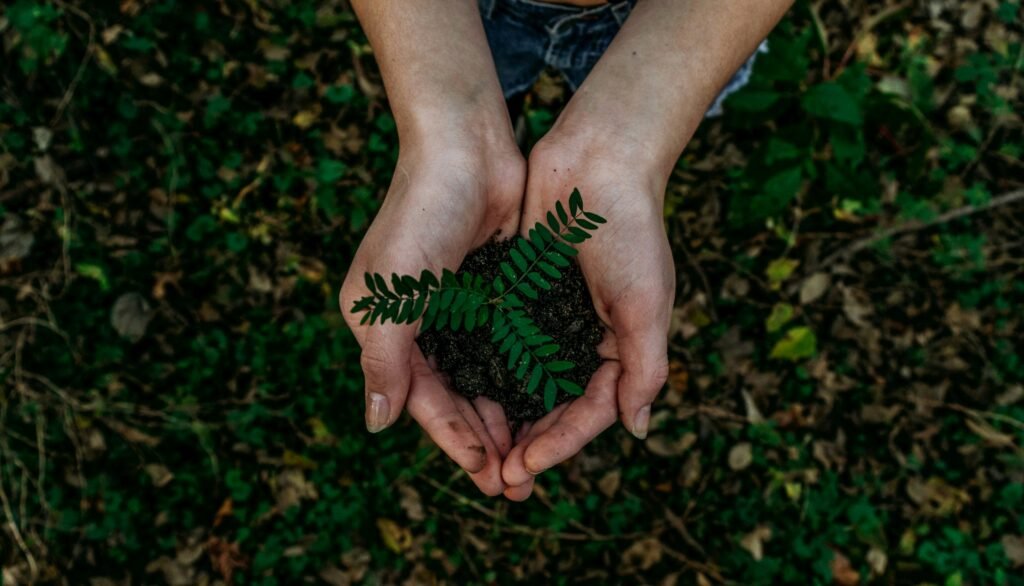
Absolutely. Using reusable products, cutting down on waste, eating seasonal foods, and getting outside more are all ways sustainable wellness helps you and the environment.
Final Thoughts
Sustainable wellness isn’t about chasing the latest health trend or being perfect. It’s about making smart choices that help you feel better now and keep you healthy in the future.
You might start with a daily walk, cooking healthier meals, getting better sleep, or practicing mindfulness—every small step counts. Over time, these habits become part of your life, making sustainable wellness possible and rewarding. Lasting health doesn’t come from big changes all at once, but from steady actions day by day.
Recommended YouTube Resource
This video might help:
References
- World Health Organization (WHO). Noncommunicable Diseases. https://www.who.int/news-room/fact-sheets/detail/noncommunicable-diseases
- National Institute of Mental Health (NIMH). Caring for Your Mental Health. https://www.nimh.nih.gov/health/topics/caring-for-your-mental-health
- Harvard T.H. Chan School of Public Health. The Nutrition Source. https://www.hsph.harvard.edu/nutritionsource/
- Centers for Disease Control and Prevention (CDC). Healthy Living. https://www.cdc.gov/healthy-weight-growth/

Jen Sheldon is a seasoned writer with a passion for fitness, health, wellness, and addiction treatment. With years of experience crafting insightful and research-backed content, she helps readers navigate their journey toward better well-being. When she’s not writing, you’ll find her exploring new workout routines or diving into the latest health trends.