Now Reading: Oolong Tea for Digestion: Benefits, Side Effects, and Best Ways to Drink It
-
01
Oolong Tea for Digestion: Benefits, Side Effects, and Best Ways to Drink It
Oolong Tea for Digestion: Benefits, Side Effects, and Best Ways to Drink It
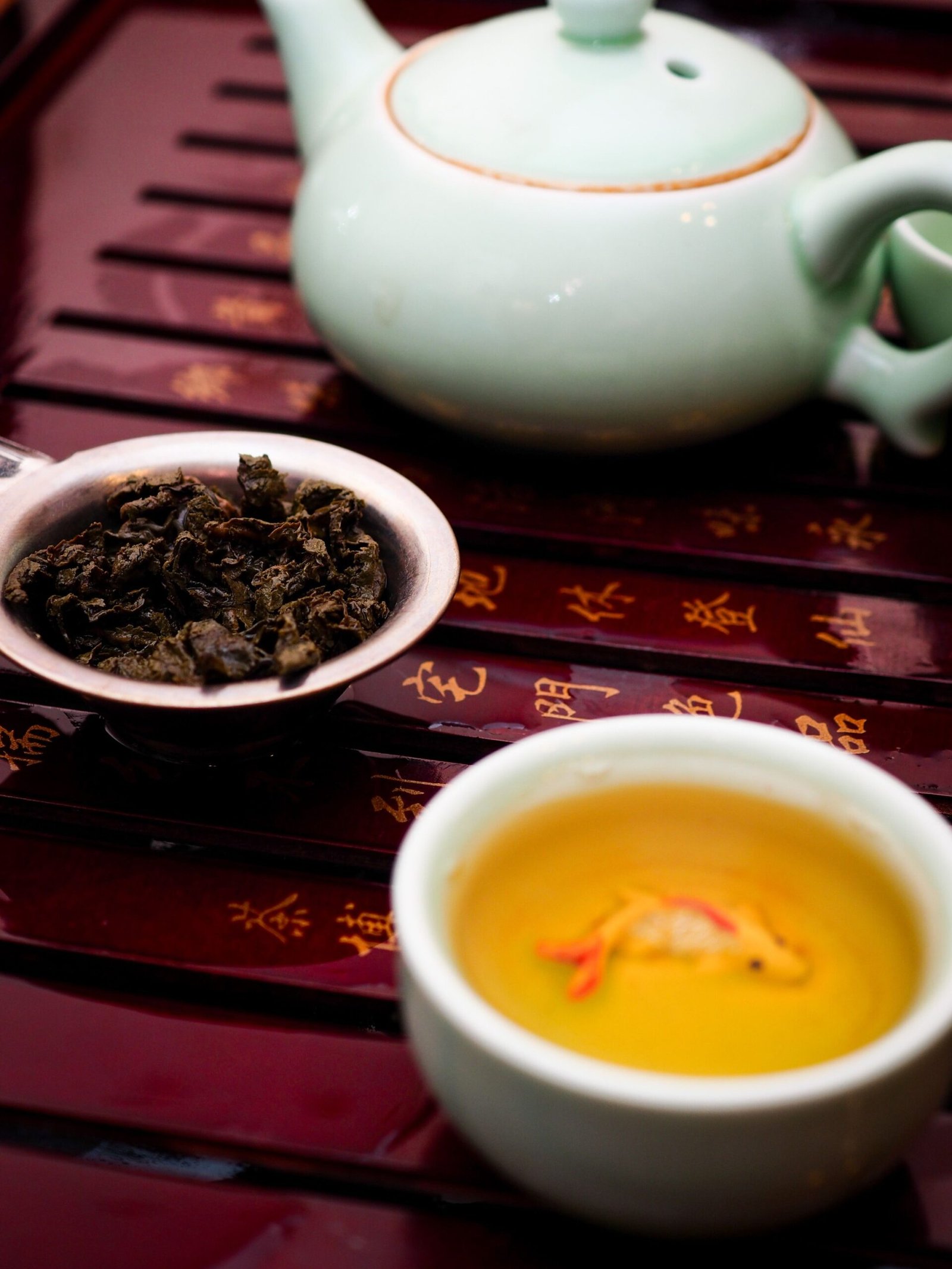
A warm cup of tea after a meal can be comforting and relaxing. Oolong tea, in particular, stands out for its unique flavor, which is somewhere between green and black tea. Many people find that it helps their digestion feel more comfortable.
Although research is ongoing, drinking oolong tea may have some digestive benefits. Its natural caffeine, antioxidants, and polyphenols could help support normal digestion and gut health. Still, everyone is different, and oolong tea should not be used as a substitute for medical care.
This guide covers the science behind oolong tea and digestion, its possible benefits, side effects, and tips for enjoying it safely.
What Is Oolong Tea?
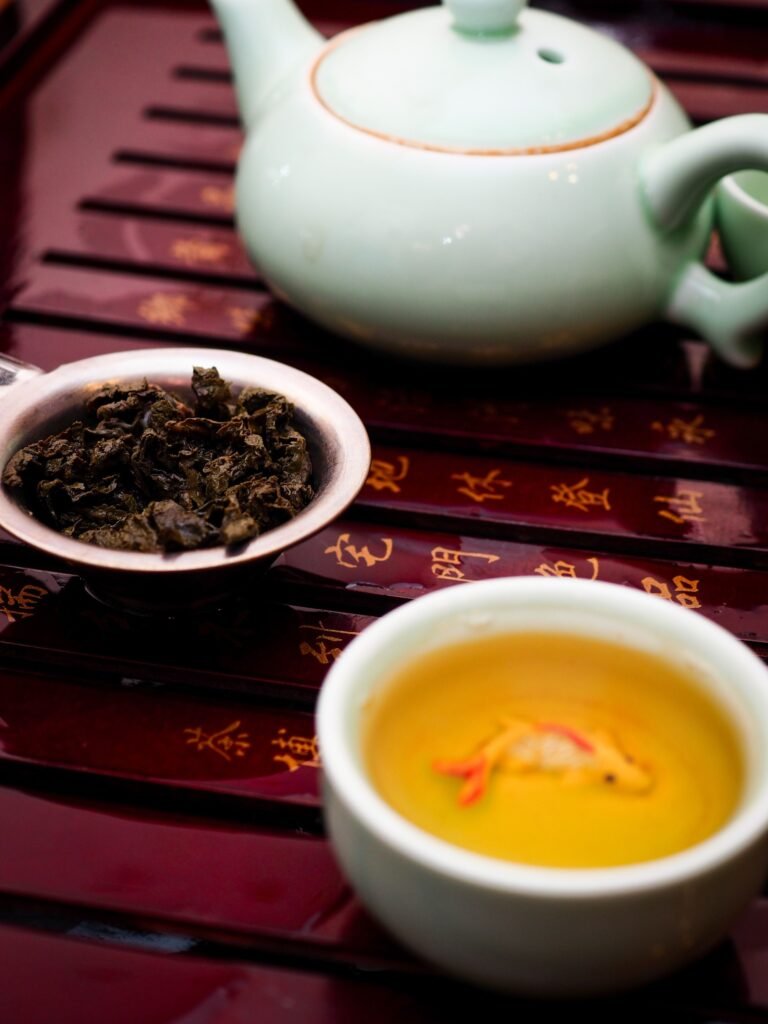
Oolong tea is made from the Camellia sinensis plant, just like green and black tea. Its leaves are partially oxidized, which gives oolong a flavor that can be light and floral or rich and roasted.
Oolong tea, like other traditional teas, naturally contains caffeine and plant compounds called polyphenols. Scientists are studying these compounds because they might affect metabolism, inflammation, and gut bacteria. The National Center for Complementary and Integrative Health (NCCIH) notes that tea has bioactive compounds with possible health effects, but more research in people is needed.
Thanks to these natural compounds, many people include oolong tea in their daily routine to support digestion.
Does Oolong Tea Help Digestion?
The short answer is that oolong tea might help, but not always in the way people expect.
Oolong tea does not directly break down food or work like a digestive enzyme. Instead, it may help digestion by keeping you hydrated, offering helpful plant compounds, and gently stimulating your digestive tract with its natural caffeine.
Many people find that swapping sugary drinks for unsweetened oolong tea helps them build healthier habits, which can also be good for digestion.
Benefits of Oolong Tea for Digestion
May Stimulate Regular Bowel Movements
A common reason people drink oolong tea for digestion is because of its effect on bowel movements.
Oolong tea contains caffeine, which may help stimulate the muscles in your digestive tract. For some people, this means they are more likely to have a bowel movement, especially after drinking tea in the morning.
However, everyone is different. Some people notice this effect right away, while others do not experience any change.
Supports Healthy Hydration
Staying hydrated is important for good digestion. Drinking enough fluids helps your digestive system move food along and keeps stools softer.
Water should still be your main drink, but oolong tea can also help you stay hydrated if you drink it without too much sugar.
May Support Gut Health
Scientists are paying more attention to how tea polyphenols might affect gut bacteria.
A recent review on PubMed suggests that tea polyphenols could affect the gut microbiome, the intestinal barrier, and inflammation. While these results are promising, more research is needed on oolong tea specifically before making strong claims.
A Comforting Drink After Meals
Many people just like having a warm cup of oolong tea after a meal.
A warm drink can feel soothing after a big meal, and choosing unsweetened tea instead of sugary sodas is often a healthier choice.
Some people think oolong tea helps burn fat after meals, but current research does not support this idea.
May Encourage Healthier Beverage Choices
Replacing soda or sugar-filled beverages with oolong tea for digestion can reduce added sugar intake.
This simple change may help your digestive and metabolic health over time, mostly because you are cutting back on extra sugar, not just because of the tea itself.
Does Oolong Tea Make You Poop?
Many people look into oolong tea for digestion because they want to know if it helps with bowel movements.
For some individuals, the answer is yes.
The caffeine in oolong tea may help stimulate your digestive tract, making you feel the need to go to the bathroom. Warm drinks in general can also help keep things moving.
However, oolong tea is not a treatment for ongoing constipation. If you have constipation that lasts for weeks or gets worse, talk to your doctor.
Is It Safe to Drink Oolong Tea on an Empty Stomach?
Some people can drink oolong tea first thing in the morning without any issues.
Others may experience:
- Mild nausea
- Stomach discomfort
- Acid reflux
- Shakiness
- Increased hunger
If tea bothers your stomach, try having it after breakfast or with a small snack instead of drinking it on an empty stomach.
Can Oolong Tea Cause Digestive Problems?
Many people can drink oolong tea without problems, but it is not right for everyone.
Bloating
Plain oolong tea rarely causes bloating by itself.
However, drinking tea too quickly, adding milk, or using artificial sweeteners can cause discomfort for some people.
Diarrhea
Drinking a lot of caffeine can make your bowels more active and may lead to loose stools.
If this happens, try drinking fewer cups or making your tea a bit weaker.
Acid Reflux
Caffeinated drinks can make heartburn worse for some people.
If you often have acid reflux, try not to drink oolong tea near bedtime or on an empty stomach.
Nausea
Strong tea has tannins, which can bother your stomach if you drink it without food.
Having oolong tea with food usually helps prevent this problem.
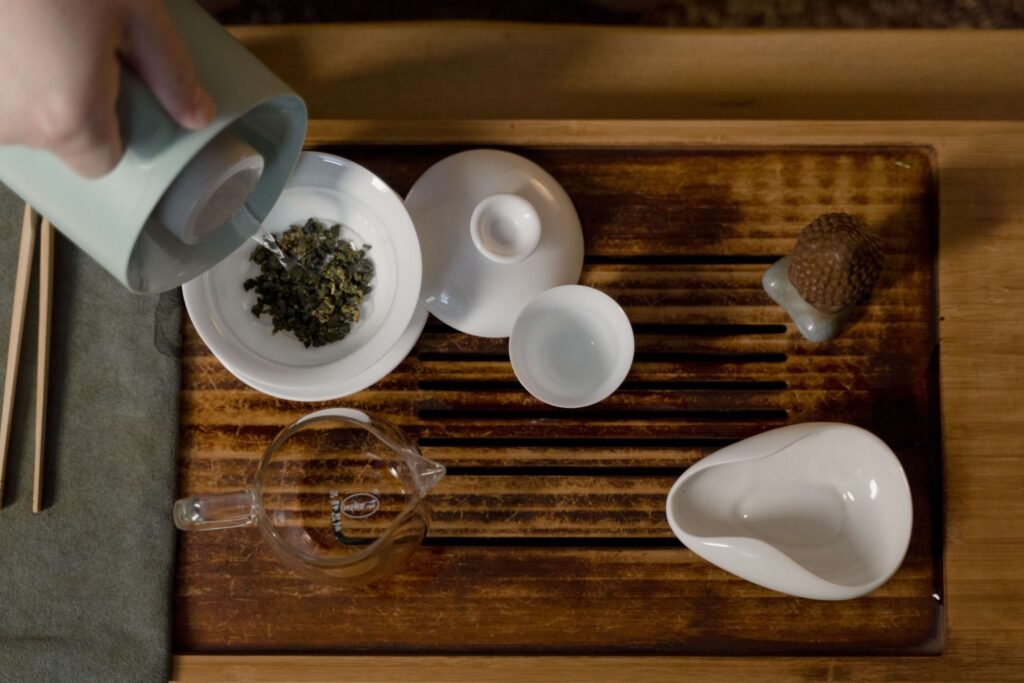
How to Prepare Oolong Tea for Digestion
Making oolong tea is easy.
- Heat fresh water according to the tea instructions.
- Add about one teaspoon of loose tea leaves per cup.
- Steep for two to five minutes.
- Try not to brew the tea for too long, as this can make it taste bitter.
- Drink it warm.
- Avoid adding too much sugar if you can.
Different types of oolong tea may need different brewing temperatures, so check the instructions that come with your tea.
Best Time to Drink Oolong Tea for Digestion
After Breakfast
This is usually the easiest option for people with sensitive stomachs.
After Lunch
Many people like to have oolong tea after lunch as a refreshing choice instead of sugary drinks.
Early Afternoon
Oolong tea has a moderate amount of caffeine, so early afternoon is a better time to drink it than late at night if caffeine keeps you awake.
How Much Oolong Tea Should You Drink?
For most healthy adults, drinking one to three cups of oolong tea a day is usually enough to enjoy its taste and possible benefits.
Keep in mind that oolong tea adds to your daily caffeine total. The U.S. Food and Drug Administration (FDA) says that up to 400 milligrams of caffeine per day is usually safe for most healthy adults, but everyone reacts differently.
Who Should Be Careful With Oolong Tea?
Oolong tea is safe for many people, but some should be careful.
Talk with your healthcare provider if you:
- Are pregnant or breastfeeding
- Have severe acid reflux.
- Are highly sensitive to caffeine
- Experience heart palpitations
- Have chronic diarrhea
- Take medications that interact with caffeine.
- Have iron deficiency and regularly drink tea with meals
Tips for Choosing High-Quality Oolong Tea
When shopping for oolong tea, look for:
- Whole tea leaves
- Fresh aroma
- Trusted tea brands
- Minimal added flavors
- No added sugar
Higher-quality tea usually tastes smoother, but it does not guarantee better digestive benefits.
Frequently Asked Questions
Is oolong tea good for digestion?
Many people like oolong tea because it can help you stay hydrated, offers helpful polyphenols, and its natural caffeine may help with bowel movements.
Does oolong tea help constipation?
It may help some people have bowel movements, but it is not a proven fix for ongoing constipation.
Can oolong tea cause diarrhea?
Yes. Drinking too much oolong tea can cause loose stools, especially if you are sensitive to caffeine.
Can I drink oolong tea every day?
Yes. Most healthy adults can drink oolong tea every day in moderate amounts, as long as it fits within their total caffeine intake.
Is iced oolong tea good for digestion?
Hot and iced oolong tea have similar compounds if you make them the same way. Pick the one you like best.
Final Thoughts
Drinking oolong tea can be an enjoyable part of your daily wellness routine. Its natural caffeine may help with bowel movements, and its polyphenols are being studied for their possible effects on gut health.
However, oolong tea is not a cure for constipation, bloating, or digestive problems. It should be just one part of a healthy lifestyle that also includes eating fiber-rich foods, staying hydrated, exercising, and seeing a doctor when needed.
If you like the taste and it agrees with you, oolong tea can be a healthy and comforting part of your day.
Recommended YouTube Resource
Here’s a helpful video:
References
- National Center for Complementary and Integrative Health. Tea. https://www.nccih.nih.gov/health/tea
- U.S. Food and Drug Administration. Spilling the Beans: How Much Caffeine Is Too Much? https://www.fda.gov/consumers/consumer-updates/spilling-beans-how-much-caffeine-too-much
- PubMed. Tea Polyphenols and Gut Health Review. https://pubmed.ncbi.nlm.nih.gov/42317058/
- Harvard T.H. Chan School of Public Health. The Nutrition Source – Tea. https://nutritionsource.hsph.harvard.edu/tea/

Jen Sheldon is a seasoned writer with a passion for fitness, health, wellness, and addiction treatment. With years of experience crafting insightful and research-backed content, she helps readers navigate their journey toward better well-being. When she’s not writing, you’ll find her exploring new workout routines or diving into the latest health trends.