Now Reading: Best Energy Fruit: 10 Fruits for Natural Energy
-
01
Best Energy Fruit: 10 Fruits for Natural Energy
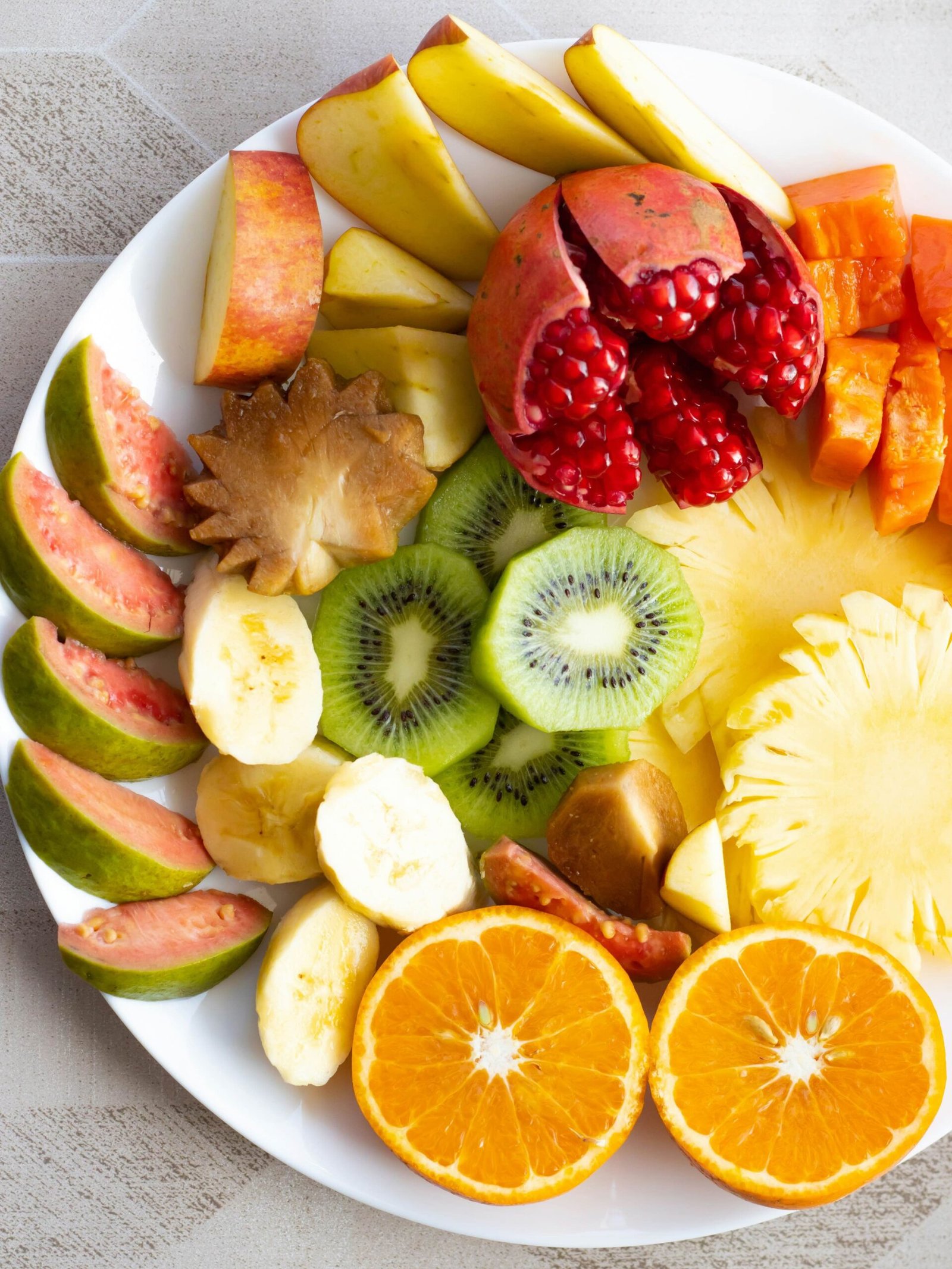
Have you ever felt tired halfway through the day even though you still have a lot to do? Instead of reaching for another coffee or a sugary energy drink, try having a piece of fresh fruit.
Choosing the right fruit for energy can help you pick nutritious snacks that provide the carbohydrates, vitamins, minerals, and fiber you need. There are many options, from bananas and apples to dates and berries, each with its own benefits.
Here are ten fruits that can give you a natural energy boost, along with tips on how to add them to your daily routine.
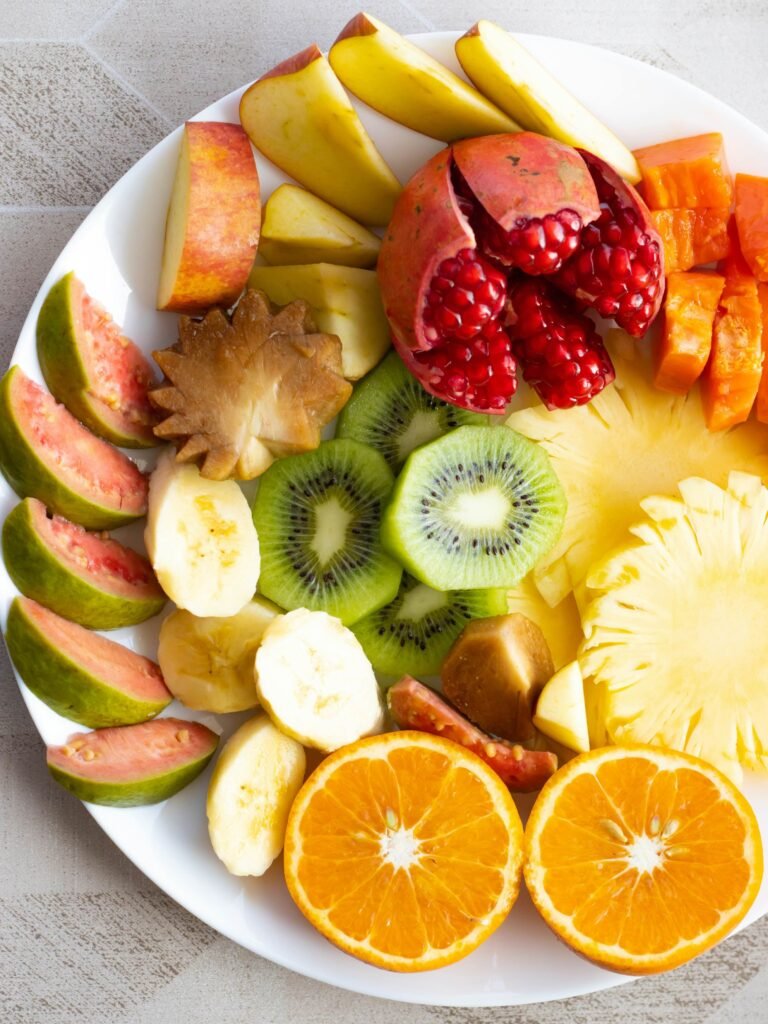
How do fruits give you energy?
Fruit has carbohydrates that your body turns into glucose, giving your cells energy. It also provides water, fiber, and important nutrients your body needs to function well.
Carbohydrates are one of the body’s main sources of energy (MedlinePlus).
Whole fruits have natural sugars and fiber, which affect how your body digests them and how quickly the carbohydrates are absorbed.
Even the best energy fruit can’t replace good sleep, balanced nutrition, or medical care if your tiredness is caused by an underlying health issue.
10 Best Energy Fruits to Eat When You Feel Tired
1. Bananas – Best for Pre-Workout Energy
Bananas are a good source of carbs if you’re after something to eat before a workout. A medium banana has 105 calories and 27g of carbs (USDA data as normally quoted).
Bananas also contain potassium which is good for normal muscle and nerve function.
If you want a quick energy boost before a workout, a banana is a great choice. It needs no preparation and is easy to carry with you.
2. Apples – Best for Everyday Snacking
Apples provide carbs, water and dietary fibre. A medium apple (with skin) has around 95 calories and 25g of carbohydrates.
The fiber in apples makes them a filling snack, especially if you pair them with nuts or yogurt.
An apple is one of the best energy fruits for mornings, office breaks, or school lunches because it’s easy to carry and needs no preparation.
3. Oranges – Best for Hydration and Vitamin C
Oranges have carbs, water and vitamin C. A medium orange has around 60 calories (of course this will vary with size).
The NIH says vitamin C supports immune function and collagen synthesis.
Oranges are perfect for warm weather. Eating the whole fruit instead of just the juice gives you more fiber.
4. Dates – Best for Quick Carbohydrates
Dates are naturally sweet fruit, high in carbohydrate and very low in water.
One large Medjool date has c.66 calories and 18g of carbs.
Dates can be a useful snack to have prior to physical activity or as a handy source of dietary energy.
If you want a small, carb-rich snack, dates are a great option. Just remember to watch your portion sizes, especially if you need to manage your blood sugar.
5. Berries – Best for a Light, Nutritious Snack
Strawberries, blueberries and raspberries all contain carbs, fiber, water and various naturally occurring plant compounds.
Berries usually have fewer calories per serving than dried fruits, except for dates. They also add flavor and variety to your meals.
Add berries to plain Greek yogurt or oatmeal. This gives you carbs along with protein or fiber, making your snack more filling.
6. Avocados – Best for Healthy Fats
Avocados are unlike most fruit in that they’re low in sugar and high in fat.
A medium avocado is a good source of dietary energy (primarily from unsaturated fat) and also contains fibre and potassium.
Avocados don’t provide quick carbs for exercise, but they help make meals more filling.
Spread the avocado on some wholegrain toast or add the slices to a salad.
7. Mangoes – Best for a Sweet Energy Snack
Mangoes provide natural sugars, vitamin C and other nutrients.
A cup of sliced mango has circa 100 calories and 25g of carbohydrate according to USDA food composition data.
Fresh mango is a naturally sweet option instead of desserts with added sugar.
You can enjoy mango with yogurt or blend some into a smoothie, but skip adding syrup or sweetened juice.
8. Watermelon – Best for Refreshment
Watermelon is a very high water fruit so is a great one to have in the summer.
It provides carbs but fewer calories per gram than the energy dense fruits such as dates.
Watermelon is a great choice if you want a light, hydrating snack instead of something high in calories.
Pair it with another nutritious food if you’re after a more substantial meal.
9. Grapes – Best for Convenient Snacking
Grapes are a natural source of carbohydrate and water. They’re easy to wash, easy to pack and easy to eat throughout the day.
A cup of grapes has about 100 calories (varies by variety and serving size).
Grapes are a convenient snack before a walk or other activities. Just be sure to eat an amount that fits your nutritional needs.
10. Kiwi – Best for Vitamin C and Fiber
Kiwi is a healthy fruit containing carbs, dietary fibre and vitamin C.
Kiwi has a great flavor, making it perfect for breakfast bowls, yogurt, or fruit salads.
Kiwi may not have the most calories, but it adds valuable nutrients to a balanced diet.
Which fruit gives you the most energy?
The best energy fruit depends on what you need. Do you want quick carbs, a filling snack, or something higher in calories?
| Your Goal | Fruit | Main Benefit |
| Quick carbohydrates | Dates | Concentrated natural sugars |
| Pre-workout snack | Banana | Convenient carbohydrate source |
| Everyday snack | Apple | Fiber and water |
| Higher-calorie food | Avocado | Healthy fats |
| Refreshment | Watermelon | High water content |
| Breakfast addition | Berries | Fiber and nutrients |
As per USDA FoodData Central, the number of calories and amount of carbohydrate in fruit can vary significantly from variety to variety and from serving size to serving size.
Best Time to Eat Fruit for Energy
In the Morning
Begin your day with bananas, berries, or apples added to oatmeal or yogurt. Pairing fruit with protein and fiber makes your breakfast more balanced.
Before a Workout
A banana or a small handful of dates gives you the carbs you need before physical activity.
Choose portion sizes that feel right for your stomach and match your workout intensity.
During an Afternoon Energy Slump
Have an apple with peanut butter or berries with plain yogurt.
These combinations give you more than just carbs and help make your snack more satisfying.
There isn’t a proven perfect time to eat energy-boosting fruit. What matters most is your overall eating habits.
Whole Fruit vs. Fruit Juice for Energy
Whole fruit usually has more fiber than fruit juice. Fiber is good for digestion and helps you feel full.
The Harvard T.H. Chan School of Public Health points to the benefits of eating whole fruit as part of a healthy diet.
Fruit juice provides carbohydrates, but it’s easy to drink too much. Choose whole fruit when you can and limit how much juice you have.
Healthy Ways to Combine Fruits for More Filling Snacks
You can make energy-boosting fruit even more satisfying by pairing it with protein, fiber, or healthy fats.
Try these simple combinations:
- Banana with unsweetened peanut butter
- Apple slices with almonds
- Strawberries with plain Greek yogurt
- Dates with walnuts
- Avocado on whole-grain toast
These snacks offer a mix of nutrients and can help you avoid sugary drinks and highly processed snacks.
Can fruit help with constant tiredness?
Eating fruit can help if your tiredness is from hunger or not eating enough. If you still feel tired, there could be other reasons.
Fatigue can be linked to sleep problems, anemia, thyroid disease, medication side effects and a number of other medical conditions (MedlinePlus).
Even the best energy fruit can’t fix every cause of fatigue.
If you still feel tired after getting enough rest and eating well, it’s a good idea to see a doctor.
Frequently Asked Questions
What is the best energy fruit in the morning?
Bananas, apples, and berries are all great for breakfast. Add yogurt, eggs, or whole grains for a more balanced meal.
Which fruit gives you an instant energy boost?
Dates and grapes provide quick carbohydrates. However, no fruit gives an instant energy boost, and everyone’s body responds differently.
Are bananas better than apples for energy?
Bananas usually have more carbs per serving, while apples have more fiber and water. Both are healthy choices.
Can eating fruit reduce fatigue?
Fruit can give you energy when you’re hungry, but it won’t fix fatigue caused by sleep problems, nutrient shortages, or health issues.
Final Thoughts
The best energy fruit for you depends on your daily routine, nutrition needs, and what you like to eat.
Bananas and dates are easy sources of carbohydrates. Apples, berries, oranges, and kiwi give you fiber, water, and key nutrients.
Eat a variety of fruits with balanced meals, drink enough water, stay active, and get good sleep for long-term health.
Helpful YouTube Resource
Here’s a helpful video:
References
- USDA — FoodData Central
https://fdc.nal.usda.gov/ - MedlinePlus — Carbohydrates
https://medlineplus.gov/carbohydrates.html - Harvard T.H. Chan School of Public Health — Fruit
https://nutritionsource.hsph.harvard.edu/food-features/fruit/ - NIH Office of Dietary Supplements — Vitamin C
https://ods.od.nih.gov/factsheets/VitaminC-HealthProfessional/ - MedlinePlus — Fatigue
https://medlineplus.gov/fatigue.html - CDC — Healthy Eating Benefits for Adults
https://www.cdc.gov/nutrition/php/resources/healthy-eating-benefits-for-adults.html

Jen Sheldon is a seasoned writer with a passion for fitness, health, wellness, and addiction treatment. With years of experience crafting insightful and research-backed content, she helps readers navigate their journey toward better well-being. When she’s not writing, you’ll find her exploring new workout routines or diving into the latest health trends.