Now Reading: Protein Deficiency Hair Loss: Causes and Recovery Guide
-
01
Protein Deficiency Hair Loss: Causes and Recovery Guide
Hair loss is often upsetting, especially if you are unsure of the cause. While genetics, stress, and hormones are common reasons, nutrition is also important. Protein deficiency is a frequent but sometimes missed reason for hair loss.
Hair is mostly made of a protein called keratin, so your body needs enough protein from your diet to keep hair growing well. If you do not get enough protein, your body focuses on more important needs like your organs and muscles. This can slow hair growth and cause more hair to fall out.
If your hair is thinning and you do not know why, learning about how protein and nutrition affect hair loss may help you find answers.
Can a Lack of Protein Cause Hair Loss?
Yes, a lack of protein can cause hair loss. If your body does not get enough protein, it cannot support normal hair growth.
Understanding the Connection
Hair follicles are very active parts of the body. They need a regular supply of nutrients, especially protein, to grow healthy hair.
According to the American Academy of Dermatology (AAD), severe protein deficiency can cause hair to enter a resting phase, leading to increased shedding several months later.
Protein and Hair Structure
Hair is made mostly of keratin, which is a type of protein. If you do not eat enough protein, your body may make less keratin. This can make your hair weaker and more likely to fall out.
This is why hair loss from protein deficiency often happens after strict diets, illness, or not eating well.
The Link Between Protein Deficiency and Hair Loss
Why Does Low Protein Intake Cause Hair Loss?
Your body does not see hair as essential compared to organs like your heart, brain, or liver.
If you do not get enough protein, your body saves resources by slowing down hair growth. Over time, more hair follicles rest instead of growing, so you notice more hair falling out.
How Protein Deficiency Hair Loss Develops
Short-Term Deficiency
A short period of low protein may not affect your hair right away. But if you do not get enough protein for several weeks, you may start to lose more hair.
Long-Term Deficiency
If you do not get enough protein for a long time, your hair may keep thinning, grow back more slowly, and look less full.
Since hair grows in cycles, hair loss from protein deficiency often shows up two to three months after your diet changes.
Is My Hair Loss Due to Protein Deficiency?
Common Symptoms of Protein Deficiency: Hair Loss
There are a few signs that may show your hair loss is due to not getting enough protein.
Increased Hair Shedding
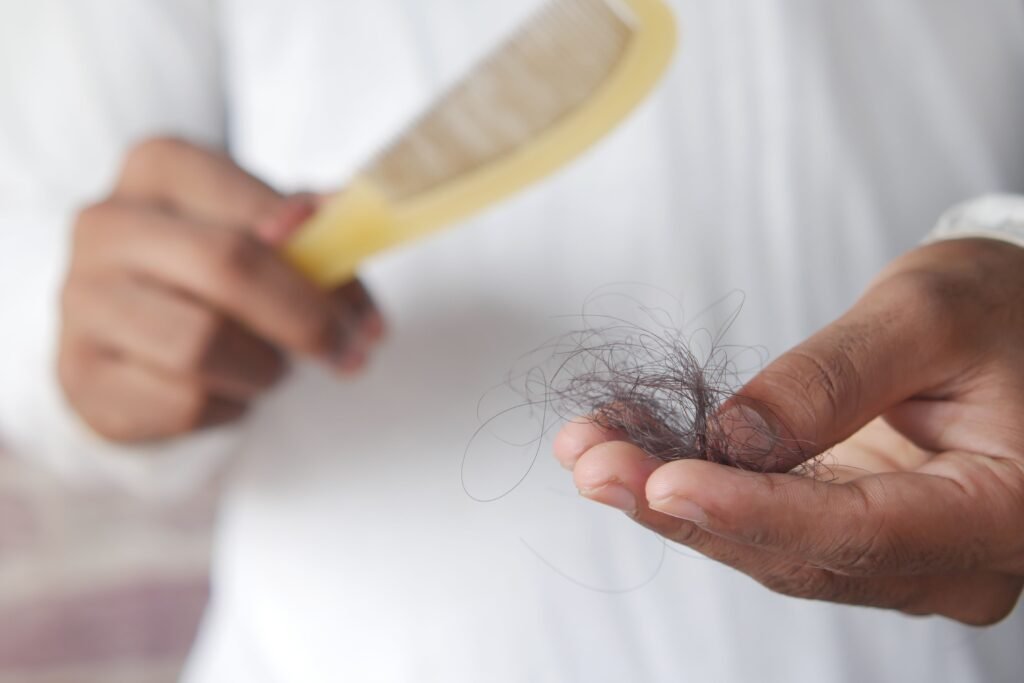
You may notice more hair on your pillow, in your shower drain, or on your hairbrush.
Thinner Hair Texture
Your hair may feel thinner and weaker than it used to.
Slower Hair Growth
Your hair might stop growing or take much longer to get as long as it was before.
Brittle Hair Strands
Protein keeps your hair strong. If you do not get enough, your hair may break more easily.
Loss of Hair Volume
Your hair may look flatter and not as thick.
Other Signs of Protein Deficiency
Not getting enough protein can affect other parts of your body, not just your hair.
Common symptoms include:
- Fatigue
- Muscle weakness
- Slow wound healing
- Frequent hunger
- Weak nails
- Reduced muscle mass
If you notice these symptoms along with hair loss, it is a good idea to talk to a healthcare professional about your diet.
Reasons Protein Deficiency May Occur
Restrictive Diets
Low-calorie diets can sometimes lower your protein intake without you realizing it.
Crash Diets
Quick weight-loss plans often cause protein deficiency hair loss because they limit how many nutrients you get.
Vegetarian and Vegan Diet Challenges
Plant-based diets can give you enough protein, but you need to plan your meals carefully.
If you do not include enough protein sources, you may develop a deficiency over time.
Eating Disorders
Eating disorders like anorexia nervosa can greatly lower your protein intake and lead to serious hair loss.
Medical Conditions
Some health problems can make it harder for your body to absorb protein.
Digestive Disorders
Diseases like Crohn’s and celiac disease can make it harder for your body to absorb nutrients.
Chronic Illnesses
If you have a long-term illness, your body may need more nutrients, which can lead to deficiencies.
How Much Protein Do You Need?
How much protein you need depends on your age, how active you are, and your health.
The Recommended Dietary Allowance (RDA) for adults is approximately 0.8 grams of protein per kilogram of body weight daily.
For example, a person weighing 70 kilograms (154 pounds) needs roughly 56 grams of protein each day.
People who are active, athletes, older adults, or those recovering from illness may need more protein.
Getting enough protein lowers your risk of losing hair from protein deficiency.
Best Protein-Rich Foods for Hair Health
Animal-Based Protein Sources
These foods have complete proteins, which means they include all the essential amino acids:
- Eggs
- Chicken
- Turkey
- Fish
- Greek yogurt
- Lean beef
Plant-Based Protein Sources
Plant foods can also help your hair grow well.
- Lentils
- Beans
- Chickpeas
- Tofu
- Tempeh
- Quinoa
- Hemp seeds
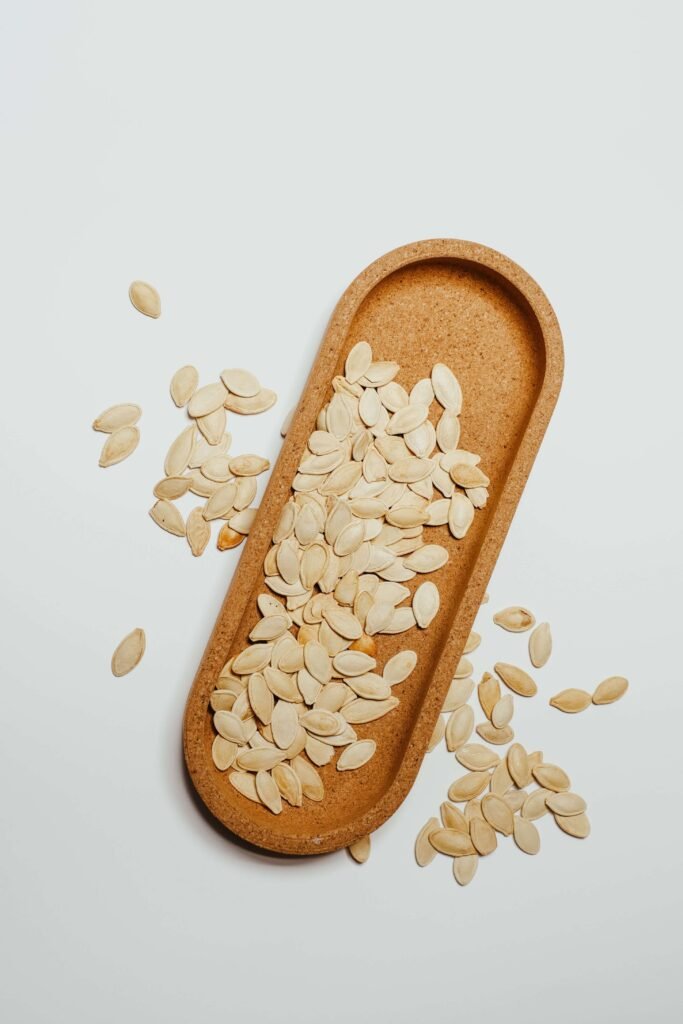
- Pumpkin seeds
Eating these foods often may help prevent hair loss from protein deficiency and keep you healthy overall.
How to Treat Protein Deficiency Hair Loss
Increase Dietary Protein
The main way to treat hair loss from protein deficiency is to get enough protein in your diet.
Try to eat balanced meals and include some protein with every meal.
Examples include:
- Eggs at breakfast
- Greek yogurt as a snack
- Lean chicken or tofu at lunch
- Fish or legumes at dinner
Address Underlying Health Conditions
If you have digestive problems or long-term illnesses that make it hard to absorb nutrients, you may need medical treatment.
Seek Professional Guidance
A registered dietitian can help you make a nutrition plan that supports healthy hair.
Is Protein Deficiency Hair Loss Reversible?
The good news is that hair loss from protein deficiency often gets better if you catch it early and treat it.
Recovery Timeline
Many people see less hair falling out within two to three months after eating more protein.
You may see new hair growth in three to six months, depending on how serious the deficiency was.
Factors Affecting Recovery
Recovery depends on:
- Age
- Overall health
- Severity of deficiency
- Consistency of dietary improvements
Be patient, as hair takes time to grow back.
When Dietary Changes Aren’t Enough
Sometimes, hair loss keeps happening even after you start eating more protein.
Role of Supplements
Protein supplements can help if you still do not get enough from food, but it is best to get most of your protein from whole foods.
Other Hair Loss Treatments
Hair loss can also result from:
- Iron deficiency
- Hormonal changes
- Thyroid disorders
- Stress
- Genetics
If protein deficiency is not the only reason for your hair loss, a dermatologist can help find other causes.
Debunking Common Myths About Protein and Hair Loss
Myth 1: More Protein Always Means More Hair Growth
Eating too much protein will not make your hair grow faster. It is important to have a balanced diet.
Myth 2: Protein Deficiency Is the Only Cause of Hair Loss
There are many reasons for hair loss, and protein is just one part of the picture.
Myth 3: Hair Regrows Immediately
It takes time for hair to recover. Most people need a few months before they see big changes.
Final Thoughts
Hair loss from protein deficiency is real and often can be reversed. Because hair needs protein to grow, not getting enough can upset the normal cycle and cause more hair to fall out.
The good news is that many people see their hair improve when they start getting enough protein. Eating balanced meals, taking care of health problems, and getting help from a professional when needed can help your hair grow better and support your overall health.
YouTube Resource
Here’s a helpful video by Andrew Huberman:
References
American Academy of Dermatology (AAD)
https://www.aad.org/public/diseases/hair-loss
National Institutes of Health (NIH)
https://ods.od.nih.gov/factsheets/Protein-HealthProfessional
Harvard T.H. Chan School of Public Health
https://www.hsph.harvard.edu/nutritionsource/what-should-you-eat/protein
Cleveland Clinic – Hair Loss Causes
https://health.clevelandclinic.org
Mayo Clinic – Hair Loss Overview
https://www.mayoclinic.org/diseases-conditions/hair-loss

Jen Sheldon is a seasoned writer with a passion for fitness, health, wellness, and addiction treatment. With years of experience crafting insightful and research-backed content, she helps readers navigate their journey toward better well-being. When she’s not writing, you’ll find her exploring new workout routines or diving into the latest health trends.