Now Reading: Mustard Oil Good for Skin? Benefits, Uses & Safety
-
01
Mustard Oil Good for Skin? Benefits, Uses & Safety
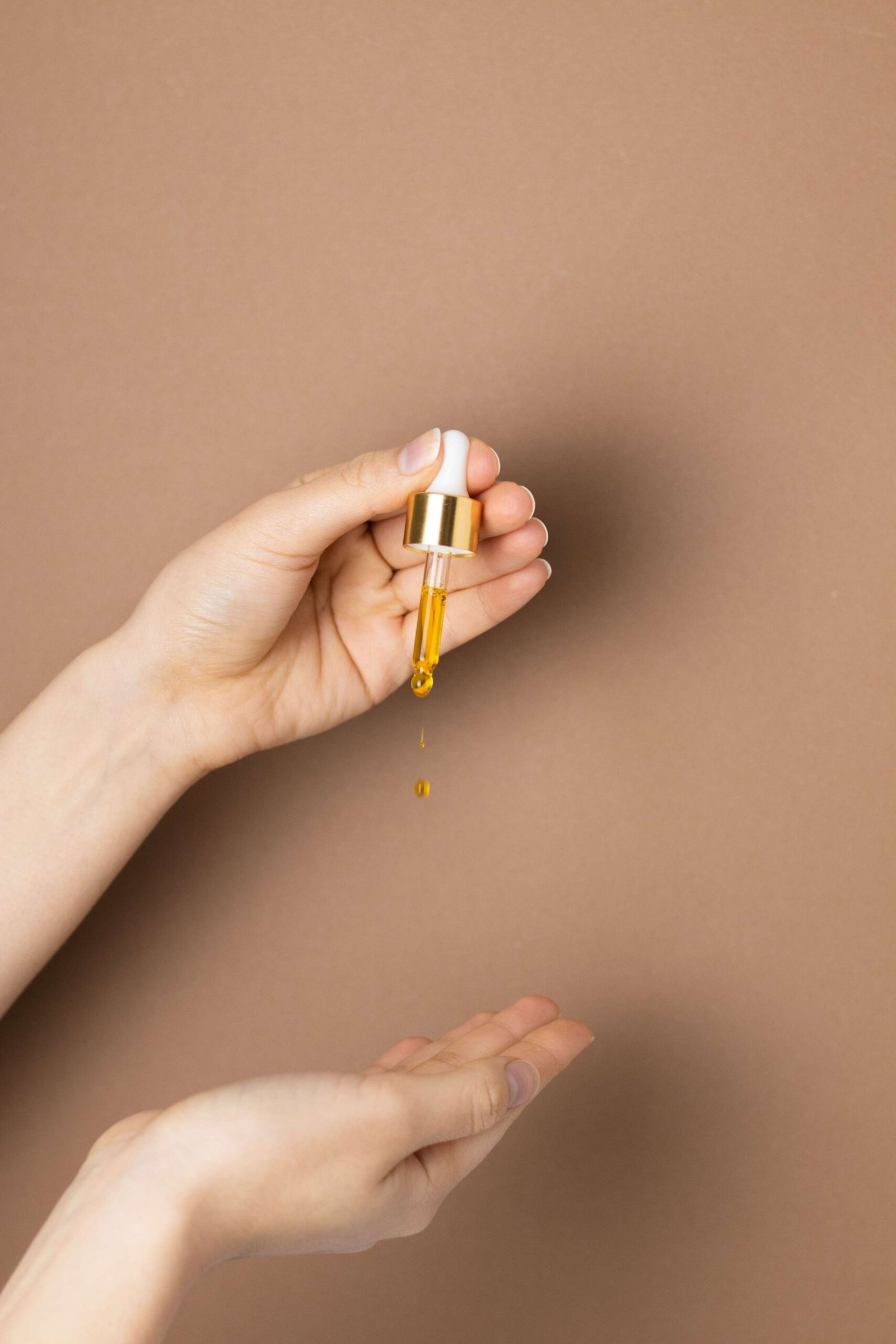
If you’ve ever asked yourself, “Is mustard oil good for skin?”, you’re in good company. People in South Asia have used mustard oil in beauty and wellness routines for centuries. Many say it helps keep skin moisturized, looking healthy, and protected from the environment. But what does research show?
Whether mustard oil is good for your skin depends on how you use it and your skin type. It has vitamin E, healthy fats, and antioxidants that might help your skin. Still, some people can get irritation or allergies, so it’s best to be careful. In this article, we’ll look at what research says, the possible benefits, safe ways to use mustard oil, and any side effects.
What Is Mustard Oil?
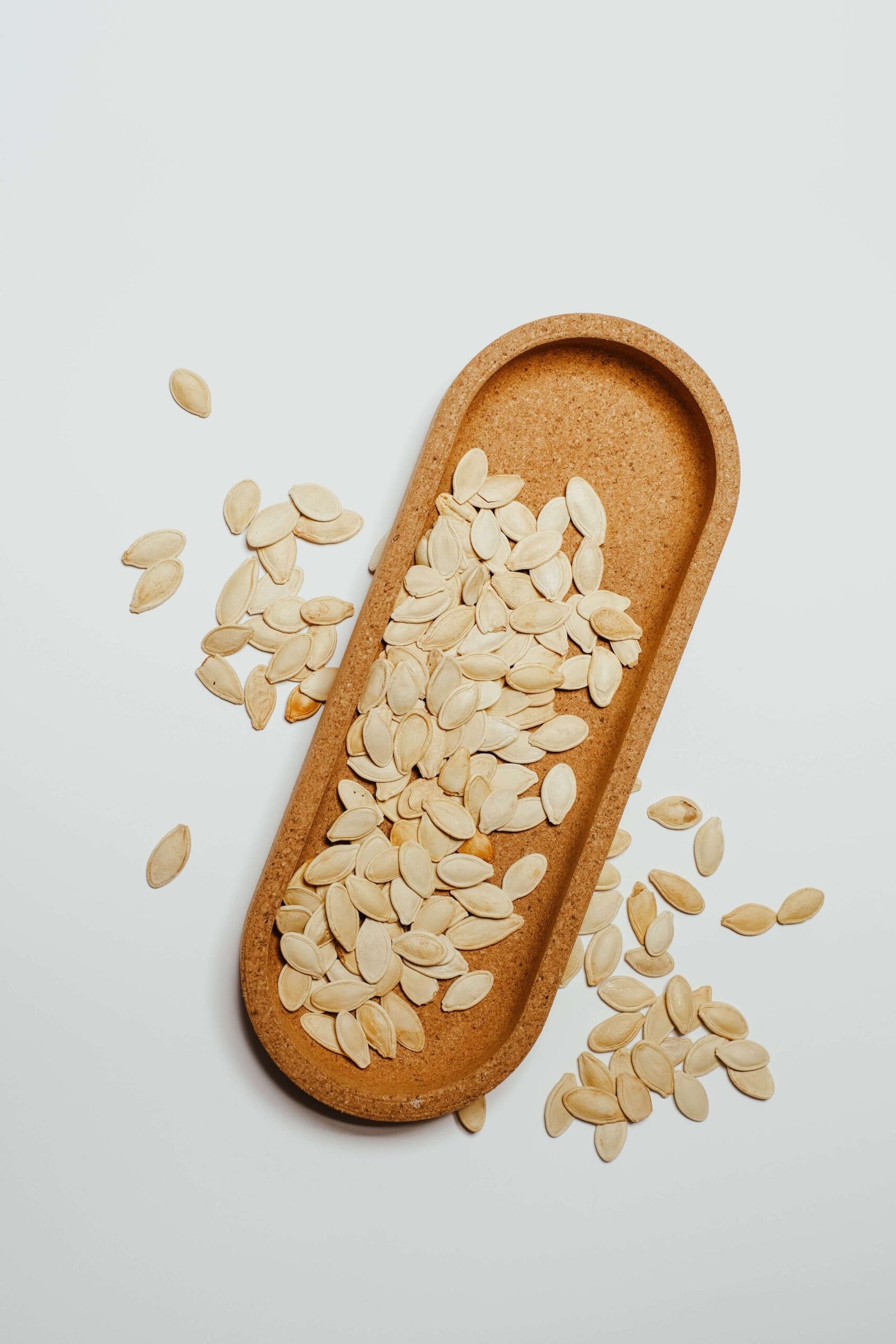
Before we talk about whether mustard oil is good for skin, let’s look at what it is. Mustard oil comes from mustard seeds and has a golden color and a strong, unique smell. People use it in cooking, massage, and traditional skincare.
Mustard oil contains several nutrients that may benefit the skin, including:
- Vitamin E
- Omega-3 fatty acids
- Omega-6 fatty acids
- Monounsaturated fats
- Natural antioxidants
These nutrients can help protect your skin from damage and keep its barrier healthy.
Is Mustard Oil Good for Skin?
So, is mustard oil good for skin? For many people, the answer is yes, if it’s used the right way. The natural fats help your skin hold onto moisture, and vitamin E and antioxidants may protect your skin cells from damage.
However, there isn’t strong scientific proof for all the traditional claims. Most research looks at the separate ingredients in mustard oil, not the oil as a whole. The American Academy of Dermatology (AAD) suggests testing any new skincare product on a small area first, especially if your skin is sensitive (https://www.aad.org).
If you’re wondering if mustard oil is good for skin, see it as a natural moisturizer, not a miracle cure.
8 Potential Benefits of Mustard Oil for Skin
1. Helps Moisturize Dry Skin
One reason people think mustard oil is good for skin is that it works as a good moisturizer. The healthy fats help keep moisture in, so dry skin feels softer and smoother.
It works especially well on rough areas like elbows, knees, and heels. Applying a small amount after bathing helps seal moisture into the skin.
2. Rich in Antioxidants
Another reason people talk about mustard oil being good for skin is its antioxidants. Mustard oil has vitamin E, which helps protect skin cells from damage caused by free radicals.
According to the National Institutes of Health (NIH), vitamin E functions as an antioxidant that protects cells from oxidative stress (https://ods.od.nih.gov/factsheets/VitaminE-Consumer/).
3. May Support the Skin Barrier
A healthy skin barrier keeps moisture in and blocks out irritants. The fatty acids in mustard oil may help make this barrier stronger, which can reduce dryness and improve how your skin feels.
That’s one reason why many cultures still use mustard oil as a home remedy for skin.
4. May Have Antimicrobial Properties
Laboratory studies suggest that mustard oil contains compounds with antimicrobial activity. These properties may help reduce the growth of certain microorganisms on the skin.
However, more human studies are needed, and mustard oil should never replace prescribed treatments for skin infections.
5. May Help Soothe Mild Skin Dryness
People with dry skin in winter often wonder if mustard oil is good for them. Putting a thin layer on dry spots may help ease tightness and flaking.
Avoid using it on broken or irritated skin unless advised by a healthcare professional.
6. May Improve the Appearance of Dull Skin
Massaging the skin with mustard oil may temporarily improve its appearance by adding moisture and creating a healthy-looking glow.
While claims about improving circulation are common, there is limited clinical evidence supporting this effect.
7. Supports Relaxing Skin Massage
Massage itself offers several wellness benefits, including relaxation and stress relief. Mustard oil provides a smooth texture that makes it a popular massage oil.
If you’re curious about mustard oil for skin, regular body massages with it may help your skin feel soft and help you relax.
8. May Help Protect Against Environmental Stress
Every day, pollution and sunlight can stress your skin. The antioxidants in mustard oil may help protect your skin cells from some of this damage.
Sunscreen is still the best way to protect your skin from UV damage, but using products with antioxidants can also help your routine.
How to Use Mustard Oil for Skin Safely
If you want to try mustard oil, use it the right way to lower the chance of irritation.
As a Body Massage Oil
Warm a small amount between your hands and gently massage it into clean skin after bathing.
For Dry Elbows and Knees
Apply a few drops directly to rough areas before bedtime.
Overnight Heel Treatment
Massage mustard oil into cracked heels, wear cotton socks overnight, and wash your feet the next morning.
Mix with Other Carrier Oils
If your skin is sensitive, mix mustard oil with coconut, almond, or jojoba oil before using it.
DIY Face Mask (With Caution)
Some people mix a few drops of mustard oil with yogurt or honey. But since facial skin is more sensitive, always do a patch test first.
Who Should Avoid Using Mustard Oil on Skin?
While mustard oil is good for many people’s skin, it’s not right for everyone.
Avoid using mustard oil if you have:
- A mustard allergy
- Extremely sensitive skin
- Active eczema flare-ups
- Open wounds
- Severe acne or inflamed skin
If you notice irritation, stop using the oil and talk to a dermatologist.
Possible Side Effects of Mustard Oil
Like other natural products, mustard oil can sometimes cause side effects.
Possible reactions include:
- Skin irritation
- Redness
- Burning sensation
- Contact dermatitis
- Allergic reactions
Always do a patch test: put a small amount on your inner forearm and wait 24 hours before using it more widely.
How to Choose the Best Mustard Oil for Skin
Not all mustard oil products are the same quality.
Look for mustard oil that is:
- Cold-pressed
- Pure and unrefined
- Free from artificial fragrance
- Stored in a dark glass bottle
- From a trusted manufacturer
Better quality oils usually keep more of the helpful plant compounds.
Mustard Oil vs Coconut Oil for Skin
| Feature | Mustard Oil | Coconut Oil |
| Texture | Medium | Thick |
| Best For | Massage and dry skin | Very dry skin |
| Vitamin E | Yes | Yes |
| Antioxidants | Yes | Yes |
| Sensitive Skin | May irritate some people | Usually gentler |
Both oils have their benefits, but people with sensitive skin often find coconut oil easier to use.

Frequently Asked Questions
Is mustard oil good for skin every day?
Many people can use it safely a few times a week. Whether you can use it every day depends on your skin type and how your skin reacts.
Can mustard oil brighten the skin?
Mustard oil won’t permanently lighten your skin, but keeping your skin moisturized can help it look healthier and more radiant.
Is mustard oil safe for the face?
Some people use mustard oil on their face, but facial skin is more sensitive. Always do a patch test, and if you have acne-prone skin, be extra careful.
Can mustard oil clog pores?
For some people, especially those with oily or acne-prone skin, mustard oil may clog pores.
Should I wash it off after applying?
For body massage, many people leave mustard oil on for 20 to 30 minutes before showering. If you use a small amount as a moisturizer and your skin is fine with it, you can leave it on.
Final Thoughts
So, is mustard oil good for skin? For many people, yes. Its vitamin E, healthy fats, and antioxidants may help moisturize dry skin, support your skin’s barrier, and make your skin feel softer.
Still, just because mustard oil is good for skin doesn’t mean it’s right for everyone. Always do a patch test, pick a high-quality cold-pressed oil, and don’t use it on irritated skin. If you have ongoing skin problems or allergies, talk to a dermatologist before trying mustard oil.
Recommended YouTube Video
Here’s a helpful video:
References
- American Academy of Dermatology (AAD). Skin Care Tips. https://www.aad.org/
- National Institutes of Health (NIH). Vitamin E Fact Sheet for Consumers. https://ods.od.nih.gov/factsheets/VitaminE-Consumer/
- National Center for Complementary and Integrative Health (NCCIH). Herbs at a Glance. https://www.nccih.nih.gov/
- Harvard T.H. Chan School of Public Health – The Nutrition Source. https://nutritionsource.hsph.harvard.edu/
- World Health Organization (WHO). Healthy Skin and Healthy Living Resources. https://www.who.int/

Jen Sheldon is a seasoned writer with a passion for fitness, health, wellness, and addiction treatment. With years of experience crafting insightful and research-backed content, she helps readers navigate their journey toward better well-being. When she’s not writing, you’ll find her exploring new workout routines or diving into the latest health trends.