Now Reading: Rosehip Tea Pregnancy: Is It Safe? Benefits, Risks, and Expert Advice
-
01
Rosehip Tea Pregnancy: Is It Safe? Benefits, Risks, and Expert Advice

If you’re expecting a baby, you may be wondering whether rosehip tea pregnancy is a safe combination. Rosehip tea is a naturally caffeine-free herbal tea made from the fruit of the rose plant. It’s well known for its high vitamin C content and antioxidant properties, making it a popular wellness drink. However, when it comes to rosehip tea during pregnancy, safety is the top priority.
Although rosehip tea offers nutritional benefits, research on its use during pregnancy remains limited. Most healthcare professionals recommend discussing any herbal tea with your obstetrician or midwife before drinking it regularly. In this guide, you’ll learn about rosehip tea pregnancy, potential benefits, possible risks, and how to enjoy it safely if your healthcare provider approves.

What Is Rosehip Tea?
Before discussing rosehip tea pregnancy, it’s helpful to understand what rosehip tea actually is.
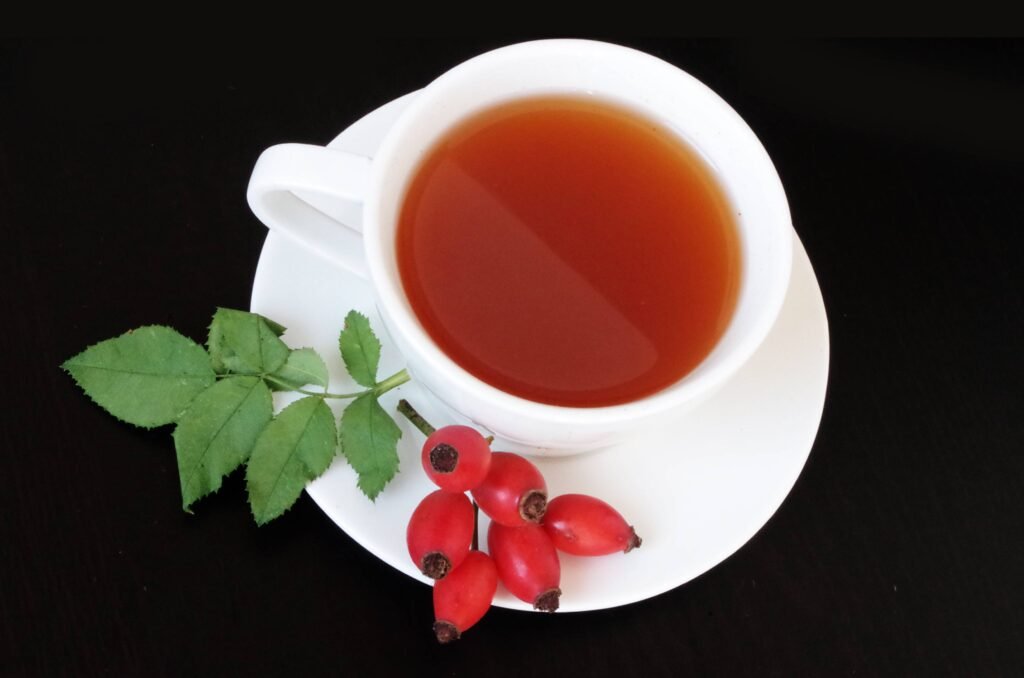
Rosehip tea is made from the bright red or orange fruit, known as rosehips, that develops after a rose flower blooms. Unlike rose petal tea, which is made from flower petals, rosehip tea comes from the fruit and has a naturally tangy, slightly sweet flavor.
Rosehips are rich in several nutrients, including:
- Vitamin C
- Polyphenols
- Flavonoids
- Carotenoids
- Natural antioxidants
These compounds have made rosehip tea a popular herbal beverage for people looking to support their overall wellness. While these nutrients contribute to the interest in rosehip tea during pregnancy, more research is needed to confirm its safety and effectiveness during pregnancy.
Is Rosehip Tea Safe During Pregnancy?
The biggest question surrounding rosehip tea pregnancy is whether it’s safe to drink.
Currently, there is limited scientific research specifically evaluating rosehip tea during pregnancy. Because of this lack of evidence, healthcare organizations generally recommend exercising caution with herbal teas while pregnant.
The American College of Obstetricians and Gynecologists (ACOG) advises pregnant women to discuss herbal supplements and herbal products with their healthcare provider before using them because many have not been thoroughly studied during pregnancy. You can learn more on the ACOG website: https://www.acog.org/.
For many healthy individuals, drinking an occasional cup of pure rosehip tea may be acceptable if approved by a healthcare professional. However, every pregnancy is different. Medical history, medications, pregnancy complications, and allergies should all be considered before adding herbal teas to your routine.
Potential Benefits of Rosehip Tea During Pregnancy
1. Rich Source of Vitamin C
One reason people consider rosehip tea during pregnancy is its naturally high vitamin C content.
Vitamin C supports the immune system and helps the body absorb iron from plant-based foods. Iron is especially important during pregnancy because blood volume increases significantly.
According to the National Institutes of Health Office of Dietary Supplements, pregnant adults need 85 mg of vitamin C per day. Learn more at https://ods.od.nih.gov/.
Rosehip tea should complement—not replace—a balanced diet rich in fruits and vegetables.
2. Provides Antioxidants
Rosehips contain antioxidants such as flavonoids and carotenoids.
These compounds help protect cells from oxidative stress caused by unstable molecules called free radicals. Oxidative stress naturally occurs in the body, and antioxidants help maintain healthy cell function.
Although antioxidants are beneficial, there is currently insufficient evidence to conclude that rosehip tea during pregnancy provides specific pregnancy-related health benefits beyond normal nutrition.
3. Naturally Caffeine-Free
Another advantage of rosehip tea pregnancy is that pure rosehip tea contains no caffeine.
The American College of Obstetricians and Gynecologists recommends limiting caffeine intake during pregnancy to less than 200 mg per day because higher amounts may increase certain pregnancy risks.
Choosing caffeine-free beverages such as rosehip tea—when approved by your healthcare provider—may help reduce overall caffeine intake.
4. May Support Hydration
Proper hydration becomes increasingly important during pregnancy.
Drinking fluids helps regulate body temperature, supports amniotic fluid, and assists with nutrient transport. Herbal teas like rosehip tea contribute to your daily fluid intake alongside water.
If your healthcare provider approves rosehip tea during pregnancy, it can be an enjoyable way to add variety to your hydration routine.
5. May Support General Wellness
Many expectant mothers enjoy warm herbal beverages because they promote relaxation and comfort.
While rosehip tea pregnancy should not be viewed as a treatment for pregnancy symptoms, enjoying an occasional warm cup may become part of a healthy daily routine when consumed responsibly.
Possible Risks and Precautions
Although rosehip tea pregnancy has potential benefits, there are also precautions to consider.
Research on herbal teas during pregnancy remains limited, making moderation important. Some people may experience allergic reactions, particularly if they have allergies to plants in the rose family.
Certain herbal blends labeled as “rosehip tea” may also contain additional herbs that are not recommended during pregnancy. Always read ingredient labels carefully and choose products containing only pure rosehips unless your healthcare provider advises otherwise.
If you experience rash, itching, stomach upset, or any unusual symptoms after drinking rosehip tea, stop using it and seek medical advice promptly.
How to Drink Rosehip Tea Safely During Pregnancy
Choose High-Quality Tea
Select products from reputable companies that clearly list 100% rosehips as the ingredient.
Avoid teas with unknown herbal blends or excessive added ingredients.
Drink in Moderation
If your obstetrician or midwife approves rosehip tea during pregnancy, limit consumption to one or two cups per day unless advised differently.
Moderation is generally the safest approach when consuming herbal products during pregnancy.
Follow Brewing Instructions
Prepare rosehip tea according to the package instructions.
Avoid making overly concentrated tea by using excessive amounts of dried rosehips or steeping for much longer than recommended.
Herbal Teas Commonly Considered During Pregnancy
Different herbal teas have different safety profiles during pregnancy.
| Herbal Tea | Pregnancy Considerations |
| Rosehip Tea | Discuss with your healthcare provider before regular use |
| Ginger Tea | May help with nausea; ask your healthcare provider |
| Peppermint Tea | Often used for digestion but discuss with your provider |
| Red Raspberry Leaf Tea | Typically considered later in pregnancy under professional guidance |
| Green Tea | Contains caffeine and should stay within recommended daily limits |
Herbal Teas to Avoid During Pregnancy
Some herbs have been associated with safety concerns during pregnancy.
Examples include:
- Pennyroyal
- Blue cohosh
- Black cohosh
- Large medicinal amounts of licorice root
- Medicinal amounts of sage
Always consult your healthcare provider before trying herbal products during pregnancy, even if they are marketed as “natural.”
Frequently Asked Questions
Can I drink rosehip tea every day during pregnancy?
Daily use should only occur if your healthcare provider recommends it. Because research is limited, moderation is generally advised.
Does rosehip tea contain caffeine?
No. Pure rosehip tea is naturally caffeine-free.
Can rosehip tea help morning sickness?
There is no strong scientific evidence showing that rosehip tea relieves morning sickness. Ginger tea has been studied more extensively for this purpose.
Is rosehip tea safe during the first trimester?
Because evidence remains limited, discuss rosehip tea during pregnancy with your obstetrician or midwife before drinking it during the first trimester.
Can I drink rosehip tea while breastfeeding?
Many herbal teas require individual consideration during breastfeeding as well. Consult your healthcare provider or a lactation specialist for personalized advice.
Final Thoughts
The topic of rosehip tea pregnancy continues to generate interest because rosehip tea is naturally caffeine-free and contains vitamin C, antioxidants, and other beneficial plant compounds. However, scientific research specifically examining rosehip tea pregnancy remains limited.
If your healthcare provider approves it, enjoying moderate amounts of pure rosehip tea may fit into a healthy pregnancy diet. The safest approach is to choose high-quality products, drink them in moderation, and discuss any herbal tea with your obstetrician or midwife before making it a regular habit.
Recommended YouTube Resource
Here’s a helpful video:
References
- American College of Obstetricians and Gynecologists (ACOG): https://www.acog.org/
- National Health Service (NHS): https://www.nhs.uk/pregnancy/
- National Center for Complementary and Integrative Health (NCCIH): https://www.nccih.nih.gov/
- NIH Office of Dietary Supplements – Vitamin C Fact Sheet: https://ods.od.nih.gov/factsheets/VitaminC-Consumer/
- March of Dimes: https://www.marchofdimes.org/
Statistics Cited
- The NIH Office of Dietary Supplements states that pregnant adults require 85 mg of vitamin C per day: https://ods.od.nih.gov/factsheets/VitaminC-Consumer/
- ACOG recommends limiting caffeine intake during pregnancy to less than 200 mg per day: https://www.acog.org/

Jen Sheldon is a seasoned writer with a passion for fitness, health, wellness, and addiction treatment. With years of experience crafting insightful and research-backed content, she helps readers navigate their journey toward better well-being. When she’s not writing, you’ll find her exploring new workout routines or diving into the latest health trends.