Now Reading: Echinacea Benefits for Skin: 10 Science-Backed Reasons to Add It to Your Skincare Routine
-
01
Echinacea Benefits for Skin: 10 Science-Backed Reasons to Add It to Your Skincare Routine
Echinacea Benefits for Skin: 10 Science-Backed Reasons to Add It to Your Skincare Routine
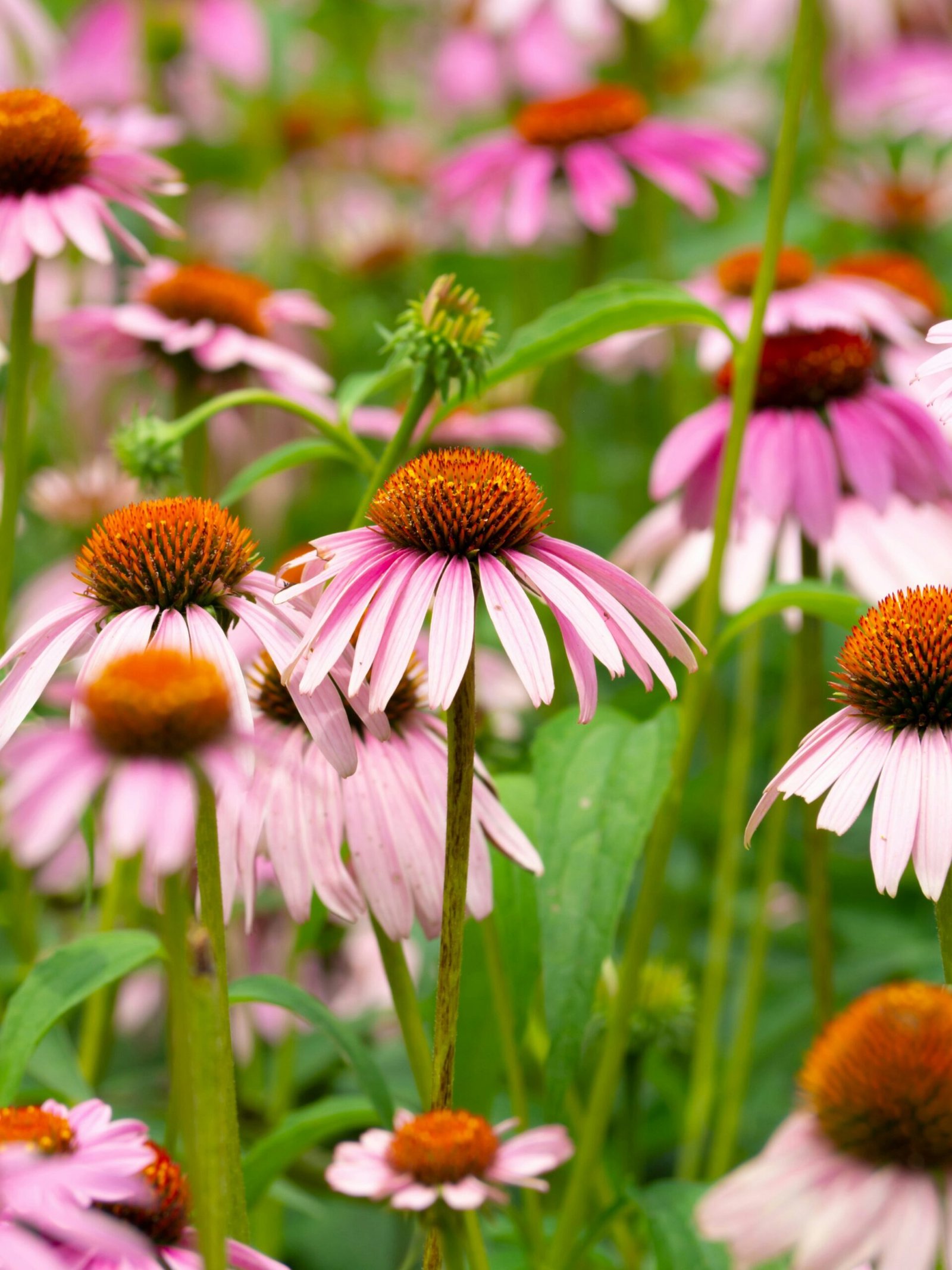
If you know echinacea mainly as a cold remedy, you might be surprised by how much it can do for your skin. Lately, this plant has shown up in more creams, serums, moisturizers, and face masks thanks to its antioxidant and soothing effects. Although research is ongoing, early studies suggest echinacea may help protect your skin from environmental damage, keep it hydrated, and support a healthy skin barrier.
If you have dry skin, occasional redness, or just want to upgrade your skincare routine, learning about echinacea can help you choose what works best for you. This guide covers what echinacea is, the science behind its benefits, how to use it safely, and who it might help most.
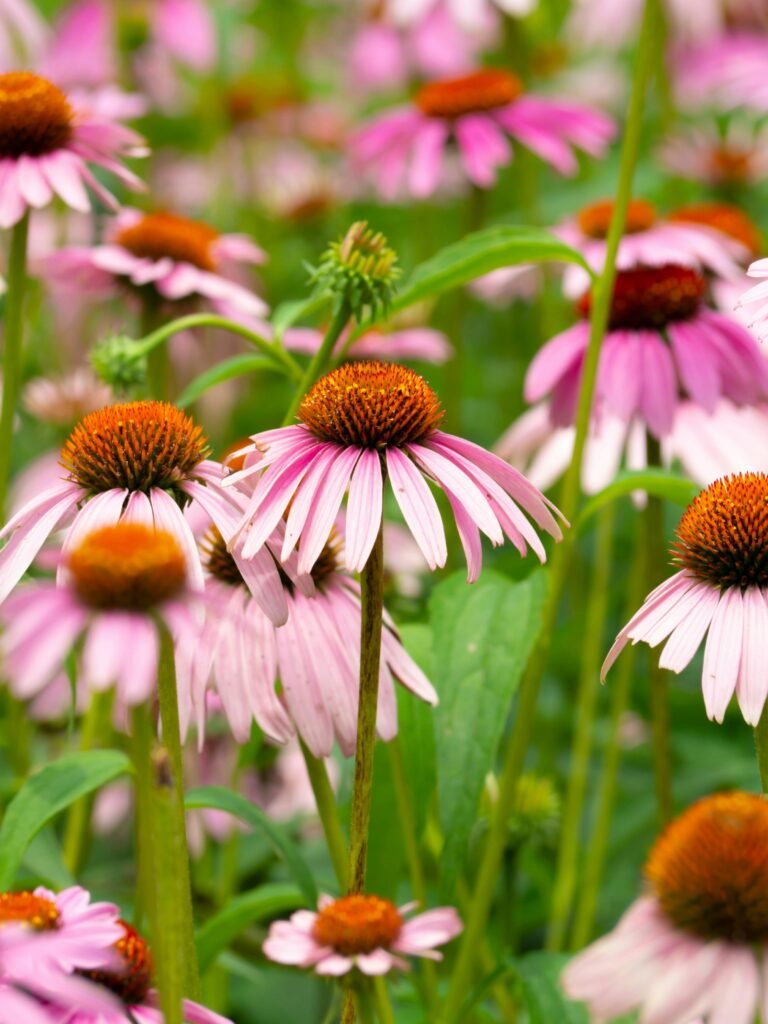
What Is Echinacea?
Before we look at how echinacea can help your skin, it helps to know where this plant comes from.
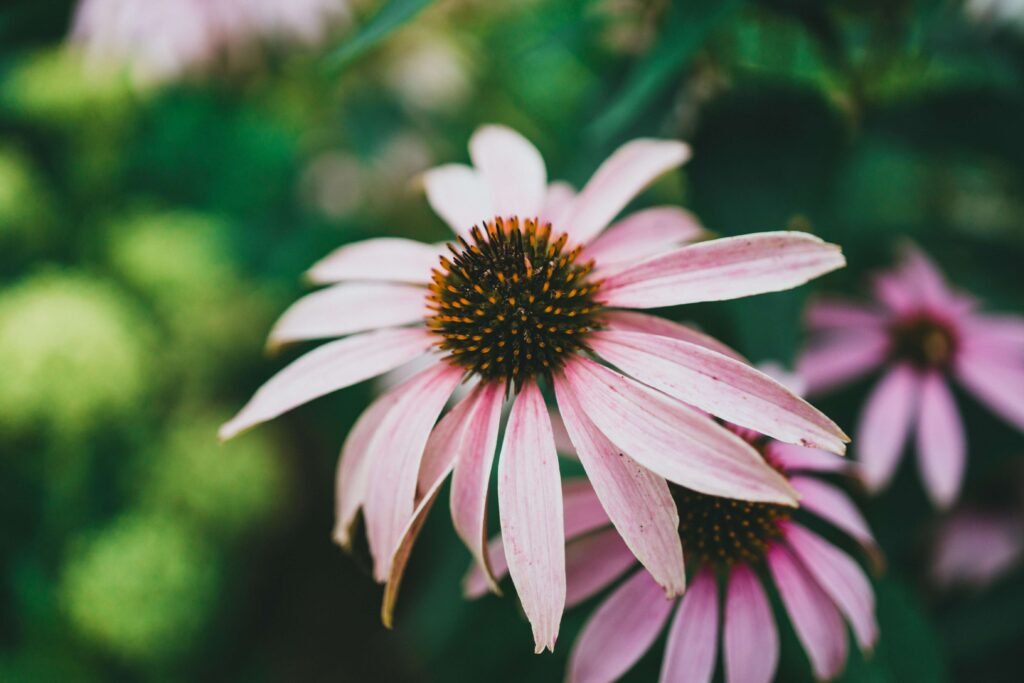
Echinacea is a group of flowering plants that grow in North America. The type most often used in skincare is Echinacea purpurea. People have long used echinacea to support the immune system, but researchers have found it also has compounds that may be good for your skin.
Some of the most important active compounds include:
- Chicoric acid
- Alkamides
- Polysaccharides
- Flavonoids
- Phenolic compounds
These natural compounds have antioxidant and soothing effects, which is why more people are interested in using echinacea for their skin.
It’s important to know the difference between taking echinacea as a supplement and using it in skincare products. Most research on skin benefits looks at echinacea extracts used on the skin, not those taken by mouth.
Top Echinacea Benefits for Skin
1. Rich in Antioxidants That Help Protect Skin
One of the main reasons people use echinacea for skin is because it is rich in antioxidants.
Every day, your skin faces pollution, UV rays, and other things in the environment that create free radicals. These molecules can speed up skin aging.
Research published through PubMed shows that echinacea contains antioxidant compounds that help reduce oxidative stress in laboratory studies. Learn more at https://pubmed.ncbi.nlm.nih.gov/.
Antioxidants can’t stop aging, but they can help your skin look healthier when used as part of your regular skincare routine.
2. May Help Calm Inflammation
Another key benefit of echinacea for skin is that it can help calm temporary irritation.
Lab studies show that echinacea has natural anti-inflammatory compounds, which may help lessen redness and discomfort. This makes it a good choice for people with sensitive or easily irritated skin.
However, echinacea should not be considered a treatment for chronic skin conditions such as eczema, psoriasis, or rosacea without medical guidance.
3. May Help Support Acne-Prone Skin
Echinacea may also be helpful in products made for acne-prone skin.
Some lab studies have found that echinacea extracts can fight certain bacteria. Since acne is caused by several things, like bacteria, extra oil, hormones, and inflammation, echinacea may be a useful extra ingredient.
It should not replace dermatologist-recommended acne treatments.
4. Helps Support Skin Hydration
To stay soft and comfortable, your skin needs a strong moisture barrier.
Polysaccharides in echinacea may help your skin hold onto moisture. Many moisturizers mix echinacea with ingredients like hyaluronic acid and ceramides to make the skin barrier stronger.
That’s one reason people with dry or dehydrated skin are interested in echinacea.
5. May Support Healthy Collagen
Collagen is a protein that keeps your skin firm and elastic.
Echinacea doesn’t directly boost collagen production, but its antioxidants may help protect the collagen you already have from damage. This can help your skin look firmer and healthier over time.
According to the American Academy of Dermatology (AAD), protecting collagen with sun protection and proper skincare is essential for healthy aging. Learn more at https://www.aad.org/.
6. Helps Reduce the Appearance of Fine Lines
Another popular reason people use echinacea for skin is its possible anti-aging effects.
By reducing oxidative stress and helping your skin stay hydrated, echinacea may make fine lines look less noticeable over time. For the best results, use echinacea products along with sunscreen and moisturizer.
7. May Promote a More Even Skin Tone
Being out in the sun and around pollution every day can make your skin look uneven or dull.
Echinacea’s antioxidants may help your skin handle stress from the environment. While it won’t lighten your skin, using it regularly could help your complexion look brighter and healthier.
8. Helps Defend Against Environmental Stressors
Today, our skin faces pollution, smoke, and stress from UV rays.
The antioxidants in echinacea may give your skin extra help against these challenges. Still, nothing can take the place of a good broad-spectrum sunscreen.
The American Academy of Dermatology recommends using a sunscreen with SPF 30 or higher every day to reduce UV damage.
9. Works Well in Multi-Ingredient Skincare
One great thing about echinacea is that it fits easily into most skincare routines.
It works well alongside ingredients such as:
- Hyaluronic acid
- Niacinamide
- Ceramides
- Vitamin C
- Glycerin
These combinations help hydrate, soothe, and strengthen your skin without making your routine too complicated.
10. Suitable for Most Skin Types
Most people can use echinacea for their skin, no matter what skin type they have.
Whether your skin is oily, dry, combination, mature, or sensitive, echinacea products usually work well for most people. If your skin reacts easily, pick fragrance-free options and do a patch test first.
How to Add Echinacea to Your Skincare Routine
Use an Echinacea Serum
Put on echinacea serum after you wash your face and before you use moisturizer. These light serums soak in fast and work well in both morning and night routines.
Choose Moisturizers or Creams
If your skin is dry, pick a moisturizer with echinacea plus ceramides or hyaluronic acid for extra moisture.
Try an Echinacea Face Mask
Using a face mask with echinacea once a week can give your skin more hydration and antioxidants. Always follow the instructions on the product for best results.
Combine With Sunscreen
To get the most out of echinacea, use it with daily sun protection. Put on a broad-spectrum sunscreen with SPF 30 or higher every morning.
How to Choose High-Quality Echinacea Skincare Products
For the best results, choose products with Echinacea purpurea extract listed near the top of the ingredients.
Pick dermatologist-tested products when you can, especially if your skin is sensitive. Packaging that keeps out light and air helps protect the antioxidants and keeps them working longer.
If your skin gets irritated easily, avoid products with extra fragrance.
Possible Side Effects and Precautions
Even though echinacea has many benefits for skin, some people might have allergic reactions.
Individuals who are allergic to plants in the Asteraceae (daisy) family—including ragweed, daisies, marigolds, or chrysanthemums—may also react to echinacea.
Always do a patch test before trying a new skincare product. If you notice irritation, swelling, or itching, stop using it and talk to a healthcare professional.
If you have a long-term skin condition or use prescription skincare, check with your dermatologist before adding echinacea products.
Frequently Asked Questions
What are the biggest echinacea benefits for skin?
The main benefits of echinacea for skin are antioxidant protection, better hydration, soothing irritation, supporting the skin barrier, and helping reduce fine lines.
Can echinacea help acne-prone skin?
Echinacea has antibacterial and anti-inflammatory compounds that can help with acne care, but it shouldn’t replace prescription treatments.
Is echinacea good for sensitive skin?
Many people with sensitive skin do well with echinacea, especially if the product is fragrance-free. Still, it’s best to do a patch test first.
Can echinacea reduce wrinkles?
Echinacea may help make fine lines less noticeable by protecting your skin from stress and keeping it hydrated, but it won’t get rid of wrinkles.
Can I use echinacea skincare every day?
Yes, most echinacea products for skin are made for daily use, as long as your skin handles them well.
Final Thoughts
Echinacea is becoming more popular in skincare as people look for plant-based options backed by science. With its antioxidants, soothing compounds, and hydrating polysaccharides, echinacea can help your skin look healthier and fits easily into most routines.
While more studies are needed, current research shows echinacea may help protect your skin from stress, keep it hydrated, calm irritation, and support healthy aging. For best results, use echinacea along with gentle cleansing, moisturizing, and daily sunscreen.
Recommended YouTube Resource
Here’s a helpful of Dr. Joe:
References
- American Academy of Dermatology (AAD): https://www.aad.org/
- National Center for Complementary and Integrative Health (NCCIH): https://www.nccih.nih.gov/
- PubMed – Echinacea Research: https://pubmed.ncbi.nlm.nih.gov/?term=Echinacea+purpurea
- National Institutes of Health (NIH): https://www.nih.gov/
- Cleveland Clinic – Skincare and Healthy Skin: https://health.clevelandclinic.org/

Jen Sheldon is a seasoned writer with a passion for fitness, health, wellness, and addiction treatment. With years of experience crafting insightful and research-backed content, she helps readers navigate their journey toward better well-being. When she’s not writing, you’ll find her exploring new workout routines or diving into the latest health trends.