Now Reading: Aloe Vera for Acne: Benefits, Uses & Safety Tips
-
01
Aloe Vera for Acne: Benefits, Uses & Safety Tips
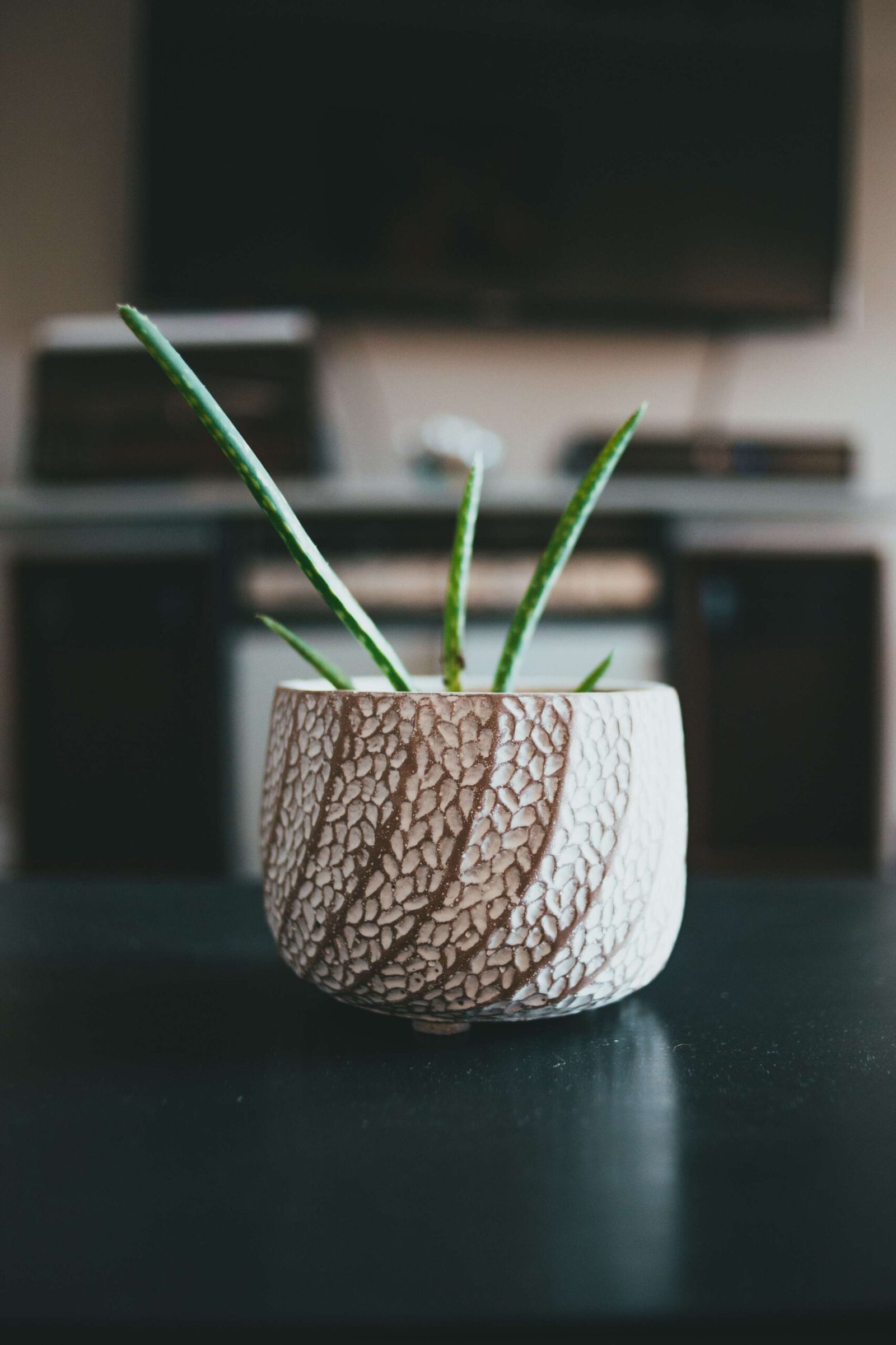
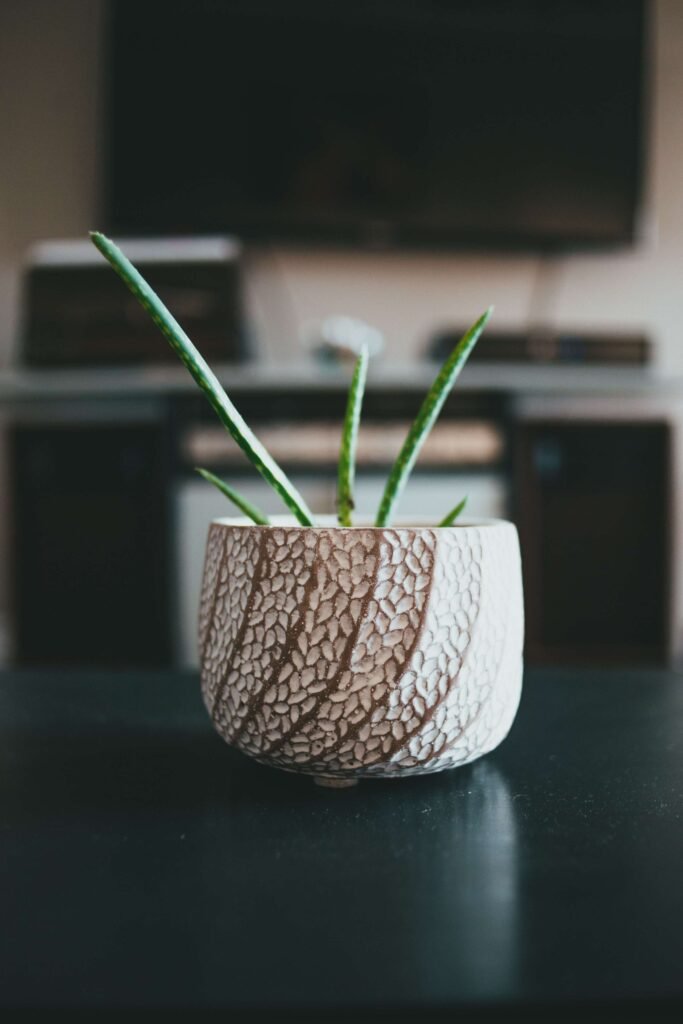
If you’re looking for a natural way to care for acne-prone skin, you’ve likely heard about using aloe vera. This soothing plant has been part of skincare routines for centuries thanks to its cooling, moisturizing, and anti-inflammatory qualities. While aloe vera isn’t a miracle cure for acne, research shows it can help calm irritated skin and support your skin’s natural healing.
Aloe vera is popular for acne because it’s lightweight, gentle, and works for many skin types. It can also be used with dermatologist-recommended treatments to help reduce dryness and irritation. In this article, you’ll learn about the science behind aloe vera, its benefits, safe ways to use it, and when to see a professional.
What Is Aloe Vera?
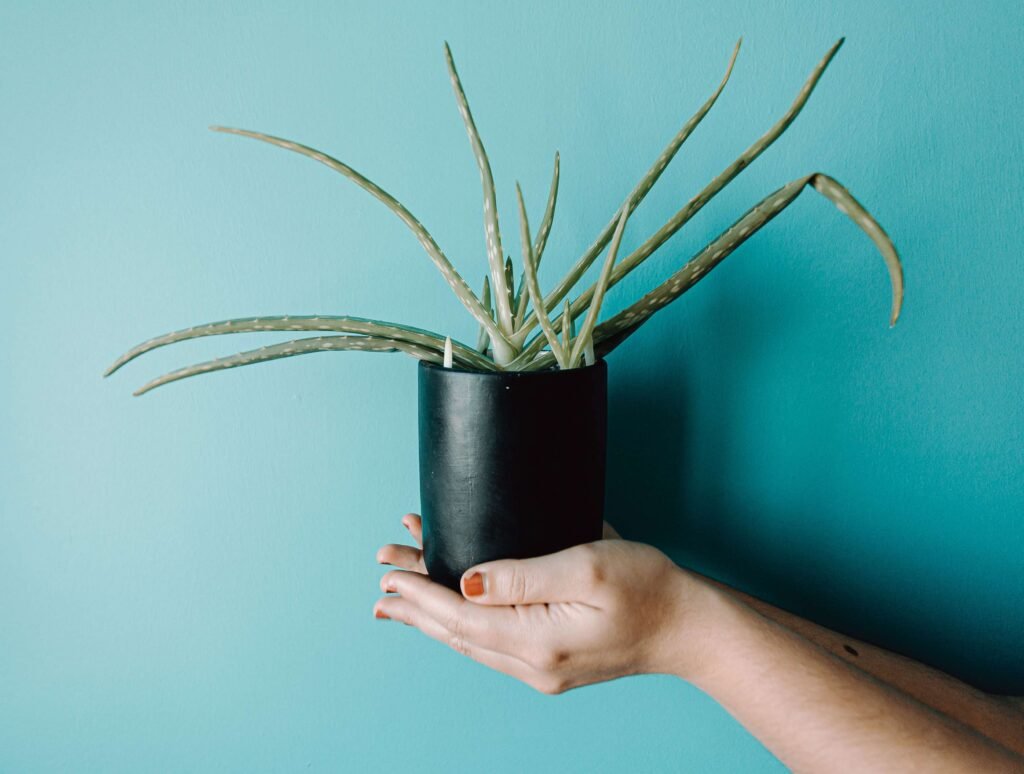
To see why people use aloe vera for acne, it helps to know what it is. Aloe vera (Aloe barbadensis Miller) is a succulent plant with thick leaves that hold a clear gel. This gel is made up of water, vitamins, minerals, amino acids, enzymes, and plant compounds called polysaccharides.
These natural compounds are part of why aloe vera is so popular in skincare. The gel gives light hydration and helps support the skin barrier, which is great for people with oily or combination skin.
It’s also good to know the difference between fresh aloe vera gel and store-bought products. Pure aloe vera gel has fewer added ingredients, while some commercial products have fragrances, alcohol, or preservatives that might irritate sensitive skin.
Is Aloe Vera Good for Acne?
So, does aloe vera really help with acne? It might, especially for mild acne or irritated skin. Aloe vera has anti-inflammatory, antioxidant, and moisturizing properties that can soothe inflamed skin and help it heal.
According to the American Academy of Dermatology (AAD), acne affects up to 50 million Americans each year, making it one of the most common skin conditions. Proper skincare, gentle cleansing, and evidence-based treatments remain the foundation of acne management (https://www.aad.org).
Aloe vera may help reduce redness and dryness, but it shouldn’t replace proven medical treatments for moderate or severe acne. It’s best to use it as a helpful addition to your regular skincare routine.
7 Potential Benefits of Aloe Vera for Acne
1. May Help Calm Skin Inflammation
Many people use aloe vera for acne because it soothes the skin. Acne can cause redness, swelling, and irritation, and aloe vera gel may help calm these symptoms.
The cooling feeling of aloe vera can make inflamed skin feel better after washing your face or using acne treatments.
2. Helps Keep Skin Hydrated
A lot of acne treatments dry out the skin. Aloe vera is helpful because it gives light moisture without feeling heavy or greasy.
When your skin is well-hydrated, it usually handles acne treatments better and feels more comfortable.
3. May Support Skin Healing
Once a pimple heals, your skin starts to repair itself. Aloe vera may help support this process because it has compounds that promote healthy skin.
Aloe vera may help with healing, but there isn’t enough proof that it can fully get rid of acne scars.
4. May Help Reduce Excess Oil
People with oily skin sometimes skip moisturizers, but not using them can make your skin produce more oil. Aloe vera gives moisture without feeling heavy.
Everyone’s skin is different, so your results may not be the same as someone else’s.
5. Contains Antioxidants
Aloe vera also has antioxidants, like vitamins C and E, which help protect your skin from damage caused by things in the environment.
According to the National Institutes of Health (NIH), antioxidants help protect cells from damage caused by free radicals (https://www.nih.gov).
6. May Complement Acne Treatments
Dermatologists often recommend treatments such as benzoyl peroxide or adapalene for acne. These products work well but can sometimes cause dryness or irritation.
Adding aloe vera to the skin after these treatments may help soothe the skin. However, introduce new products gradually and follow your dermatologist’s advice.
7. Gentle Enough for Many Skin Types
Aloe vera is also popular because it feels gentle on the skin. Many people with sensitive, combination, or oily skin can use pure aloe vera gel without problems.
However, patch testing is still important because even natural ingredients can cause allergic reactions.
How to Use Aloe Vera for Acne
Using aloe vera correctly for acne helps reduce the risk of irritation.
1. Apply Pure Aloe Vera Gel
Wash your face with a gentle cleanser and pat it dry. Apply a thin layer of pure aloe vera gel to acne-prone areas and allow it to absorb naturally.
2. Aloe Vera and Honey Face Mask
Mix one tablespoon of pure aloe vera gel with one teaspoon of raw honey. Apply the mixture for about 10–15 minutes before rinsing with lukewarm water.
Use this mask once or twice a week.
3. Aloe Vera and Tea Tree Oil
Tea tree oil should always be diluted before use. Mix a small amount with aloe vera gel, then apply it only to individual pimples, not the entire face.
Avoid the eye area.
4. Aloe Vera Facial Mist
Combine aloe vera gel with distilled water in a clean spray bottle. Refrigerate the mixture and use it as a refreshing facial mist throughout the day.
5. Aloe Vera Moisturizer
Choose a fragrance-free moisturizer that contains a high percentage of aloe vera if you prefer a ready-made skincare product.
Ingredients to Avoid Mixing with Aloe Vera
Although aloe vera for acne works well with many skincare routines, some ingredient combinations may irritate the skin.
Avoid mixing aloe vera with:
- Undiluted lemon juice
- Baking soda
- Harsh physical scrubs
- Undiluted essential oils
- Strong apple cider vinegar solutions
These ingredients may damage the skin barrier or increase irritation, especially on acne-prone skin.
Risks and Possible Side Effects
Most people tolerate aloe vera for acne well, but side effects are still possible.
Potential reactions include:
- Redness
- Itching
- Burning sensation
- Contact dermatitis
- Allergic reactions
Before applying aloe vera to your face, test a small amount on the inside of your forearm and wait 24 hours to check for a reaction.
Who Should See a Dermatologist?
While aloe vera for acne may help with mild breakouts, professional treatment is often needed for more severe cases.
Schedule an appointment with a dermatologist if you have:
- Painful cystic acne
- Frequent breakouts
- Acne scars
- Acne affecting your confidence or mental well-being
- Acne that doesn’t improve after several weeks of proper skincare
Early treatment can reduce the risk of permanent scarring.
Tips for Choosing the Best Aloe Vera Gel
Not every product labeled “aloe vera” contains a meaningful amount of aloe.
Look for products that are:
- 95–100% aloe vera
- Fragrance-free
- Alcohol-free
- Free from unnecessary dyes
- Dermatologist-tested when possible
Reading ingredient labels helps you avoid products that may irritate sensitive skin.
Frequently Asked Questions
Can aloe vera remove acne permanently?
No. Aloe vera for acne may help soothe the skin and support healing, but it does not permanently cure acne.
How often should I apply aloe vera for acne?
Most people can safely apply pure aloe vera gel once or twice daily if their skin tolerates it well.
Is fresh aloe vera better than store-bought gel?
Fresh gel contains fewer additives, but commercial gels are often more convenient and have a longer shelf life. Choose products with minimal ingredients.
Can aloe vera help acne scars?
Aloe vera may support healthy skin healing, but there is limited evidence that it can significantly reduce established acne scars.
Can I leave aloe vera on overnight?
Yes. Many people leave pure aloe vera gel on overnight if it doesn’t cause irritation.
Final Thoughts
Using aloe vera for acne can be a simple way to soothe irritated skin, maintain hydration, and complement an evidence-based skincare routine. Its lightweight texture and antioxidant-rich profile make it a popular choice for people with oily or acne-prone skin.
Aloe vera works best when you use it along with gentle cleansing, sun protection, and dermatologist-approved acne treatments if needed. If your acne is severe, painful, or leaving scars, don’t just use home remedies. A healthcare professional can help you find the best treatment for your skin.
Recommended YouTube Video
Health benefits of aloe vera by Dr. Eric:
References
- American Academy of Dermatology (AAD). Acne: Diagnosis and Treatment. https://www.aad.org/public/diseases/acne
- National Center for Complementary and Integrative Health (NCCIH). Aloe Vera. https://www.nccih.nih.gov/
- National Institutes of Health (NIH). https://www.nih.gov/
- Mayo Clinic. Acne: Symptoms and Causes. https://www.mayoclinic.org/diseases-conditions/acne
- Surjushe A, Vasani R, Saple DG. Aloe Vera: A Short Review. Indian Journal of Dermatology. https://www.ncbi.nlm.nih.gov/pmc/articles/PMC2763764/

Jen Sheldon is a seasoned writer with a passion for fitness, health, wellness, and addiction treatment. With years of experience crafting insightful and research-backed content, she helps readers navigate their journey toward better well-being. When she’s not writing, you’ll find her exploring new workout routines or diving into the latest health trends.