Now Reading: Nettle Tea and Iron: Can It Help Increase Iron Levels?
-
01
Nettle Tea and Iron: Can It Help Increase Iron Levels?
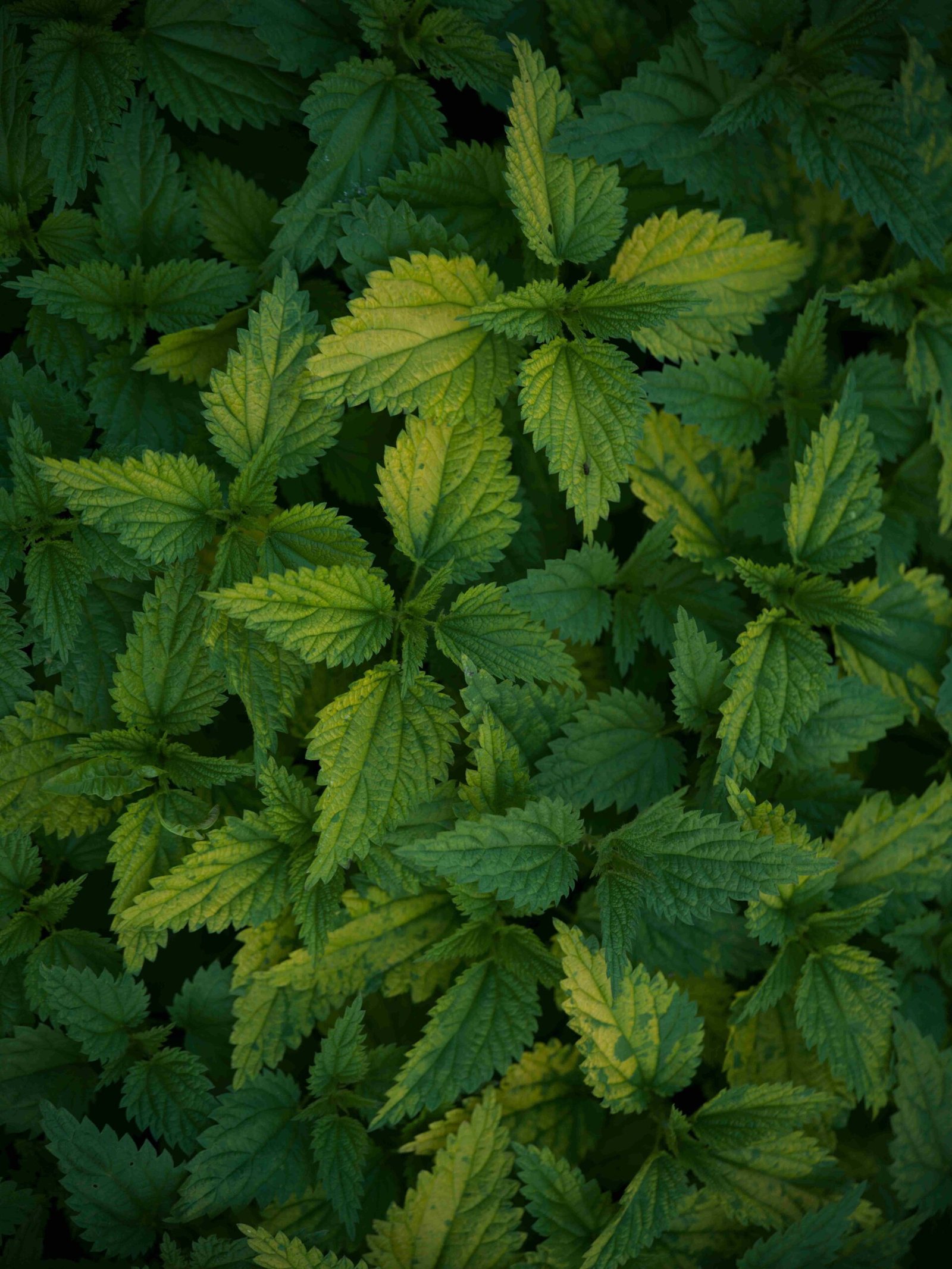
Stinging nettle has been used for centuries as both food and herbal medicine. Its rich mineral content, including iron, calcium, magnesium, potassium, vitamins, and antioxidants, has sparked interest in nettle tea. Some people now recommend nettle tea as a natural way to boost iron or reduce fatigue.
But the link between nettle tea and iron is not as simple as it seems. While dried nettle leaves have useful minerals, only some of these end up in your cup when you brew tea. Nettle tea can be part of a healthy diet, but it should not take the place of medical tests or prescribed iron treatments if you have iron deficiency.
What Is Nettle Tea?
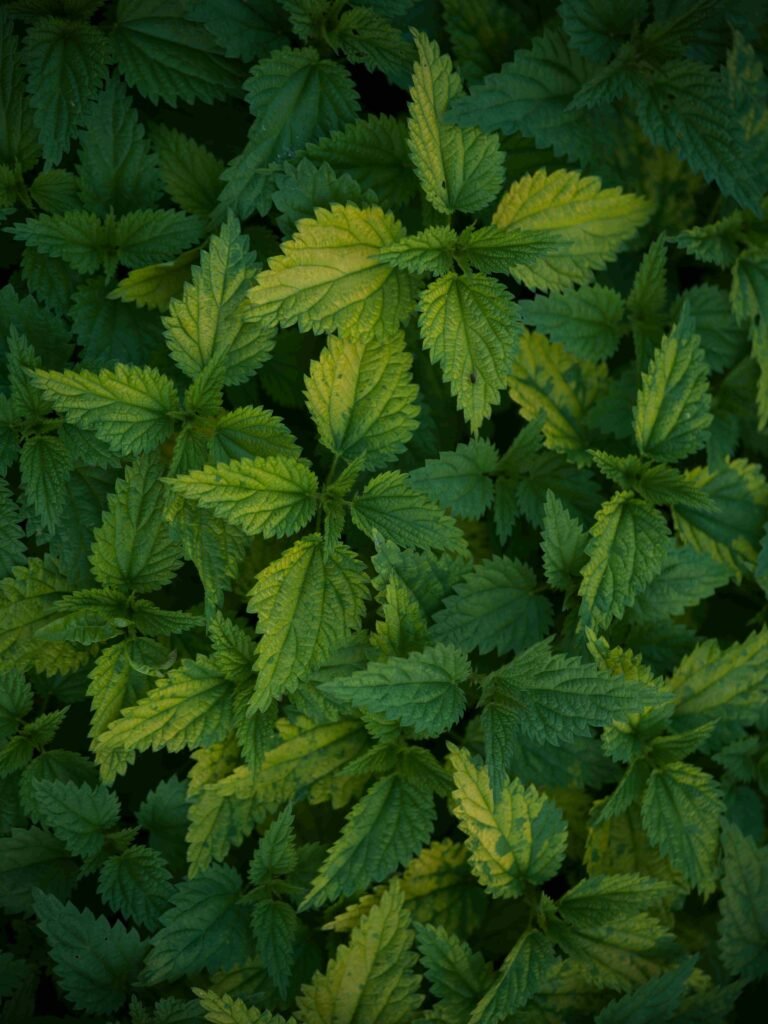
Nettle tea is an herbal infusion made from the leaves of stinging nettle, scientifically known as Urtica dioica. Pure nettle tea contains no caffeine because it does not come from the traditional Camellia sinensis tea plant.
Nettle leaves contain an impressive range of nutrients and bioactive compounds. A scientific review published through the National Library of Medicine describes nettle leaves as sources of minerals, vitamins, carotenoids, polyphenols, and amino acids.
Many studies on nettle tea and iron focus on dried nettle leaves or powder. However, you should not expect the same amount of nutrients in a cup of brewed tea.
Does Nettle Tea Contain Iron?
Yes, nettle leaves do have iron. Still, it is hard to say exactly how much iron ends up in nettle tea.
Published nutrient values often measure dried nettle leaves or powdered nettle rather than brewed tea. When you steep nettle leaves in water, some minerals move into the liquid while others remain in the leaves.
The final nettle tea and iron content can depend on several factors, including:
- Amount of nettle used
- Growing conditions
- Fresh versus dried leaves
- Water volume
- Steeping time
- Processing and storage
So, it is not accurate to use the iron content for 100 grams of dried nettle and think your cup of tea has the same amount.
Nettle tea can add a little iron to your diet, but it does not give you the reliable amount you get from an iron supplement.
How Much Iron Do You Need?
Knowing how much iron you need each day helps you see nettle tea and iron claims more clearly.
According to the NIH Office of Dietary Supplements, adult men ages 19–50 generally need 8 mg of iron per day, while women in the same age group need 18 mg per day. During pregnancy, that requirement increases to 27 mg per day.
Iron plays an essential role in making hemoglobin, the protein in red blood cells that transports oxygen throughout the body.
Needs can vary depending on age, menstruation, pregnancy, diet, blood loss, and medical conditions. Vegetarians may also need to pay closer attention to iron because plant foods provide non-heme iron, which the body absorbs less efficiently than heme iron from animal foods.
Can Nettle Tea Increase Iron Levels?
This is the key question about nettle tea and iron. Even though nettle has iron, there is not enough clinical proof that drinking nettle tea can reliably raise low iron levels or fix iron deficiency.
Iron from plants is primarily non-heme iron. The body generally absorbs non-heme iron less efficiently than the heme iron found in meat, poultry, and seafood.
Nettle Tea and Iron Absorption
Several factors influence the absorption of non-heme iron.
Vitamin C can significantly improve absorption by helping convert iron into a form that the intestine can absorb more readily. This is why pairing plant-based iron foods with oranges, kiwi, strawberries, tomatoes, or bell peppers can be useful.
Some plant compounds, including phytates and certain polyphenols, can reduce iron absorption. Individual iron status matters as well—the body tends to increase absorption when iron stores are low.
Because of all these factors, you cannot sum up nettle tea and iron absorption with a single number.
Should You Add Lemon?
Adding fresh lemon to nettle tea provides vitamin C, which supports non-heme iron absorption.
Adding lemon can be a good habit, but it does not turn nettle tea into a treatment for anemia. People with iron deficiency usually need much more iron, in amounts that tea cannot provide.
Nettle Tea and Iron Deficiency Anemia
Iron-deficiency anemia develops when the body does not have enough iron to produce sufficient healthy hemoglobin.
According to the National Heart, Lung, and Blood Institute, possible symptoms include fatigue, weakness, shortness of breath, dizziness, and pale skin.
If you are looking into nettle tea and iron because you often feel tired, it is better to get tested than to guess if you need more iron.
Healthcare professionals may check measurements including hemoglobin and ferritin to evaluate iron status. Low iron can result from heavy menstrual bleeding, pregnancy, digestive disorders, internal bleeding, poor absorption, or inadequate dietary intake.
Nettle tea cannot find or fix these underlying problems.
Can Nettle Tea Treat Anemia?
Nettle tea should not replace prescribed iron supplements or professional treatment for iron-deficiency anemia.
Commercial iron supplements provide a clearly measured amount of elemental iron. A brewed herbal tea does not.
If you are diagnosed with iron deficiency, your healthcare provider may suggest iron pills and look for the reason your levels are low. Medical treatment is much more reliable than using nettle tea as a remedy.
Taking iron when you do not need it can be harmful, so do not start high-dose supplements just because you feel tired.
Other Potential Benefits of Nettle Tea
Iron is only one reason people drink nettle tea.
Provides Antioxidant Plant Compounds
Nettle contains phenolic acids, flavonoids, and other polyphenols. Researchers have investigated these compounds for antioxidant activity. A 2024 review available through PubMed describes numerous phenolic compounds found in stinging nettle.
These results are interesting, but studies on extracts or in labs do not always show what a cup of tea will do in your body.
May Have Anti-Inflammatory Activity
Experimental research has also identified compounds in nettle with potential anti-inflammatory effects.
But homemade nettle tea has not been proven to treat arthritis or long-term inflammatory diseases.
Traditional Urinary Uses
Nettle has historically been used in herbal medicine for urinary concerns. Some research has investigated nettle preparations for symptoms associated with benign prostatic hyperplasia.
Again, these studies do not prove that regular nettle tea can treat urinary problems.
How to Make Nettle Tea
Making nettle tea is easy.
Place one to two teaspoons of commercially prepared dried nettle leaves into a cup or tea infuser. Pour approximately eight ounces of freshly boiled water over the leaves and cover the cup.
Let the tea steep for about 5–10 minutes or according to the product instructions. Strain the leaves before drinking.
If you want to help your body absorb iron from nettle tea, you can add fresh lemon for vitamin C. Do not assume that using more leaves or steeping the tea much longer will give you a safe or reliable amount of iron.
Nettle Tea vs. Iron-Rich Foods
If you want to get more iron from your diet, there are foods that are more reliable sources than nettle tea.
Iron-rich foods include lentils, beans, tofu, fortified breakfast cereals, pumpkin seeds, meat, seafood, and some leafy green vegetables.
For example, the NIH Office of Dietary Supplements lists fortified cereals, oysters, white beans, lentils, spinach, beef, and other foods as useful dietary iron sources.
Pairing plant foods with vitamin C can improve non-heme iron absorption.
This does not mean you should avoid nettle tea and iron in your diet. It just means that a cup of tea should add to, not replace, other good sources of iron.
Can You Drink Nettle Tea With Iron Supplements?
If your healthcare professional has prescribed an iron supplement, take it according to their instructions.
Do not swap your supplement for nettle tea. You also do not need to drink very strong nettle tea just to try to boost your iron.
Iron absorption can be affected by foods, beverages, medications, and supplements. If you regularly drink herbal products while taking prescription iron, ask your pharmacist or clinician whether you should separate their timing.
Side Effects and Precautions
Even though nettle tea and iron are often promoted together as natural, nettle is still an active plant that can affect your body.
Some people might get stomach upset or have allergic reactions to nettle. Nettle has also been used as a diuretic, so it may matter if you take medicines that affect your body’s fluid levels.
Talk to your doctor before using nettle regularly if you take medicine for blood pressure or diabetes, use diuretics, have kidney disease, or have another long-term health problem.
If you are pregnant or breastfeeding, ask a healthcare professional before using strong herbal products, since there is not much safety information available.
Frequently Asked Questions
Is nettle tea high in iron?
Nettle leaves have iron, but the amount in brewed tea can vary a lot. You should not use the nutrient values for dried leaves to judge what is in your cup.
Does nettle tea help iron deficiency?
There is not enough proof to suggest nettle tea and iron as a treatment if you have been diagnosed with iron deficiency.
Can nettle tea cure anemia?
No. Iron-deficiency anemia requires proper evaluation because blood loss, pregnancy, diet, and medical conditions can all cause it.
Is nettle tea better than an iron supplement?
No, not if a healthcare professional has found you have iron deficiency. Supplements give you a set amount of iron, but nettle tea does not.
Can I add lemon to nettle tea?
Yes. Lemon provides vitamin C, which can support the absorption of non-heme iron.
Can I drink nettle tea every day?
Some healthy adults can drink nettle tea, but it is not right for everyone to have it every day. Medicines and health conditions can change how safe it is.
Final Thoughts
There is a real link between nettle tea and iron, but it is often overstated. Stinging nettle leaves have iron and other nutrients, but how much ends up in your cup depends on the plant, how it is prepared, and how you brew it.
You can enjoy nettle tea as part of a balanced diet, especially if you pair it with foods high in vitamin C. Still, it is not a dependable replacement for iron-rich foods, medical tests, or prescribed supplements. If you keep feeling tired, dizzy, short of breath, or have other signs of deficiency, talk to a healthcare professional about getting your blood tested instead of just relying on nettle tea.
Recommended YouTube Resource
Here’s a helpful video:
References
- NIH Office of Dietary Supplements — Iron Consumer Fact Sheet:
https://ods.od.nih.gov/factsheets/Iron-Consumer/ - NIH Office of Dietary Supplements — Iron Health Professional Fact Sheet:
https://ods.od.nih.gov/factsheets/Iron-HealthProfessional/ - National Heart, Lung, and Blood Institute — Iron-Deficiency Anemia:
https://www.nhlbi.nih.gov/health/anemia/iron-deficiency-anemia - PubMed — Chemical Constituents of Stinging Nettle:
https://pubmed.ncbi.nlm.nih.gov/38542403/ - PubMed Central — Stinging Nettle Nutritional Composition and Bioactive Compounds:
https://pmc.ncbi.nlm.nih.gov/articles/PMC9413031/ - MedlinePlus — Iron in Diet:
https://medlineplus.gov/ency/article/002422.htm

Jen Sheldon is a seasoned writer with a passion for fitness, health, wellness, and addiction treatment. With years of experience crafting insightful and research-backed content, she helps readers navigate their journey toward better well-being. When she’s not writing, you’ll find her exploring new workout routines or diving into the latest health trends.