Now Reading: Yoga for Stress Management: A Simple, Natural Way to Find Calm
-
01
Yoga for Stress Management: A Simple, Natural Way to Find Calm
Stress has become part of modern life. Work pressure, financial worries, family responsibilities, and constant screen time all add up. Over time, unmanaged stress can harm both mental and physical health. Yoga for stress management offers a natural, proven way to calm the mind and relax the body without medication.
Yoga combines movement, breathing, and mindfulness. It helps you slow down, release tension, and reconnect with yourself. In this article, you’ll learn how yoga for stress management works, what science says about it, and how to start a simple routine you can follow daily.
Understanding Stress and Its Impact on Mental Health
Stress is the body’s natural response to challenges. Short-term stress can be helpful, but chronic stress damages health.
According to the American Psychological Association (APA), over 75% of adults report experiencing moderate to high stress levels regularly (APA, Stress in America Report). Long-term stress increases the risk of:
- Anxiety disorders
- Depression
- Heart disease
- High blood pressure
- Sleep problems
This is where yoga for stress management becomes especially valuable. It addresses both the mental and physical effects of stress at the same time.
What Is Yoga and Why Does It Reduce Stress?
Yoga is an ancient practice that began in India over 5,000 years ago. It focuses on three core elements:
- Physical postures (asanas)
- Breathing techniques (pranayama)
- Mindfulness or meditation
Unlike intense workouts, yoga works gently. It tells your nervous system that you are safe. This makes yoga for stress management effective even for beginners or people with limited mobility.
The Science Behind Yoga for Stress Management
Modern research strongly supports yoga for stress management.
A study published in the Journal of Clinical Psychiatry found that yoga reduces cortisol, the body’s main stress hormone (Streeter et al., 2012). Lower cortisol levels mean reduced anxiety and better emotional control.
Another study from Harvard Medical School showed that regular yoga practice activates the parasympathetic nervous system, also known as the “rest and digest” system. This helps slow the heart rate, lower blood pressure, and calm the mind (Harvard Health Publishing, 2020).
These findings explain why yoga for stress management works on both a biological and psychological level.
Key Benefits of Yoga for Stress Management
1. Reduces Anxiety Naturally
Yoga slows breathing and relaxes muscles. This reduces anxiety symptoms without medication. People who practice yoga for stress management often report feeling calmer and more emotionally balanced.
2. Improves Sleep Quality
Stress often causes insomnia. Yoga prepares the body for rest by reducing physical tension. A National Institutes of Health (NIH) review found that yoga improves sleep quality in adults with stress-related sleep issues.
3. Enhances Emotional Regulation
Yoga improves awareness of thoughts and emotions. This helps you respond calmly instead of reacting impulsively during stressful moments.
4. Boosts Overall Mental Well-Being
Regular yoga for stress management supports long-term mental health. It increases feelings of control, positivity, and self-compassion.
Best Yoga Styles for Stress Management
Not all yoga styles focus on relaxation. If your goal is yoga for stress management, start with these gentle options.
Hatha Yoga
Hatha yoga uses slow movements and basic poses. It is perfect for beginners and stress relief.
Yin Yoga
Yin yoga focuses on long-held poses and deep stretching. It releases stored tension and calms the nervous system.
Restorative Yoga
Restorative yoga uses props like pillows and blankets. It allows the body to fully relax, making it ideal for chronic stress.
Yoga Nidra
Yoga Nidra is guided meditation done while lying down. Studies show it significantly reduces anxiety and improves emotional resilience.
Each of these styles supports yoga for stress management without pushing the body too hard.
Simple Yoga Poses for Stress Relief
You don’t need a full class to benefit from yoga for stress management. These poses are simple and effective.
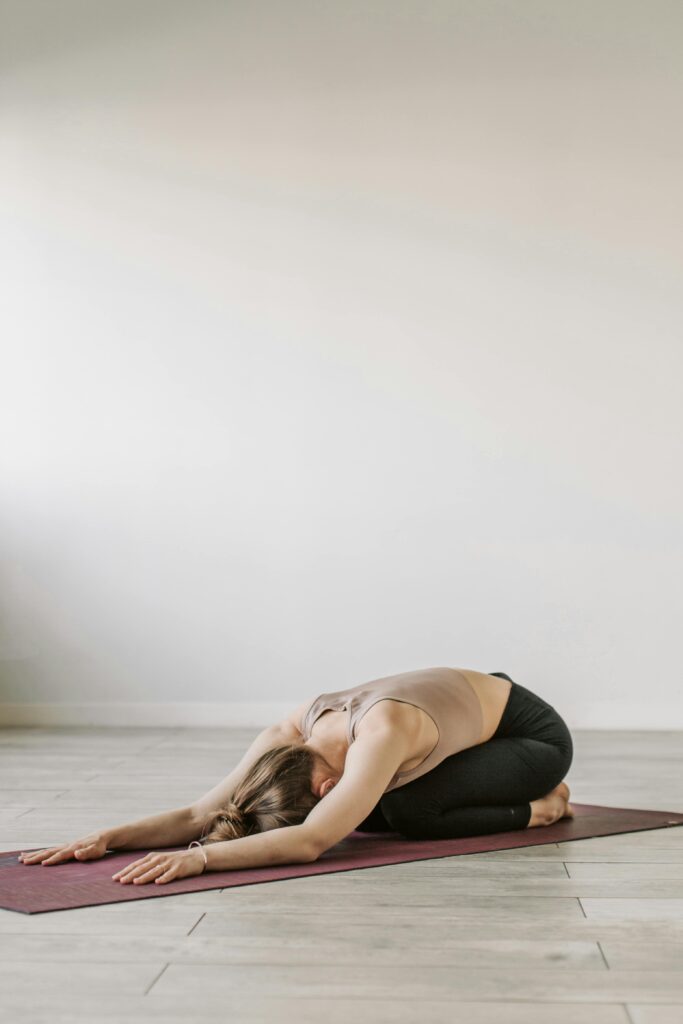
Child’s Pose (Balasana)
This pose gently stretches the back and hips. It signals safety and relaxation to the brain.
Cat-Cow Pose
This flowing movement releases tension in the spine and improves breathing.
Legs Up the Wall (Viparita Karani)
This pose reduces fatigue and calms the nervous system. It works well before bedtime.
Seated Forward Fold
This pose promotes introspection and mental calm.
Practice these poses slowly and mindfully to get the most from yoga for stress management.
The Role of Breathing in Yoga for Stress Management
Breathing is a powerful tool in yoga. Controlled breathing directly affects stress levels.
Deep Belly Breathing
This technique activates the vagus nerve, which reduces anxiety and heart rate.
Alternate Nostril Breathing
Research shows this breathing method balances the nervous system and improves emotional stability.
Even five minutes of conscious breathing supports yoga for stress management during busy days.
How Often Should You Practice Yoga for Stress Management?
Consistency matters more than intensity. You don’t need long sessions.
Experts recommend:
- 10–20 minutes daily, or
- 30–45 minutes, 3–4 times per week
Regular practice leads to lasting benefits. Over time, yoga for stress management becomes a healthy coping habit rather than a quick fix.
Creating a Stress-Relief Yoga Routine at Home
Starting at home makes yoga accessible and affordable.
Follow these simple steps:
- Choose a quiet space
- Wear comfortable clothing
- Turn off notifications
- Focus on slow movement and breath
You can use guided videos or apps, but even self-led sessions work well for yoga for stress management.
Who Can Benefit from Yoga for Stress Management?
Almost anyone can practice yoga safely. It is helpful for:
- Working professionals
- Parents and caregivers
- Students
- People with anxiety or burnout
Always consult a healthcare provider if you have medical conditions, but in general, yoga for stress management is low-risk and highly adaptable.
Final Thoughts: Making Yoga a Stress-Free Habit
Stress may be unavoidable, but how you manage it matters. Yoga for stress management offers a gentle, proven way to restore balance and protect mental health. It doesn’t require special equipment, expensive memberships, or perfect flexibility.
With regular practice, yoga helps you feel calmer, sleep better, and handle daily challenges with ease. Start small, stay consistent, and let yoga for stress management become part of your self-care routine.

Jen Sheldon is a seasoned writer with a passion for fitness, health, wellness, and addiction treatment. With years of experience crafting insightful and research-backed content, she helps readers navigate their journey toward better well-being. When she’s not writing, you’ll find her exploring new workout routines or diving into the latest health trends.