Now Reading: Outdoor Exercise for Anxiety Relief: A Natural Way to Calm Your Mind
-
01
Outdoor Exercise for Anxiety Relief: A Natural Way to Calm Your Mind
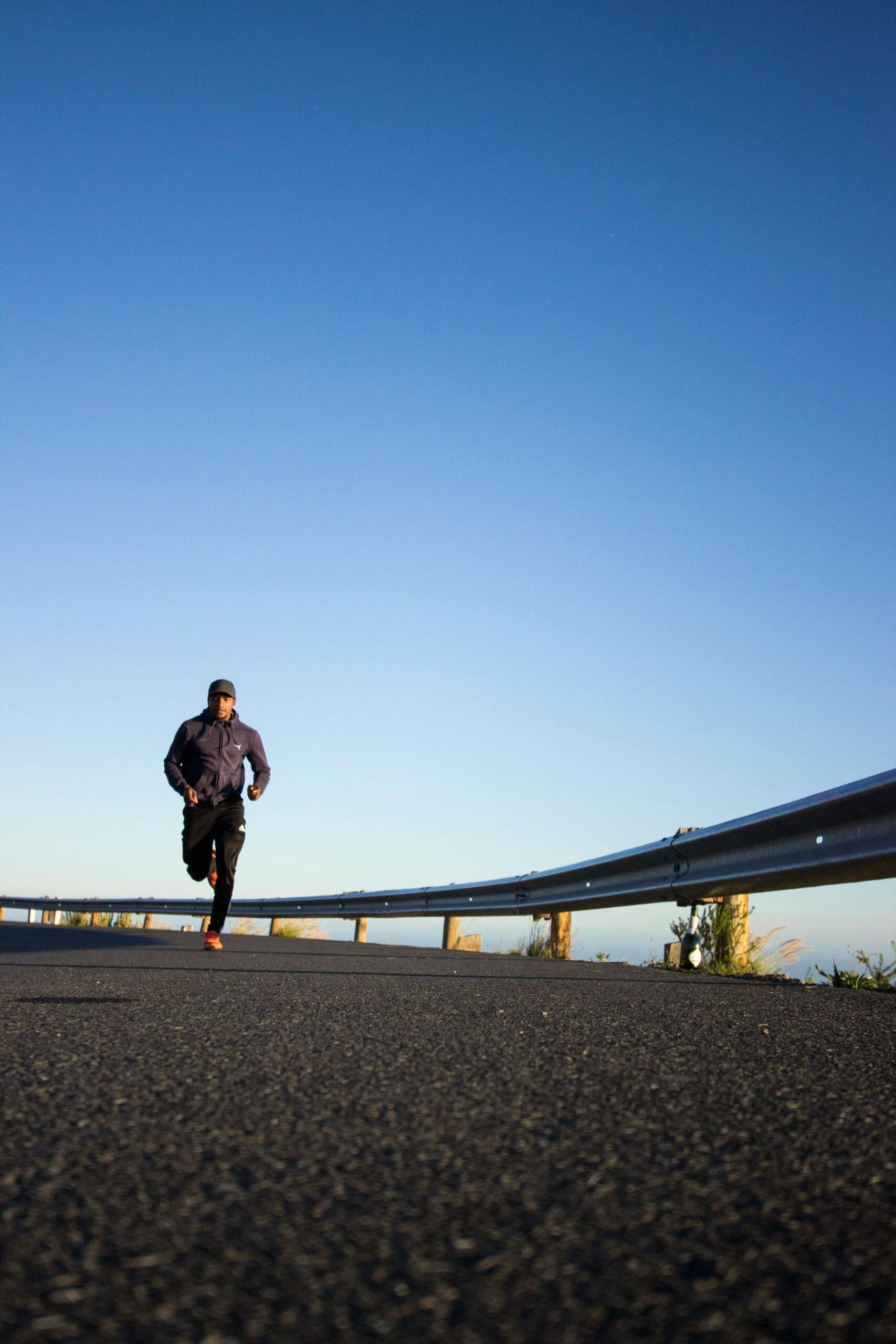
Anxiety affects millions of people worldwide. Racing thoughts, tight muscles, and constant worry can make everyday life feel overwhelming. While therapy and medication are effective options, many people look for natural ways to manage anxiety. One powerful and often overlooked solution is outdoor exercise for anxiety relief.
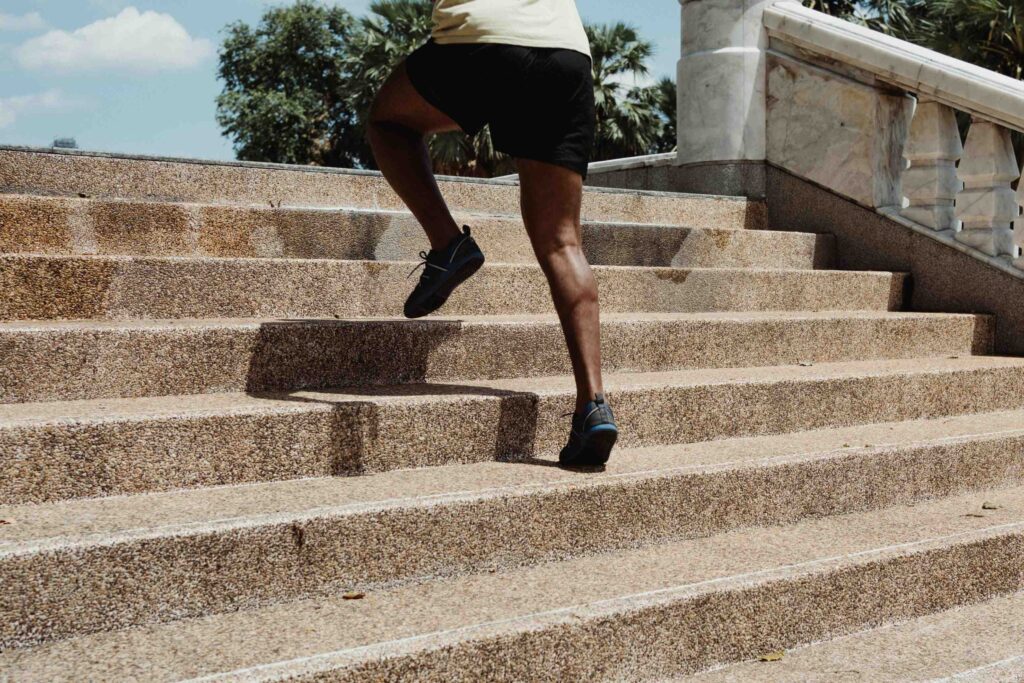
Spending time moving your body outdoors does more than improve physical health. It helps calm the mind, reduce stress hormones, and create a sense of balance. In this article, we will explore how outdoor exercise for anxiety relief works, what science says, and how you can easily include it in your daily routine.
What Is Anxiety and Why Does It Feel So Overwhelming?
Anxiety is your body’s natural response to stress. It prepares you to face danger by activating the “fight or flight” response. However, when anxiety becomes constant, it can affect your mental and physical health.
According to the World Health Organization (WHO), over 301 million people worldwide live with anxiety disorders (WHO, 2023). Chronic anxiety can lead to fatigue, sleep problems, digestive issues, and difficulty concentrating.
This is where outdoor exercise for anxiety relief can play a powerful role.
How Outdoor Exercise for Anxiety Relief Works
1. Reduces Stress Hormones
Outdoor exercise for anxiety relief helps lower cortisol, the body’s main stress hormone. Physical activity signals your brain that you are safe, which helps the nervous system relax.
A study published in Frontiers in Psychology found that even 20 minutes of outdoor activity significantly reduced cortisol levels (Hunter et al., 2019).
2. Boosts Mood-Enhancing Chemicals
When you move your body, your brain releases endorphins, dopamine, and serotonin. These chemicals improve mood and create a natural calming effect. Outdoor exercise for anxiety relief enhances this effect by adding fresh air and natural surroundings.
3. Grounds You in the Present Moment
Anxiety often pulls your mind into the future. Outdoor exercise for anxiety relief helps you focus on what is happening right now—your breath, your steps, and the environment around you. This grounding effect reduces anxious thoughts.
Why Being Outdoors Matters for Anxiety Relief
Nature Has a Calming Effect on the Brain
Spending time in nature has a unique impact on mental health. Research from Nature Scientific Reports shows that people who spend at least 120 minutes per week in nature report better mental health and lower anxiety levels (White et al., 2019).
Outdoor exercise for anxiety relief combines movement with nature exposure, making it more effective than indoor workouts alone.
Sunlight Supports Mental Health
Sunlight helps regulate serotonin and vitamin D levels. Low vitamin D levels are linked to increased anxiety and depression. Outdoor exercise for anxiety relief ensures regular exposure to natural light, which supports emotional balance.
Best Types of Outdoor Exercise for Anxiety Relief
Not all exercises feel calming. The key is choosing activities that feel supportive, not stressful.
Walking in Nature
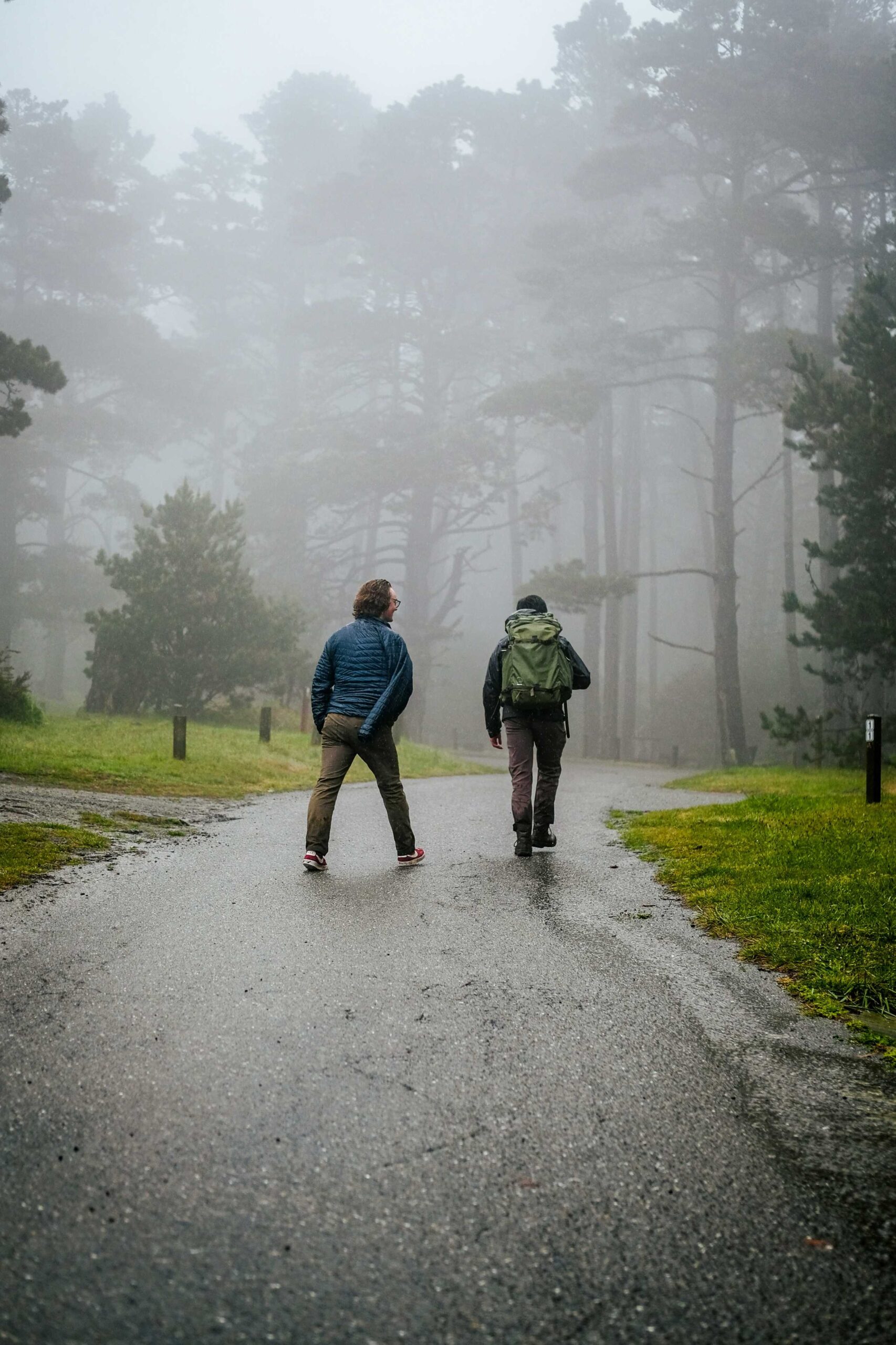
Walking is one of the easiest forms of outdoor exercise for anxiety relief. It is gentle, accessible, and effective.
Benefits of walking outdoors:
- Lowers heart rate and blood pressure
- Improves mood within minutes
- Encourages mindful breathing
A 2022 study in JAMA Network Open found that regular walking reduced anxiety symptoms by up to 30%.
Jogging or Running Outdoors
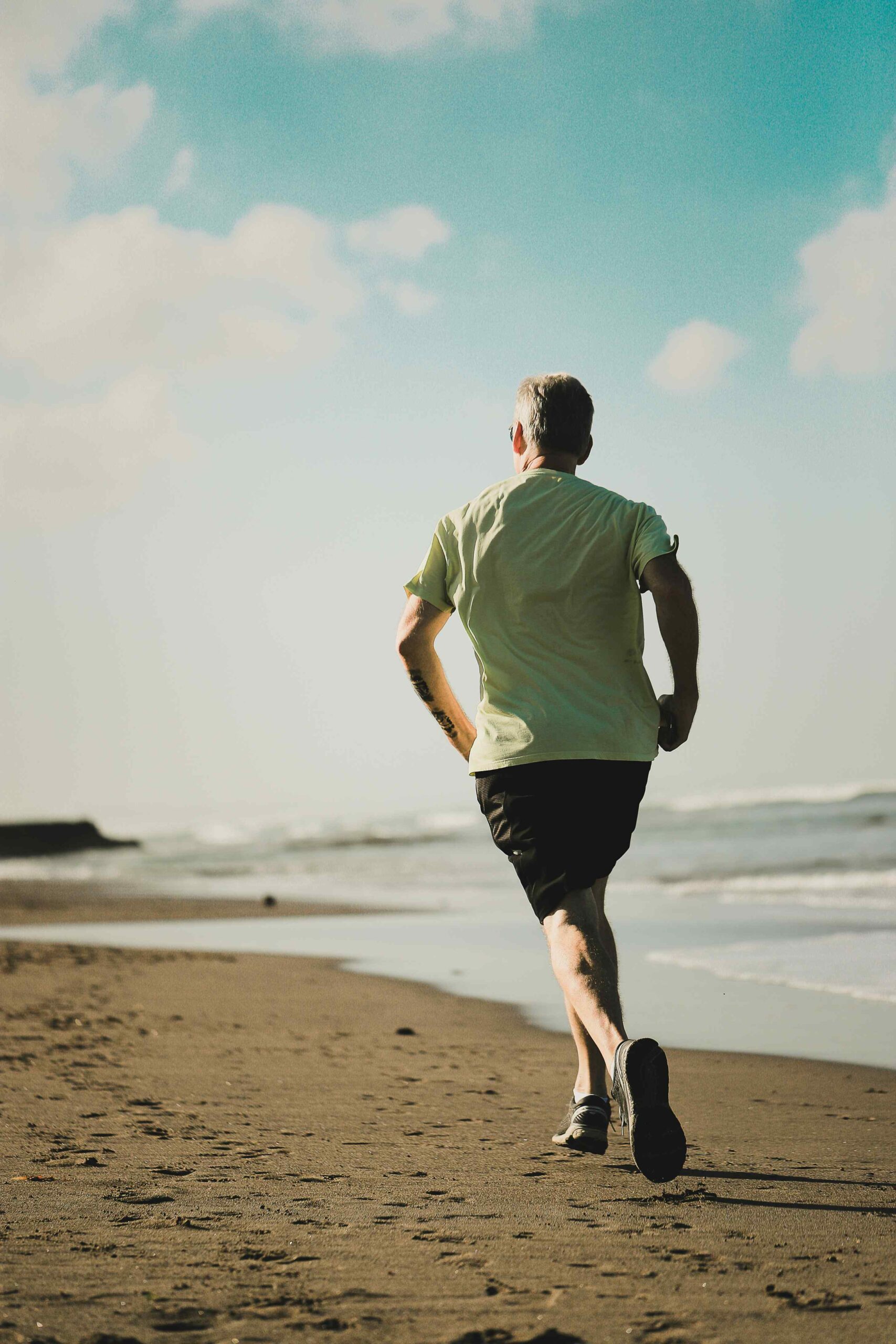
For people with higher energy anxiety, jogging can help release built-up tension. Outdoor exercise for anxiety relief through running helps clear mental clutter and improves sleep quality.
Tip: Keep a relaxed pace. Focus on steady breathing rather than speed.
Yoga or Stretching in Open Spaces
Practicing yoga outdoors deepens the calming effect. Outdoor exercise for anxiety relief through yoga helps regulate the nervous system and improve body awareness.
Slow movements combined with deep breathing signal safety to the brain.
Cycling in Calm Environments
Cycling allows rhythmic movement, which is soothing for the brain. Outdoor exercise for anxiety relief through cycling works best on quiet paths or in parks where there is minimal traffic.
How Often Should You Do Outdoor Exercise for Anxiety Relief?
Consistency matters more than intensity. You do not need long or exhausting workouts.
Recommended guidelines:
- 20–30 minutes per session
- 3–5 times per week
- Moderate intensity
According to the Anxiety and Depression Association of America (ADAA), regular physical activity can reduce anxiety symptoms by 40–60% over time.
Outdoor exercise for anxiety relief becomes more effective when it turns into a habit.
How to Start Outdoor Exercise for Anxiety Relief (Even If You Feel Unmotivated)
Anxiety often drains motivation. Start small and keep it simple.
Start With Short Sessions
Begin with 5–10 minutes of outdoor exercise for anxiety relief. Even short walks can calm your nervous system.
Choose Comfort Over Performance
Do not focus on calories or speed. Focus on how your body feels. Outdoor exercise for anxiety relief is about mental balance, not achievement.
Create a Routine
Go outside at the same time each day. Morning sunlight combined with outdoor exercise for anxiety relief can reduce anxiety throughout the day.
Combining Outdoor Exercise for Anxiety Relief With Mindfulness
Mindfulness enhances the benefits of movement.
Try this simple practice:
- Walk slowly outdoors
- Breathe deeply through your nose
- Notice sounds, smells, and colors
- Bring your attention back when your mind wanders
This mindful approach turns outdoor exercise for anxiety relief into a powerful mental reset.
Common Barriers and How to Overcome Them
“I Don’t Have Time”
Even short sessions matter. Ten minutes of outdoor exercise for anxiety relief is better than none.
“I Feel Too Anxious to Go Outside”
Start close to home. Sit on your balcony or walk around the block. Gradually increase exposure.
“I Don’t Enjoy Exercise”
Choose activities you enjoy. Outdoor exercise for anxiety relief should feel supportive, not forced.
The Long-Term Benefits of Outdoor Exercise for Anxiety Relief
Over time, regular outdoor movement leads to:
- Better sleep quality
- Improved focus and clarity
- Reduced muscle tension
- Greater emotional resilience
A long-term study published in The Lancet Psychiatry found that people who exercised regularly experienced 43% fewer days of poor mental health compared to those who did not (Chekroud et al., 2018).
Final Thoughts
Outdoor exercise for anxiety relief is simple, natural, and accessible. It does not require expensive equipment or memberships. By combining movement, nature, and mindfulness, you support both your body and mind.
If anxiety feels overwhelming, start with one small step outside today. Over time, outdoor exercise for anxiety relief can become a powerful tool for emotional balance and long-term mental well-being.

Jen Sheldon is a seasoned writer with a passion for fitness, health, wellness, and addiction treatment. With years of experience crafting insightful and research-backed content, she helps readers navigate their journey toward better well-being. When she’s not writing, you’ll find her exploring new workout routines or diving into the latest health trends.