Now Reading: What Supplements Help With Depression? Evidence-Based Options
-
01
What Supplements Help With Depression? Evidence-Based Options
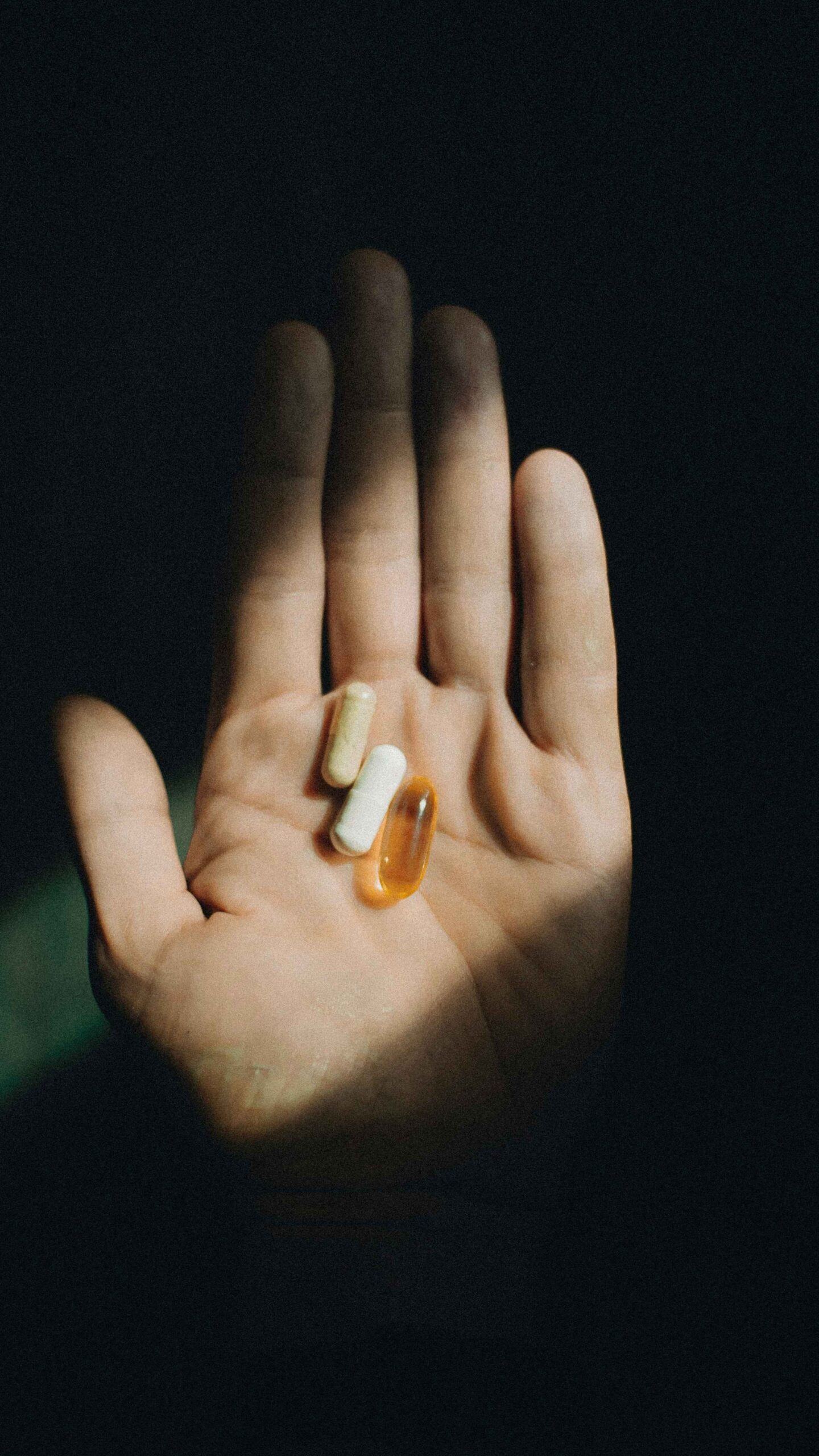
Many people wonder which supplements might help with depression, especially if they are looking for natural ways to support their mental health. Depression is very common, affecting millions of people around the world. The National Institute of Mental Health (NIMH) reports that over 21 million U.S. adults had at least one major depressive episode in 2021.
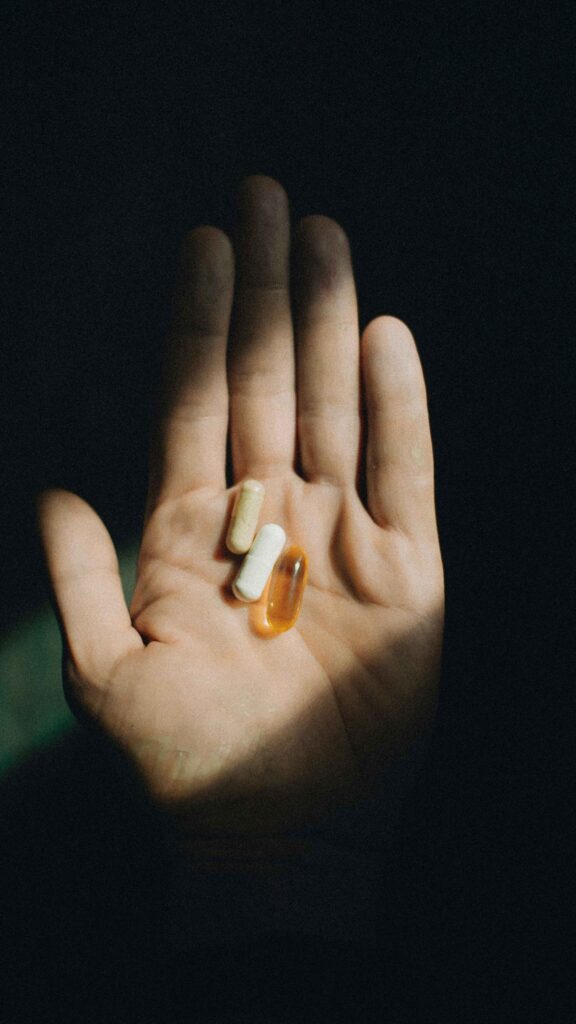
Therapy and medication are still the main treatments for depression, but research shows that some nutrients can help support brain health. If you are curious about supplements for depression, remember that they are meant to support—not replace—professional care. They can be a helpful part of a complete treatment plan.
Understanding Depression and Nutrition
Before looking at which supplements might help with depression, it helps to know how nutrition affects mood. Depression is linked to changes in brain chemicals like serotonin, dopamine, and norepinephrine. Inflammation and long-term stress can also affect how the brain works.
Harvard Health Publishing points out that inflammation may play a role in depression. Not getting enough key nutrients can make inflammation and chemical imbalances in the brain worse.
Many people do not realize that low levels of vitamin D, B vitamins, or magnesium can affect mood. Fixing these deficiencies may help with recovery from depression.
What Supplements Help With Depression? Top Evidence-Based Options
Here are some supplements that research and experts often mention when talking about ways to support depression.
Omega-3 Fatty Acids (EPA and DHA)
Omega-3 fatty acids help keep brain cells healthy and can lower inflammation. A 2019 study in Translational Psychiatry found that omega-3 supplements, especially those high in EPA, may help reduce depression symptoms for some people.
Omega-3 fatty acids are often recommended for depression because they support brain health. Fish oil supplements are among the most researched natural options for mood support.
Magnesium
Magnesium helps calm the nervous system and supports GABA, a chemical in the brain that helps with relaxation. A 2017 review in Nutrients found that taking magnesium may help with mild anxiety and mood problems.
If you are looking into supplements for depression, magnesium might be helpful, especially if you are under a lot of stress. Just be careful with the dose, as too much can upset your stomach.
Vitamin D
Many people do not get enough vitamin D. NHANES data shows that about 42% of U.S. adults may have low vitamin D levels. Several studies have linked low vitamin D to depression symptoms.
Many doctors recommend vitamin D when talking about supplements for depression, especially for people who do not get much sunlight. It is safest to check your vitamin D levels before starting a supplement.
B-Complex Vitamins (B6, B9, B12)
B vitamins help the body make brain chemicals and produce energy. Folate (B9) and B12 are especially important for keeping mood balanced.
B-complex vitamins often come up in research about supplements for depression. People who misuse alcohol or have digestive problems are more likely to be low in B vitamins.
SAM-e (S-Adenosylmethionine)
SAM-e helps with methylation, which is important for making brain chemicals. Some studies suggest that SAM-e may help improve depression symptoms.
SAM-e is often mentioned in discussions about supplements for depression. However, people with bipolar disorder should not use it without a doctor’s supervision, since it can sometimes trigger mania.
Herbal Supplements
Rhodiola Rosea
Rhodiola is an adaptogen, which means it may help the body handle stress and reduce tiredness. Some small studies suggest it could help with mild depression.
Adaptogens like Rhodiola often get attention for helping with mood changes related to stress.
Saffron
New research suggests saffron may help improve mood in people with mild depression. Some studies even compare its effects to low doses of antidepressants.
St. John’s Wort
St. John’s Wort has been shown to help with mild to moderate depression. However, it can interact with many medications, including SSRIs, and may raise the risk of serotonin syndrome.
If you are thinking about supplements for depression, always keep safety and possible medication interactions in mind.
What Vitamin Helps With Depression?
Many people specifically want to know which vitamins might help with depression.
Vitamin D, B12, and folate are often highlighted. Iron can help if you are low in it. Magnesium, though a mineral, is also important for mood.
Getting your nutrient levels tested can help you make the best choices for your needs.
Safety Considerations and Medication Interactions
It is important to think about safety when looking into supplements for depression. Some supplements can interact with antidepressants or other medicines.
For example:
- St. John’s Wort may interact with SSRIs
- High-dose vitamin D can cause toxicity.
- SAM-e may trigger mania in bipolar disorder.
Always talk to a healthcare provider before starting any supplements. Supplements can help with recovery, but they need to be used with care and regular check-ins.
For more information about depression, Andrew Huberman offers helpful videos here:
Integrating Supplements With Comprehensive Treatment
If you are considering supplements for depression, keep in mind that no supplement works by itself. Therapy, good sleep, exercise, support from others, and a healthy diet all play a part in recovery.
Supplements can support brain health, but they are not a substitute for therapy, medication, or trauma-focused care when those are needed.
When to Seek Professional Help
If you have suicidal thoughts, feel very withdrawn, or cannot function, get professional help right away. In the U.S., you can call or text 988 for the Suicide & Crisis Lifeline.
Looking into supplements for depression is a positive step, but serious symptoms need full medical support.
Final Thoughts
So, which supplements might help with depression? Research points to omega-3 fatty acids, magnesium, vitamin D, B-complex vitamins, and some herbal options as possibly helpful.
No supplement can cure depression on its own. They work best when used along with therapy, medical advice, and healthy habits.
If you are thinking about supplements for depression, start by getting lab tests, talk to your healthcare provider, and make choices based on good evidence. Recovery takes time, but making informed decisions can help you build a strong foundation for mental health.
References
- National Institute of Mental Health. Major Depression Statistics.
https://www.nimh.nih.gov/health/statistics/major-depression - Harvard Health Publishing. Inflammation and Depression.
https://www.health.harvard.edu/mind-and-mood/inflammation-and-depression-whats-the-connection - Mocking RJT et al. (2019). Omega-3 fatty acids for depression. Translational Psychiatry.
https://www.nature.com/articles/s41398-019-0515-5 - Boyle NB et al. (2017). Magnesium and anxiety. Nutrients.
https://www.mdpi.com/2072-6643/9/5/429

Jen Sheldon is a seasoned writer with a passion for fitness, health, wellness, and addiction treatment. With years of experience crafting insightful and research-backed content, she helps readers navigate their journey toward better well-being. When she’s not writing, you’ll find her exploring new workout routines or diving into the latest health trends.