Now Reading: Dealing with Anxiety Without Medication: What Really Works?
-
01
Dealing with Anxiety Without Medication: What Really Works?

Anxiety can feel overwhelming. Racing thoughts, tight muscles, restless sleep, and constant worry can affect daily life. According to the National Institute of Mental Health (NIMH), anxiety disorders affect over 40 million adults in the United States each year (https://www.nimh.nih.gov/health/statistics/any-anxiety-disorder).
Many people look for ways to manage anxiety without medication, whether for personal, health, or lifestyle reasons. While medication works for some, there are also effective non-medication strategies that can help manage symptoms.

This guide shares proven ways to manage anxiety without medication, focusing on safe and practical methods.
What Is Anxiety and Why Does It Happen?
Anxiety is the body’s normal reaction to stress. It triggers the fight-or-flight response to help protect you from danger.
If stress hormones like cortisol stay high for a long time, anxiety can become ongoing. Common symptoms include:
- Excessive worry
- Rapid heartbeat
- Muscle tension
- Sleep problems
- Irritability
Knowing how your body responds can help you manage anxiety without medication with more patience and kindness toward yourself.
The American Psychological Association explains how stress affects the body here:
https://www.apa.org/topics/stress/body
14 Proven Ways for Dealing with Anxiety Without Medication
Here are practical, research-backed ways to manage anxiety without medication.
1. Practice Deep Breathing
Slow, deep breaths tell your nervous system that you are safe.
Try inhaling for four seconds and exhaling for six. Daily breathing practice remains one of the simplest tools for dealing with anxiety without medication.
2. Try Grounding Techniques
Grounding helps you stay present when you feel anxious.
Try naming five things you see, four you can touch, three you hear, two you smell, and one you taste. This exercise can help during panic attacks if you want to manage anxiety without medication.
3. Explore Cognitive Behavioral Therapy (CBT)
CBT helps identify and challenge anxious thoughts.
Research consistently shows CBT reduces anxiety symptoms. The APA highlights CBT as a gold-standard therapy (https://www.apa.org/ptsd-guideline/patients-and-families/cognitive-behavioral).
Working with a therapist can be a key part of managing anxiety without medication.
4. Exercise Regularly
Exercise helps lower stress hormones and boosts endorphins, which improve your mood.
Even 20 minutes of walking improves mood. Movement supports dealing with anxiety without medication by calming the body naturally.
5. Improve Sleep Hygiene
Sleep deprivation increases anxiety.
Try to keep a regular bedtime routine and avoid screens before bed. Good rest helps you handle anxiety without medication.
6. Limit Caffeine and Alcohol
Caffeine can make your nervous system more active, while alcohol can disturb your sleep.
Cutting back on both can make it easier to manage anxiety without medication.
7. Use Aromatherapy
Scents like lavender and chamomile can help you relax.
Aromatherapy is not a cure, but it can be a helpful addition to managing anxiety without medication.
8. Listen to Calming Music
Listening to music can slow your heart rate and help you feel less stressed.
Even short music sessions can help you feel more balanced as you manage anxiety without medication.
9. Practice Journaling
Writing clarifies thoughts and reduces rumination.
Journaling is an easy daily habit that can help you manage anxiety without medication.
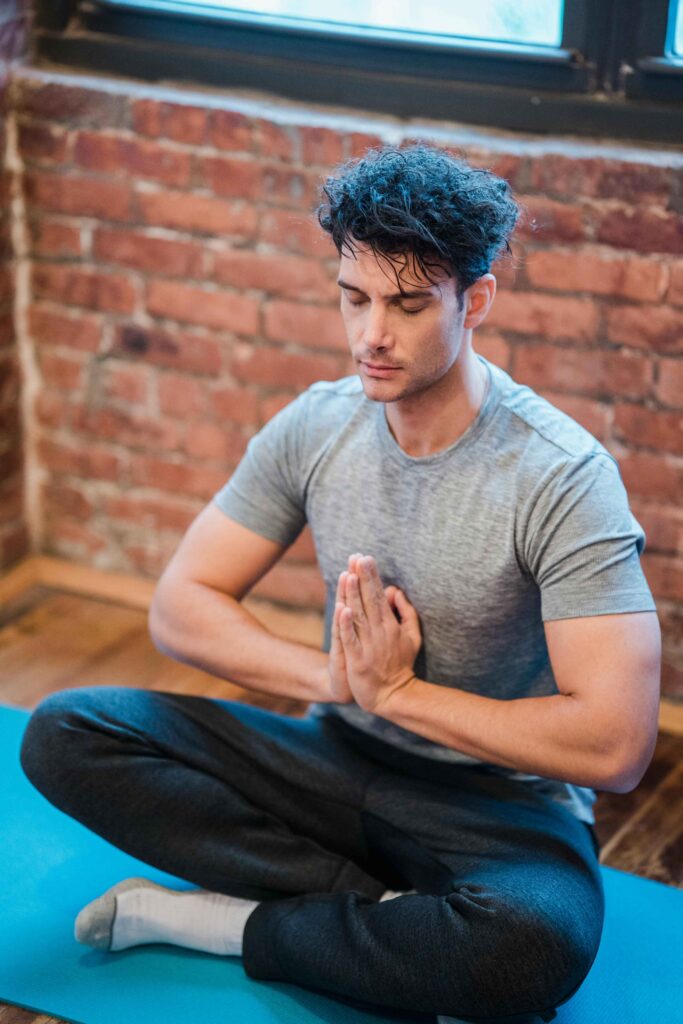
10. Try Meditation
Mindfulness meditation reduces stress reactivity.
A review published in JAMA Internal Medicine found mindfulness programs significantly reduced anxiety (https://jamanetwork.com/journals/jamainternalmedicine/fullarticle/1809754).
Regular meditation can help you manage anxiety without medication over the long term.
For guided resources from a recognized authority, visit:
11. Emotional Freedom Technique (EFT)
EFT, or tapping, uses gentle pressure on certain points along with changing how you think about stress.
Some research shows it might lower anxiety. It can be a useful tool if you want to manage anxiety without medication.
12. Use Weighted Blankets
Weighted blankets give your body gentle, steady pressure.
This sensation promotes calm and supports sleep when dealing with anxiety without medication.
13. Try Natural Supplements Carefully
Supplements like magnesium, L-theanine, and chamomile might help with mild anxiety.
However, supplements require professional guidance. Safe use strengthens efforts in dealing with anxiety without medication.
14. Build a Support Network
Staying connected with others can help you feel less alone.
Talking to trusted friends or joining support groups can make it easier to manage anxiety without medication.
Can Supplements Help When Dealing with Anxiety Without Medication?
Some people add supplements to their plan for managing anxiety without medication.
Magnesium can help relax your muscles. Omega-3 fatty acids might lower inflammation linked to mood issues. Ashwagandha may help balance stress hormones.
But supplementsareo nota substitute for therapy. Always check with your healthcare provider before adding anything to your routine.
When Dealing with Anxiety Without Medication Is Not Enough
Many people can manage anxiety without medication, but sometimes medical help is needed.
Seek professional care if you experience:
- Frequent panic attacks
- Severe depression
- Substance misuse
- Difficulty functioning at work or home
In the United States, call or text 988 for the Suicide & Crisis Lifeline if anxiety feels overwhelming.

Frequently Asked Questions
Can you cure anxiety naturally?
You can manage symptoms naturally, but anxiety disorders usually need ongoing care and strategies.
How long does dealing with anxiety without medication take?
You might start to feel better within a few weeks if you stick with these strategies.
What deficiency causes anxiety?
Low levels of magnesium, vitamin D, or B12 can sometimes add to anxiety symptoms.
Final Thoughts
Managing anxiety without medication takes patience and steady effort. There isn’t one solution that works for everyone.
Breathing techniques, CBT, exercise, sleep, and connection all support nervous system regulation.
Medication is a helpful choice for many, and choosing it is not a sign of weakness. But if you want to try natural options, managing anxiety without medication can be both empowering and effective when done with care.
References
- National Institute of Mental Health. Anxiety Disorders Statistics.
https://www.nimh.nih.gov/health/statistics/any-anxiety-disorder - American Psychological Association. Stress Effects on the Body.
https://www.apa.org/topics/stress/body - Goyal M et al. Meditation Programs for Psychological Stress. JAMA Internal Medicine.
https://jamanetwork.com/journals/jamainternalmedicine/fullarticle/1809754 - American Psychological Association. Cognitive Behavioral Therapy Overview.
https://www.apa.org/ptsd-guideline/patients-and-families/cognitive-behavioral

Jen Sheldon is a seasoned writer with a passion for fitness, health, wellness, and addiction treatment. With years of experience crafting insightful and research-backed content, she helps readers navigate their journey toward better well-being. When she’s not writing, you’ll find her exploring new workout routines or diving into the latest health trends.