Now Reading: Clove Tea Recipe: How to Make It and How It Tastes
-
01
Clove Tea Recipe: How to Make It and How It Tastes
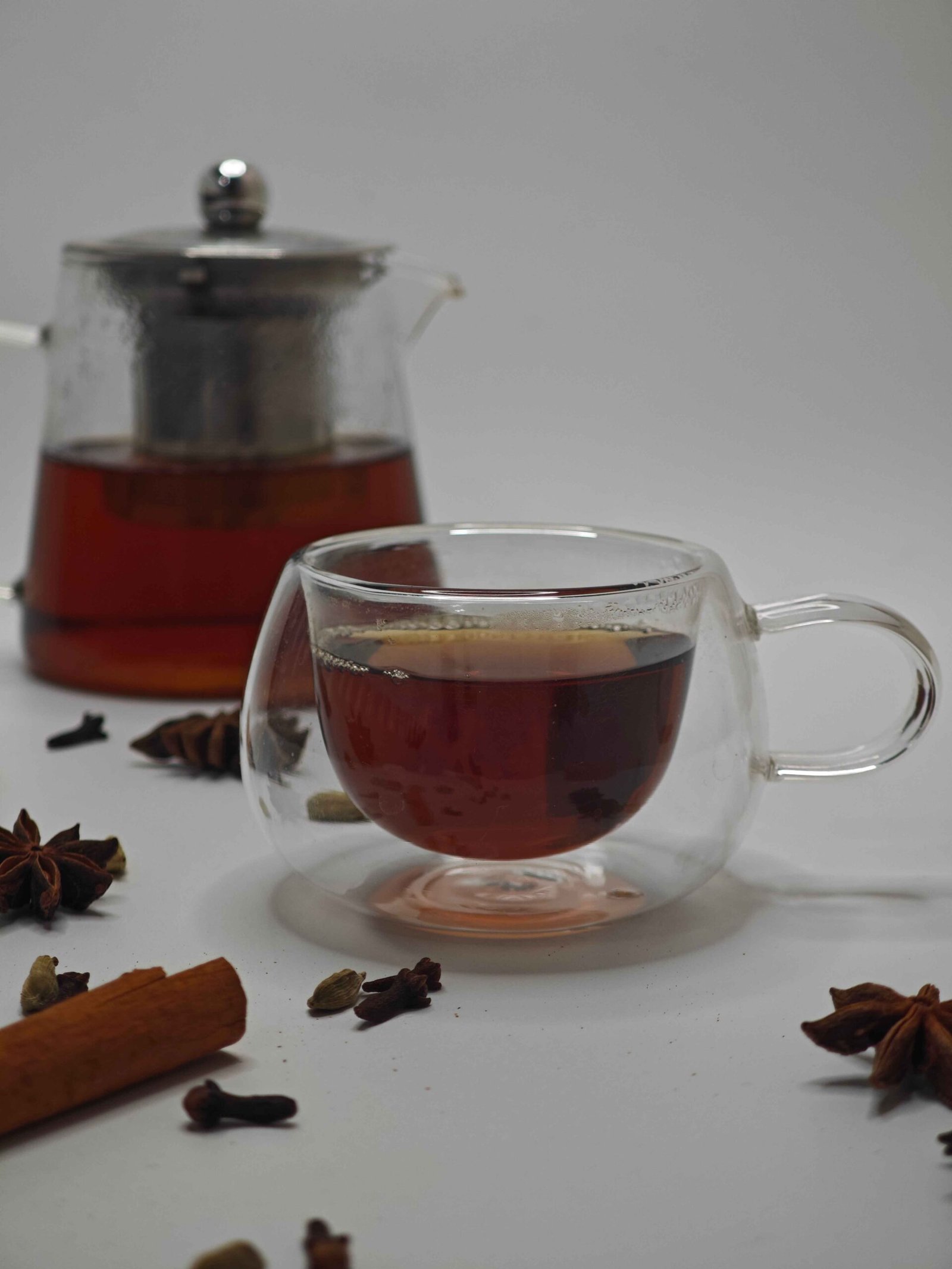
This clove tea is 2 whole cloves and 2 cups of water. Just simmer gently for 5 minutes, strain and then taste before doing anything else. It’s going to be a very pungent, woody spiced flavor with a very sweet smelling aroma rather than a sweet drink.
Whole cloves are the easiest for the first batch as you can simply remove them. Ground cloves are an alternative, though the fine particles can leave a bit of sediment in the cup. Start small, with a small batch and a short brew time so you can get a feel for the flavor without having to go in with a big pot.
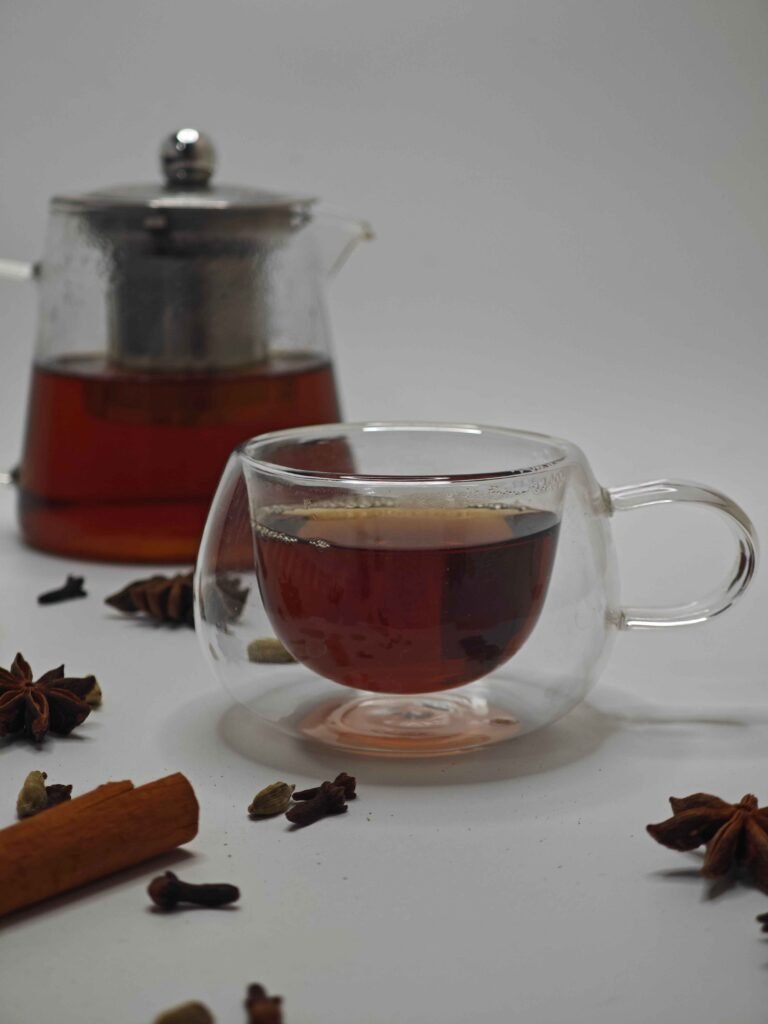
Easy clove tea recipe
Makes: 2 small servings
Preparation: about 1 minute
Simmering: 5 minutes
Total: roughly 10 minutes, allowing for heating and straining; equipment affects timing
Ingredients
- 2 whole culinary cloves
- 2 cups water, approximately 480 ml
- Optional: ½–1 tsp honey for the whole batch
- Optional: 1–2 tsp lemon juice for the whole batch
Use cloves as a food spice. Clove essential oil, toothache preparations, extracts and supplements are not acceptable in this recipe.
The amounts and timing are suggested culinary starting points. This recipe has not been trialled in the kitchen and the amounts are not a medically established dose or a recommendation for daily use.
Equipment
Use a small saucepan, a measuring cup, a fine-mesh strainer, a heatproof jug and two cups. Leave the cloves whole for the first batch as crushing them alters the preparation and makes the comparison much more difficult to repeat.
How to make it
- Measure the water and cloves. Put 2 whole cloves and 480 ml of water in the saucepan. Bring to a gentle simmer.
- Simmer for 5 minutes. Reduce the heat so the water bubbles gently. Partially cover the pan, leaving an opening for steam. Avoid a rolling boil that quickly reduces the water.
- Strain out the cloves. Turn off the heat and carefully pour through the strainer into a heatproof jug. Discard the solids.
- Check the strength. Let a spoonful cool to a comfortable drinking temperature. If the flavor is too strong, add hot water a little at a time.
- Finish each cup. Divide the infusion evenly. Add the optional honey or lemon gradually, tasting between additions.
The yield on completion will be less than the starting volume of water as some of it will have evaporated. For one small serving use 1 clove and 1 cup of water and keep the initial simmer time the same. A very small pan will also help to minimise evaporation.
If you’re using honey then don’t give the drink to an infant under 1 year. The CDC advise against honey for children under 12 months of age (this includes any product that contains it). This recipe is not for an infant drink.
What does clove tea taste like?
Clove has a quite assertive aroma, one that might bring to mind spiced baking, mulled wine or chai. The flavor can be quite woody and medicinal with a rather pungent aftertaste. A sweet smell doesn’t necessarily mean the plain infusion will taste sweet.
The McCormick Science Institute’s clove guide describes it as woody, fruity, minty and medicinal with a very strong flavour. That’s just a general description of clove, not necessarily anything to do with the flavour of this particular recipe.
Cloves are the dried flower buds rather than the tea leaves. The Indian Institute of Spices Research identifies eugenol as the main contributor to the characteristic aroma. The flavour of the finished drink will of course be a function of the cloves used, the amount of water, the brewing time and any other additions.
For a different take on flavor direction our guide to herbal tea flavors and brewing looks at woody rooibos, cooling mint, tart hibiscus and other infusions and can help you pick a base if plain clove is a bit too much for you.
Whole cloves versus ground cloves?
Choose the whole cloves if you’re after simple measuring and easy removal. Ground cloves are useful if that’s all you’ve got, but they do require a much smaller spoon measure and a lot more attention to filtering.
The table looks at the preparation considerations. It doesn’t contain a full brewing experiment, nor does it have any equivalent strength figures or a taste test win.
| Detail | Whole cloves | Ground cloves |
| Suggested first trial in 480 ml water | 2 intact cloves | 1/16 tsp, measured as half a level ⅛ tsp |
| Initial method | Gently simmer for 5 minutes | Stir into freshly boiled water off the heat; cover and steep for 3 minutes |
| Measuring issue | Individual buds vary in size | An unmeasured pinch is difficult to repeat |
| Removing the spice | A fine-mesh strainer catches intact buds | Fine powder may pass through a mesh strainer; try a paper coffee filter |
| What to inspect | Aroma and strength after straining | Aroma, strength, visible particles, and sediment after standing |
| Practical advantage | Simple handling and removal | Uses a familiar baking ingredient without a spice grinder |
The ground clove quantity is a separate starting suggestion rather than a conversion for 2 whole cloves. Always follow any brewing instructions that may be provided with a product marketed as tea. If you can’t reliably measure the small amount then go with whole cloves rather than trying to work from a heaped spoon.
For the ground version simply pour carefully through a paper coffee filter which will be supported in a suitable heatproof brewer. Let it drain without any squeezing of the hot filter. Filtering will improve clarity, but don’t assume it will remove the dissolved clove compounds or that it will make a concentrated drink safe.
How can you tweak the flavor?
Change one ingredient at a time. Otherwise a better tasting second cup won’t tell you whether the difference was due to the clove, the lemon or the sweetener.
If it tastes too strong
Remove the cloves and dilute the strained drink with hot water. For the next batch, shorten the simmer rather than adding more sweetener to cover a flavor you don’t like. If it irks your mouth or throat at all then stop drinking it.
If it tastes too weak
First check the water measurement and whether your spice still has that distinct aroma. A large mug will obviously hold a lot more than one measuring cup. In another batch we tried a slightly longer brew, all other things being equal (same amount of clove, same amount of water) and of course didn’t boil it down to a concentrate.
If you want lemon or honey
Start with 1 tsp of lemon juice or ½ tsp of honey in the full two serving batch, then adjust within the optional amounts. Lemon will add acidity and honey will add sweetness. Add them in after you’ve tasted the plain infusion to judge whether you like the clove itself.
If you want ginger to be the dominant flavor then go with the honey ginger tea recipe which has a separate measured method using fresh ginger and lemon. Start with that recipe rather than just taking the full amounts from the two different drinks.
If you want a creamy spiced drink
Clove is also in the chai with the other spices, tea and milk. Our holiday drinks guide has a fully measured homemade spiced chai latte recipe. Use that recipe if you want a latte (you’ll get a very different balance if you simply add milk to the plain infusion).
Does clove tea have any proven health benefits?
This is a recipe for flavor. The lab results on eugenol or the concentrated extracts don’t in any way establish that a cup made in the kitchen is going to treat a health condition.
The NIH LiverTox review of eugenol lists proposed uses for digestive and respiratory complaints but provides no convincing data on efficacy for either of those. It doesn’t in any way validate this as a treatment. Don’t use the drink as a substitute for dental care, prescribed treatment or as a means of assessing ongoing symptoms.
There’s also a very important distinction between the spice and the essential oil. The Tennessee Poison Center will tell you that clove essential oil can be very poisonous if ingested. Do not add any drops of the essential oil to this tea.
If you’re pregnant or breastfeeding, have a medical condition or wish to regularly consume clove infusions, seek advice from a pharmacist or clinician as to the appropriate dose for you. A culinary recipe is not going to be able to tell you that. Keep essential oils and hot drinks well out of the reach of children.
Can you make clove tea in advance?
A small fresh batch avoids the storage issues and makes it far easier to tweak the flavour. If you’re making it in advance then it’s best to strain the cloves out rather than leaving them in the drink for the duration of storage.
Use clean containers and get the food in the fridge as soon as possible, particularly after you’ve added the milk or any other perishable ingredients. FoodSafety.gov recommends that perishable food be refrigerated within 2 hours (or within 1 hour if the ambient temperature is above 90°F/32°C) and that the fridge be kept at 40°F/4°C or below. These are general guidelines and do not in any way establish a tested refrigerated shelf life for this recipe.
Wash the fresh lemon under running water prior to cutting. For the iced version, strain first, then cool promptly in a suitable container and refrigerate. Pour over ice when ready to serve (melting ice will dilute the flavor so taste before you add any more sweetener).

Frequently asked questions
Should you crush the cloves before you make the tea?
You can (in fact this is the recipe I’d use to make it easier to repeat). It starts with the cloves intact. The crushing step exposes more of the spice and produces smaller pieces which are easier to strain. If you do change that step then you’ll need to check the flavor at an earlier stage rather than just go on the assumption that the same brewing time will give you the same result.
Do you need a tea bag?
No. The basic recipe is whole cloves and water. If you’re using black or green tea then you’ll need to follow the instructions on the tea packet to steep it. You don’t want to just simmer the tea leaves with the cloves for the whole time as that will change the flavor considerably. Check the tea packet if you’re avoiding caffeine.
Can you leave the cloves in the cup?
Strain them out before you serve. If you leave them in it makes the brewing time very difficult to control and you end up with hard bits in the drink. Ground cloves also need to be filtered if you’re after a drink with minimal sediment.
How many cups should you be drinking a day?
This article doesn’t state a daily intake. Two servings is the yield of the recipe, not a health recommendation. You don’t have to go making a spice a daily thing just because you enjoy it and a more potent infusion is no indication of greater benefit.
Once you’ve found a flavor you like, record the amount of clove, the volume of water and the brew time. That’ll be far more useful in terms of being able to reproduce the cup than the color will be.
Sources
- McCormick Science Institute: Cloves — spice flavor, culinary handling, and whole versus ground considerations; industry source.
- ICAR–Indian Institute of Spices Research: Clove — plant identity and characteristic aroma. Its broader health-benefit list is not used as evidence for this recipe.
- NIH LiverTox: Eugenol (Clove Oil) — limits of proposed medicinal uses and concentrated-oil toxicity.
- Tennessee Poison Center: Oil of Cloves — distinction between spice use and concentrated essential-oil poisoning.
- CDC: Botulism Prevention — no honey for infants under one year.
- FoodSafety.gov: 4 Steps to Food Safety — produce washing and general refrigeration guidance.

Jen Sheldon is a seasoned writer with a passion for fitness, health, wellness, and addiction treatment. With years of experience crafting insightful and research-backed content, she helps readers navigate their journey toward better well-being. When she’s not writing, you’ll find her exploring new workout routines or diving into the latest health trends.