Now Reading: Does Lemon Water Break a Fast? Calories Explained
-
01
Does Lemon Water Break a Fast? Calories Explained
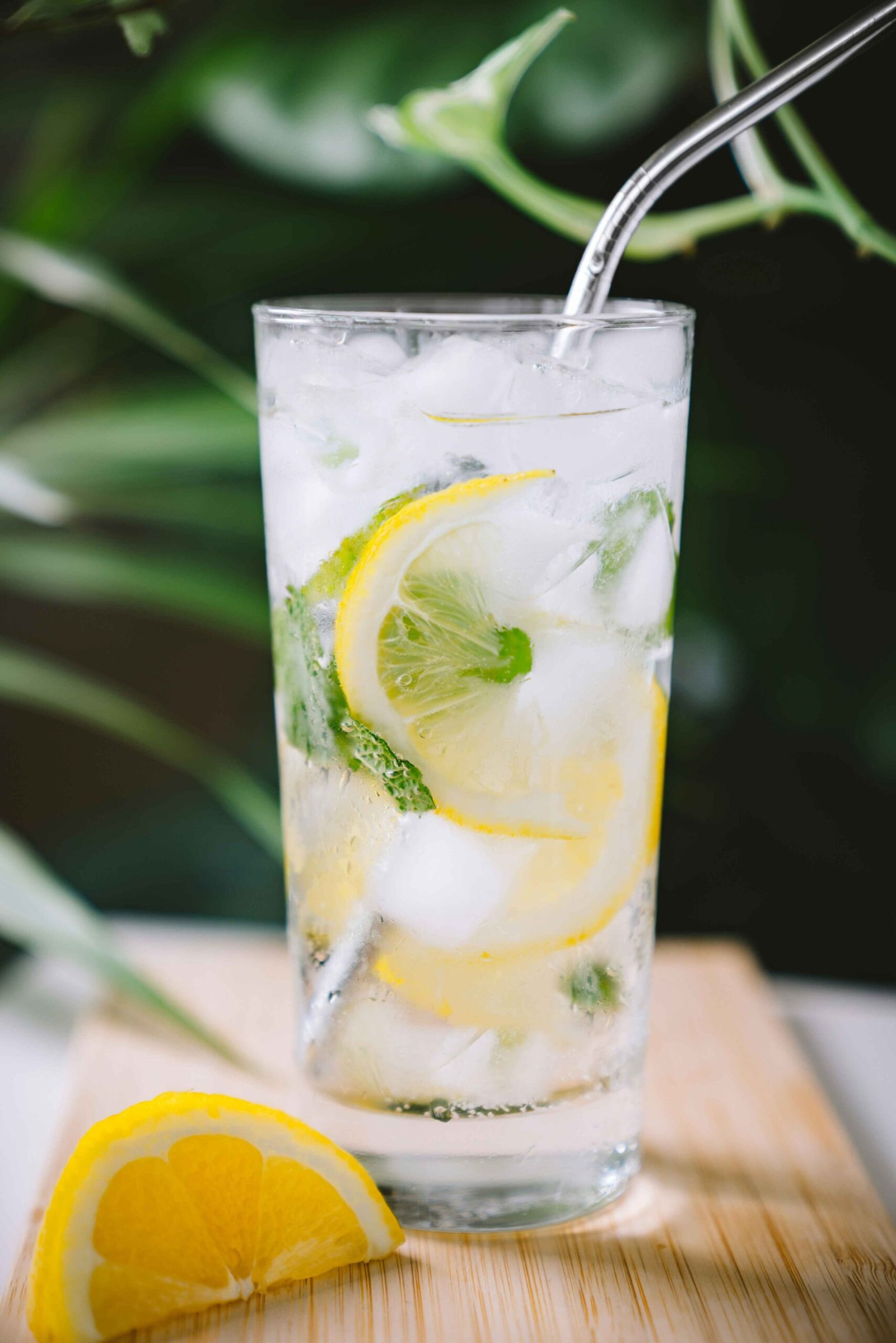
Lemon juice contains calories, so if you’re following a strict water-only or zero-calorie fast, lemon water isn’t allowed. For personal intermittent fasting, it depends on your own rules. For fasting blood tests, always follow your doctor’s instructions and use plain water.
The amount of lemon juice matters for calories. A teaspoon is not the same as squeezing a whole lemon into your drink, and both are different from adding honey or a sweetener. Before deciding, figure out what’s in your drink and why you’re fasting.
Quick decision chart: what kind of FAST are you on?
| Purpose or rule | Does lemon water fit? | Practical choice |
| Strict water-only fast | No; water with added lemon is no longer plain water | Choose plain water |
| A routine that excludes calorie-containing drinks during the fasting window | Lemon juice contributes calories | Keep lemon juice for the eating window |
| A personal eating-window routine that explicitly allows a little lemon | It may fit that personal rule; that does not prove a particular metabolic effect | Measure it and be clear about the rule you are using |
| Fasting blood test | Do not substitute lemon water for the permitted plain water | Follow the test instructions; ask the provider about uncertainty |
| Surgery, sedation, or another medical procedure | A general fasting article cannot authorize it | Follow the care team’s exact fluid and timing instructions |
| Religious observance | Calorie content alone does not determine the observance’s rules | Follow the relevant religious guidance |
What matters most are the instructions, not just the calorie count. Even a small amount of calories can’t override medical or religious fasting rules.
How many calories are there in lemon water?
Plain water has no calories. In unsweetened lemon water, all the calories come from the lemon juice.
USDA FoodData Central’s raw lemon juice record has 22 calories, 6.9g carbohydrate and 2.52g total sugars per 100g. The reference cup of juice is 244g. The tsp and tbsp values below are calculated from that cup (using 48 tsp or 16 tbsp per US cup).
| Raw lemon juice added | Approximate juice weight | Calories | Carbohydrate | Total sugars |
| 1 teaspoon | 5.08 g | 1.1 | 0.35 g | 0.13 g |
| 1 tablespoon | 15.25 g | 3.4 | 1.05 g | 0.38 g |
| 2 tablespoons | 30.50 g | 6.7 | 2.10 g | 0.77 g |
| ¼ cup | 61.00 g | 13.4 | 4.21 g | 1.54 g |
| Juice yielded by one reference lemon | 48.00 g | 10.6 | 3.31 g | 1.21 g |
These numbers are estimates for raw juice and may not match every lemon or bottled product. The last row uses the USDA reference yield. Fruit size and how you get the juice can change the amount. To be sure, weigh or measure your own juice.
Calories are rounded to one decimal place, and carbs and sugars to two. Calculations use the exact weights before rounding. The table only shows food composition and doesn’t measure things like insulin, ketosis, or fat burning.
What about a lemon slice rather than the squeezed juice?
It’s harder to know how much juice is in a glass with just a slice of lemon. The amount depends on the slice, if you squeeze or muddle it, and how much you actually drink or eat.
Don’t pour the juice from a whole wedge into every glass with a slice. Also, don’t assume that any visible fruit means zero calories. The rule works best when you know how much juice you’ve added.
If you want a simple rule without any lemon calculations, just drink plain water during your fast and save lemon water for later.
Does lemon water break intermittent fasting?
According to Johns Hopkins Medicine, you can have water and zero-calorie drinks like black coffee and tea during a fast. Lemon juice, even in small amounts, is not zero-calorie.
Some people choose to allow a splash of juice as part of their own routine. This is a personal choice, not proof that the drink has no effect on the body or that it keeps all the benefits of fasting.
To avoid confusion, write down your rule, like “plain water only” or “no calorie drinks,” and then check if your drink fits that rule. Calling a fast “clean” or “dirty” without explaining what that means doesn’t tell you what was actually consumed.
If you’re managing your eating habits, the calories in a teaspoon of lemon juice shouldn’t be your main focus. Don’t fast longer just to make up for it. Always ask a qualified professional if fasting is right for you before starting or changing your routine.
There is no automatic pass at 50 calories
You may hear that anything under 50 calories “doesn’t count.” However, neither the USDA nor the fasting guidelines mentioned here set a universal 50-calorie limit for lemon water.
The main questions are how much energy the drink has, whether it fits your plan, and what effect it has on your body. Knowing the calories doesn’t answer the other two questions.
The same applies to claims about autophagy or metabolic states. Counting lemon juice calories won’t tell you if a certain process is happening in your body or what your personal threshold is. Don’t assume a small number from a nutrition table guarantees a result.
Lemon water before a blood test or procedure
For blood tests that require fasting, MedlinePlus defines fasting as nothing but plain water (so no lemon flavoured water). Not all tests require fasting so always follow the instructions for the test you have actually been asked to have.
If you accidentally drank lemon water before your test, tell your provider what you had and when. Don’t decide on your own that it was too little to matter. The provider will let you know if the test can still go ahead.
For surgery, sedation, or other procedures, always follow the team’s written instructions about fluids and timing. Don’t use blood test or fasting rules for other procedures. If you’re unsure, ask the team instead of assuming a low calorie count is okay.
Only change or stop your prescribed medication if your doctor tells you to. Don’t do it just to lose weight.
Honey, powders, and other additions change the question
“Lemon water” can mean different things. Don’t judge by lemon flavor alone—always check the full ingredient list.
| Drink | What to count or check |
| Water plus measured fresh lemon juice | The amount of juice added |
| Bottled lemon juice and water | The product label and measured portion |
| Lemon water with honey or sugar | Both the juice and the sweetener |
| Lemon-flavored powder or electrolyte mix | The full ingredient list, serving size, and any plan-specific restrictions |
| A bottled lemon beverage | The nutrition information for the quantity actually consumed |
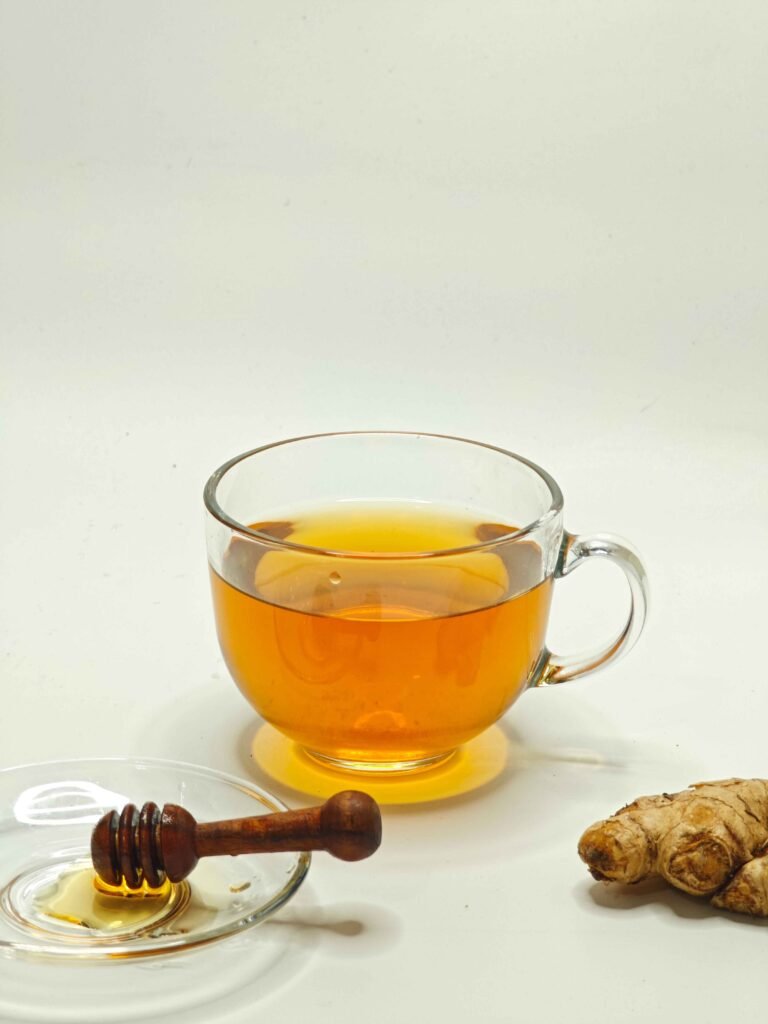
For example, our honey ginger tea contains both lemon and honey. It’s not the same as water with just a spoonful of lemon juice.
Similarly a fruit smoothie is a combination of measured fruit with liquid and occasionally some yogurt. Lemon flavoring in a drink doesn’t mean the rest of the ingredients are gone. These are all options you can have when food and calorie-containing drinks are in keeping with your plan.
A practical way to make the decision
First, figure out if your fast is for medical, religious, or personal reasons. Medical and religious rules are more important than general calorie guidelines.
For your personal routine, decide if you’ll allow any calories. If so, measure the lemon juice once so you know what “a splash” means for you. Check sweetened products separately instead of using the raw juice table for all lemon-flavored drinks.
Adding more water makes each sip less concentrated but doesn’t remove the calories from the juice. Whether you add one tablespoon to a small glass or a large bottle, if you drink it all, you get the same calories. If you drink only part, you consume fewer calories.
Questions about lemon water and fasting
Does hot lemon water count any differently from cold lemon water?
Hot or cold water doesn’t change how much lemon juice you’ve added. The table still estimates the juice content, as long as you drink it all and don’t add anything else.
Can bottled lemon juice be used in place of fresh lemon juice for the calculation?
If you have a bottle, use its label. The USDA table is for raw lemon juice. Different products and serving sizes vary, so it’s best to measure your own portion instead of assuming every bottle matches the USDA numbers.
Does diluting lemon juice make it calorie free?
No. Water changes the concentration and volume, but not the total calories in the juice. One tablespoon of juice still has about 3.4 calories, no matter how much water you add.
Can I have lemon water with no added sugar during a strict fast?
“No added sugar” doesn’t mean “no calories.” Raw lemon juice has natural carbs and sugars. A strict water-only or zero-calorie rule still excludes it.
Have I screwed it all up if I’ve already had a bit?
For your own routine, just note what you drank and return to your plan. For a fasting test or procedure, tell your care team and follow their advice. A general article can’t say if you’re properly prepared.
Is lemon water required during fasting?
No, plain water is the best choice to avoid confusion about lemon juice. You can have lemon water later when it fits your plan.
First, decide why you’re fasting. Then, figuring out how much lemon juice to use becomes a simple ingredient calculation instead of guessing what every type of fast allows.
This article provides general information, not individualized fasting or medical-test instructions.
Sources
- USDA FoodData Central: Lemon juice, raw, record 167747 — energy, carbohydrate, sugars, and household reference weights.
- MedlinePlus: Fasting for a Blood Test — plain-water guidance, accidental intake, and medicine instructions.
- Johns Hopkins Medicine: Intermittent Fasting—What Is It, and How Does It Work? — description of eating windows and drinks during fasting; not a lemon-specific threshold study.

Jen Sheldon is a seasoned writer with a passion for fitness, health, wellness, and addiction treatment. With years of experience crafting insightful and research-backed content, she helps readers navigate their journey toward better well-being. When she’s not writing, you’ll find her exploring new workout routines or diving into the latest health trends.