Now Reading: Protein Smoothie Recipes: 10 Blends with 20g+ Protein
-
01
Protein Smoothie Recipes: 10 Blends with 20g+ Protein
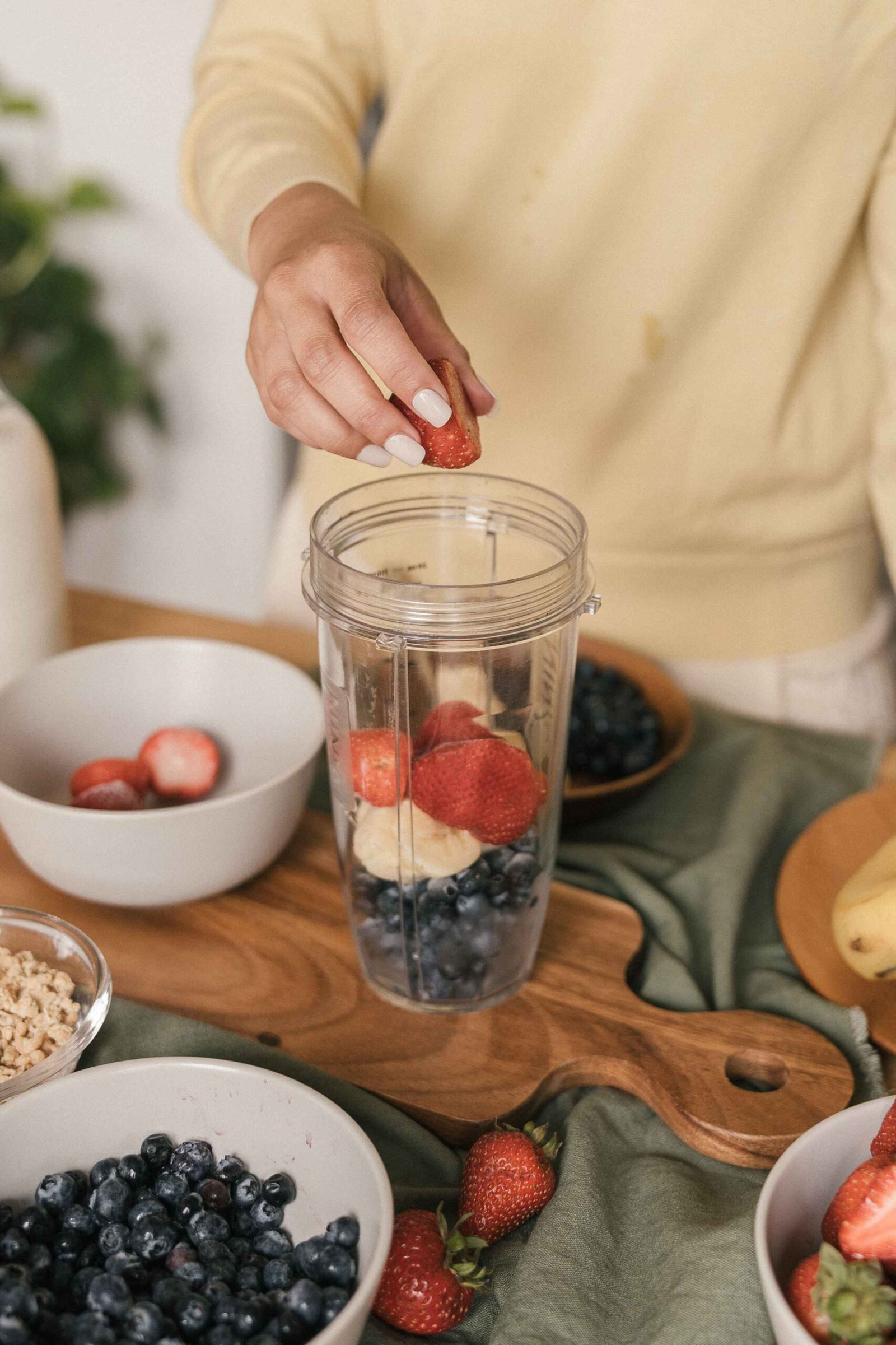
These protein smoothie recipes use Greek yogurt, cottage cheese, or firm tofu to give you about 23.7 to 26.3 grams of protein per serving, and you don’t need any protein powder. Each recipe makes one batch for one person, and the protein and calorie numbers are based on the full list of ingredients.
Start by picking your protein base, then add the fruit. Using just a spoonful of yogurt in a big fruit drink won’t give the same results as the amounts listed here. Try a strawberry blend with Greek yogurt, a peach smoothie with cottage cheese, or a dairy-free mango smoothie with protein-rich tofu.
The amounts listed are just starting points and haven’t been tested in a kitchen. Texture, sweetness, and blending time will depend on your ingredients and blender. The nutrition info is based on calculations, not lab tests of the finished drinks.
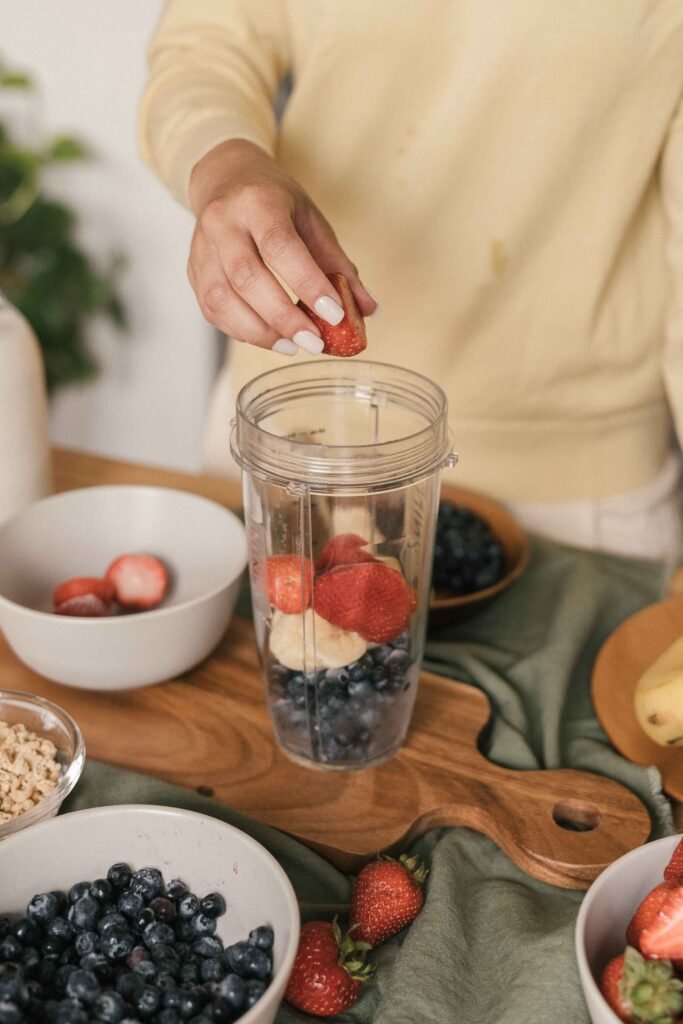
Compare all 10 high-protein smoothie recipes
One serving means the whole recipe, not a specific glass size. If you split it between two glasses, each will have half the protein and calories. The final amount you get depends on your ingredients, how much water you add, and how much air gets mixed in while blending.
| Recipe | Main protein base | Estimated protein per serving | Estimated calories per serving |
| 1. Strawberry Greek yogurt | Greek yogurt and milk | 23.7 g | 239 |
| 2. Peanut butter banana | Greek yogurt, milk, and peanut butter | 24.5 g | 352 |
| 3. Blueberry oat | Greek yogurt, milk, and oats | 26.3 g | 328 |
| 4. Mango Greek yogurt | Greek yogurt and milk | 23.9 g | 267 |
| 5. Pineapple cottage cheese | Cottage cheese and milk | 24.6 g | 273 |
| 6. Peach cottage cheese | Cottage cheese and milk | 25.0 g | 262 |
| 7. Chocolate banana cottage cheese | Cottage cheese and milk | 23.8 g | 289 |
| 8. Strawberry tofu | Firm tofu | 25.2 g | 250 |
| 9. Chocolate banana tofu | Firm tofu | 26.2 g | 302 |
| 10. Mango tofu | Firm tofu | 25.2 g | 274 |
The 20-gram protein mark is just how these recipes are organized, not a suggestion that everyone needs that much in a drink. Each recipe has a different calorie count, so choose one that fits your appetite and your day.
Ingredients and nutrition: read this before substituting
The nutrition numbers come from specific USDA FoodData Central SR Legacy records. ‘Yogurt’ means plain low-fat Greek yogurt, ‘cottage cheese’ is 2% milkfat, and ‘milk’ is whole dairy milk. The tofu used is firm tofu made with calcium sulfate, which has 17.27g protein per 100g.
That tofu protein amount matters. Softer or less concentrated tofu usually has much less protein. For recipes 8 to 10, pick a ready-to-eat firm tofu with at least 15g protein per 100g. Using 140g will give you at least 21g of protein before adding fruit. Always follow the prep instructions and use tofu that’s safe to eat without cooking. Silken tofu doesn’t have the same nutrition at the same weight.
All fruit weights are for the part you can eat, so peel bananas and mangoes, take out peach stones, trim pineapple, and remove strawberry stems before weighing. The nutrition info is based on raw fruit. If you use fresh fruit or freeze your own, just use the amounts listed. If you use store-bought frozen fruit, check the label and follow any prep instructions.
Use a kitchen scale to measure the amounts in grams, including milk. Measure water in milliliters. The nutrition numbers don’t include any optional sweeteners, toppings, or extra milk or other liquids you might add to change the texture.
For example, recipe 1 contains:
- 200 g Greek yogurt: 19.9 g protein
- 100 g whole milk: 3.15 g protein
- 100 g strawberries: 0.67 g protein
The total protein is 23.72g, shown as 23.7g. All recipes use exact ingredient values before rounding protein to one decimal and calories to the nearest whole number. Your product labels might show different numbers.
How to blend a protein smoothie
Follow your blender’s instructions for loading, minimum batch size, and maximum fill line. A full-size pitcher and a personal blending cup might need different loading orders.
Begin with the measured liquid from the recipe. If your blender allows, mix the yogurt, cottage cheese, or tofu with the liquid first so the thick ingredients can blend in. Then add the fruit and other ingredients, put on the lid, and blend until everything is moving smoothly.
If the smoothie is too thick, stop the blender and add water a little at a time, about 15ml each time. Adding water changes the thickness and volume but not the total protein. Only scrape down the sides when the blender is off, and always follow the safety instructions. Never put a spoon in a running blender.
For more tips on fruit ratios and texture, see our fruit smoothie guide. It explains how fresh and frozen fruit can change your blend.
10 protein smoothie recipes without powder
1. Strawberry Greek yogurt smoothie
One serving: approximately 23.7 g protein and 239 calories.
Ingredients
- 200 g plain low-fat Greek yogurt
- 100 g whole milk
- 100 g strawberries, stems removed
Blend the milk and yogurt first, then add the strawberries and blend until smooth. Use cold ingredients for a chilled drink, or freeze some of the strawberry mix ahead of time for a thicker texture.
The yogurt will add some tang. Taste the smoothie before adding any sweetener, since the fruit affects the flavor. Extra honey or syrup isn’t included in the nutrition numbers.
2. Peanut butter banana smoothie
One serving: approximately 24.5 g protein and 352 calories.
Ingredients
- 170 g plain low-fat Greek yogurt
- 100 g whole milk
- 80 g peeled banana
- 16 g smooth peanut butter, without added salt
Blend the milk, yogurt, and peanut butter together first, then add the banana. If any peanut butter sticks to the sides, stop and scrape it down.
The yogurt gives most of the protein, while the peanut butter adds flavor and energy. “Without added salt” doesn’t mean there’s no added sugar, so check the label if that matters to you. Weigh the peanut butter instead of guessing the amount.
3. Blueberry oat smoothie
One serving: approximately 26.3 g protein and 328 calories.
Ingredients
- 200 g plain low-fat Greek yogurt
- 100 g whole milk
- 80 g blueberries
- 20 g plain rolled oats
Blend the milk, yogurt, and oats first, then add the blueberries. If the mixture is too thick for your blender, add a little water.
Oats and berry skins will make this smoothie more textured than a banana-based one, especially if your blender isn’t very strong. The drink can also get thicker as it sits. If you need it to be gluten-free, check the oat label instead of assuming all oats are gluten-free.
4. Mango Greek yogurt smoothie
One serving: approximately 23.9 g protein and 267 calories.
Ingredients
- 200 g plain low-fat Greek yogurt
- 100 g whole milk
- 100 g mango flesh
Blend the milk and yogurt with the mango until smooth. Cut any fibrous mango pieces into small chunks before adding, and add water if you need to thin the mixture.
This is a good option if you want a fruit smoothie without banana. Measure the mango carefully, since adding more will change the flavor and calories. The yogurt and milk are still the main protein sources.
5. Pineapple cottage cheese smoothie
One serving: approximately 24.6 g protein and 273 calories.
Ingredients
- 200 g cottage cheese, 2% milkfat
- 100 g whole milk
- 100 g trimmed pineapple flesh
Blend the cottage cheese and milk until smooth, then add the pineapple. Remove any tough pieces that might be hard for your blender to handle.
Cottage cheese can add a noticeable savory or salty taste, depending on the brand. Taste the mixture before adding anything else. Use plain pineapple instead of pineapple in syrup to match the recipe ingredients.
6. Peach cottage cheese smoothie
One serving: approximately 25.0 g protein and 262 calories.
Ingredients
- 200 g cottage cheese, 2% milkfat
- 100 g whole milk
- 100 g yellow peach flesh with skin, stone removed
Blend the milk and cottage cheese first, then add the chopped peach. Wash the peach before cutting. The nutrition info includes the skin, so peeling it will change the numbers a little.
Use ripe fruit that smells good to you. If the peach is firm and bland, adding more cottage cheese won’t make it taste more like peach. Try a different piece of fruit instead of adding sweetener right away.
7. Chocolate banana cottage cheese smoothie
One serving: approximately 23.8 g protein and 289 calories.
Ingredients
- 180 g cottage cheese, 2% milkfat
- 100 g whole milk
- 80 g peeled banana
- 5 g unsweetened cocoa powder
Blend the milk and cottage cheese first, then add the banana and cocoa. Start blending slowly so the cocoa powder mixes in, then follow your blender’s instructions.
Unsweetened cocoa is both bitter and chocolatey. A ripe banana might make it sweet enough, but this recipe isn’t meant to taste like a milkshake. Sweetened drinking chocolate powder is very different.
8. Strawberry tofu smoothie
One serving: approximately 25.2 g protein and 250 calories with the USDA tofu reference.
Ingredients
- 140 g ready-to-eat firm tofu, weighed after draining packing liquid
- 150 g strawberries, stems removed
- 150 ml cold water
Check the tofu’s protein content and prep instructions as mentioned earlier. Blend the tofu with water first, then add the strawberries and blend again. Add more water a little at a time if needed.
Firm tofu usually gives a thicker texture and a stronger soy flavor than silken tofu. This recipe focuses on protein content, not on matching the texture of dairy smoothies.
9. Chocolate banana tofu smoothie
One serving: approximately 26.2 g protein and 302 calories with the USDA tofu reference.
Ingredients
- 140 g ready-to-eat firm tofu, weighed after draining packing liquid
- 100 g peeled banana
- 5 g unsweetened cocoa powder
- 150 ml cold water
Start by blending the tofu with the water. Next, add the banana and cocoa, and blend again until the mixture is smooth. If the blender gets stuck, just add a little more water.
This recipe contains soy but no dairy. If you swap the water for a plant-based drink, the nutrition and allergens may change. Check the label to see how much protein your chosen drink adds, since not all plant-based drinks have the same protein content.
10. Mango tofu smoothie
One serving: approximately 25.2 g protein and 274 calories with the USDA tofu reference.
Ingredients
- 140 g ready-to-eat firm tofu, weighed after draining packing liquid
- 120 g mango flesh
- 150 ml cold water
Blend the tofu with the water, then add the mango pieces. If you use frozen mango from home, let it soften just enough for your blender, and keep everything cold.
Try the recipe as written before adding extras like coconut milk or nut butter. These additions can taste good, but they change the calories and protein.
Substitutions that can change the protein total
Regular yogurt is not always the same as Greek yogurt, and plant-based yogurt often has much less protein. The same goes for swapping whole milk with a lower-protein drink. Always check the protein content of the portion you use.
Calculate each ingredient this way:
Protein in your portion = portion weight ÷ label serving weight × protein per labeled serving.
For example, if your tofu says 8 g protein per 100 g, then 140 g gives you 11.2 g protein. This is less than the protein used in recipes 8–10. Choose a higher-protein tofu or adjust the recipe instead of relying on the original numbers.
You can also eat the ingredients as they are, without blending. If you want a snack with more texture and less blender cleanup, check our high-protein snack guide for measured amounts of yogurt, cottage cheese, and other options.
Sweetness, allergens, and storage
None of these recipes use honey, syrup, or table sugar. However, the drinks are not sugar-free because fruit and milk have natural sugars, and packaged ingredients may have added sugars. The FDA separates total and added sugars, so always check labels before adding sweetened yogurt or drinks.
Recipes 1-7 have milk, recipe 2 has peanuts, and recipes 8-10 have soy. The FDA lists milk, peanuts, and soy as major allergens. Always check each ingredient and avoid cross-contact when making food for someone with allergies, since the recipe name does not guarantee it is allergen-free.
Wash fresh produce under running water before cutting. Use pasteurized dairy, and follow the labels on tofu and frozen fruit. Clean the blender right after use, including the lid and any parts listed in the manual.
Serve the smoothie right after blending for the best texture. If you make it ahead, put it in a clean, covered container and refrigerate it right away. FoodSafety.gov says to keep your fridge at 40°F/4°C or below, and refrigerate perishables within 2 hours (or 1 hour if it’s over 90°F/32°C). These guidelines do not guarantee a tested shelf life for these recipes. If your stored drink separates, just stir or re-blend it. Separation does not mean it is unsafe.
Frequently asked questions
Do you need protein powder in your protein smoothie?
No. Greek yogurt, cottage cheese, or firm tofu provide most of the protein. If you add protein powder, check its label and measure it, since not every scoop has the same weight or protein content.
Can you make these smoothies dairy-free?
Recipes 8-10 use tofu and water, with no dairy. Check the tofu label for preparation instructions and protein content. If you swap dairy for something else in other recipes, the protein amount will change.
Does adding water reduce the protein?
Adding water lowers the protein concentration in each sip, but the total protein in the whole batch stays the same. If you drink half of a diluted batch, you get half the total protein. Using milk instead of water changes both the protein and calories.
Can one of these substitute for breakfast?
Whether a smoothie is a good breakfast depends on your appetite and needs. The protein amount alone does not make it the right choice. You might want to have it with something else, in a different amount, or choose an unblended breakfast. These are just recipe ideas, not meal replacements.
Begin with a blend that uses ingredients you know and like. Write down any changes to the water or products you use, so you can repeat the same texture and nutrition next time.
Sources
- USDA FoodData Central SR Legacy dairy records: plain low-fat Greek yogurt, 170903, 2% cottage cheese, 172182, and whole milk, 172217.
- USDA tofu record: firm tofu prepared with calcium sulfate, 172475.
- USDA fruit records: bananas, 173944, strawberries, 167762, blueberries, 171711, mangoes, 169910, pineapple, 169124, and yellow peaches, 169928.
- USDA pantry records: plain dry oats, 173904, unsweetened cocoa, 169593, and smooth peanut butter without added salt, 172470. All 13 records were retrieved through the USDA API for these calculations.
- FDA: Added Sugars on the Nutrition Facts Label — naturally occurring and added sugars.
- FDA: Food Allergies—What You Need to Know — major allergens and label checking.
- FoodSafety.gov: 4 Steps to Food Safety — produce washing and general refrigeration guidance.

Jen Sheldon is a seasoned writer with a passion for fitness, health, wellness, and addiction treatment. With years of experience crafting insightful and research-backed content, she helps readers navigate their journey toward better well-being. When she’s not writing, you’ll find her exploring new workout routines or diving into the latest health trends.