Now Reading: Honey Ginger Tea Recipe (with Lemon): Fresh Ginger in 10 Minutes
-
01
Honey Ginger Tea Recipe (with Lemon): Fresh Ginger in 10 Minutes
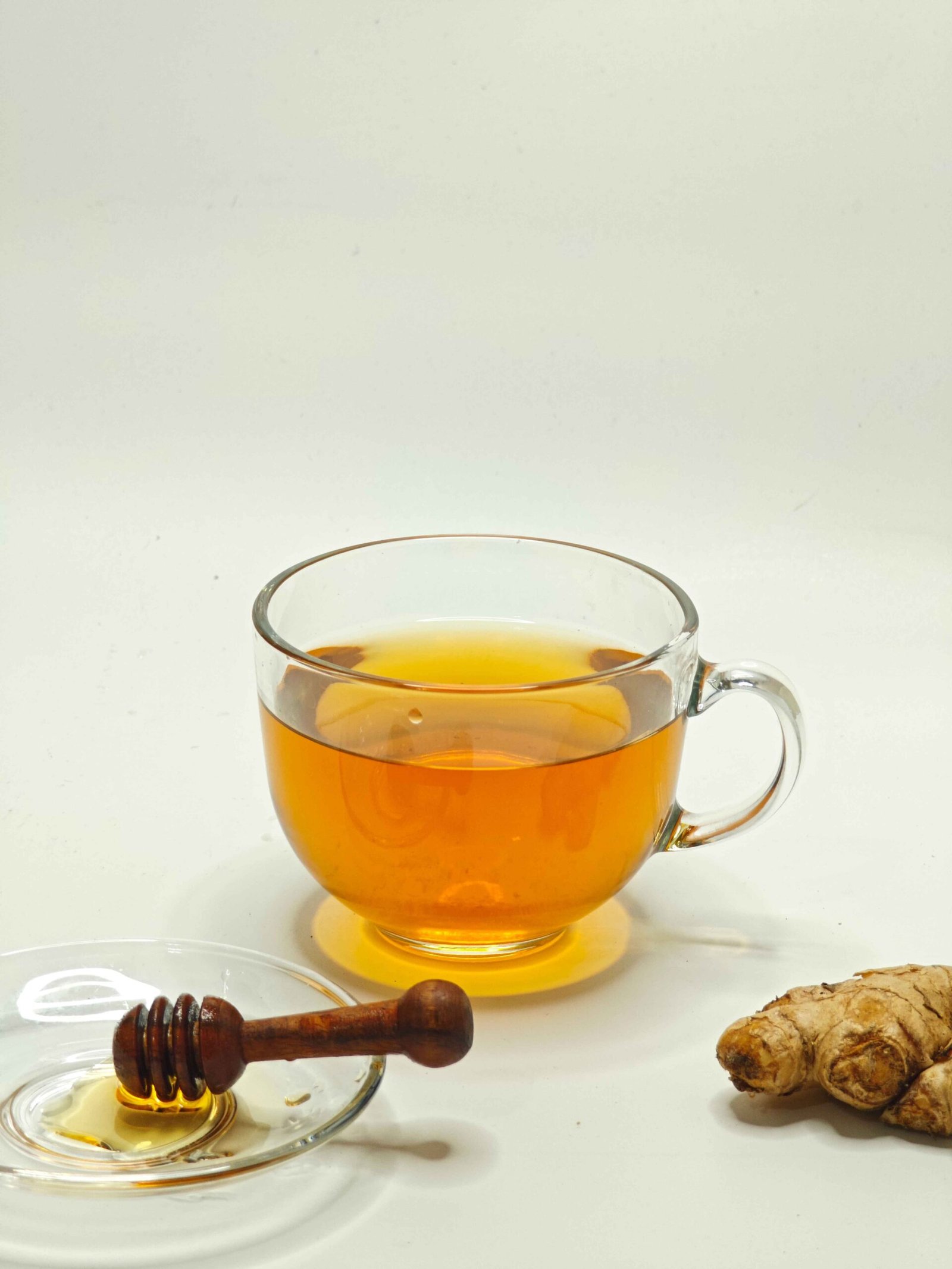
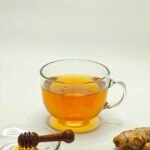
To make honey ginger tea, simmer thin slices of fresh ginger in water, strain, and then add honey and lemon juice. The recipe makes two servings and takes about 10 minutes. You can adjust the sweetness in each cup to your liking.
Slice the ginger very thin instead of adding a large chunk to the saucepan. This helps the water absorb more ginger flavor during the short simmer. Begin with a small amount of honey, since it’s easier to add more sweetness than to remove it.
This recipe doesn’t use tea leaves. It’s a simple ginger infusion made with just four common ingredients—no tea bag or special blend needed.
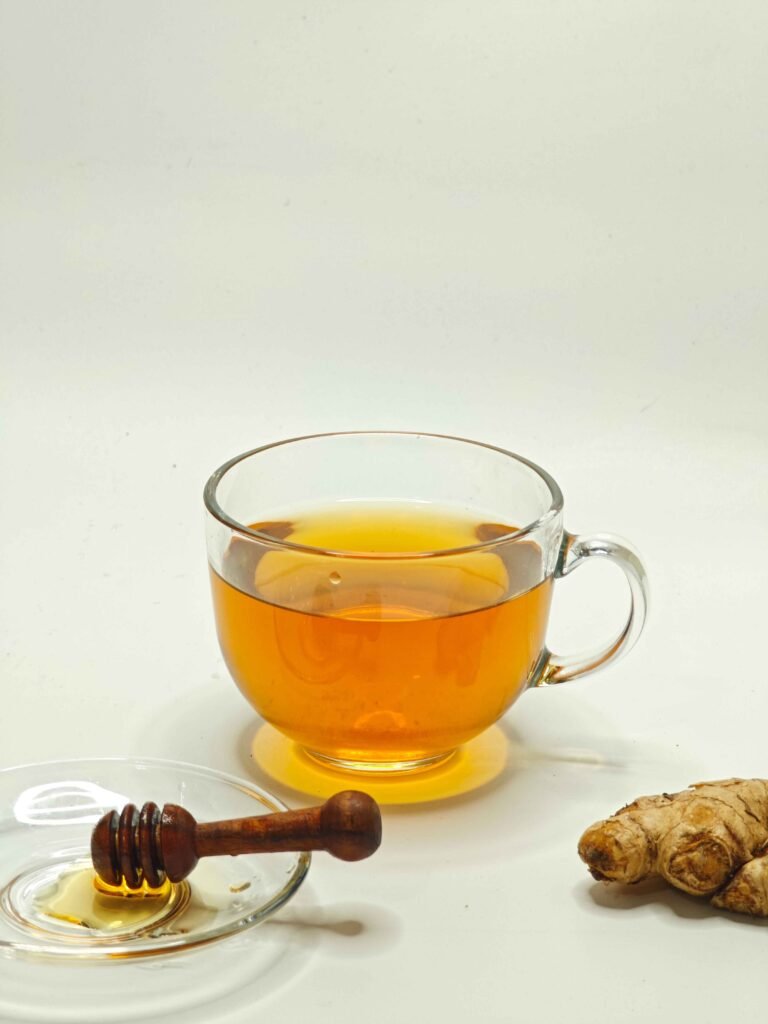
Honey ginger tea recipe
Servings: 2 small cups
Preparation: about 2 minutes, overlapping with water heating
Simmer: 6 minutes
Finish: about 2 minutes
Total: approximately 10 minutes; heating time varies by equipment
Ingredients
- 2 cups water, about 480 ml
- 10 g fresh ginger, washed and sliced thinly
- 2 tsp honey, or less to taste
- 2 tsp freshly squeezed lemon juice, or to taste
Use a US measuring cup and level teaspoons. Since some water will evaporate, just split the strained tea evenly instead of expecting exactly two full cups.
Equipment
You’ll need a small saucepan, a fine-mesh strainer, measuring spoons, a knife, and two heatproof cups. A kitchen scale helps you measure the right amount of ginger, since a “thumb-sized piece” can vary a lot.
Method
- Start heating the water while you prepare the ginger. Place the water in a saucepan over medium-high heat. Wash the ginger, trim off any damaged spots, and slice it thinly. Peel it if the skin is tough or if you prefer.
- Add the sliced ginger once the water is hot. When it starts to simmer gently, lower the heat and cook for 6 minutes. Partially cover the pan to reduce evaporation, but leave a small gap for steam.
- Strain. Turn off the heat and carefully pour through a fine-mesh strainer into a heatproof jug or directly into the cups. Remove the ginger slices.
- Add the honey and lemon juice to each cup, starting with a small amount if you like. Stir until the honey is fully dissolved.
- Taste at a comfortable temperature. Let a small sip cool before tasting. Add a little hot water if the ginger is stronger than you wanted, or adjust the lemon and honey independently.
To make one serving, use half the ingredients. For four servings, double them and use a larger pan. Bigger batches take longer to heat, but keep the simmer time the same at first, then adjust after tasting.
Honey safety: Do not give this honey-containing drink to a baby younger than 12 months. The CDC advises against honey for infants under one year, including products made with it.
What does honey ginger tea taste like?
You’ll taste warm, peppery ginger, sweet honey, and a bit of sharpness from the lemon. The balance depends on the ginger, how thin you slice it, and how much lemon you use.
If you want a milder cup next time, use less ginger or add more water to the strained tea. For a stronger ginger flavor, slice the ginger thinner and simmer a bit longer before increasing all the ingredients.
If you’d like to compare different infusions, our guide to herbal tea flavors and brewing covers ginger, mint, rooibos, and many others.
Fresh ginger versus dried ginger
Fresh ginger, dried sliced ginger, and ground ginger all behave differently. The comparison below focuses on how you prepare them and their texture, not on taste tests.
| Ginger form | How to approach a two-cup batch | Texture and straining | Useful adjustment |
| Fresh root | Start with the recipe’s 10 g, thinly sliced | Slices are easy to remove with a strainer | Change slice thickness or simmer time before adding much more |
| Dried sliced ginger sold for tea | Follow its package quantity and steeping or simmering directions | Pieces can usually be strained out | Do not assume the same weight as fresh ginger will taste equivalent |
| Ground ginger | As a separate trial, begin with ¼ tsp in 2 cups hot water and adjust to taste | Fine powder can remain suspended or settle; a kitchen strainer may not remove it | Let it settle, stir before sipping, or try a suitable fine filter |
The suggested amount of ground ginger is for cooking and isn’t an exact swap for 10g of fresh ginger. If your packet has brewing instructions, follow those first. Add honey and lemon after tasting the ginger so you don’t cover up the flavor.
For the cleanest cup and easiest straining, use fresh sliced ginger. Packaged dried ginger infusions are convenient, but check that they don’t include tea leaves, sweeteners, or other herbs.
How much honey and lemon should you add?
The basic recipe uses one teaspoon each of honey and lemon juice per serving. You can start with half that amount, stir, and taste before adding more.
Honey can taste and smell quite different depending on the type. Strongly flavored honey will make a different drink than mild honey, even in the same amount. It’s best to use a honey you already enjoy instead of buying a new jar just for this recipe.
Honey counts as added sugar. The FDA includes honey and syrups as added sugars, so this drink isn’t sugar-free if you use honey. There’s no calorie count here since you can adjust the amount.
Add lemon juice after straining the tea for better control. You don’t need to simmer the juice. If you use a lemon slice as a garnish, take it out if the peel makes the drink too bitter.
Three easy variations
Lemon and ginger tea without honey
Make the ginger infusion as usual, add lemon to taste, and skip the honey. This version tastes stronger since there’s no sweetener to balance the ginger and citrus. Take a small sip and let it cool before deciding if you want to dilute it.
Ginger honey tea without lemon
Leave out the lemon juice and just stir honey into the strained ginger infusion. This is a good choice if you want ginger flavor without the lemon. You don’t need to replace the lemon juice with anything.
Iced ginger lemon honey tea
Make the infusion and add honey while the tea is still warm. Add the lemon, chill it in a container, and pour over ice when you’re ready to serve. Remember, melted ice will dilute the drink.
If you’re after a stronger iced version next time then tweak the ginger base after you’ve tasted it rather than just go in and add a bit of honey. For the other seasonal combos we have our holiday drinks and tea recipes which feature fruit and spice infusions as well as creamy versions.
Fix a cup that does not taste right
| Problem | First adjustment | What to change next time |
| Too strong or peppery | Add a little hot water | Use less ginger or a shorter simmer |
| Too sweet | Dilute with unsweetened ginger infusion, if available | Add honey in smaller increments |
| Too sour | Add a little water and reassess | Measure lemon juice rather than squeezing directly over the cup |
| Too weak | Simmer a fresh portion of ginger a little longer | Slice more thinly and check that the water actually simmered |
| Gritty | Let powder settle or use a suitable finer filter | Use fresh slices for a clearer result |
Change only one thing at a time in each batch. If you adjust the ginger, honey, lemon, and simmering time all at once, you won’t know which change made the difference.
Can you make honey ginger tea in advance?
You can prepare a small batch of ginger infusion ahead of time and add honey and lemon when you’re ready to serve. Strain out the ginger after simmering so the flavor doesn’t keep getting stronger as it sits.
Use a clean container and get it in the fridge straight away rather than leaving a saucepan out overnight. FoodSafety.gov says that perishable foods should be refrigerated within two hours (or one hour if the temperature is above 90°F/32°C) and the fridge should be at 40°F/4°C or below. If you’re making a large batch, divide it into smaller containers to speed up the cooling process.
There’s no set storage time for homemade ginger tea, so make only what you’ll drink soon and follow storage advice for the ingredients. Reheat just what you plan to serve, or enjoy the cold tea over ice.
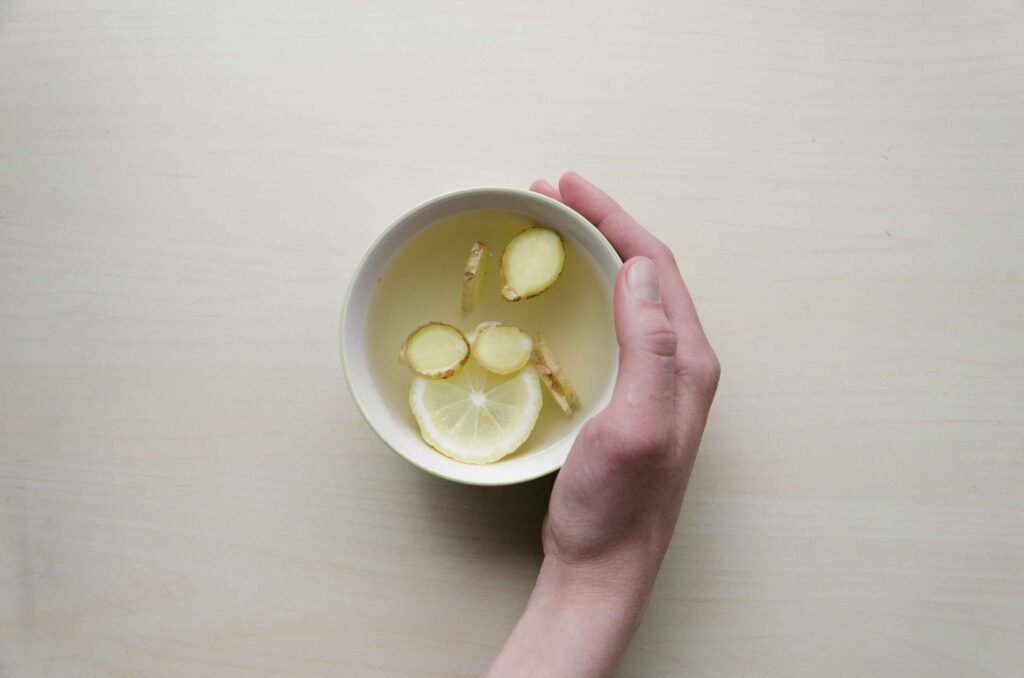
Questions about lemon ginger honey tea
Do you have to peel the ginger?
You don’t have to peel the ginger. Just wash it well and trim any damaged spots. Peel it if the skin is tough or if you prefer. The ginger will be strained out before drinking.
Is this tea caffeine-free?
This four-ingredient recipe has no tea leaves or caffeine. If you use a commercial ginger tea bag instead of fresh ginger, check the ingredients list. Our tea types overview explains why some blends include traditional tea.
Should you boil the honey with the ginger?
No, you don’t need to boil the honey. Just stir it into the strained warm tea so you can adjust each cup to taste. This method is for flavor and convenience, not for any health reason.
Can you grate the ginger rather than slice it?
Yes, you can grate the ginger, but it makes smaller pieces that are harder to strain and changes how quickly the flavor develops. Taste the tea earlier if you grate it. For consistent results, use thin slices and the recommended weight.
Is there a recommended daily amount?
This is just a drink recipe, not a treatment plan. Choose the portion and sweetness that suit your taste. If you need advice about using ginger for health reasons, talk to a health professional instead of using this recipe as a guide.
Once you find a balance you like, write down the ginger weight, simmer time, and honey amount. That way, it’s easy to make the same cup next time.
This article is a general food article and not medical advice.
Sources
- CDC: Botulism Prevention — honey should not be given to infants under one year.
- FDA: Added Sugars on the Nutrition Facts Label — honey and syrups are included as added sugars.
- FoodSafety.gov: 4 Steps to Food Safety — produce washing, refrigeration timing, temperature, and cooling guidance.

Jen Sheldon is a seasoned writer with a passion for fitness, health, wellness, and addiction treatment. With years of experience crafting insightful and research-backed content, she helps readers navigate their journey toward better well-being. When she’s not writing, you’ll find her exploring new workout routines or diving into the latest health trends.