Now Reading: Coconut Oil Teeth Benefits: What Science Says About Oral Health
-
01
Coconut Oil Teeth Benefits: What Science Says About Oral Health

Natural oral care has become more popular lately, and coconut oil pulling is a trend that stands out. People often wonder if using coconut oil for their teeth can help improve oral health.
Some people say coconut oil can reduce harmful bacteria, freshen breath, and keep gums healthy. While a few of these claims are supported by science, others may be overstated. Understanding the real benefits can help you decide whether coconut oil should be part of your daily oral care routine.
This guide looks at what science says about coconut oil, its possible benefits, and how to use it safely with regular dental care.

What Is Coconut Oil Pulling?
Oil pulling is an old Ayurvedic practice where you swish oil in your mouth for a few minutes then spit it out. These days, coconut oil is a common choice for this method.
People try coconut oil for oil pulling because it tastes good and has ingredients that might help with oral hygiene.
Why Coconut Oil Is Commonly Used
Coconut oil has lauric acid, a fatty acid with antimicrobial properties. Lauric acid may help lower the number of harmful germs that can cause oral health problems.
Because of this, more people interested in wellness talk about the possible benefits of coconut oil for teeth.
What Makes Coconut Oil Effective for Oral Health?
Most of coconut oil’s potential benefits for teeth stem from its effects on bacteria in the mouth.
Lauric Acid and Antimicrobial Properties
Studies show lauric acid may slow the growth of some bacteria. Since these bacteria cause plaque and gum issues, lowering their numbers might help keep your mouth healthier.
Why Oral Bacteria Matter
There are hundreds of types of bacteria in the mouth. Many are harmless, but some can lead to tooth decay and gum disease.
According to the Centers for Disease Control and Prevention (CDC), nearly 47% of adults aged 30 years and older have some form of periodontal disease. Maintaining a healthy oral environment is important for long-term dental health.
For this reason, some people look into using coconut oil as a natural addition to brushing and flossing.
Coconut Oil Teeth Benefits
1. May Help Reduce Harmful Bacteria
One of the main benefits studied is coconut oil’s ability to reduce harmful bacteria in the mouth.
Studies have examined the effect of oil pulling on Streptococcus mutans, a bacterium strongly associated with tooth decay. Some findings suggest that regular oil pulling may lower bacterial levels in the mouth.
Although more research is needed, this is still one of the most promising benefits of coconut oil for teeth.
2. Supports Fresher Breath
Bad breath often develops when odor-causing bacteria accumulate in the mouth.
By lowering certain bacteria, coconut oil may help keep your mouth cleaner and breath fresher. Many people say their breath improves after they start oil pulling.
3. May Help Reduce Plaque Buildup
Plaque forms when bacteria combine with food particles on the teeth.
Some studies indicate oil pulling may help reduce plaque levels when practiced consistently. Although brushing remains essential, coconut oil’s teeth benefits may provide additional support for plaque management.
4. Supports Gum Health
Healthy gums play a vital role in overall oral wellness.
A study in the Journal of Contemporary Dental Practice found that oil pulling may help reduce gingivitis caused by plaque when used with good oral hygiene. This adds to the interest in coconut oil for teeth.
5. Gentle and Natural Addition to Oral Care
Many commercial oral care products contain artificial ingredients, flavors, and preservatives.
People who like natural wellness often choose coconut oil for dental care because it is simple, minimally processed, and fits well with holistic health habits.
Can Coconut Oil Whiten Teeth?
A common claim about coconut oil is that it can naturally whiten teeth.
The Popular Claim
Many social media posts say coconut oil can make your smile brighter in just a few days.
What Research Actually Shows
Research does not strongly support the idea that oil pulling makes teeth much whiter. Some people may see their teeth look cleaner because there is less plaque and debris.
However, when discussing coconut oil’s teeth benefits, it is important to distinguish between cleaning teeth and true whitening.
What Science Says About Coconut Oil’s Teeth Benefits
Scientists have become more interested in coconut oil’s effects on teeth over the last ten years.
Several small studies suggest that oil pulling may:
- Reduce harmful bacteria
- Improve oral cleanliness
- Decrease plaque levels
- Support gum health
But researchers point out that many studies are small. Bigger clinical trials are needed before we can be sure about the results.
The American Dental Association (ADA) currently states that there is insufficient evidence to recommend oil pulling as a primary oral health practice.
How to Use Coconut Oil for Oral Health
Method 1: Oil Pulling
The main way people use coconut oil for their teeth is by oil pulling.
Steps
- Take one tablespoon of coconut oil.
- Swish it gently around your mouth.
- Continue for 10 to 15 minutes.
- Spit the oil into a trash can or bin.
- Rinse your mouth thoroughly.
- Brush and floss as usual.
Method 2: Coconut Oil Toothpaste
Some people mix coconut oil with baking soda to make their own toothpaste at home.
However, consult your dentist before using DIY products regularly.
Method 3: Gum Massage
You can also gently massage a little coconut oil onto your gums as part of your oral care routine.
What Coconut Oil Cannot Replace
While coconut oil may have some benefits for teeth, it’s important to know its limits.
Coconut oil should never replace:
- Brushing twice daily
- Daily flossing
- Fluoride toothpaste
- Professional dental cleanings
- Regular dental checkups
Think of oil pulling as something you can add to your regular oral care, not something that replaces it.
Are There Any Downsides?
Most people tolerate coconut oil well, but there are some challenges.
Jaw Fatigue
Swishing oil for 15 minutes can be tiring, especially for beginners.
Digestive Discomfort
Swallowing used oil is not recommended as it may contain bacteria and debris.
Limited Scientific Evidence
Even though coconut oil’s benefits for teeth seem promising, there isn’t much research yet.
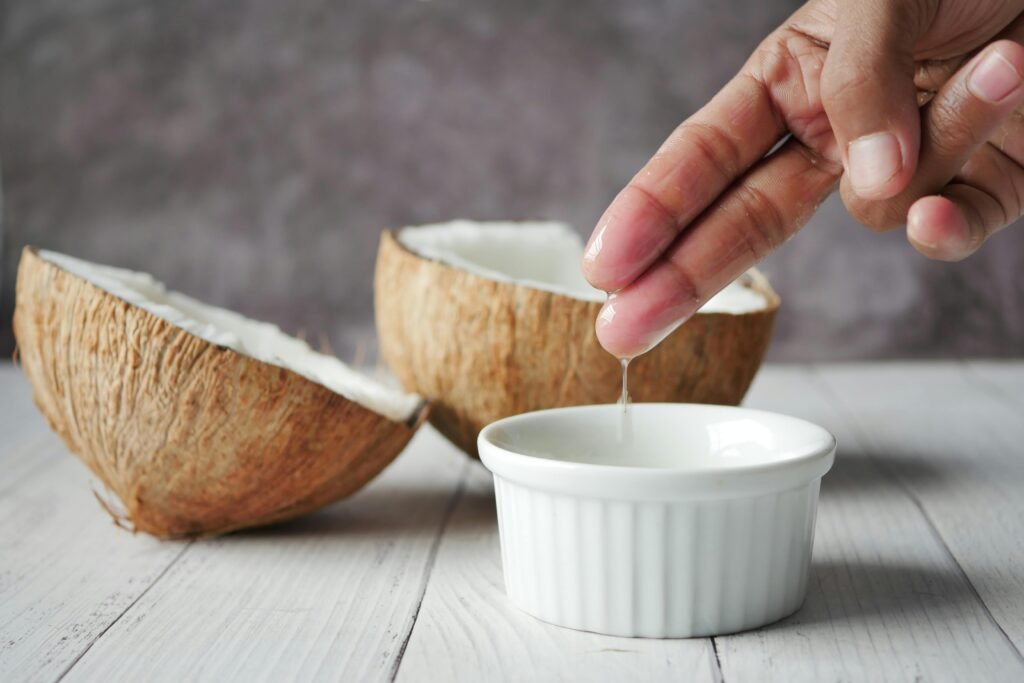
How to Practice Oil Pulling Safely
To use coconut oil for your teeth safely, follow these tips:
- Start with 5 minutes if you’re new to oil pulling.
- Never swallow the oil.
- Continue brushing and flossing daily.
- Consult your dentist if you have oral health concerns.
Final Thoughts on Coconut Oil Teeth Benefits
The growing interest in the benefits of coconut oil for teeth is understandable. Coconut oil may help reduce harmful bacteria, support fresher breath, improve gum health, and complement a healthy oral hygiene routine.
However, realistic expectations are important. While coconut oil’s teeth benefits may offer additional support, they do not replace professional dental care. The best approach combines evidence-based dental practices with healthy lifestyle habits for long-term oral health.
YouTube Resource
Here’s a helpful video on oral health tips by Dr. Josh Axe:
References
Centers for Disease Control and Prevention (CDC) – Periodontal Disease Statistics
https://www.cdc.gov/oralhealth
American Dental Association (ADA) – Oral Health Topics
https://www.ada.org
National Institutes of Health (NIH)
https://www.nih.gov
Journal of Contemporary Dental Practice – Oil Pulling and Gingivitis Research
https://www.thejcdp.com
Mayo Clinic – Oral Health Basics
https://www.mayoclinic.org
Cleveland Clinic – Oral Hygiene Guide
https://health.clevelandclinic.org

Jen Sheldon is a seasoned writer with a passion for fitness, health, wellness, and addiction treatment. With years of experience crafting insightful and research-backed content, she helps readers navigate their journey toward better well-being. When she’s not writing, you’ll find her exploring new workout routines or diving into the latest health trends.