Now Reading: How to Take Spirulina Powder: Easy Daily Tips
-
01
How to Take Spirulina Powder: Easy Daily Tips
Spirulina powder is a popular green superfood for anyone looking to boost their nutrition easily. Made from blue-green algae, it offers protein, vitamins, minerals, and antioxidants. Since its taste can be strong at first, many people wonder how to use it.
The good news is that spirulina is easy to mix into smoothies, juices, breakfast bowls, and snacks. When you know how much to use and what to pair it with, it can fit smoothly into your daily routine.
This guide covers what spirulina is, how much to take, the best ways to use it, recipe ideas, benefits, and safety tips.
What Is Spirulina Powder?
Spirulina is a type of blue-green algae that grows in both fresh and salt water. After harvesting, manufacturers dry it and turn it into powder, tablets, or capsules.
Spirulina is often called a superfood because it is packed with nutrients. According to USDA FoodData Central, one tablespoon of dried spirulina has about 4 grams of protein, plus iron, magnesium, potassium, and B vitamins.
Why Do People Take Spirulina Powder?
People use spirulina for different reasons. Some want more plant-based protein, while others add it to smoothies for its antioxidants and minerals.
Knowing how to use spirulina powder helps you add it to meals without letting its flavor take over.
Rich in Nutrients
Spirulina has protein, iron, copper, magnesium, and several B vitamins. These nutrients help support energy and overall wellness.
Provides Antioxidants
Spirulina contains phycocyanin, a natural pigment that gives it its deep blue-green color. Researchers have studied phycocyanin for its antioxidant and anti-inflammatory effects.
May Support Energy Levels
Spirulina is not a stimulant like caffeine, but its nutrients may help support normal energy levels. Many people like to take it in the morning or before exercise.
How to Take Spirulina Powder Safely
It’s best to start with a small amount. Spirulina has a strong, earthy taste, and taking too much at first can upset your stomach.
Start with a Small Amount
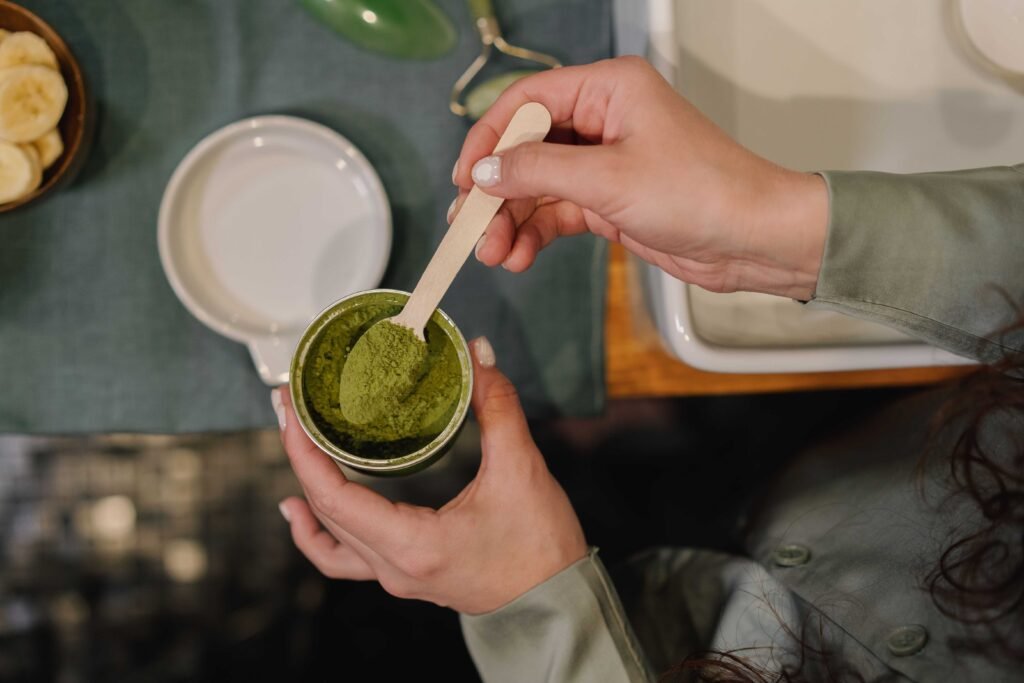
Start with ½ teaspoon per day. Mix it into a smoothie, juice, or a yogurt bowl.
After a few days, increase the amount if you feel comfortable and have no side effects.
How Much Spirulina Powder Should You Take Daily?
Many adults take 1 to 3 grams daily, though some studies use higher amounts. One teaspoon of spirulina powder usually has about 2 to 3 grams, depending on the brand.
Always follow the label instructions on your product.
Best Time to Take Spirulina Powder
You can take spirulina at any time of day.
Taking spirulina in the morning is good for a nutrient boost. Before workouts is a good option if you like it in a smoothie. Having it with meals may help prevent stomach discomfort.
5 Easy Ways to Take Spirulina Powder
1. Add Spirulina to Smoothies
Smoothies are one of the easiest ways to use spirulina powder. Adding fruit helps balance its earthy taste.
Good fruits to pair with spirulina include banana, mango, pineapple, berries, and orange.
Try this simple blend:
- 1 banana
- ½ cup pineapple
- 1 cup coconut water
- ½ teaspoon spirulina powder
- Ice
Blend until smooth and drink fresh.
2. Mix Spirulina with Water or Juice
You can mix spirulina with water, but the taste can be strong. Citrus juice usually works better.
Orange juice, lemon water, and pineapple juice help mask the flavor. Stir well or shake in a bottle.
3. Boost Your Breakfast
Another easy way to use spirulina powder is to add it to your breakfast.
Mix a small amount into oatmeal, yogurt bowls, chia pudding, or overnight oats. Start with ¼ to ½ teaspoon so the flavor stays mild.
4. Make Spirulina Energy Balls
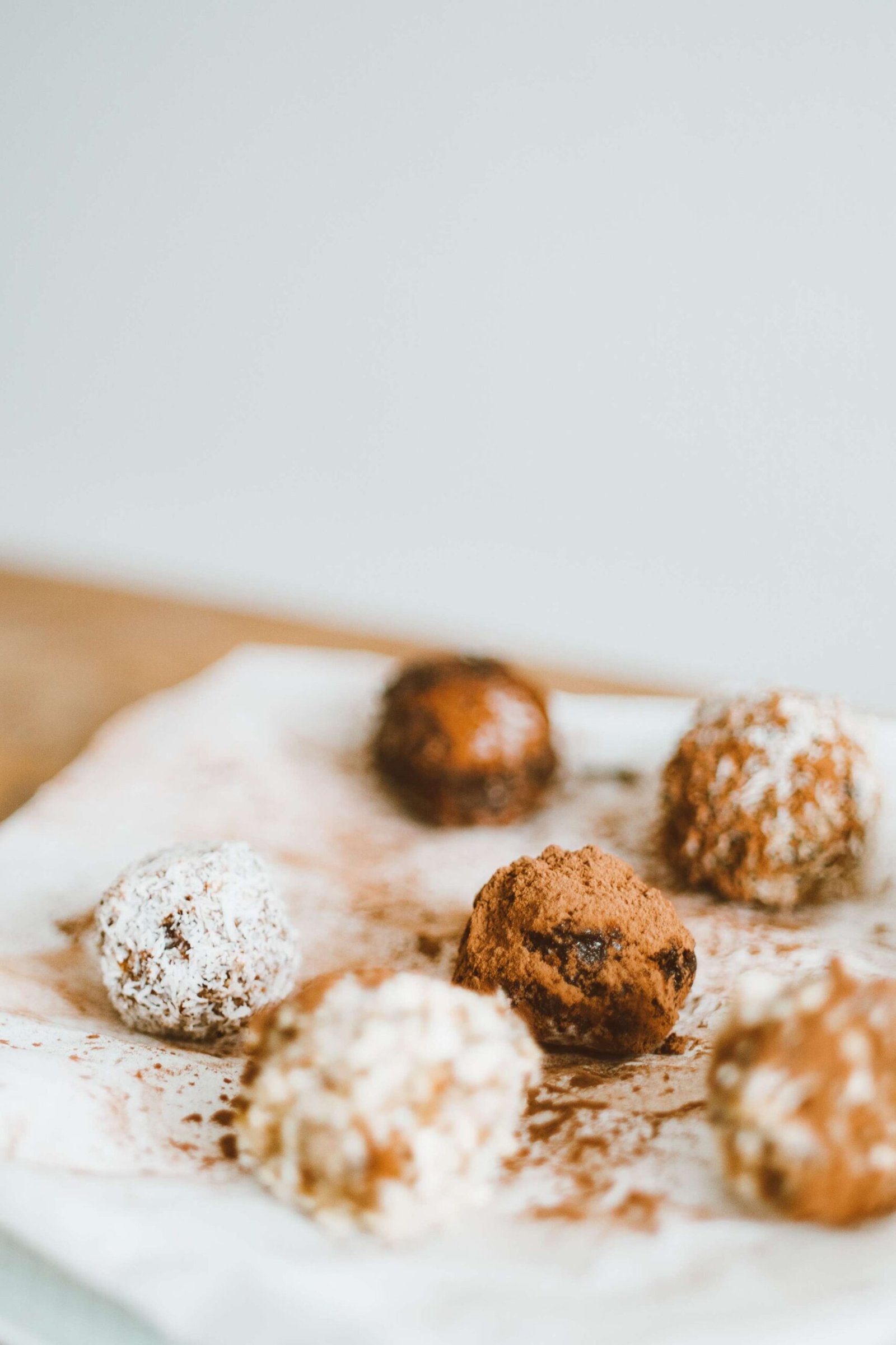
Spirulina energy balls make a quick snack.
Mix oats, peanut butter, honey, chia seeds, and ½ teaspoon spirulina powder. Roll into small balls and chill for 30 minutes.
This method works well because nut butter and honey help soften the taste.
5. Add Spirulina to Salad Dressings and Dips
You can also mix spirulina into homemade dressings, hummus, or avocado dip.
A small amount adds color and nutrients without needing a full smoothie.
Spirulina Powder Recipe Ideas
Green Energy Smoothie
Ingredients:
- 1 cup spinach
- 1 banana
- ½ cup mango
- 1 cup water or coconut water
- ½ teaspoon spirulina powder
Instructions:
Blend everything until smooth. This is one of the best beginner recipes for anyone learning how to take spirulina powder.
Spirulina Lemon Water
Ingredients:
- 1 cup cold water
- Juice of ½ lemon
- ¼ teaspoon spirulina powder
- 1 teaspoon honey, optional
Instructions:
Shake in a bottle until mixed. Drink immediately.
Spirulina Yogurt Bowl
Ingredients:
- 1 cup Greek yogurt
- ½ teaspoon spirulina powder
- ½ cup berries
- 1 tablespoon granola
Instructions:
Stir spirulina into yogurt. Top with berries and granola.
Benefits of Taking Spirulina Powder
Rich in Protein
Spirulina is a plant-based protein source. This makes it useful for people who want to increase their protein intake without relying solely on animal foods.
May Support Heart Health
Some research suggests spirulina may help support healthy cholesterol and triglyceride levels, though more research is needed.
May Improve Exercise Performance
A few studies suggest spirulina may support endurance and reduce exercise-related oxidative stress.
Supports Overall Wellness
Spirulina can support a nutrient-rich diet when combined with whole foods, fruits, vegetables, protein, and healthy fats.
Common Mistakes When Taking Spirulina Powder
Taking Too Much Too Quickly
Start small. Too much spirulina may cause nausea, bloating, or digestive discomfort.
Ignoring Product Quality
Choose spirulina from a reputable brand. Poor-quality algae products may contain contaminants.
Expecting Immediate Results
Spirulina is not a quick fix. It works best as part of a consistent, healthy lifestyle.
Not Mixing It Properly
Spirulina can clump. Use a blender, shaker bottle, or whisk for smoother results.
Who Should Avoid Spirulina Powder?
Spirulina is not right for everyone.
People with autoimmune conditions should speak with a healthcare provider first because spirulina may affect immune activity. People taking blood thinners, immunosuppressing drugs, or other prescription medications should also ask their doctor.
Pregnant and breastfeeding women should use spirulina only with medical guidance. Anyone with an allergy to algae or phenylketonuria should avoid it unless a healthcare professional says otherwise.
Frequently Asked Questions
How Much Spirulina Powder Should I Take Per Day?
Many people start with ½ teaspoon daily and gradually increase to 1 teaspoon.
Can I Take Spirulina Powder Every Day?
Many healthy adults can take spirulina daily, but quality and dosage matter.
Does Spirulina Increase Energy?
Spirulina may support normal energy metabolism by providing protein, iron, and B vitamins.
What Does Spirulina Taste Like?
It tastes earthy, grassy, and slightly ocean-like.
Can I Mix Spirulina with Coffee?
You can, but the flavor may not blend well. Smoothies or citrus juice usually taste better.
Final Thoughts
Learning how to take spirulina powder makes this superfood easier to enjoy. Start with a small amount, mix it with strong flavors like fruit or citrus, and choose a high-quality product.
The best way to use spirulina is consistently and realistically. Add it to smoothies, breakfast bowls, energy balls, or dips, and let it support your overall wellness routine.
YouTube Resource
Here’s a helpful video by Dr. Josh:
References
USDA FoodData Central — Spirulina, dried
https://fdc.nal.usda.gov
National Institutes of Health — Dietary Supplements and Safety
https://ods.od.nih.gov
Cleveland Clinic — Spirulina Benefits
https://health.clevelandclinic.org/spirulina-benefits
Harvard T.H. Chan School of Public Health — Protein
https://www.hsph.harvard.edu/nutritionsource/what-should-you-eat/protein
Mayo Clinic — Nutrition and Healthy Eating
https://www.mayoclinic.org/healthy-lifestyle/nutrition-and-healthy-eating

Jen Sheldon is a seasoned writer with a passion for fitness, health, wellness, and addiction treatment. With years of experience crafting insightful and research-backed content, she helps readers navigate their journey toward better well-being. When she’s not writing, you’ll find her exploring new workout routines or diving into the latest health trends.